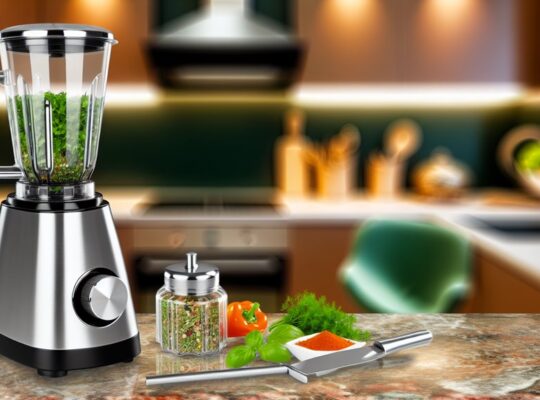
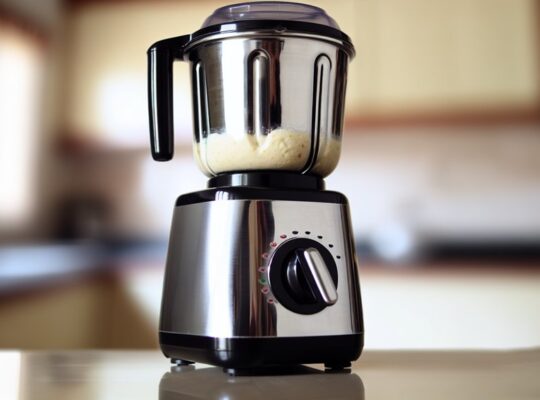
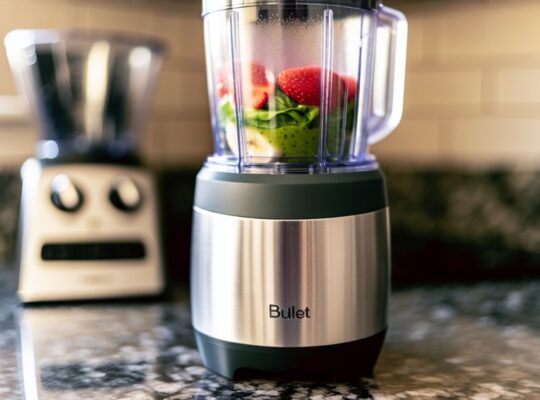
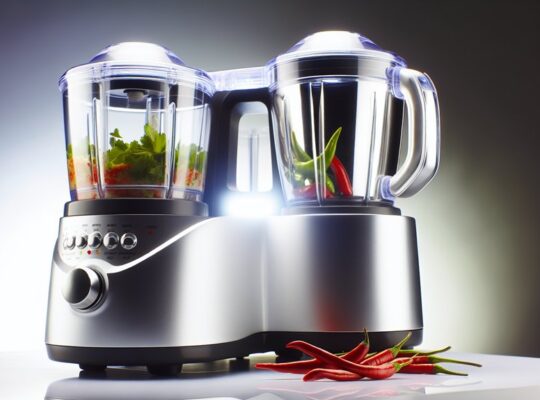
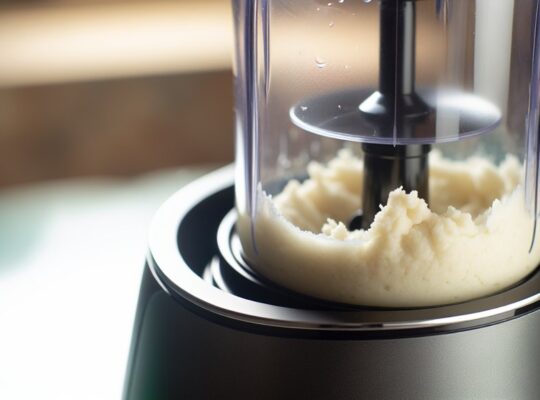
When you compare stainless steel and polycarbonate jars, you’re weighing long-term chemical inertness and heat tolerance against transparency and lightness. Stainless steel resists corrosion, high temperatures, and aggressive cleaners; polycarbonate offers impact resistance and visual monitoring but can scratch, yellow, and leach under stress. The right choice depends on your priorities for safety, durability, and use conditions—here’s how those trade-offs break down.
Key Takeaways
- Stainless steel is more durable, corrosion-resistant, and tolerates high-temperature sanitization with minimal leachables.
- Polycarbonate is lightweight, transparent, and allows easy visual inspection of contents.
- Polycarbonate can leach BPA and is sensitive to strong solvents, heat, scratches, and UV over time.
- Stainless steel is heavier, opaque, and may require sight windows or labeling for product visibility.
- Choose by application: prioritize hygiene and longevity with stainless steel, and visibility and lightness with polycarbonate.
Material Properties and Composition
What makes stainless steel and polycarbonate fundamentally different at the material level? You’ll see stainless steel is an alloy—primarily iron with controlled chromium (typically ≥10.5%) and often nickel and molybdenum additions—forming a passive chromium oxide layer that provides corrosion resistance. Its microstructure (austenitic, ferritic, martensitic) dictates mechanical and corrosion behavior; composition percentages and heat treatment control properties. Polycarbonate, by contrast, is a thermoplastic polymer based on bisphenol A-derived carbonate linkages; it’s an amorphous, high-impact resin with a glass transition temperature near 147°C and molecular weight-dependent toughness. From a safety perspective, you’ll note stainless steel offers inert metallic surfaces resisting leachables and can be sanitized at high temperatures without degradation. Polycarbonate can leach bisphenol A under certain conditions (heat, alkaline cleaners) and is susceptible to chemical attack by strong solvents. When specifying jars, you’ll weigh alloy grade, surface finish, and passivation versus polymer grade, optical clarity, and chemical resistance to minimize contamination and ensure safe use. Proper cleaning, storage, and temperature control during use and processing help maintain material integrity and product safety.
Durability and Impact Resistance
When you compare stainless steel and polycarbonate for jars, focus first on drop and dent resistance: stainless steel alloys resist permanent deformation under high-impact loads, while polycarbonate absorbs energy through elastic deformation and controlled cracking. Then consider long-term wear behavior—stainless steel resists abrasion, corrosion, and fatigue-induced surface degradation better over repeated cycles, whereas polycarbonate is prone to micro-scratching, UV embrittlement, and stress-crack growth. Quantify performance with standardized tests (ASTM drop, Izod/Charpy, Taber abrasion, and accelerated weathering) to predict service life under your expected use conditions. Also consider how jar selection ties to real-world use: jar size and shape affect ingredient circulation and overall performance.
Drop and Dent Resistance
How likely is a jar to survive an accidental drop or a knock against a shelf? You’ll assess impact energy absorption, dent yield strength, and fracture toughness. Stainless steel offers high yield strength (~200–600 MPa depending on grade) and elevated hardness, so it resists denting and retains shape after low-to-moderate impacts; deformation is typically plastic not catastrophic. Polycarbonate excels at impact energy absorption due to high toughness and elongation at break, so it resists cracking and shattering but will deform (permanent indentation) under concentrated loads. For safety-critical storage, quantify expected drop heights and contact geometries, then compare material-specific impact test results (Izod/Charpy, instrumented drop tests). Factor in wall thickness, edge geometry, and mounting; these variables notably alter real-world survival probabilities. AI-powered mixers offer predictive maintenance that can inform replacement timing based on impact and wear data.
Long-Term Wear Behavior
Because long-term wear combines cumulative mechanical insults with environmental degradation, you’ll need to consider both fatigue and impact resistance over service life when comparing stainless steel and polycarbonate jars. Stainless steel exhibits high cyclic fatigue endurance and maintains structural integrity under repeated loading; corrosion resistance (especially 304/316 grades) preserves cross-section and fatigue life, provided you control chloride exposure and crevice corrosion. Polycarbonate has excellent initial impact toughness and energy absorption but suffers from stress-cracking, UV-induced embrittlement, and chemical softening, which reduce fatigue and impact resistance over time. For safety-critical uses, quantify service cycles, expected environmental exposures, and inspect for microcracks or corrosion pits. Choose stainless steel where long-term dimensional stability and resistance to cumulative degradation are paramount; use polycarbonate where controlled impact absorption is required. Additionally, for high-demand household use, consider appliances with 750-watt motors which are commonly paired with durable jar materials for better overall performance.
Weight, Portability, and Handling
Curious about how jar material affects carry and maneuverability? You’ll notice stainless steel jars are heavier per volume (higher density ~7.8 g/cm³) which increases inertia but improves stability during transport; polycarbonate is lightweight (~1.2 g/cm³), so it reduces carrying strain and drop impact force. You should factor grip geometry, surface finish, and center of mass for safe handling.
| Feature | Effect |
|---|---|
| Mass per unit volume | Heavier = more inertia |
| Drop energy | Lighter = lower impact energy |
| Grip surface | Matte/knurled improves control |
| Clip/strap mounting | Lighter favours single-strap systems |
| Center of mass | Low CM reduces tipping risk |
Quantify choices: choose polycarbonate for frequent handheld use or long routes; choose stainless steel when stability, puncture resistance, and secure fastening are priorities. In either case, verify attachment hardware ratings and perform ergonomic tests to ensure safe, repeatable handling under expected load and motion profiles. Overload protection can help prevent motor damage when heavier jars increase load on the appliance, so consider jars in relation to thermal cutoff and overall motor safety.
Thermal Performance and Insulation
When you compare thermal performance, stainless steel cores typically show higher heat retention than polycarbonate due to greater thermal mass and lower thermal conductivity. Insulation layers—vacuum, foam, or air gaps—dominate overall performance, so a polycarbonate shell with a high-quality vacuum insulation can approach double-walled stainless results. You’ll need to consider material-specific heat transfer coefficients and the presence or absence of reflective barriers when predicting real-world temperature decay. Stainless steel’s higher thermal mass and heat resistance also make it more effective for long-term heat retention compared to plastics like polycarbonate, which are more prone to thermal deformation under sustained high temperatures.
Heat Retention Comparison
How well does a jar keep heat where you want it? You should expect stainless steel jars to retain heat longer than polycarbonate equivalents under identical conditions. Stainless steel has higher thermal mass and lower thermal conductivity to ambient when combined with vacuum or layered construction, so temperature decay rates measured by standardized calorimetry show slower drops. Polycarbonate, being a polymer, transfers heat more readily; its surface reaches ambient equilibrium faster and exhibits higher heat flux. For safety-critical use, quantify time-to-safe-temperature and rate of external-surface cooling with infrared thermography or thermocouple logging. Also consider lid fit and seal integrity, which materially affect convective losses. Use empirical data rather than assumption to select the jar that meets your required thermal-hold profile. For typical South Indian cooking tasks, prioritize jars with robust heat management to maintain batter temperature during long grinding sessions.
Insulation Material Effects
Why does the insulation material between the contents and the environment so strongly determine thermal performance? Because thermal conductivity, specific heat, and material thickness control heat flux; low-conductivity insulators reduce conductive loss, reflective layers limit radiative transfer, and sealed vacuums minimize convective exchange. When you select stainless steel jars with vacuum insulation, you get sub-0.01 W/m·K effective conductance and predictable retention; polycarbonate relies on trapped foam or air gaps, typically 0.02–0.04 W/m·K, so it cools or warms faster. For safety, prefer multilayer designs that combine a metal shell for structural integrity with an inner reflective barrier and vacuum or closed-cell foam to prevent permeation and microbial ingress. Validate performance via standard tests (ASTM D412, ISO 22007) before use. For commercial kitchen use, also consider high-torque motors and serviceability requirements when choosing jar materials to ensure durability under continuous operation.
Chemical Resistance and Food Safety
Curious which material keeps your food safest over time? You’ll find stainless steel (typically 304/18-8 or 316 grades) has superior chemical inertness: it resists acids, alkalis, and oils, shows minimal leaching under normal pH and temperature ranges, and meets food-contact standards (e.g., FDA, EU 10/2011) when properly finished. Polycarbonate offers impact resistance and clarity but can leach bisphenol-A (BPA) or related monomers if not BPA-free, and hydrolysis or solvent exposure can increase migration rates, especially at elevated temperatures. For acidic, alcoholic, or hot-fill applications you should prefer stainless steel to minimize contaminant transfer. Sanitation protocols differ: stainless tolerates aggressive cleaners and high-temperature sanitizing; polycarbonate tolerates milder detergents but degrades with abrasive or caustic agents. Validate materials via standardized migration tests (e.g., EU SML, FDA extractables/leachables) for your intended use. Prioritize certified grades, documented testing, and avoidance of damaged or scratched polycarbonate to maintain long-term food safety. For typical home use and light daily tasks, choose jars with appropriate wattage and simple maintenance to ensure durability and safe performance.
Visibility and Aesthetic Considerations
You’ll notice polycarbonate jars give you clear content visibility, enabling quick product identification and accurate inventory checks without opening containers. Stainless steel offers limited visual access but provides a broader range of color and finish options (brushed, mirror, powder-coated) that can enhance brand presentation and durability. Consider display and shelf appeal quantitatively—contrast, reflectivity, and translucency affect perceived freshness and sales metrics in retail environments. Quiet mixer grinders also benefit shared spaces by using noise reduction features that minimize disturbance and vibration.
Clear Content Visibility
How clearly can you identify contents at a glance depends largely on material choice: polycarbonate offers near-transparent visibility with minimal distortion, enabling rapid visual inventory and easier color-based identification, whereas stainless steel is opaque and requires labels, windows, or electronic tracking to achieve equivalent situational awareness. When you rely on polycarbonate, you get direct line-of-sight inspection that reduces handling time and exposure risk; light transmission metrics (~88–92% for grade polycarbonate) support accurate visual assessment of particulate load and liquid clarity. Stainless steel necessitates procedural compensations: standardized labeling, RFID tags, or integrated sight windows to maintain safety and traceability. Choose polycarbonate where visual inspection frequency and contamination control demand immediate verification; select stainless steel when opacity’s durability and chemical resistance outweigh the need for direct visibility.
Color and Finish Options
Why choose one finish over another? You’ll select finishes based on corrosion resistance, sterility maintenance, and optical properties. Stainless steel offers brushed, mirror, and passivated matte finishes; each alters surface roughness (Ra values) and microbial adhesion—lower Ra and passivation reduce contamination risk. Polycarbonate provides clear, tinted, or opaque coatings; UV-stable tints mitigate photodegradation but can affect inspection. Powder-coating and anodic-like treatments add scratch resistance but change cleanability and temperature tolerance. Consider chemical compatibility: aggressive sanitizers may dull coatings or leach additives from polycarbonate. Regulatory compliance matters—choose FDA- or USP-classified materials and coatings. Specify measurable parameters (surface roughness, contact angle, UV transmission percentage) to ensure the finish meets your hygiene, inspection, and longevity requirements.
Display and Shelf Appeal
Several factors determine how well jars attract attention and convey product quality on shelf, with visibility and aesthetic choices directly affecting purchase decisions and brand perception. You’ll evaluate light transmission, contrast, and surface reflectivity: polycarbonate offers high clarity for product visibility, increasing impulse selection where contents matter, while stainless steel provides high reflectivity and perceived premium status but conceals contents, requiring stronger labeling. Consider shelf lighting interactions—matte finishes reduce glare, polished metal amplifies highlights—and spatial efficiency; uniform shapes improve planogram density. From a safety perspective, you’ll prefer materials with certified inertness and durable finishes that resist scratching, which can harbor contaminants and degrade appearance. Choose based on whether transparency or perceived robustness better aligns with your regulatory labeling and consumer-trust objectives.
Cleaning, Maintenance, and Longevity
What cleaning and maintenance routines keep stainless steel and polycarbonate jars performing well over time? You should follow material-specific protocols: stainless steel resists corrosion but needs passivation and mechanical cleaning to prevent pitting; polycarbonate is scratch- and solvent-sensitive and requires gentle, non-abrasive care to avoid stress cracking. Clean both after each use, inspect seals, and replace damaged gaskets promptly to maintain safety and containment.
- Rinse immediately with warm water to remove residues that promote corrosion or staining.
- Use pH-neutral detergents; avoid bleach on stainless steel and solvents (acetone, alcohol) on polycarbonate.
- Apply soft brushes or microfiber cloths; don’t use steel wool or abrasive pads on either material.
- Periodically perform visual inspections for microcracks, discoloration, or weld flaws; perform dye-penetrant testing if safety-critical.
- Store dry, ventilated, and away from direct UV to reduce polymer embrittlement and surface oxidation.
Environmental Impact and Recyclability
How do stainless steel and polycarbonate jars compare when you look at lifecycle emissions, resource extraction, and end-of-life options? You’ll find stainless steel typically has higher upstream energy and CO2 intensity due to iron ore mining, smelting, and alloying; however, its durability and near-universal recyclability reduce lifetime emissions per use when effectively recycled. Polycarbonate is derived from fossil feedstocks (bisphenol-A routes), with lower initial manufacturing energy but greater greenhouse gas and toxicity risks from monomer production and additives. End-of-life, stainless steel is accepted by most metal recycling streams and retains material value; recycling rates and closed-loop recovery substantially lower embodied impacts. Polycarbonate faces lower municipal recycling acceptance, potential downcycling, and contamination concerns that can limit safe reuse in food-contact applications. From a safety-focused lifecycle perspective, you should prefer materials with verified recycling pathways and documented post-consumer recovery to minimize cumulative emissions and chemical exposure risks across extraction-to-disposal stages.
Cost Comparison and Value Over Time
Why choose one material over the other when balancing upfront price against lifetime cost? You’ll assess initial purchase, maintenance, longevity, and risk-related replacement. Stainless steel typically costs more initially but delivers lower lifecycle cost due to durability, corrosion resistance, and high-temperature tolerance. Polycarbonate is cheaper upfront but can require earlier replacement from impact damage, UV degradation, or chemical stress. Quantify decisions by estimating failure rates, expected service years, maintenance intervals, and disposal costs.
- Initial unit cost: polycarbonate lower; stainless higher but variable by grade.
- Service life: stainless often decades; polycarbonate measured in years under harsh use.
- Maintenance: stainless needs less frequent inspection and replacement of seals; polycarbonate may need more frequent integrity checks.
- Risk exposure: polycarbonate is more susceptible to cracking and permeation; factor in potential contamination mitigation.
- Total cost of ownership: calculate net present value of replacements, labor, and disposal to determine true value over time.
Best Uses and Choosing the Right Jar
When do you pick stainless steel over polycarbonate for a jar? You choose stainless steel when chemical resistance, temperature stability, and long-term inertness matter — for pharmaceutical compounds, hot-fill foods, or corrosive reagents. Pick polycarbonate when impact resistance, transparency, and lower weight are priorities — for visible inventory, low-temperature storage, or drop-prone environments. Assess hazard, contact time, cleaning method, and expected lifespan.
| Parameter | Stainless Steel | Polycarbonate |
|---|---|---|
| Chemical resistance | Excellent (acid/base, solvents) | Variable (can swell/degrade) |
| Temperature range | High (+/- thermal cycling) | Limited (brittle at low, deform at high) |
| Cleanability | Autoclave/chemicals compatible | Gentle detergents, no autoclave |
Make decisions by risk assessment: test compatibility, validate cleaning cycles, inspect seals, and document service intervals. If safety-critical, default to stainless steel unless transparency is essential and validated polycarbonate meets standards.
Frequently Asked Questions
Do Either Jar Type Affect Food Flavor or Odor Over Time?
Generally no — properly finished stainless steel and food-grade polycarbonate won’t impart flavors or odors; you’ll want BPA-free, scratch-free polycarbonate and 304/316 stainless, clean regularly, avoid strong solvents, and store airtight to prevent contamination.
Are Replacement Lids or Parts Widely Available?
Yes — replacement lids and parts are widely available for both materials; stainless suppliers and polycarbonate brands offer OEM and compatible seals, gaskets, and lids, but verify chemical compatibility, pressure ratings, and FDA/food-grade certifications before use.
Which Jar Is Safer for Children to Handle?
Stainless steel’s safer: it’s impact‑resistant, non‑shattering, chemically inert, and free from BPA risks that polycarbonate can pose. You’ll still check edges, lids, and heat exposure, ensuring secure seals and regulator‑approved components.
Can Either Jar Be Used for Fermenting Foods?
Yes — you can ferment in both, but you’ll prefer food-grade stainless steel or BPA-free polycarbonate; steel resists acids and won’t leach, while polycarbonate can scratch and potentially release chemicals over long acidic exposure, monitor integrity.
Do Either Jars Warp or Deform in Sunlight?
No, stainless steel won’t warp in sunlight; polycarbonate can yellow and potentially deform under prolonged UV and high heat exposure. You should avoid continuous direct sun for polycarbonate and prefer stainless for long-term UV resistance.