You rely on a mixer grinder to turn ingredients into uniform results, and its motor is the unseen workhorse that makes that possible. You’ll want to understand how electrical input becomes controlled torque, what parts dictate efficiency and durability, and which motor types suit light or heavy use. Keep following to see the key components, failure modes, and practical maintenance steps that actually extend motor life.
Key Takeaways
- Electric current in the stator creates a rotating magnetic field that induces torque in the rotor, turning the shaft and blades.
- The rotor transfers torque through the shaft to blades, with speed and torque determined by motor power, pole count, and load.
- Bearings and a supported shaft minimize friction and maintain concentricity, reducing runout and wear under vibration.
- A fan on the shaft and housing vents provide cooling to remove heat from windings, bearings, and lubricant.
- Proper duty cycle, load management, and regular maintenance (clean vents, replace seals/bearings) prevent overheating and extend motor life.
Basic Components of a Mixer Grinder Motor
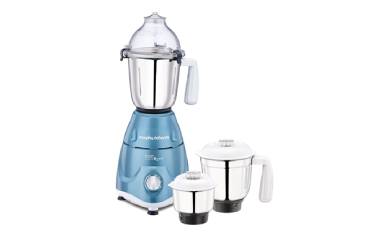
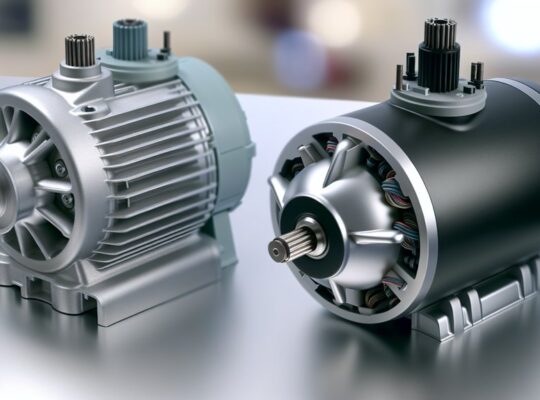
What parts make a mixer grinder motor do its work? You’ll find a few essential, tangible components: the stator, rotor, bearings, shaft, fan, brushes (in brushed models), and housing. The stator holds windings that remain fixed; the rotor fits inside and turns around the shaft. Bearings support the shaft and keep rotation aligned, reducing wear and vibration. The fan attached to the shaft forces cooling airflow to prevent overheating. Brushes and commutator exist in older or DC designs; many modern domestic motors use sealed induction or BLDC types that avoid exposed brushes for safety. The housing encloses components, provides electrical insulation, and includes ventilation slots to balance cooling with ingress protection. Fasteners and mounting pads secure the motor assembly to the appliance base, limiting movement and noise. Each element has a safety role: maintain insulation, prevent overheating, reduce friction, and ensure stable mechanical alignment to avoid failures that could cause injury or fire. Many popular mixer grinders under 2000 often use a 500W motor with high RPM for efficient grinding and cooling performance.
How Electrical Energy Becomes Rotational Motion
You’ll see electrical current create magnetic fields that exert force on conductors, producing torque through electromagnetic interaction. The stator’s fixed field and the rotor’s current-carrying windings interact to convert that force into continuous rotation. A commutator and brushes reverse the rotor current at the right moments so torque stays in the same direction. Higher-wattage motors (e.g., 1000W models) provide greater torque and maintain speed under heavy loads.
Electromagnetic Force Generation
How does electrical energy turn into rotation inside a mixer grinder? You apply voltage to coils, creating magnetic fields that exert forces on conductive elements; those forces produce torque when arranged to produce a net rotational effect. You must respect insulation, proper wiring, and safe clearances.
- Field creation: current through windings generates magnetic flux lines.
- Force production: flux interacts with current-carrying conductors, producing Lorentz forces.
- Torque summation: discrete forces are arranged to add vectorially around an axis.
- Energy conversion: electrical power becomes mechanical work minus losses (heat, friction).
You should understand that precise coil geometry and controlled current timing govern force magnitude and direction. Follow manufacturer safety ratings; avoid modifying windings or bypassing protections. Many modern grinder motors also include air ventilation systems and thermal protection to improve longevity and prevent overheating.
Rotor and Stator Interaction
Why does the rotor follow the magnetic field rather than stay still? You’ll see that the rotor experiences torque because the stator’s rotating magnetic field creates a continuous angular mismatch; the rotor’s magnetic poles are subjected to forces that minimize that mismatch. As current changes in stator windings, the field’s vector rotates; the rotor aligns stepwise or continuously, producing rotation. Mechanical load and magnetic damping resist instant alignment, so equilibrium requires rotation. You should note that air gap, pole count, and field strength determine torque magnitude and response speed. For safe inspection and maintenance, de-energize the motor and secure the rotor before probing gaps or measuring fields. Avoid forcing the shaft; that can damage bearings and alter alignment. Kenstar mixer grinders typically include multiple jars and power options, so choose a model with the appropriate power rating for your expected mechanical load.
Commutator and Brushes
The rotor’s tendency to follow the rotating stator field is converted into usable rotation by the commutator and brushes, which continuously reverse current in the rotor windings so magnetic poles remain favorably oriented. You’ll see a segmented copper commutator mounted on the rotor shaft; brushes made of carbon ride against it, delivering current while tolerating wear. Proper contact timing keeps torque smooth; sparking indicates misalignment, dirt, or worn brushes and is a safety concern. Maintain and replace parts per manufacturer specs, and disconnect power before inspection.
- Function: reverses current to sustain rotation.
- Wear: brushes require periodic measurement and replacement.
- Inspection: look for pitting, burning, or loose commutator segments.
- Safety: isolate power and use appropriate PPE.
Higher-wattage motors like 1000W models often include more robust protection features and are designed for heavier, continuous use.
Types of Motors Used in Mixer Grinders
Which motor should you pick depends on the trade-offs you value most: cost, efficiency, torque, noise, and durability. In mixer grinders you’ll commonly encounter three types: universal (brush) motors, induction (squirrel-cage) motors, and BLDC (brushless DC) motors. Universal motors deliver high speed and starting torque in a compact, low-cost package but wear brushes and produce more noise; they need regular inspection and safe brush replacement. Induction motors run quieter, last longer with minimal maintenance, and handle continuous loads safely, though they’re heavier and less responsive at varying speeds. BLDC motors combine efficiency, controllable torque, and low noise, improving energy use and thermal safety; they’re costlier and require electronic controllers. Choose based on duty cycle: frequent heavy grinding favors induction or BLDC for thermal stability; occasional high-speed tasks can use universal motors if you follow maintenance and electrical safety practices. Modern mixer grinders also include overload protection to automatically limit motor load and prevent damage during excessive use.
Role of the Stator and Rotor
How do the stator and rotor cooperate to convert electrical energy into the grinding torque you need? You rely on their interaction: the stator creates a controlled rotating magnetic field, and the rotor responds with torque that drives the blades. You’ll want predictable, stable operation to maintain safe, efficient grinding.
- Stator function: stationary windings create a timed magnetic field when current flows; insulation and winding pattern determine field strength and safety margins.
- Rotor response: induced currents (in induction types) or direct excitation (in permanent-magnet types) produce a magnetic moment that seeks alignment, generating torque.
- Torque control: the field magnitude and phase relation govern starting torque, steady-state speed, and overload resilience; proper design prevents overheating and stalls.
- Thermal and electrical protection: you’ll use appropriate insulation classes, temperature monitoring, and correctly rated windings and circuits to minimize fire and shock risk.
You should inspect and maintain the stator-rotor assembly to preserve safe, reliable performance. A well-designed motor with thermal overload protection and durable construction helps ensure longevity and safe operation.
Importance of Bearings and Shaft Design
While the stator and rotor create and react to magnetic forces, bearings and the shaft translate that torque into stable, usable motion without wasting energy or risking misalignment. You need bearings that minimize friction, support axial and radial loads, and maintain concentricity under vibration. A well‑designed shaft resists bending, aligns seals and couplings, and transfers torque without fatigue. Poor bearing choice or shaft deflection increases heat, wear, noise, and safety risk.
| Parameter | Effect |
|---|---|
| Bearing type | Friction, life, maintenance |
| Clearance/tolerance | Alignment, vibration |
| Lubrication | Friction, temperature control |
| Shaft diameter/profile | Strength, fatigue resistance |
| Fit and mounting | Runout, seal effectiveness |
Specify sealed bearings for contamination protection, matched fits for minimal runout, and materials that resist corrosion. You should inspect bearings regularly and replace at first sign of play. That reduces failure likelihood, prevents imbalance, and keeps the appliance safe for household use. A routine check of gaskets, seals and locking alignment helps prevent leaks and keeps the motor assembly operating correctly, so confirm proper sealing before use.
Cooling and Ventilation in Motor Operation
Why does cooling matter for a mixer grinder motor? You rely on effective heat removal to prevent insulation breakdown, lubricant failure, and premature bearing wear; unmanaged heat increases fire risk and reduces service life. Cooling and ventilation guide airflow to critical components so temperatures stay within safe limits.
- Design: housing vents and fan geometry control airflow path and velocity.
- Materials: thermal conductivity of windings, laminations, and varnish affects heat transfer.
- Maintenance: dust, clogged vents, and degraded fans reduce cooling efficiency—clean regularly.
- Monitoring: surface temperature checks and thermal cutouts protect against overheating.
You should ensure vents aren’t blocked during operation and replace damaged fans promptly. When servicing, use manufacturer-specified parts and torque limits to avoid misalignment that impedes airflow. Proper cooling design and routine upkeep reduce failure modes, improve safety margins, and preserve motor performance without changing speed or torque characteristics. Effective thermal management including thermal cutouts and heat sinks is essential for long-term motor reliability under heavy loads.
Torque, Speed, and Power Ratings Explained
You’ll need to distinguish torque and speed because torque determines the grinder’s ability to crush ingredients while speed controls cutting action. The motor’s power rating tells you the maximum mechanical output it can sustain, but you should also consider how efficiently that electrical input converts to usable torque and RPM. Efficiency affects real-world performance and heating, so lower-efficiency motors deliver less torque for the same power and may require derating. Sujata’s stainless steel construction and robust motor often deliver better long-term grinding performance in heavy-duty use.
Torque vs. Speed
How fast should a mixer grinder’s blade spin versus how much twisting force it delivers? You’ll balance speed (RPM) and torque to match task demands: high speed for fine blending, high torque for crushing dense ingredients. You want motors that maintain torque under load to avoid stalling and overheating.
- RPM vs torque trade-off: increasing RPM usually reduces available torque; choose based on ingredient resistance.
- Stall risk: low torque at start can jam blades—use gradual engagement or higher starting torque.
- Thermal safety: sustained low-speed high-torque draws more current; watch thermal cutouts and duty cycles.
- Practical selection: prefer motors specified with torque curves and safe operating RPM ranges to ensure reliable, safe use.
Power Rating Meaning
Ever wondered what the wattage on a mixer grinder actually tells you about performance? Wattage is the electrical power input rating and, when combined with motor design, bounds the mechanical output available for torque and speed. You shouldn’t assume higher watts always mean better results; wattage sets the maximum energy the motor can draw safely without overheating or tripping protection. For practical use, match wattage to tasks: low-watt units suit light blending, higher-watt units handle dense grinding with less strain. Manufacturers often quote peak and continuous power; continuous rating matters for sustained operation to avoid motor stress. For safety, follow rated duty cycles, avoid overloading the jar, and ensure ventilation so the motor operates within its specified power envelope.
Motor Efficiency Impact
Want to know why two mixer grinders with the same wattage behave differently? Motor efficiency determines how much electrical input becomes useful mechanical output. If efficiency is low, more current heats the motor and reduces torque available for tough loads, raising stall risk and safety concerns.
- Torque: Higher-efficiency motors deliver expected torque under load, so blades don’t bind and motor doesn’t overheat.
- Speed retention: Efficient motors maintain RPM under load, giving consistent performance and preventing sudden stalls.
- Power utilization: Efficiency links rated wattage to real usable power—check efficiency to assess real capacity.
- Thermal safety: Better efficiency means less waste heat, reducing insulation degradation and fire risk.
You should choose motors rated and tested for sustained loads to ensure safe, reliable operation.
Common Causes of Motor Failure
When a mixer grinder motor fails, it’s usually traceable to a few precise issues you can diagnose: overheating from overload or blocked ventilation, electrical faults like shorted windings or capacitor failure, mechanical wear such as bearing seizure or commutator erosion, and contamination from moisture or debris.
You’ll first check thermal signs: discolored windings, a burnt smell, or tripped thermal cutouts indicate repeated overheating that degrades insulation and shortens life. Electrically, open or shorted windings, failed start/run capacitors, and loose connections cause erratic torque, high current draw, or no-start conditions; these present as humming or no rotation. Mechanically, worn bearings produce noise, increased vibration, and shaft play; a seized bearing prevents rotation and can overheat the motor. Contamination from food particles, oil, or water leads to corrosion, insulation breakdown, and arcing. Recognizing these causes helps you evaluate risk and decide whether repair, part replacement, or safe disposal is required.
Maintenance Tips to Extend Motor Life
You should establish a regular cleaning routine to remove food debris and dust that raise motor temperature and wear brushes prematurely. You should also manage loads by matching jar size and ingredient quantity to the grinder’s rated capacity to avoid stall and overheating. Together, these practices cut mechanical strain and extend motor life.
Regular Cleaning Routine
A simple, consistent cleaning routine will prevent debris buildup, reduce friction, and keep the motor running cooler and longer. You should power off and unplug the unit, let it cool, then remove jars and blades for separate cleaning to avoid moisture near the motor. Use a dry brush and compressed air to clear vents and the rotor area; avoid liquids on electrical parts.
- Remove attachments and dry-clean blades immediately after use.
- Blow vents and stator gaps with short compressed-air bursts.
- Wipe accessible housing with a damp cloth; never spray cleaners into openings.
- Inspect seals and bearings for residue; replace if contaminated.
Follow these steps regularly; they lower heat, reduce wear, and enhance safe operation.
Proper Load Management
How much load your mixer grinder handles at once affects motor temperature, torque delivery, and long-term wear, so you should match batch size and ingredient type to the machine’s rated capacity. You’ll avoid overheating and stalling by dividing dense or fibrous items into smaller batches, using pulse mode for tough loads, and keeping liquids sufficient to aid blade movement. Monitor motor sound and heat; slowdowns or burning smells mean reduce load and rest motor. Balance jars evenly if using multiple attachments. Periodic inspection of bearings and ventilation paths complements load discipline.
| Load type | Recommended action |
|---|---|
| Soft/liquid | Full capacity, steady speed |
| Fibrous/dry | Smaller batches, pulse mode |
| Hard/ice | Minimal batches, low speed, rest between runs |
Differences Between Domestic and Commercial Motors
Although they may look similar at a glance, domestic and commercial mixer grinder motors differ fundamentally in design priorities and performance limits: domestic motors prioritize compactness, quiet operation, and intermittent-duty cycles for occasional household tasks, while commercial motors are built for continuous heavy loads, higher torque, robust cooling, and serviceability to withstand long hours and tougher materials. You should pick a motor type that matches expected duty to avoid overheating and reduce risk.
- Power and torque: commercial units deliver higher continuous horsepower and torque; domestic units have lower peak ratings suited to short cycles.
- Duty cycle and cooling: commercial motors use forced-air or liquid cooling for extended run times; domestic rely on convection and short intervals.
- Construction and serviceability: industrial designs use replaceable bearings, heavier shafts, and accessible windings; domestic units are more integrated.
- Safety features: commercial motors include thermal protection and overload relays; domestic models often use simple fuses or thermostats.
Match application to motor class to ensure safe, reliable operation.
Frequently Asked Questions
Can Mixer Grinder Motors Run on Inverter Power Reliably?
Yes — you can run mixer grinder motors on inverter power reliably if the inverter supplies adequate continuous wattage, true sine wave output, and a matching battery capacity; otherwise motors may overheat, surge, or suffer reduced performance and lifespan.
Are Brushless Motors Quieter Than Brushed Ones in Grinders?
Yes — you’ll find brushless grinder motors are generally quieter than brushed ones because they eliminate brush friction and sparking, producing smoother operation, lower vibration, and reduced electrical noise, which enhances safety and predictable performance.
How Does Voltage Fluctuation Affect Motor Lifespan?
Voltage fluctuations shorten motor lifespan by causing overheating, insulation breakdown, and increased vibration; you’ll see bearing wear, winding stress, and premature failure. Use voltage stabilizers, surge protectors, and regular maintenance to mitigate these risks.
Can Motor Windings Be Rewound at Home Safely?
You can’t safely rewind motor windings at home unless you’re trained and equipped; doing so risks burns, insulation failure, incorrect turns, and imbalance. It’s safer to use a qualified technician or certified repair service.
Do Moisture-Resistant Coatings Prevent Rust and Corrosion?
Yes — moisture-resistant coatings markedly reduce rust and corrosion by repelling water, sealing surfaces, and blocking electrolytic paths. You’ll still inspect for damage, ensure proper application, and recoat if abrasion or chemical attack compromises the layer.