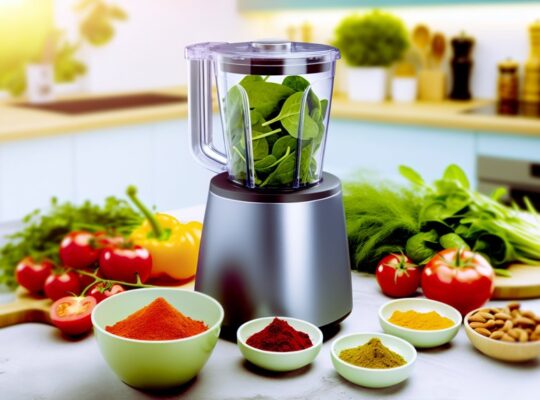
You’ll want to pick the jar material that fits how you use it: stainless steel is tough, heat-resistant, and resists stains and odors, while plastic is light, cheap, and handy for dry goods. Consider acids, oils, repeated washing, and whether you’ll reheat or store long-term. The right choice affects safety, longevity, and waste—so before you decide, compare the trade-offs that matter most to your routine.
Key Takeaways
- Stainless steel is stronger, heat- and impact-resistant, and better for long-term, repeated-use storage under mechanical or thermal stress.
- Food-grade stainless (304/18-8) is nonporous, won’t leach chemicals, and tolerates high-temperature sanitation.
- Plastic (PP/HDPE/PET) is lighter, cheaper, and shatter-resistant but can scratch, absorb odors, and degrade with heat or UV.
- Stainless has higher upfront environmental and production costs but longer lifespan and recyclability often offset impact.
- Choose stainless for acidic, hot, oily, or long-term uses; choose food-safe plastic for low-stress, lightweight, or budget needs.
Material Properties and Durability
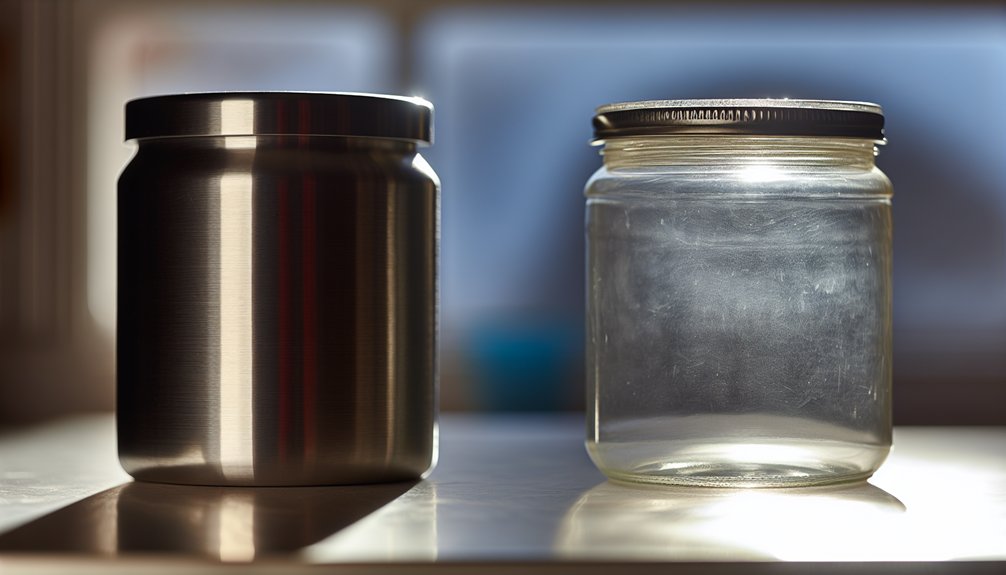
How do stainless steel and plastic jars actually compare when it comes to material properties and durability? You’ll find stainless steel is harder, more impact- and heat-resistant, and less prone to scratching or deforming over time; typical grades (304/316) resist corrosion and retain strength at elevated temperatures. Plastic jars (polypropylene, HDPE, PET) are lighter, more chemically inert to some solvents, and shatter-resistant, but they’re more susceptible to UV degradation, scratching, warping, and creep under load. For long-term, repeated-use storage where mechanical stress or heat is expected, stainless steel gives superior longevity. For lightweight, low-temperature, low-stress applications, high-quality plastics perform adequately. Choose based on expected stresses, temperature range, and required lifespan to prioritize safety and durability. Many kitchen appliances, including several WonderChef models, often feature stainless steel jars for durability and heat resistance compared with plastic alternatives.
Food Safety and Hygiene Considerations
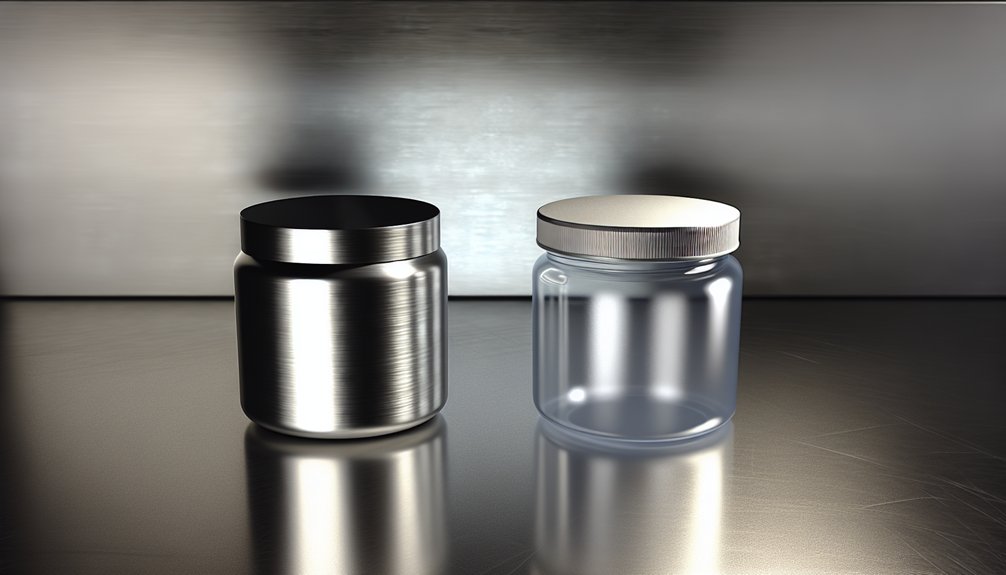
Why should you care about the material when storing food? You’ll want containers that don’t leach chemicals, resist microbial growth, and tolerate cleaning. Food-grade stainless steel (304/18-8) is nonporous, won’t release BPA or phthalates, and withstands high-temperature sanitation without degrading. Some plastics are labeled food-safe (HDPE, PP), but can absorb oils and odors and may release additives when exposed to heat or acidic foods. Inspect plastics for scratches and clouding—these create harborage for bacteria. Always check manufacturer safety certifications and temperature limits. Use lids that seal to limit contamination, wash with hot soapy water after each use, and sanitize periodically (boil stainless steel; follow plastic-safe methods). Replace damaged containers; safety diminishes with wear. For everyday kitchen versatility and longevity, many users prefer stainless steel jars in higher-powered mixer grinders.
Environmental Impact and Sustainability
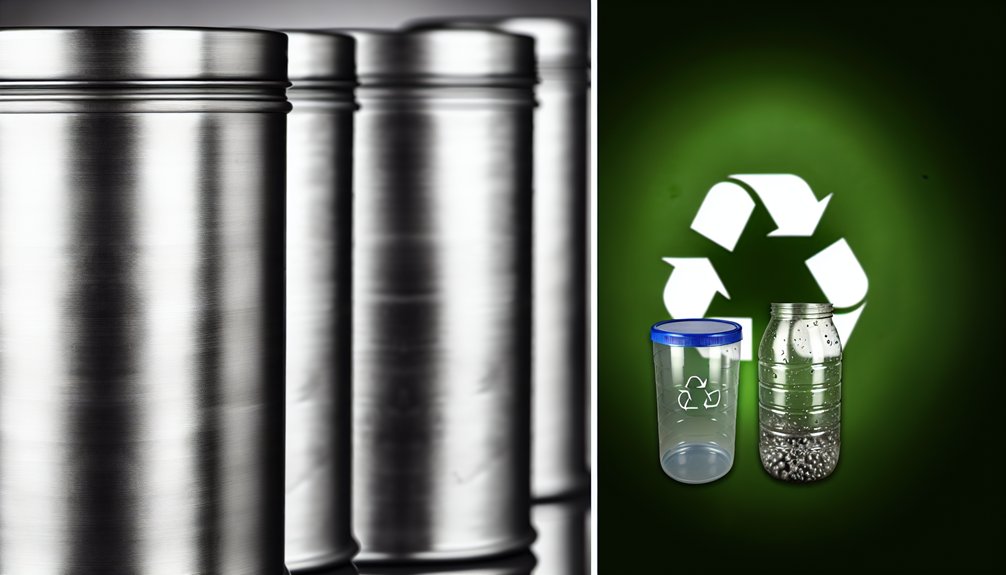
Both materials have clear trade-offs you should weigh: stainless steel is highly durable and widely recyclable but demands more energy and raw materials to produce, while common food-safe plastics (like HDPE and PP) have lower manufacturing emissions and weight yet persist much longer in landfills and marine environments if not recycled. You’ll reduce overall impact by prioritizing lifespan: a long-lived stainless jar can offset upfront emissions through repeated reuse. If you choose plastic, pick high-recovery polymers (HDPE/PP), buy from recycling streams, and avoid single-use items. Check local recycling and contamination rules so your jars actually get processed. Consider embodied energy, end-of-life pathways, and likelihood of loss to the environment when assessing which option meets your safety and sustainability goals. For everyday kitchen use, also consider the durability and wattage needs of your appliances so the jar material matches typical light-duty operations.
Cost, Availability, and Practical Use
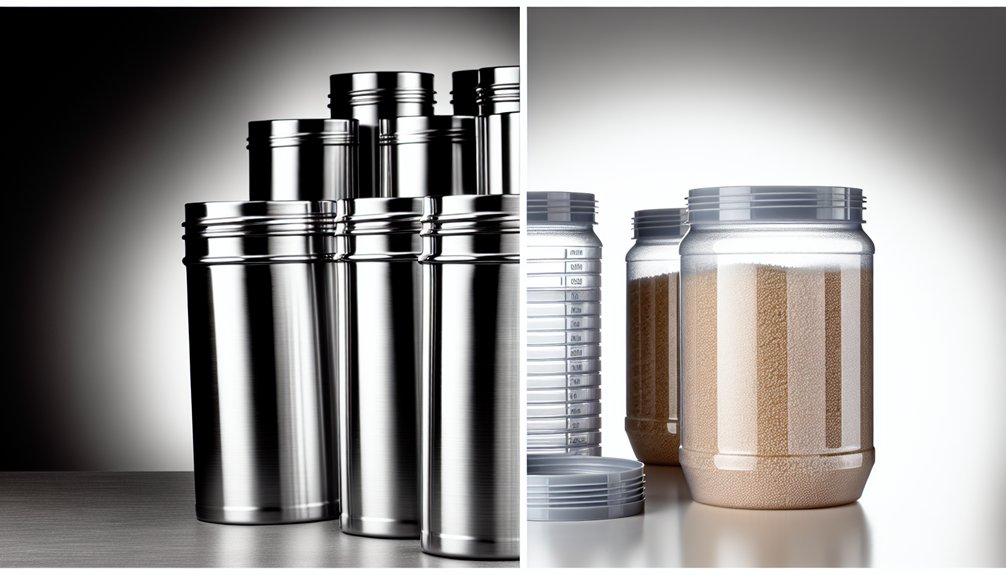
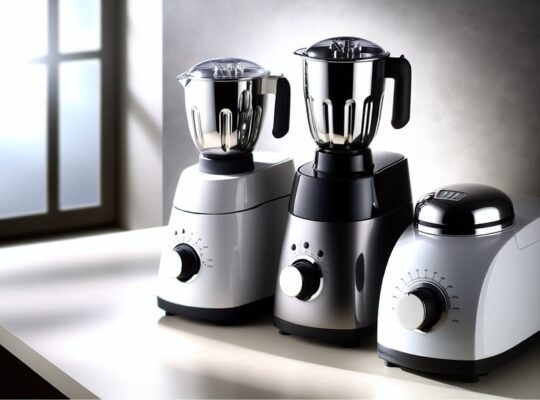
Where will you get the best value for your needs depends on upfront cost, replacement frequency, and local availability. You’ll usually pay more initially for stainless steel, but that higher cost often reflects durability: studies and product tests show stainless can last years with minimal degradation, reducing long‑term replacement expense. Plastic jars are cheaper and widely available, so they’re convenient for immediate or budgeted needs, but they can crack, stain, or leach over time depending on grade and temperature exposure. For practical use, consider cleaning, weight, and storage: stainless tolerates heat and repeated sanitization better; plastic is lighter and often transparent. Choose based on measured lifetime cost, supply access, and documented safety ratings rather than marketing claims. Many popular mixer grinders under 3000 come with multiple stainless steel jars which offer better durability for daily kitchen use.
Choosing the Right Jar for Your Needs
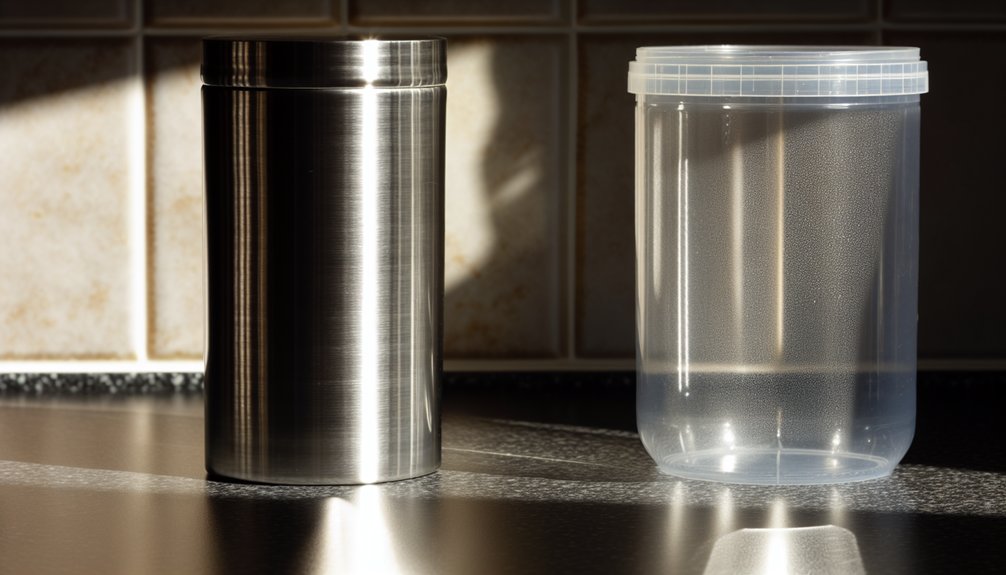
Which factors matter most for your specific use will determine whether stainless steel or plastic is the better choice. Consider what you’ll store: acidic, oily, or hot contents favor stainless steel because it’s non-reactive and heat-resistant; dry goods or single-use convenience can suit food-grade plastics if BPA-free. Evaluate durability and sanitation: stainless resists scratches and bacterial harboring, so it’s safer long-term; plastic can deform, stain, and develop micro-abrasions that trap contaminants. Think about weight and transport—plastic is lighter but more permeable to odors and gases. Factor in cleaning: you’ll want dishwasher-safe materials and smooth seals to prevent mold. Finally, check certifications (FDA, EU food contact) and manufacturer testing to ensure the jar meets your safety standards. Also consider the motor material and performance of appliances you pair with the jar, since many models feature 100% copper motors that affect grinding efficiency and suitability for heavy-duty use.
Frequently Asked Questions
Are Stainless Steel Jars Compatible With Microwaves?
No, you shouldn’t put stainless steel jars in a microwave; metal reflects microwaves, causing sparks, arcing, potential fire and appliance damage. Use microwave-safe glass or ceramic containers instead, and follow manufacturer safety instructions carefully.
Do Plastic Jars Affect Food Flavor Over Time?
Yes — some plastics can slowly transfer odors or tastes, especially with fatty, acidic, or hot foods; choose food-grade, BPA-free containers and avoid long-term storage of oily or acidic items to minimize flavor changes and contamination.
Can Stainless Steel Jars Be Used for Fermenting Foods?
Yes, you can use stainless steel jars for fermenting, provided they’re food-grade (304/316), have non-reactive lids or liners, and you avoid prolonged contact with highly acidic brines; monitor temperature and sanitation carefully for safety.
Are There Lightweight Alternatives to Standard Stainless Steel Jars?
Yes — you can choose lightweight alternatives like anodized aluminum, BPA-free Tritan plastic, and glass with protective silicone sleeves; each balances weight, chemical safety, and durability, so pick based on fermenting needs and temperature exposure.
Do Either Jar Types Leach Chemicals When Heated?
Yes — plastics can leach chemicals (especially when heated or with acidic/fatty foods); high‑quality stainless steel rarely does if undamaged. You should avoid heating low‑grade plastics and choose food‑safe, intact stainless for hot storage.