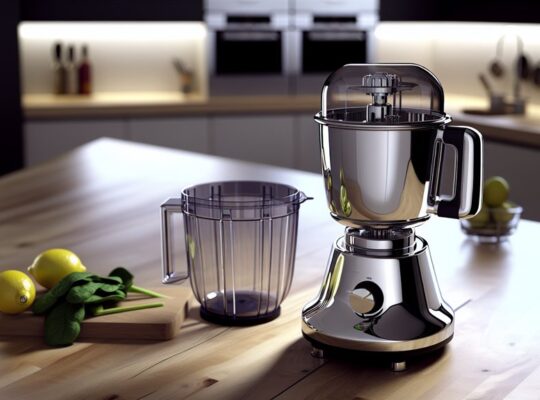
If you’re buying a mixer grinder for a large family, you’ll want power, durability, and reliable safety features. Focus on 750–900W motors, multiple stainless-steel jars sized for wet, dry and chutney tasks, good cooling and thermal cutoff, plus easy cleaning and service coverage. I’ll walk you through the jar choices, material and maintenance tips, essential protections and how to compare brands and warranties so you get the right balance of performance and cost…
Key Takeaways
- Choose a 750–900W continuous-duty motor with thermal overload protection to handle heavy, frequent grinding without burnout.
- Prefer stainless-steel jars: 1.5–2.0 L wet jar, 0.8–1.2 L dry jar, and a 0.2–0.5 L chutney jar for capacity coverage.
- Look for secure jar-lock interlocks, audible feedback, and well-sealed lids to prevent splashes and ensure safe operation.
- Verify build quality: hardened stainless blades, silicone seals, robust ABS/metal body, and easy-to-replace genuine spare parts.
- Check warranty scope, extended-service options, and a nearby authorized service network for faster repairs and genuine parts.
Why Motor Power Matters for Heavy Daily Use
When you’re cooking for a large family, motor power determines how reliably the grinder will handle heavy, frequent loads — higher-wattage motors (typically 500W and above) maintain speed under strain, grind tougher ingredients like whole spices and wet batter without overheating, and reduce processing time, which prevents motor fatigue and prolongs lifespan. You’ll want a motor with enough continuous power rather than just peak ratings; check manufacturer specifications for rated wattage and duty cycle. Look for overload protection, thermal cut-offs, and well-ventilated housings to reduce fire and burn risks. Heavy-duty bearings and copper windings signal durability. Match power to typical tasks—tough wet grinding and repeated use need higher wattage. Regular cleaning and avoiding prolonged continuous runs will keep the motor safe and reliable. Prefer models with thermal overload protection for safer long-run performance.
Choosing the Right Jar Types and Capacities
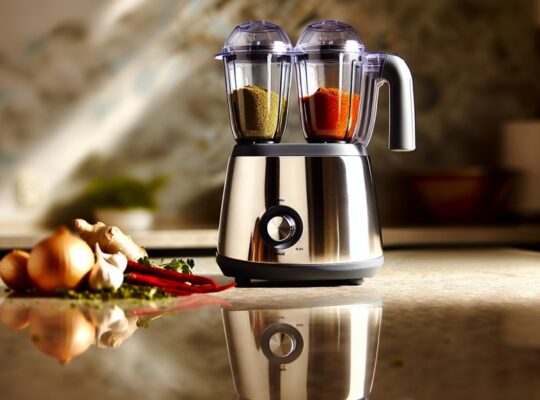
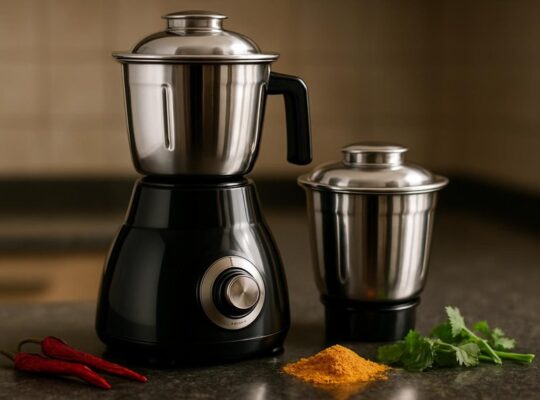
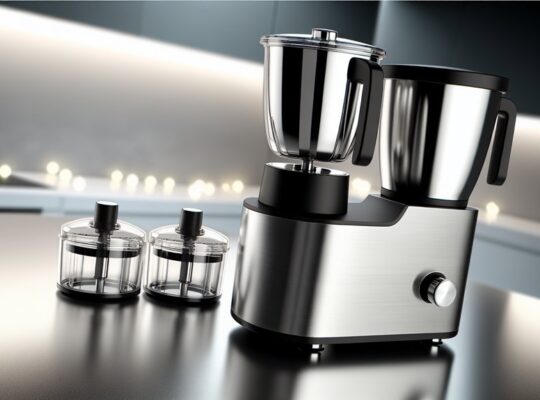
Now that you’ve matched motor power to your family’s cooking load, you’ll want jars that suit both the quantity and type of tasks you run through the grinder. Pick a large wet-grinding jar (1.5–2.0 L) for batter, soups, and bulk chutneys so you can process full batches without overfilling. Include a medium dry-grinding jar (0.8–1.2 L) for spices and flours, and a small chutney jar (0.2–0.5 L) for pastes and small amounts. Look for securely locking lids and well-sealed spouts to avoid splashes when blending hot liquids. Consider jars with ergonomic handles for safe pouring and measured capacity markings to prevent overloading. Choosing the right mix of sizes keeps tasks efficient and minimizes risk during heavy daily use. Allowing rest intervals between cycles helps prevent overheating and prolongs motor life cooling and ventilation.
Durable Build Materials and Maintenance Tips
Curious which materials will stand up to daily heavy use? You’ll want a stainless steel jar and hardened steel blades for longevity and safe food contact; a robust ABS or metal body resists dents and heat. Clean parts after each use, dry thoroughly, and inspect seals and blades weekly. Lubricate moving parts only if manufacturer permits. Choose a motor with around 500 watts for reliable performance in heavy-use households.
| Component | Recommended Material | Maintenance Tip |
|---|---|---|
| Jar | Stainless steel | Hand-wash, avoid bleach |
| Blades | Hardened stainless | Dry immediately, check edge |
| Body | ABS or metal | Wipe, avoid water ingress |
| Seals | Silicone | Replace annually or when cracked |
Use original spare parts, follow torque/assembly instructions, and store unit upright to prevent moisture damage.
Essential Safety Features and Overload Protection
You’ll want a grinder with reliable motor overload protection so the unit shuts off automatically if the motor overheats or draws too much current. Check for stable safety interlocks that prevent the blades from spinning unless jars and lids are correctly locked in place. These features protect the motor and your family, and they’ll save you on repairs and downtime. Consider models that also offer jar-lock interlock and pulse controls for extra safety and control.
Motor Overload Protection
Why should motor overload protection matter to you when buying a mixer grinder for a large family? You’ll run the appliance for longer, often with heavy loads; overload protection prevents motor burn-out by cutting power when current or temperature exceeds safe limits. Look for models with automatic thermal cut-off plus cool-down reset so the unit restarts only after it’s safe. Check the cutoff threshold and reset behavior in the manual — lower thresholds protect the motor but may interrupt long tasks more often. Prefer grinders with visible indicator lights or fault codes that tell you why it stopped. Also confirm serviceability: a replaceable thermal protector and accessible ventilation make repairs easier. These details reduce downtime, repair costs, and safety risks for busy kitchens. Regularly testing the trip elements and matching protection settings to the motor rating helps ensure reliable long-term performance.
Stable Safety Interlocks
Alongside overload protection, stable safety interlocks keep the grinder from running when a jar or lid isn’t secured, which is especially important when you’re handling large, heavy batches. You should check that the interlock mechanism is robust: metal or reinforced plastic latches, firm detents, and no wobble when jars are attached. Test them in-store or on delivery—attach a jar loosely and confirm the motor won’t start, then secure it fully and verify normal operation. Look for clear audible or tactile feedback so you know it’s locked. Also confirm the interlocks resist wear: replaceable parts or validated manufacturer lifetime ratings help. Finally, pair interlocks with a visible indicator light or symbol so you always see when it’s safe to operate. Many Bosch models also include overload protectors that prevent motor damage during prolonged heavy use.
Comparing Brands, Warranty, and After-Sales Service
When choosing a mixer grinder, check the brand’s reliability and reputation by reading user reviews and looking at how long they’ve been making kitchen appliances. Compare warranty coverage—what parts are covered, the length of the warranty, and whether motor or jar damage is included. Finally, confirm the service network and accessibility in your area so repairs and spare parts are quick and affordable. Also consider the warranty’s coverage of motor and wiring and any exclusions so you can avoid unexpected repair costs.
Brand Reliability and Reputation
How well will a mixer grinder hold up under daily use for a large family? You’ll want proven brands with consistent reliability records so the motor, switches, and jars stay safe under heavy cycles. Check user reports on durability, noise levels, and overheating incidents. Prioritize manufacturers known for robust parts and accessible service centers.
- Look for brands with long track records and clear quality standards.
- Verify availability of genuine spare parts and certified technicians nearby.
- Read safety-related reviews mentioning thermal cutoffs, secure lids, and vibration control.
- Prefer brands offering transparent repair turnaround times and easy service scheduling.
Choosing reputable brands reduces risk, keeps performance steady, and protects your family from avoidable hazards. Also consider jar and blade choices—such as stainless steel jars and high-quality blades—to match your cooking needs and maximize longevity.
Warranty Coverage Details
Want the peace of mind that your mixer grinder will be covered when something goes wrong? Check the warranty length, what parts are covered, and whether labor is included. You’ll want at least a one- to two-year comprehensive warranty that explicitly covers the motor, switches, and bowl assemblies; some brands exclude wear-and-tear items like jars or blades. Read terms for accidental damage, electrical surges, and manufacturing defects so you’re not surprised. Note required proof-of-purchase, registration windows, and whether extended warranties are available. Verify whether replacement parts are genuine and whether warranty voids for third-party repairs. Keep documentation organized and photograph defects immediately. Clear warranty terms reduce safety risks and ensure reliable repairs when you need them. Consider choosing an appropriate wattage like a 750W option when buying for a large family to balance power and efficiency.
Service Network and Accessibility
Where will you get help if your mixer grinder breaks down? You’ll want a brand with a wide, responsive service network so repairs are fast and safe. Check service center locations near you, average response times, and whether technicians are certified to avoid unsafe fixes. Confirm spare-part availability and whether the company offers door-step service to minimize handling risk. Compare warranty-plus options and paid annual maintenance plans for predictable coverage.
- Check local service center density and hours.
- Ask about technician certification and safety protocols.
- Confirm genuine spare parts availability and typical lead times.
- Verify whether door-step service, tracking, and clear pricing are provided.
Choose brands that score well on these concrete safety and accessibility measures. Also prioritize brands offering 2-year warranty and accessible service centers so motor or part failures are repaired promptly.
Balancing Performance With Budget and Energy Efficiency
Looking for a mixer grinder that handles heavy daily use without blowing your budget or spiking electricity bills? You’ll want a motor that balances wattage and efficiency: 750–900W often handles large families without excess draw, and brushless or high-efficiency motors run cooler and last longer. Prioritize models with thermal overload protection and sturdy jars to avoid safety hazards from overheating. Compare energy use versus performance—higher wattage gives speed but short bursts are usually fine. Look for warranty and certification (ISI/BIS) for safety assurance.
| Feature | What to check |
|---|---|
| Wattage | 750–900W for capacity |
| Efficiency | Brushless/energy-efficient motor |
| Safety | Thermal cut-off, ISI/BIS |
| Budget | Mid-range for durability and low running cost |
Frequently Asked Questions
Can I Use a Mixer Grinder for Wet and Dry Grinding Simultaneously?
No, you shouldn’t use a mixer grinder for wet and dry grinding simultaneously. You’ll risk motor overload, cross-contamination, and uneven grinding. Always process separately, clean jars thoroughly, and follow manufacturer safety and capacity guidelines to avoid damage.
How Noisy Are Mixer Grinders During Prolonged Operation?
They’re moderately loud; you’ll hear sustained noise (70–90 dB) during prolonged use, which can cause hearing strain. Use insulated mats, operate shorter cycles, keep covers closed, and wear ear protection if you’re sensitive.
Do Mixer Grinders Affect Kitchen Countertop Surfaces?
Yes — they can. They’ll cause scratches, heat marks, or water stains from vibration and spills. Use rubber feet, a cutting board or silicone mat, and avoid prolonged operation in one spot to protect countertops and ensure safety.
Are Spare Jars and Blades Easily Replaceable Locally?
Yes — spare jars and blades are usually replaceable locally; you’ll find genuine and compatible parts at authorized service centers, appliance stores, or online marketplaces. Always check model compatibility, seal integrity, and supplier reputation for safety.
Can Mixer Grinders Crush Ice or Frozen Ingredients?
Yes — many mixer grinders can crush ice or frozen ingredients, but you’ll want a motor rated 500W+ and sturdy stainless-steel jars with dedicated crushing blades; always pulse, use short bursts, and follow manufacturer safety guidelines.