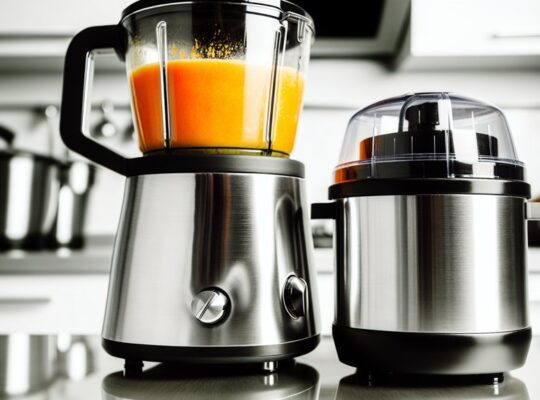
If you run a hotel, café, or catering business, you need a mixer grinder that handles heavy use without frequent breakdowns. Look for 750–1500 W motors, 1–3 L stainless steel jars, sealed gearboxes, and thermal overload protection. Prioritize easy servicing, spare availability, and a solid warranty. I’ll outline top models and how to match specs to your menu so you pick a reliable unit for daily commercial demands.
Key Takeaways
- Choose commercial-grade motors (750–1500 W) rated for long duty cycles and high torque to handle continuous hotel use.
- Match jar capacity to workload: 1–3 L for prep, 4–6 L for batch processing and larger kitchens.
- Prioritize safety features: thermal overload protection, sealed switches, grounding, and tight-fit lids to reduce hazards.
- Look for durable build: stainless-steel jars, hardened blades, sealed bearings, metal gearbox, and service-friendly modular parts.
- Verify warranty and after-sales: 1–5 year coverage, local authorized service, and easy access to spare blades, gaskets, and motors.
Why Choose a Commercial-Grade Mixer Grinder for Your Food Business
Why pick a commercial-grade mixer grinder over a consumer model? You need consistent performance under continuous use: commercial units have motors rated for longer duty cycles, higher thermal tolerance, and service-friendly designs so you won’t risk mid-shift failures. You’ll appreciate sealed switches, grounded plugs, and overload protection that reduce electrical and fire hazards. Maintenance is straightforward—replaceable bearings, accessible seals, and standardized parts cut downtime and keep hygiene standards verifiable. Noise levels and vibration are engineered for stability, lowering operator fatigue and slip hazards from spilled ingredients. Spare-part availability and supplier support mean repairs are predictable and documented for compliance audits. In short, a commercial grinder gives you reliability, safety features, and maintainability tailored to the demands of a food-service environment. Many businesses prefer models with higher wattage motors like 800–1000W for sustained heavy use and faster throughput.
Key Features to Prioritize: Power, Capacity, Durability, and Safety
How much power, how much capacity, and how tough does the unit need to be for your operation? Choose motors rated 1–2 HP (750–1500 W) for continuous commercial use; higher wattage improves performance with dense, wet ingredients. Match jar capacity to throughput: 1–3 L for prep tasks, 4–6 L for batch processing. Look for solid-state speed control and thermal overload protection to prevent motor burnout. Prioritize stainless-steel jars and hardened blades for abrasion resistance; sealed bearings and metal gearboxes extend service life. Confirm IP-rated enclosures or splash guards for wet environments. Verify safety interlocks, auto-shutoff on lid removal, and UL/CE/ISI certification where applicable. Factor in serviceability: modular parts, accessible wiring, and local spare availability to minimize downtime. Also consider choosing models with a 750W motor and multiple jars to balance power and versatility for small commercial kitchens.
Best Mixer Grinder Models for Small Cafés, Catering, and Hotel Kitchens
Looking for a reliable mixer grinder for a small café, catering gig, or hotel kitchen? Choose models with 750–1500W motors, stainless-steel jars (1–3L), and ISI/CE safety certification. For frequent wet grinding pick a 1000–1500W unit with high-torque motor, durable bearings, and an overload protector. For prep and chutneys a 750–900W machine with a 1–1.5L jar and anti-slip feet is efficient and safe. If you need multitasking, select 3-jar kits with locking lids, thermal cut-off, and detachable, sealed blades for cleaning. For heavy-duty batch work, opt for commercial-series models with reinforced gearboxes and IP-rated splash protection. Always check warranty terms, service network, and spare-parts availability to maintain safe, continuous operation. Many reliable consumer models also feature overload protection and rust-proof stainless-steel blades for durability.
How to Match a Mixer Grinder to Your Menu and Workload
Which tasks dominate your prep list will determine the motor size, jar mix, and build you should buy. If you grind wet chutneys, purees, or batter continuously, choose 750–1500 W motors with stainless-steel wet jars and secure lids to prevent splatter. For dry spice milling and fine powder, add a dedicated dry jar and look for higher RPMs and hardened blades. If you’ll process nuts, meat, or large quantities, prioritize torque over peak speed—gears or copper-wound motors resist stalling. Match jar capacities to batch sizes: 0.5–1 L for single-portion prep, 1.5–2.5 L for moderate batches, 3+ L for heavy throughput. Ensure safety features: automatic shutoff, overload protection, non-slip base, and tight-fit lids to protect staff during busy service. Also consider models with overload protection for longer motor life and safer operation.
Maintenance, Warranty, and After-Sales Support Considerations
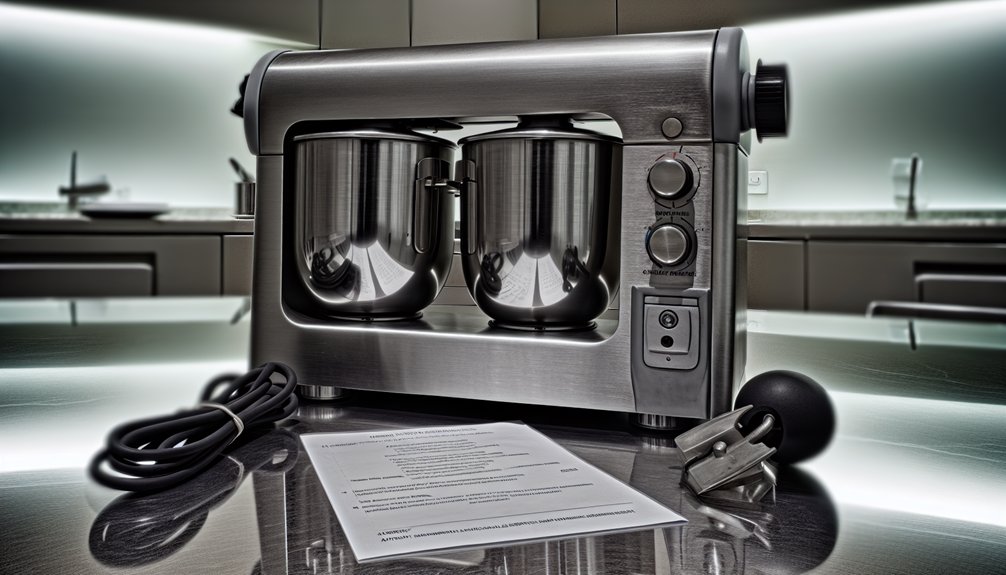
Selecting the right motor, jars, and safety features is only part of the decision—you’ll want to factor ongoing maintenance, warranty coverage, and service support into long-term operating costs and uptime. Check warranty length (minimum 1–2 years for parts, 3–5 years for motor ideal) and confirm what’s covered: motor burnout, gearbox, electrical faults, and wear items. Verify authorized service centers in your area and average response times—same-day or 48-hour service minimizes downtime. Ask about spare-part availability and lead times for blades, gaskets, and switches. Prefer models with modular components for quick field replacement and clear maintenance schedules (lubrication points, seal checks). Keep written service agreements, documented repairs, and contact escalation paths to ensure predictable, safe operation and budgeted maintenance. Consider brands with proven heavy-duty design in commercial appliances for longer life and reliability.
Frequently Asked Questions
Can a Commercial Mixer Grinder Be Used for Non-Food Tasks Like Crushing Ice?
Yes — you can use a commercial mixer grinder for crushing ice if the manufacturer specifies ice-crushing capability, it has hardened blades and adequate motor torque, and you follow safety guidelines: secured lid, short pulses, and cooling intervals to prevent damage.
How Noisy Are Commercial Mixer Grinders During Peak Kitchen Hours?
During peak hours you’ll hear moderate to high noise—typically 75–95 dB depending on motor size and load. Use ear protection, anti-vibration mounts, and acoustic enclosures; check manufacturer SPL specs to ensure safe exposure limits.
Do Mixer Grinders Require Special Electrical Wiring or Three-Phase Power?
Usually no — most mixer grinders run on single-phase 220–240V circuits, but high-capacity commercial models may need three-phase or dedicated circuits. You’ll want a qualified electrician to verify supply, proper breakers, and adequate grounding.
Are There Portable Mixer Grinder Options for Pop-Up Food Stalls?
Yes — you can get portable mixer grinders for pop-up stalls. Choose compact, single-phase units (200–500 W), with overload protection, rubber feet, IP-rated casings, detachable jars, and secure locking lids to guarantee safe, stable operation.
Can Mixer Grinders Be Rented Short-Term for Seasonal Demand?
Yes — you can rent mixer grinders short-term for seasonal demand. You’ll get specified power ratings, safety-certified models, and maintenance included; verify electrical compatibility, sanitation procedures, and short-term insurance or liability coverage before signing.