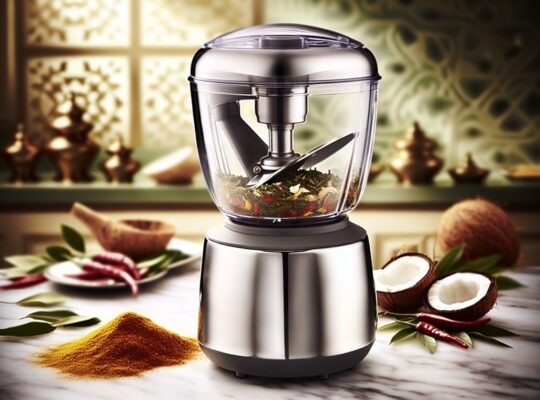
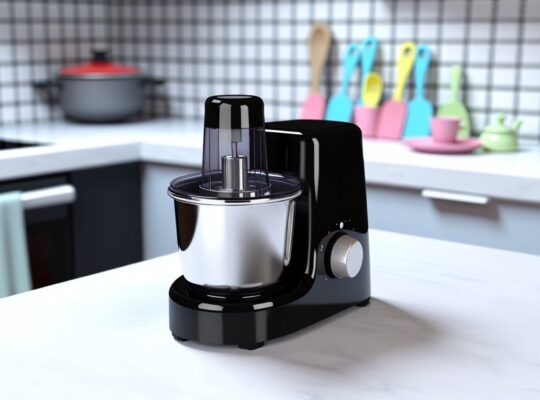
You’ll want to judge mixer grinders the way a pro does: focus first on motor power and duty cycle, then match jar sizes and blade design to the tasks you actually do. Inspect RPM ranges, heat management, safety and overload protections, and expected maintenance. Compare warranties and service reach, not just price. Keep this checklist handy—next I’ll break down each spec so you can pick the right machine.
Key Takeaways
- Prioritize motor power, duty cycle, and cooling (watts, continuous-run rating, ventilation) for intended workload and overheating risk.
- Match jar types and capacities to tasks: small for spices, medium for pastes, large for batters/smoothies.
- Check blade material and edge design (stainless/hardened alloy, serrated vs flat) for durability and task suitability.
- Verify safety features: thermal overload protection, sealed switches, lid locks, and IP or insulation ratings.
- Assess long-term value: warranty scope, replaceable parts, service network, and build-quality indicators (copper windings, stainless jars).
Why Motor Power Matters and How to Choose the Right Wattage
Why does motor power matter? You need adequate wattage to ensure safe, efficient grinding without overloading the motor. Higher watts deliver stronger torque, letting you process tough ingredients—dry spices, wet chutneys, or fibrous vegetables—at lower speeds, reducing heat buildup that can dull blades or scorch food. Evaluate typical ranges: 500–750W suits light to moderate home use; 750–1000W handles frequent, heavier tasks; above 1000W is for continuous, commercial-style workloads. Prioritize motors with overload protection, thermal cut-off, and sturdy bearings; these features prevent overheating and reduce fire or burnout risk. Consider duty cycle: short-run high-watt motors may still overheat if used continuously. Match wattage to intended use—don’t pick an underpowered unit expecting professional results. Finally, factor in build quality and ventilation design; a well-ventilated 800W unit can outperform a poorly cooled 1000W one. Also consider brand-specific durability features like stainless steel components that enhance longevity and heavy-duty use.
Jar Types, Capacities and What Each Is Best For
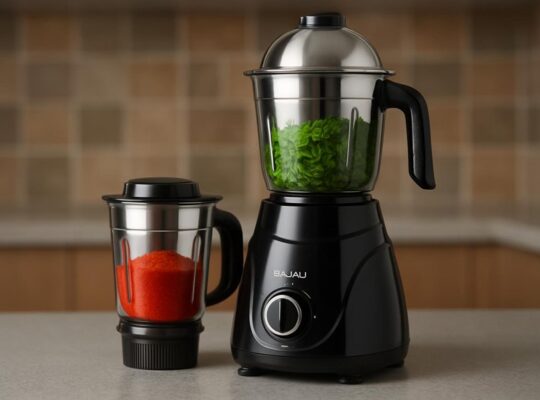
How do you pick the right jars for the tasks you actually do? Match jar type and capacity to routine jobs so you avoid overworking the motor and reduce splatter or burns. Consider material, lid seal, and intended use before you buy.
- Small (200–500 ml): for chutneys, spices, single-serve grinding; use when you need short bursts and tight lids.
- Medium (600–900 ml): for wet pastes, nut butters, small batter batches; good balance of volume and motor load.
- Large (1.2–1.8 L): for batters, smoothies, soups; choose for family portions but don’t overfill past the safe mark.
- Mill/Grain jar: designed for dry grinding of grains and pulses; use with short pulses and cool-down intervals.
- Specialty jars (whisk/chopper): for whipping, slicing, or chopping; follow recommended speeds and secure locking for safety.
Select jars that lock firmly, match motor capacity, and have clear max-fill lines to minimize risk and ensure durable, safe operation. Manufacturers like Philips often combine sturdy jars with better stability and service support for long-term use sturdy ABS shell.
Blade Materials, Design and Maintenance Tips
You’ll want to compare blade materials—stainless steel, hardened alloy, and coated options—because each balances corrosion resistance, hardness, and cost differently. Pay attention to edge design: serrated or multi-angled blades cut tougher ingredients faster while flat, razor edges suit fine purees. For longevity, clean immediately, avoid abrasive pads, and periodically check for nicks or loosening to keep performance consistent. Also consider that stainless steel blades are durable and corrosion-resistant, making them a reliable default for most users.
Blade Material Types
Which blade material suits your cooking needs depends on durability, corrosion resistance, and edge retention. You’ll compare options by considering maintenance, safety, and typical tasks: stainless steel for general use, hardened steel for tough grinding, titanium-coated for wear resistance, ceramic for non-reactivity, and carbon steel for sharpness. Choose based on frequency and ingredients.
- Stainless steel: corrosion-resistant, low maintenance, safe for acidic foods.
- Hardened/heat-treated steel: durable, resists chipping under heavy loads.
- Titanium-coated: improved wear resistance, avoid high-heat abrasion.
- Ceramic: inert and rust-proof, brittle—avoid impacts.
- Carbon steel: excellent edge retention, needs more care to prevent rust.
Inspect blades regularly, replace if chipped, and always unplug before handling to ensure safety. For heavy spice grinding and continuous use, prefer blades paired with a 750W+ motor to ensure consistent performance and reduced overheating.
Edge Design Effects
Why does edge geometry matter as much as blade material? You need both sharpness profile and bevel angle to control cut efficiency, load, and safety. A steeper primary bevel gives aggressive shear; a secondary microbevel preserves edge longer.
| Feature | Effect on Performance | Safety/Service |
|---|---|---|
| Bevel angle | Cutting force vs resistance | Lower angle = faster cut, higher risk if brittle |
| Serration | Grips fibrous items | Harder to resharpen, inspect regularly |
| Edge radius | Durability vs sharpness | Larger radius tolerates impacts, safer blunt failures |
Assess edges by intended tasks: wet grinding prefers polished, narrow edges; tough dry items need robust geometry. When choosing, prioritize balanced profiles that reduce clogging and minimize operator risk. Regular maintenance like cleaning, checking for loose components, and replacing worn seals will help keep blades performing and reduce noise.
Cleaning and Care
How often should you clean blades depends on material, coating, and what you grind: stainless steel with a food-safe polish is tolerant of frequent washing, while carbon steel or coated alloys need gentler care and immediate drying to prevent rust or coating breakdown. You should evaluate blade material, edge finish, and mounting for safe, effective maintenance. Inspect for pitting, dulling, or coating wear; replace or recondition when performance drops.
- Rinse immediately after use to remove acidic residues that accelerate corrosion.
- Use a soft brush and mild detergent; avoid abrasive pads on coated blades.
- Dry thoroughly and air briefly before reassembling to prevent trapped moisture.
- Lubricate removable shafts per manufacturer guidance to prevent seizing.
- Store blades separately or sheathed to protect edges and prevent accidents.
- For heavier-duty or frequent use, consider a higher-wattage motor like a 750W model to reduce strain on the blades and motor by completing grinding tasks faster.
RPM Explained: What Speeds Mean for Different Tasks
Curious what RPM actually changes in your daily kitchen tasks? RPM (revolutions per minute) tells you how fast blades spin and directly affects texture, time, and efficiency. Lower RPMs (under ~8,000) give controlled chopping and gentle mixing — ideal for coarse chutneys, dough kneading, and preventing splatter. Mid-range RPMs (8,000–16,000) balance speed and torque for grinding wet masalas, making pastes, and semi-smooth purees. High RPMs (above ~16,000) deliver fine grinding and smooth batters quickly but can heat ingredients; use short bursts and monitor consistency to avoid over-processing. Consider torque alongside RPM: high RPM with low torque won’t handle tough pulses well. Check manufacturer specs for no-load and loaded RPM ranges; real-world speeds drop under load. Match RPM range to typical tasks you do most often to get consistent results and reduce motor strain. Choosing the right speed profile helps you achieve desired textures while preserving appliance longevity. Higher-wattage motors generally provide greater torque and sustained power, which helps maintain blade speed under load and reduces the risk of stalling.
Safety Features to Look For and Why They Matter
Which safety features should you prioritize when choosing a mixer grinder? You’ll want features that prevent accidents, protect the motor, and keep operation predictable under typical household use. Evaluate each feature for how it reduces specific risks and how it fits your usage patterns.
- Thermal overload protection: cuts power when the motor overheats, preventing fire and motor damage.
- Auto shut-off lid lock: stops the blades if the jar isn’t secured, preventing splashes and blade exposure.
- Anti-slip base and rubber feet: minimize movement during high-speed grinding, reducing tip-over risk.
- Sealed switches and IP-rated casing: resist liquid ingress and reduce electrical shock hazards during wet tasks.
- Safety-certified components (ISI/CE/UL): indicate third-party testing for electrical safety and construction standards.
Prioritize models where multiple protections are integrated rather than optional. Check manuals and labels for ratings and reset procedures so you know how the safety systems behave in real conditions. For basic home use, a 450-watt motor is usually sufficient and helps avoid overheating during typical tasks.
Noise, Heat Management and Long-Term Durability
Wondering how noise, heat management and build quality affect daily use and the lifespan of a mixer grinder? You want a unit that’s quiet enough for early-morning use without waking the household. Check decibel ratings when available — under 80 dB is preferable for regular kitchen tasks — and look for sound-dampening features like insulated motors or rubber mounts. Heat buildup is a failure accelerator: prefer models with thermal overload protection, efficient ventilation grills and copper-wound motors that dissipate heat better than cheap aluminum windings. Evaluate duty cycle specs; continuous-run ratings tell you how long you can grind before risking thermal stress. For durability, inspect build materials — stainless steel jars, sealed bearings, and corrosion-resistant switches signal longevity. Tight engineering tolerances, replaceable gaskets and easy-access service points reduce wear-related failures. Prioritize designs that balance low noise, effective heat control and robust materials so you’re choosing a safer, longer-lasting appliance rather than a short-term bargain. Also prioritize models with reliable overload protection to prevent motor damage and thermal hazards.
Warranty, After-Sales Support and Value-for-Money Considerations
How long will that mixer grinder really be protected after you buy it? You’ll want clear answers: warranty length, parts covered, and who pays for service. Check registration requirements and whether accidental damage or motor burnout is included. Confirm service-center availability near you and average repair turnaround to avoid long downtime.
Consider these practical checkpoints:
- Warranty duration and scope (motor, jars, accessories).
- Exclusions and claim process (proof, time limits).
- Manufacturer’s service center density and authorized technicians.
- Availability and cost of replacement parts after warranty.
- Customer reviews on claim reliability and repair speed.
Evaluate price against expected lifespan and safety features: thermal cut-off, insulated wiring, secure locking. A slightly higher upfront cost can be safer and cheaper over time if it means robust support and quick, certified repairs. If service is sparse or parts are rare, even a low price isn’t good value. Choose the model that balances documented protection, accessible servicing, and predictable long-term costs. Manufacturers with larger service networks generally provide faster, more reliable on-site warranty support.
Frequently Asked Questions
Can a Grinder Handle Ice Crushing Regularly Without Damage?
Not usually — most domestic grinders aren’t built for regular ice crushing; you’ll stress blades, motor, bearings. If you’ll crush ice often, choose a model rated for ice or a dedicated ice-crushing blender and follow safety guidelines.
Are There Compatibility Standards for Replacement Jars and Blades?
Yes — manufacturers usually use proprietary mounts, so you’ll need model-specific jars and blades; some follow common bayonet or screw fittings, but always verify compatibility, material ratings, and safety certifications before fitting replacements to avoid hazards.
Do Voltage Fluctuations Affect Motor Lifespan and Performance?
Yes — voltage fluctuations shorten motor life and degrade performance. You’ll see overheating, reduced torque, humming, or burned windings. Use voltage stabilizers, surge protectors, and proper earthing to maintain safe, reliable operation and prolong motor lifespan.
Can Attachments From Other Brands Fit My Mixer Grinder?
Usually no — you shouldn’t assume cross-brand fit. Different shaft sizes, locking mechanisms, speeds and seals can cause improper engagement, leaks or motor strain. Check measurements, manufacturer compatibility lists, and prioritize OEM or certified adapters for safety.
How Do Seasonal Humidity Changes Impact Grinding Consistency?
Seasonal humidity raises moisture in ingredients and air, so your grinder clogs, forms pastes, or yields uneven particle sizes; you’ll need drier ingredients, adjusted grinding times, frequent cleaning, and cautious motor cooling to maintain safe, consistent results.