When you buy a mixer grinder you want predictable performance, not surprise repair bills, so the warranty matters more than you might think. It shifts repair risk to the maker, signals product confidence, and affects long‑term cost and service quality. But warranties differ in length, coverage, and exclusions, so knowing what’s covered and how to claim it will change how reliable your investment really is — and that’s where many buyers go wrong.
Key Takeaways
- A warranty protects you from manufacturing defects in motor, switches, and wiring for the covered period.
- Longer, clearer warranties reduce expected repair and replacement costs over the appliance’s lifetime.
- Good service networks and on-site support shorten downtime and inconvenience during repairs.
- Exclusions (drops, water damage, unauthorized repairs) can void claims, so read terms carefully.
- Proper registration, receipts, and using authorized service ensures smooth, faster warranty support.
Understanding What a Mixer Grinder Warranty Actually Covers

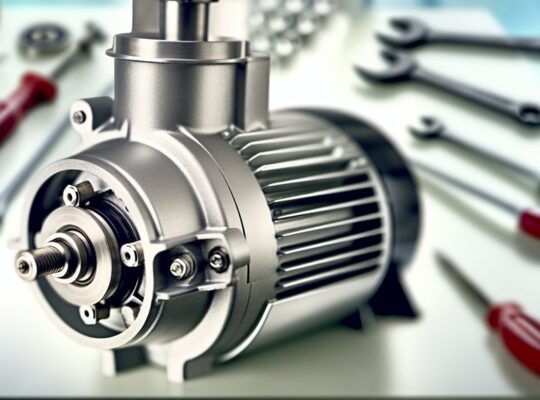
What exactly does a mixer grinder warranty cover, and why should you read the fine print before buying? You’ll find warranties typically cover manufacturing defects in motor, switches, and wiring for a specified period, and sometimes jar assembly or blades. They usually exclude damage from misuse, accidental drops, water ingress beyond intended use, or modifications. You should check whether labor, parts, pickup, or courier costs are included, and whether consumables like seals or filters are covered. Also confirm the procedure for claiming service, required documentation, and authorized service centers nearby. Knowing exclusions and claim timelines helps you avoid unsafe attempts at DIY repair and ensures prompt professional fixes, maintaining safe operation and reducing electrical or mechanical risks. Also consider the warranty length and motor protection features, since many popular models offer overload protection that can prevent motor burnout and extend appliance life.
Why Warranty Length and Terms Vary Between Brands

Why do warranty lengths and terms differ so much between mixer grinder brands? You’ll find variation because manufacturers balance risk, cost, and reputation differently. Premium brands often offer longer coverage or comprehensive terms because they trust higher-quality components and want to reassure you about safe operation. Budget makers may limit duration or exclude certain parts to keep prices low and avoid frequent claims. Service network size also matters: if a company has widespread authorized centers, it can promise broader on-site support; smaller networks restrict terms. Regulatory compliance, regional supply chains, and documented failure rates shape fine print too. When choosing, read exclusions, required maintenance, and claim procedures so you’re protected and can use the appliance safely. Some models, like the AmazonBasics Premium 750 Watt Mixer Grinder, also include features such as motor overload protection that can affect warranty considerations and long-term reliability.
How Warranty Impacts Long-Term Cost of Ownership
Because a warranty changes what you’ll actually pay over the appliance’s life, it’s one of the clearest levers for lowering long-term ownership cost. You’ll save on repair bills and part replacements when coverage includes critical components like motor and electronics. Longer or more comprehensive warranties reduce your expected annual cost by shifting risk from you to the manufacturer, so calculate projected repair frequency against warranty length. Consider service availability and claim turnaround: prolonged downtime can carry indirect costs and safety concerns if you’re tempted to use a damaged unit. Also factor in any required maintenance to keep the warranty valid; neglected upkeep can void coverage and increase lifetime expense. Quantifying warranty value helps you compare models on true total cost, not just purchase price. For high-use households, a 1000 watt mixer grinder with a reliable heavy-duty motor can significantly cut repair frequency and expected lifetime expense.
Common Warranty Exclusions and How to Avoid Surprises
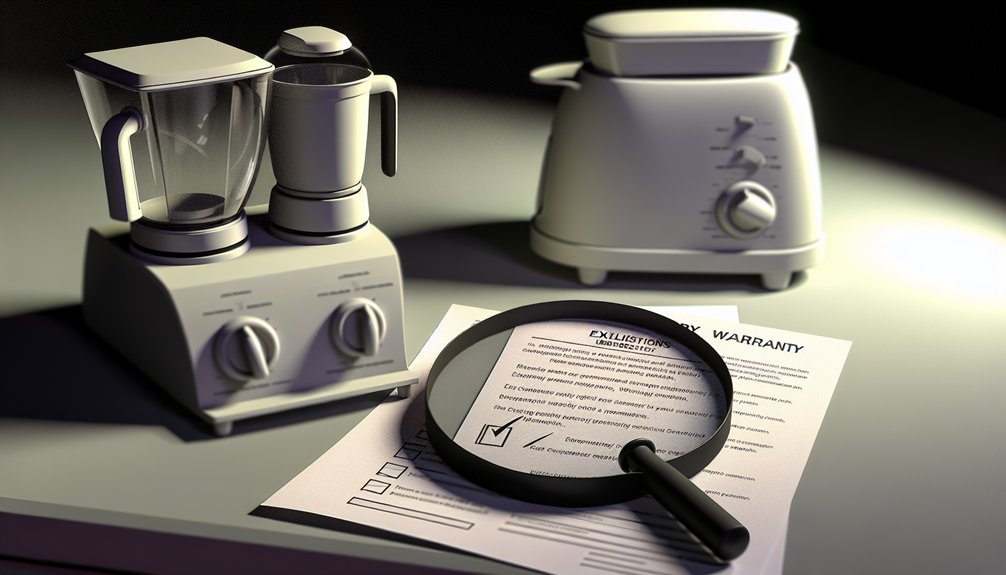
Having a generous warranty lowers your expected lifetime cost, but it won’t protect you from every problem — manufacturers commonly exclude specific failures and situations that can leave you paying out of pocket. You should scan exclusions so you’re not surprised when a claim is denied. Common exclusions include:
- Physical damage from drops, dents, or cracked jars.
- Water damage or corrosion from improper cleaning.
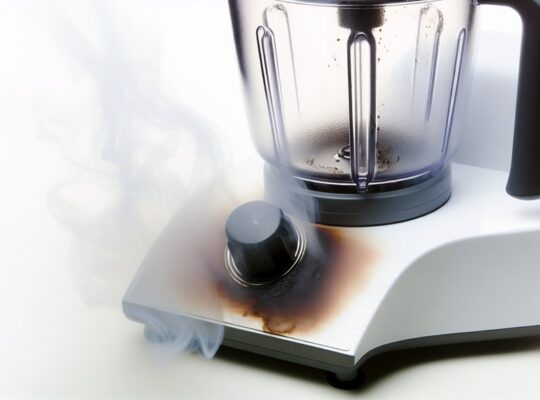
- Motor burnouts from overloading or continuous heavy use.
- Unauthorized repairs, aftermarket parts, or non-approved accessories.
To avoid surprises, keep receipts, follow maintenance guidelines, use recommended jars and blades, and never run the grinder beyond its duty cycle. If a clause seems vague, ask the seller for clarification in writing so safety and coverage are clear before purchase. Many wet grinders come with features like stainless steel drums that can affect durability and warranty considerations, so check the product specifications against the warranty terms.
How to Verify and Use Your Warranty Effectively
How do you make sure that the warranty you’re counting on actually protects you? First, read the full warranty document when you buy the mixer grinder; note coverage duration, parts, labor, and exclusions. Register the product immediately if required—keep the receipt, serial number, and registration confirmation in a safe place. Photograph the appliance and packaging on arrival to document condition.
If an issue arises, contact authorized service centers only; they’ll validate warranty claims and keep repair records. Ask for written estimates and timelines, and request original or equivalent replacement parts. Keep a chronological log of communications, service attempts, and returned items. If a claim is denied, escalate to the manufacturer’s customer relations with evidence, and know your consumer-rights options before pursuing further action. Also verify the stated warranty duration and motor coverage to confirm whether the product includes a 2-year or 5-year motor warranty as noted by the manufacturer.
Frequently Asked Questions
Can Warranty Be Transferred if I Sell the Mixer Grinder?
Often yes, but it depends on the manufacturer and warranty terms. You’ll need the original receipt, register the transfer if required, and ensure no voiding conditions apply; check documentation or contact customer service before selling.
Does Extended Warranty Cover Accidental Damage?
Sometimes — extended warranties can cover accidental damage, but they often exclude drops or liquid spills unless you buy accidental-coverage specifically. You’ll want to read terms carefully, check exclusions, deductibles, and claim procedures before purchasing.
Are Consumables Like Blades Covered Under Warranty?
Usually they’re excluded: you’ll find blades, jars, seals and other consumables aren’t covered under standard warranties. Check terms for wear-and-tear clauses, optional service plans, or paid replacements to guarantee safe, reliable operation.
Will Warranty Be Voided if Repaired Locally?
Usually, yes — getting a mixer grinder repaired locally can void the warranty unless the manufacturer authorizes the service. You should check terms, use authorized centers, keep receipts, and avoid unauthorized part replacements to stay covered.
How Do Warranties Differ for Online Vs In-Store Purchases?
Online and in-store warranties often match legally, but you’ll see differences: online purchases may require seller verification, digital receipts, or retailer-specific return windows, while stores offer immediate proof, face-to-face service, and sometimes extended in-person support.