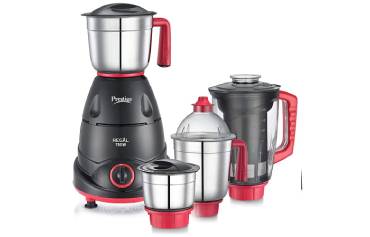
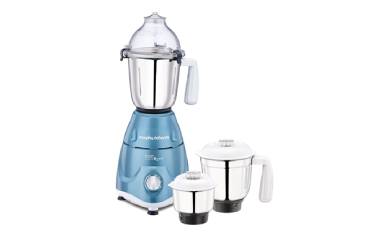
I’ve compared Philips, Bajaj, and Prestige mixers under ₹3000 with a focus on motor reliability, jar quality, and daily-use performance. Philips HL7505/00 stands out for sturdy build, safety lock, and a dependable service network. Bajaj offers a tough frame and consistent grinding, while Prestige brings decent plastic rigidity and smooth operation. I’ll break down power, blade design, noise, and maintenance, then weigh warranty and value to pick the smartest buy—here’s where it gets interesting.
Key Takeaways
- Under ₹3000, aim for 500–750W motors, 2–3 stainless-steel jars (0.3–1.5L), overload protection, and shock-proof ABS bodies.
- Philips offers sturdier build, better stability, and cleaner cord routing; ideal for consistent performance and safety.
- Bajaj provides solid value with generous ventilation and simple layouts, but service responsiveness can lag in smaller towns.
- Prestige has smooth controls and softer motor tuning, decent plastics, but mixed feedback on warranty claim speed.
- Top pick: Philips HL7505/00 for reliable motor, sturdy jars, thermal protection, and strong service network.
Key Specs and What Matters Under ₹3000
While the price cap limits premium frills, the essentials still matter: motor power (500–750W for daily Indian cooking), durable stainless steel jars (at least 2–3 with lids that lock well), sturdy couplers, and overload protection. I also look for shock-proof ABS bodies, non-slip feet, and a cord winder to keep the counter tidy and safe. Pulse control and a clear 3-speed knob help manage heat and texture.
For jars, I prefer at least one multipurpose 1–1.5L jar and a chutney jar around 300–500ml. Flow breakers inside jars improve grinding consistency. I check for food-grade, BPA-free lids and handles with a firm grip. Thermal cut-off, auto-reset, and ventilation slots reduce burnout risk. Finally, I want accessible service networks and easily replaceable blades. Models like Bajaj include motor overload protection and energy-efficient designs that reduce power consumption while maintaining robust performance.
Philips Vs Bajaj Vs Prestige: Build and Motor Performance
Those core specs set the baseline; now the brand-to-brand differences show up in build and motor tuning. I find Philips uses thicker ABS shells, tighter panel fit, and rubberized feet that resist walking at high RPM. Their 500–750W motors feel well-balanced, with thermal cut-off acting promptly under overload. Bajaj emphasizes sturdy frames and simple, repair-friendly layouts; housings are lighter but vents are generous, helping cooling. Their motors spin up fast, though they transmit a bit more vibration, so I keep the unit on a firm, dry surface.
Prestige sits between the two: decent plastic rigidity, good paint, and smooth speed knobs. Motor tuning is slightly softer on start, reducing inrush shocks and lid jump. All three include overload protection; Philips and Prestige add better cord routing and strain relief for safer daily use. As a point of comparison, Usha’s lineup often highlights 100% copper motors, high torque, and multi-jar versatility with long motor warranties.
Jar Design, Blades, and Real-World Grinding Tests
Jars decide how versatile a mixer feels day to day, so I look at capacity mix (0.3–0.5L chutney, ~1L dry, 1.2–1.5L wet), wall thickness, and lid seal quality. I prefer stainless-steel jars with sturdy handles, non-reactive interiors, and gaskets that lock without forcing. Flow-breakers help vortex formation and prevent hot spots.
Blade design matters: four-wing wet blades for batters and purees, two-wing flat blades for dry masalas, and curved chutney blades for fine pastes. I check for 304-grade steel and tight coupler engagement to prevent slippage.
In testing, I run 50 g garam masala, 200 g soaked urad-dal, and coconut chutney. I time to smoothness, watch particle uniformity, and feel jar warmth—consistent grind, minimal heating, and no leaks win. Also consider safety features like overload protection, which prevent motor damage and ensure the mixer doesn’t operate unless jars are securely locked.
Safety, Noise, Power Efficiency, and Maintenance
Safety first: I look for overload protection that cuts power on stall, shock-proof ABS bodies, anti-slip feet, and lids with locking or double-lip gaskets to prevent splatter. I also check jar locks that click firmly, a gasket that seats evenly, and a cord with strain relief. A clear max-fill mark helps avoid hot spills during wet grinding.
On noise, I prefer models under ~80 dB at medium speed, balanced jars that reduce vibration, and rubber feet that keep the unit steady. For power efficiency, I look for 500–750W motors with copper windings, well-matched jar sizes, and pulse control to limit run time and heat.
Maintenance stays simple: wide-mouth jars, detachable blades, dishwasher-safe lids, and easy-wipe housings. I clean immediately to prevent residue hardening.
For added value under this budget, consider models with overload protection and stainless-steel jars, as highlighted in several options like Prestige Iris and Butterfly Smart.
Warranty, Service Network, Value for Money, and Top Pick
While specs matter, I weigh warranty and service just as heavily because downtime kills value. Philips typically offers 2-year product coverage with widespread service centers, easy part availability, and predictable turnaround. Bajaj matches the 2-year warranty on most models and has strong metro presence, though smaller towns may see slower service. Prestige often provides 2-year coverage too, with decent reach but mixed feedback on claim speed.
Value for money hinges on motor reliability, jar durability, and after-sales responsiveness. I factor in cost of jars, couplers, and bearings—common wear items—and the ease of getting genuine spares. Notably, Philips’ 750W models feature Turbo motor technology and durable ABS builds, which can improve long-term performance and reduce service visits compared to lower-powered units.
Top pick: Philips HL7505/00 (or equivalent under ₹3000). It balances safety features, sturdy jars, stable performance, and the most dependable service network, minimizing risk and long-term ownership costs.
Frequently Asked Questions
Which Mixer Grinders Are Best for Small Indian Kitchens and Storage Constraints?
For small Indian kitchens, I’d pick compact 500–750W models with 2–3 jars, sturdy lids, slip-resistant feet, and overload protection. You’ll appreciate stackable jars, cord winders, and under-cabinet fit. Prioritize stainless steel jars and easy-clean, BPA-free plastics.
Are There Models Compatible With Inverter or Solar Power Setups?
Yes—look for 500–750W, energy‑efficient motors labeled inverter‑friendly, wide voltage (180–240V), and low inrush current. I’d pick models with overload protection, surge suppression, and pure‑sine compatibility; verify wattage with your inverter/solar capacity and manufacturer guidance before purchase.
Do These Brands Offer Bpa-Free, Food-Grade Plastics Across All Jars?
No, not across all jars. I’ve found Philips, Bajaj, and Prestige typically use BPA‑free, food‑grade plastics for most lids and plastic jars, but models vary. I’d verify product pages or manuals and prioritize stainless‑steel jars.
How Do These Mixers Handle Making Nut Butters and Nut Milks?
They can make nut butters and milks, but I recommend small batches and short pulses to prevent overheating. I watch motor wattage (500–750W), use sturdy jars, add gradual liquid, rest between runs, and monitor temperatures for safety.
Are Spare Jars, Lids, and Couplers Easily Available Online Under ₹500?
Yes. I can usually find compatible jars, lids, and couplers online under ₹500. I check official stores first, then verified sellers. I confirm model numbers, food-safe materials, return policies, and reviews to avoid counterfeit or unsafe parts.