When shopping for a mixer grinder in 2026, you’ll want to match wattage, motor type and RPM to the tasks you cook for, not just the flashy peak watts. Compare jar materials, blade metallurgy and safety features like overload cutouts and lid locks. Check service coverage and realistic warranty terms against noise and maintenance needs — there are tradeoffs you should know before you pick a model.
Key Takeaways
- Choose motor wattage and type: 500–750W for regular use, 750–1200W for heavy jobs; prefer BLDC or robust induction motors.
- Verify rated (continuous) wattage, overload/thermal protection, and a minimum two-year motor warranty.
- Ensure multiple speed settings, tactile control or pulse mode, and stable torque without speed slip under load.
- Check jar materials, seal quality, replaceable blades, and standardized fittings for easy maintenance and safety.
- Confirm safety certifications (CE/UL/BIS), noise/vibration reduction, service network, and genuine spare parts availability.
Power and Motor Type: Match Wattage and Motor Design to Your Cooking Needs
Wondering how much power you really need? You’ll match wattage to tasks: 500–750W handles everyday wet grinding and chutneys; 750–1200W is better for heavy-duty grinding, dry masalas, and frequent use. Consider motor type—single-phase induction motors offer durability and thermal stability; BLDC motors are compact, energy-efficient, and run cooler with better overload protection. Compare peak vs. rated wattage; peak handles short spikes but rated determines continuous performance. Look for safety features: thermal cut-off, overload protector, and proper ventilation to prevent overheating. Check RPM ranges and torque—higher torque at lower RPMs is safer for tough ingredients. Choose a motor-wattage combo that balances capacity, duty cycle, and protective features to minimize risk and prolong lifespan. Many trusted brands, like WonderChef Glory models, include advanced air ventilation and overload protection for motor longevity.
Jar Types and Materials: Choose Jars for Durability and Food Safety
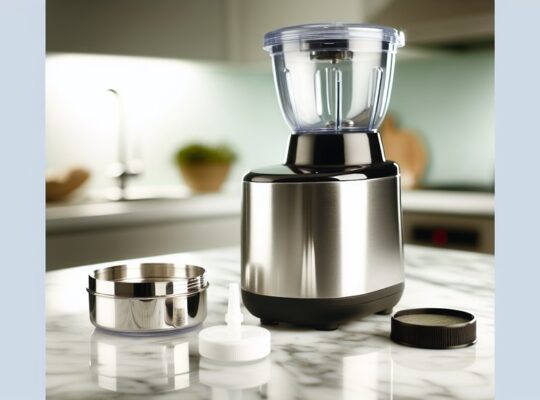
After you’ve matched motor power and protection to your usage, the jars you pick will determine how well that capability gets used and how long the machine stays safe and hygienic. Choose jar materials by weighing durability, chemical inertness, weight, and thermal tolerance. Stainless steel resists impact, won’t leach, and suits hot grinding, but opaque walls prevent visual checks. Polycarbonate or BPA-free plastics are lightweight and transparent but inspect ratings for food-grade certification and scratch resistance; scratched plastic can harbor bacteria. Glass offers complete inertness and visibility, yet it’s heavier and shatters under strong impact. Check sealing systems and gasket materials—food-grade silicone is preferable to generic rubber. Match jar size and wall thickness to intended tasks; thin-walled jars flex and wear faster. Prioritize certified, replaceable jars for long-term safety. Stainless steel jars also offer superior longevity and resistance to heat and scratching compared with common plastics, making them a better choice for heavy or hot-duty use and repeated sanitation stainless grades.
Blade Quality and Replaceability: Look for Hardened, Corrosion‑Resistant Blades
How durable and corrosion‑resistant are the blades—because that’s what determines cutting efficiency and service life. You should prefer hardened stainless steel (e.g., 420/440 variants or high‑grade martensitic alloys) with heat treatment for edge retention. Corrosion resistance matters if you process acidic ingredients; choose blades with passivation or surface coatings like DLC or chromium plating to resist pitting.
Compare blade geometries: multi‑angle, serrated, and conical designs perform differently on wet versus dry loads; pick based on typical use. Check replaceability: modular blade assemblies with secure seals let you swap damaged edges without replacing the jar. Inspect mounting interfaces for standardized fittings and rubber gaskets to maintain safety and prevent leaks. Prioritize certified materials and available spare parts to maximize safe, long‑term operation. Wider mouths and tapered jar shapes also improve ingredient flow and grinding efficiency jar shape.
Speed Settings and Control Modes: Ensure Variable Speeds and Pulse Functions
Why choose a mixer grinder with only one speed when variable controls and pulse are standard? You want precise torque and RPM range to match tasks: low rpm for gentle blending, mid for purees, high for grinding. Look for clearly marked speed steps or a continuous variable dial with tactile feedback so you can adjust without looking. Pulse mode is essential for controlled bursts—useful for coarse chopping and preventing overheating. Compare motor response time, minimum and maximum RPM, and whether settings reset after power loss (safety consideration). Check for lock‑off and overload protection integrated with controls. Avoid units where speed slips under load or where pulse is a timed electronic approximation rather than direct motor control. Regular maintenance like cleaning and checking for worn components helps prevent noise and performance loss.
Noise Level and Vibration Dampening: Check Decibel Ratings and Build Stability
Wondering how loud your new mixer grinder will be during everyday use? You should compare rated decibel (dB) levels—models under 75 dB are noticeably quieter; those above 85 dB can be disruptive and increase hearing risk with prolonged use. Check measured noise at typical loads (wet grinding vs dry) rather than idle ratings. Evaluate vibration dampening: rubber feet, isolated motor mounts, and balanced blades reduce amplitude and cabinet resonance. A heavier, rigid housing transmits less vibration than thin plastic. Compare manufacturer specs and independent tests for quantitative dB and vibration amplitude (mm/s or g). Prioritize units with lower dB and proven dampening to minimize startle, fatigue, and countertop movement, keeping operation safer and more comfortable for daily use. Also consider models with thermal cutoffs or electronic current sensing that can reduce motor strain and interrupt operation if vibration and load indicate overheating.
Safety Features and Certifications: Verify Locks, Overload Protection, and Compliance
Which safety features should you insist on before buying a mixer grinder? You’ll want a robust lid-lock mechanism that prevents operation unless jars are secured—compare mechanical interlocks versus electronic sensors; mechanical is simpler, electronic can fail with moisture. Ensure thermal overload protection with auto-shutdown and manual reset; models with temperature-sensing cutoffs react faster than simple current fuses. Look for motor housings with double insulation and Class II marking to reduce shock risk. Verify non-slip feet and splash-resistant switches to limit accidental displacement and ingress. Check certifications: CE, UL, BIS (or your region’s equivalent) and declared conformity to IEC safety standards. Demand clear warranty terms covering electrical faults. Prioritize units whose safety systems are independently tested and documented. Also inspect cords, plugs, and socket grounding for proper earthing before use.
Energy Efficiency and Labeling: Review Consumption, Ratings, and Inverter Compatibility
When you compare mixer grinders, focus first on actual power draw (watts) under typical load rather than just rated motor power, since efficiency determines real energy use and running cost; look for lab-measured input vs. output curves or stated energy consumption per minute of blending at common settings. You’ll prefer models that convert more electrical input into mechanical torque with less heat loss—this lowers bills and reduces thermal stress on components. Check standardized energy labels, real-world test reports, and inverter compatibility if you run on backup power. Inverter-friendly units have lower startup surge and steady torque at reduced voltage. Visualize operational differences:
- A high-efficiency motor running cool during prolonged chutney grinding.
- A low-surge unit starting smoothly on inverter power.
- A labeled model with verified consumption data.
Also consider models with a 750W copper motor and overload protection for better efficiency and durability.
Smart Features and Connectivity: Consider App Control, Voice Assistants, and Firmware Updates
How much value do smart features add to a mixer grinder you’ll actually use? You’ll want secure app control, reliable voice-assistant integration, and firmware-update support that improve safety and function without adding attack surface. Compare latency, permission scopes, and OTA rollback options. Prefer encrypted communication, local-only controls for critical functions, and clear update logs. Evaluate whether remote start/monitoring actually reduces risk or creates it. Below is a compact comparison to guide trade-offs.
| Feature | Safety/Utility |
|---|---|
| App control | Remote monitoring; require encrypted auth |
| Voice assistants | Hands-free; risk of accidental activation |
| Firmware updates | Fixes/patches; need secure signing |
| Local control only | Highest safety; limited remote convenience |
Choose models where safety defaults (local override, lockout) are explicit and verifiable. A model with a 5-year motor warranty can reduce long-term ownership risk and may justify choosing a more feature-rich unit.
Ease of Cleaning and Maintenance: Assess Detachable Parts and Dishwasher Safety
Want a grinder you’ll actually keep using? You need one that’s quick to disassemble, safe to clean, and resilient to routine maintenance. Prioritize models with tool-free detachable jars, sealed motor housings, and stainless components that resist corrosion. Dishwasher-safe labels matter—check top-rack ratings and temperature limits. Compare latch designs: press-and-twist locks reduce wear versus threaded fittings. Inspect blade assemblies for removable seals so you can clean food traps without damaging bearings. For safety, ensure electrical contacts are isolated and gaskets are replaceable.
- A press-fit jar release that clicks firmly, preventing slips when you lift wet parts.
- A blade hub with a removable seal to access trapped debris without tools.
- A heat-resistant, dishwasher-safe jar marked for top-rack use only.
- Perform a quick test run with a small amount of liquid to check for leaks or seal issues before regular use.
Warranty, Service Network, and Spare Parts Availability: Confirm Coverage and Local Support
Good maintenance and easy cleaning won’t help much if you can’t get a faulty unit repaired quickly or parts replaced affordably. Check warranty length, type (limited vs. comprehensive), and what components are covered—motor, jars, blades, and electrical faults. Prefer at least a two-year motor warranty and clear terms for accidental damage and burnouts. Compare manufacturers’ authorized service center density in your city; closer centers reduce downtime and safety risks from improvised fixes. Verify genuine spare parts availability and catalog pricing; aftermarket parts may compromise safety and void warranty. Ask about turnaround times, technician certifications, and whether in-home service is offered for electrical repairs. Document all warranty papers and keep service contacts; prompt, authorized repairs maintain performance and reduce hazard. Also consider whether the warranty includes on-site support and which costs (labor, parts, pickup) are covered.
Price, Value Add‑Ons, and Long‑Term Reliability: Weigh Accessories, Brand Track Record, and Projected Lifespan
Don’t judge a mixer by sticker price alone; compare total cost including replacement blades, jars, and future service visits. Check which accessories are bundled versus sold separately so you can quantify immediate value. Then estimate expected lifespan from motor specs and brand track record to calculate cost-per-year and risk of early replacement.
Compare Total Cost
How much will this mixer grinder really cost you over five years? You’ll compare upfront price, predictable repairs, and residual safety risks. Calculate total cost of ownership: purchase price + average annual maintenance + expected part replacement + energy use. Weight brand track record for reliability and documented safety recalls; a safer, durable model often lowers lifetime expense.
- Visualize: a low-cost unit requiring yearly service and one major motor replacement.
- Visualize: a mid-range model with extended warranty, fewer repairs, stable voltage protection.
- Visualize: a premium model with long lifespan, certified safety features, minimal downtime.
Choose the option with the lowest expected five-year expenditure per safe operating hour rather than the lowest sticker price.
Assess Included Accessories
What comes in the box matters as much as the motor rating: evaluate each accessory for immediate utility, real-world durability, and replacement cost over time. You should list included jars, blades, lids, seals, augers, and any specialty attachments — note materials (stainless steel grade, BPA-free plastics), machining tolerances, and fit tolerances. Compare weight, gasket design, and locking mechanisms against known failure modes (seal creep, blade wobble, lid fractures). Check whether spares are sold separately and typical lead times; factor replacement cost into total ownership. Prefer modular parts that match standardized fittings. Verify manufacturer warranty covers accessories and follow safe-use limits (max RPM, thermal ratings). Prioritize accessories with clear maintenance guidance and easy, tool-free replacement.
Estimate Expected Lifespan
Curious how long a mixer grinder will actually last and whether the price you pay reflects real longevity? You’ll estimate lifespan by comparing build materials, motor spec, warranty, and brand reliability data. Higher-grade alloys, copper windings, and sealed bearings predict longer service; lightweight plastics and generic motors suggest shorter useful life. Check warranty terms for parts vs motor coverage and documented service-center reachability for safety-critical repairs.
- visual: robust metal housing, heavy motor base, secure lid locks
- tactile: solid knob action, minimal vibration, tight jar fittings
- time-based: expected years under typical daily use, mean time between failures
Quantify expected years (3–10+), factor maintenance frequency, and prioritize proven service networks for safe, long-term operation.
Frequently Asked Questions
Can a Mixer Grinder Handle Heavy Dough Kneading Regularly?
No — you shouldn’t use a mixer grinder for regular heavy dough kneading; it’s not designed for sustained torque. Instead, choose a dedicated stand mixer or dough maker with specified motor power, safety interlocks, and overload protection for reliability.
Are Replacement Jars and Blades Backward Compatible Across Models?
Usually not universally; you’ll find compatibility varies by model, brand, and release year. Always compare shaft fittings, lock mechanisms, jar rim dimensions, and blade hubs, and verify manufacturer cross-reference lists or certified aftermarket specs before buying replacements.
How to Reduce Noise Without Voiding Warranty Modifications?
You can reduce noise without voiding warranty by using anti-vibration mats, tightening mounts, balancing jars, choosing lower RPM settings, isolating the appliance from cabinets, and using manufacturer-approved accessories; don’t open the motor housing or alter electrical components.
Will Altitude or Voltage Fluctuations Affect Performance?
Yes — altitude and voltage fluctuations can affect performance. You’ll see reduced cooling and motor efficiency at high altitude, and voltage drops or spikes can cause overheating, tripping, or shortened motor life. Use stabilizers or rated appliances.
Are There Food‑Grade Certifications for Plastic and Rubber Parts?
Yes — you should check for food‑grade certifications: look for FDA, EU (Regulation 10/2011), LFGB, or NSF ratings; silicone or ABS parts often carry these. Choose certified materials to minimize migration, odors, and contamination risks.