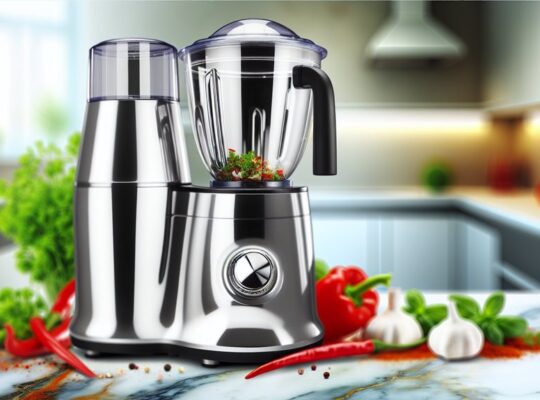
You’ll find a mixer grinder can change how you prep food, doing more than just chopping — it’s about speed, texture and aroma. Imagine toasty nuts turning glossy, stale bread reborn as coarse crumbs, or herbs smoothed into bright, fragrant pastes with just a few pulses. Keep things chilled, measure first, and scrape the bowl, and you’ll get consistent, silky results every time — but there’s a simple trick that ties it all together.
Key Takeaways
- Pulse nuts or bread in short bursts to make fresh nut butter or breadcrumbs without overheating the motor.
- Use low-speed short pulses and rest periods to knead small doughs until smooth and slightly springy.
- Emulsify dressings by adding oil slowly while pulsing to create glossy, stable vinaigrettes.
- Pulse semi-frozen fruit with a splash of lemon and chilled dairy for quick, creamy frozen desserts.
- Blend herbs into pastes in small batches, then seal with a thin oil layer for bright, long-lasting storage.
Quick Homemade Nut Butter in Minutes
Making nut butter in your mixer grinder is fast, hands-on, and surprisingly rewarding — you’ll smell toasted nuts transforming into creamy spread within minutes. You’ll toast nuts lightly on the stove or oven until fragrant and slightly browned, then let them cool so they don’t damage the motor. Pulse in the grinder, scraping down the sides periodically, and add a teaspoon of neutral oil if the mixture seems dry. Listen for the shift from grainy to smooth; that’s your cue to stop. Work on short bursts to avoid overheating and secure the lid tightly before each run. Store the finished butter in a sterile jar in the fridge, labeling it with date and ingredients for safety. For reliable performance and to reduce strain on the motor during this task, consider using a grinder with good thermal cut-off protection and sturdy jars.
Revive Stale Bread Into Fresh Crumbs
If you’ve got a loaf past its prime, don’t toss it — a mixer grinder can turn dry, crusty bread into fresh breadcrumbs in minutes. Tear or cut the bread into manageable chunks, remove any moldy bits, and let them air briefly so they aren’t damp. Work in small batches to avoid overloading the jar; pulse in short bursts until you reach your preferred texture — coarse for topping, fine for binding. Stop and shake the jar between pulses to prevent overheating and uneven grinding. Transfer crumbs to a shallow tray to cool completely; warm crumbs can clump. Store in an airtight container in the fridge for a week or freeze for longer. Clean the jar immediately, watching blades carefully. Use short pulses with 1–2 seconds rest between bursts to control texture and prevent overheating.
Smooth Salad Dressings and Marinades
You can whip up silky salad dressings in seconds by using the mixer grinder to emulsify oil and vinegar into a glossy, clingy sauce. Crush herbs into fragrant, vibrant pastes that fold smoothly into marinades, releasing bright, green aromatics. For creamy vinaigrettes, blitz in mustard and yogurt or mayo until the texture is velvety and no oil streaks remain. The mixer’s power and speed—such as a 750W motor running near 18,000–19,000 RPM—help achieve perfectly smooth emulsions quickly.
Emulsify Dressings Quickly
Ever wondered how to get a velvety, fully blended dressing in seconds instead of shaking a jar until your arm aches? You pop ingredients into the mixer grinder—oil, vinegar or citrus, a touch of mustard or yolk, salt, and aromatics—and watch a glossy emulsion form. You’ll hear the motor’s steady hum, see the ribbon of oil thicken, and smell bright citrus lift the mixture. Keep speed moderate, pulse to control heat, and secure the lid to stay safe. Clean blades and dry jars prevent slipping and contamination. Small additions of oil while grinding stabilize the emulsion. Remember to cool jar surfaces and handle blades carefully when transferring. For heavier or larger batches, choose a higher-wattage unit to maintain torque and speed under load 750W models.
- Measure ingredients first
- Warm liquids slightly if cold
- Add oil slowly
- Pulse, don’t overheat
- Clean and secure parts before use
Make Smooth Herb Pastes
After you’ve mastered silky dressings, your mixer grinder becomes the fastest route to vibrant herb pastes that cling to salads, meats, and grains. You’ll toss basil, cilantro, or parsley with garlic, lemon zest, and a splash of oil; the blades release bright aromas and smooth texture in seconds. Pulse rather than run continuously to control heat and preserve color; stop and scrape the bowl to ensure even blending. Use a small jar or chutney bowl attachment for compact batches and a tamper to keep ingredients near the blades. Taste and season cautiously—salt, acid, and oil balance freshness. Store pastes in an airtight container with a thin oil layer on top to prevent discoloration and reduce contamination risk. After blending, rinse and dry jars promptly and store them with the lid off to prevent moisture buildup and odors, which helps prolong the life of seals and blades and keeps flavors fresh; see post-wash maintenance.
Blend Creamy Vinaigrettes
How do you turn a simple vinaigrette into a velvety, clingy dressing with almost no elbow grease? You use your mixer grinder to emulsify oil and acid into a silky, safe dressing that coats leaves and soaks into protein. Work in short pulses, secure the lid, and watch textures change from oily to creamy.
- Use a stable oil for smooth mouthfeel
- Add mustard or yolk to stabilize the emulsion
- Start with room-temperature ingredients for safety and consistency
- Pulse then run briefly to avoid overheating
- Strain if you want an ultra-silky finish
Taste, adjust salt and acid, chill promptly in a sealed container, and label with date. Clean the jar and blades carefully after use. A durable stainless steel blade will give more consistent results and is easier to maintain.
Small-Batch Dough and Batter Mixing
When you need just enough batter or dough, your mixer grinder can give an even, gentle mix that won’t overwork gluten or smash air out of batters. Use short pulses to control texture—a few taps for tender pancakes, longer, rhythmic pulses for a shaggy biscuit dough. For tiny kneads, feel the change in tackiness and stop while the dough still springs back slightly so finishes by hand are minimal. Always ensure the appliance is unplugged and checked for damage before servicing or adjusting the blade assembly to stay safe and prevent accidents involving the drive shaft.
Even, Gentle Mixing
Want a tender cake crumb or a light, pliable dough without overworking it? You’ll rely on even, gentle mixing to coax ingredients together without activating too much gluten. With a mixer grinder’s low-speed setting and a paddle or whisk attachment, you’ll feel the batter smooth and the dough come together softly. Keep tactile awareness: stop when streaks disappear, not earlier or later. Clean, dry bowl and chilled butter help control temperature and safety.
- Use low speed to fold ingredients gradually.
- Scrape sides frequently to avoid pockets.
- Short intervals prevent heat buildup.
- Watch texture, not time, for doneness.
- Unplug before changing attachments or cleaning.
Consider using a 750-watt mixer grinder with overload protection for reliable, consistent low-speed performance and durability, especially in larger kitchens or small businesses 750-watt Turbo motor.
Pulse-Controlled Texture
Curious how a few quick pulses can change a batter or small dough from shaggy to silky? You’ll feel the difference: coarse crumbs collapsing into a smoother, cohesive mass under controlled bursts. Use short pulses — one to two seconds — and inspect between bursts so you don’t overwork gluten or overheat ingredients. For batters, stop when streaks of flour vanish; for scone or biscuit dough, preserve pea-sized bits of butter for flakiness. Keep the jar dry, secure the lid, and unplug before scraping down sides. A chilled bowl and cold butter reduce sticking and temperature rise. Smell and touch will tell you if it’s ready: cool, slightly tacky, and homogenous without being gummy. Pulsing cuts time and protects texture. Check for loose components before use to avoid rattling or damage.
Small-Scale Kneading
While a full stand mixer might seem overkill for small batches, a mixer grinder excels at gentle, efficient kneading if you know how to control it: you’ll feel the dough transform under short bursts as gluten develops, the surface smoothing while still retaining the slight resistance that signals tenderness rather than toughness. You’ll work with small quantities—pizza bases, scones, or batter—so safety and timing matter: use low speed, short pulses, and a spatula to prevent overheating or splashing. The aroma of warm flour and yeast will guide you; stop when the dough springs back lightly. Clean blades and a dry jar keep things sanitary and extend motor life. Many users prefer models with advanced air ventilation to protect the motor during frequent short-burst kneading.
- Use low speed, 5–10 second pulses
- Scrape sides between bursts
- Avoid overhydrating the mix
- Let dough rest 10–15 minutes
- Cool motor between batches
Creamy Hummus and Bean Dips
How do you get velvety, restaurant‑quality hummus or a silky white bean dip with minimal fuss? You’ll start by draining beans well, reserving some liquid for texture control. Add chickpeas or cannellini beans, a splash of lemon, tahini or olive oil, garlic, and a pinch of salt to the mixer grinder. Pulse gently, scraping the bowl between bursts to ensure even puréeing without overheating the motor or scorching the paste. Aim for short pulses and check texture often; add reserved liquid until smooth and glossy. Taste and adjust seasoning. Cool the dip promptly and refrigerate in a sealed container to prevent bacterial growth. Serve with a drizzle of oil, toasted cumin, or chopped parsley for contrast.
Fast Grinding of Spices and Seeds
Want your spices to smell like they were ground this morning? You can, safely and quickly, with a mixer grinder. Use short pulses, keep lids secure, and cool metal jars between batches so aromas stay bright and blades don’t overheat. Handle whole seeds and dried chilies with care—use gloves if needed and avoid inhaling dust.
- Toast small batches first for deeper aroma
- Pulse in 1–2 second bursts to control texture
- Use a sieve to separate coarse bits and regrind
- Label jars promptly to preserve freshness
- Clean jars and blades immediately to prevent cross-flavor
Your senses will reward you: warm, nutty cumin, citrusy coriander, spicy heat—all released in moments while you keep safety front and center.
Make Fresh Fruit Sorbets and Ice Cream Bases
Ever wished you could turn a basket of ripe fruit into silky sorbet or a creamy ice cream base in minutes? You can: pick firm, ripe fruit, wash and pit as needed, then chop into even pieces and freeze on a tray. When semi-frozen, pulse fruit in the mixer grinder with a splash of lemon juice and a little sugar or honey to taste; scrape down the sides and blend until velvety. For richer ice cream, mix in chilled cream or full-fat yogurt and a touch of vanilla, keeping speeds low to avoid overheating. Always use the grinder’s sealed jar and short bursts to prevent motor strain. Transfer immediately to a freezer-safe container to set; label with date for safety.
Whip Pancake and Crepe Batters Uniformly
Often you’ll get lighter, more consistent pancakes and crepes by letting your mixer grinder do the early work: combine your dry ingredients, add the wet ones in a thin stream, and pulse on low until the batter is smooth and free of lumps. You’ll feel the batter thicken gently; the hum is reassuring. Keep the lid secure, stop to scrape sides with a silicone spatula, and avoid overwhipping. Use a sieve first for safety against hidden clumps.
- Measure ingredients precisely for predictable texture.
- Pour wet slowly to prevent splashes and overmixing.
- Pulse short bursts; you’ll hear when it’s cohesive.
- Scrape and rest batter to settle air and hydrate flour.
- Clean blades and lid immediately, unplugged, to prevent accidents.
Cook on a hot, lightly buttered pan and enjoy uniform browning.
Frequently Asked Questions
Can a Mixer Grinder Replace a Food Processor Entirely?
Not entirely — you can do many tasks like blending, grinding, and pureeing, but you’ll miss consistent slicing, shredding, and dough handling; stay cautious with overloads, sharp blades, and hot ingredients to avoid burns or motor damage.
How Do I Prevent Overheating During Prolonged Use?
You prevent overheating by pulsing and resting the motor regularly, feeling the base for warmth, keeping blades sharp and jars properly sealed, cleaning vents, using the right jar size and load, and unplugging if it gets unusually hot.
Are There Safety Tips for Cleaning Sharp Blades?
Yes — you should unplug and detach the jar, wear cut-resistant gloves, rinse blades under running water carefully, scrub with a soft brush away from edges, dry immediately with a towel, and store blades sheathed to avoid nicks.
Can I Grind Wet and Dry Ingredients Together?
Yes — but you shouldn’t mix too much water with powders; wet grinding releases aromas and feels smooth, while dry bits can clog. You’ll hear resistance, smell freshness, and should stop, clean, and secure blades for safety.
What Warranty Issues Arise From Heavy Kitchen Use?
You’ll void warranties by overloading, running continuously, using unapproved attachments or grinding unsuitable materials; manufacturers’ll cite wear, motor burnout, and blade damage. Keep usage within specs, document maintenance, and avoid unauthorized repairs to stay covered.