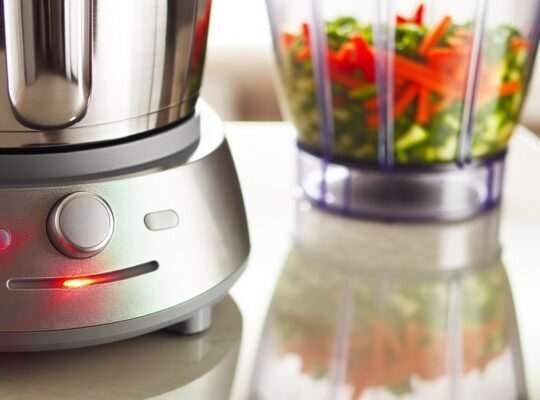
You shouldn’t put certain items into a mixer grinder because they can damage the machine or be unsafe for you. Think hard bones, whole joints, large ice blocks, very fibrous stems, sticky jaggery, and contaminated pulses — each poses specific risks like blade breakage, motor overload, bearing stress, or flying fragments. Be cautious and selective about what you process, and keep going to learn exactly which foods to avoid and why.
Key Takeaways
- Do not grind whole hard bones or large joints — use professional equipment to avoid blade damage and flying fragments.
- Avoid whole ice blocks or large ice cubes; they can chip blades, jam the motor, and cause catastrophic failure.
- Never process boiling or very hot liquids in the grinder; steam pressure can force lids off and cause scalding.
- Skip very fibrous stems (celery, banana stalks) and long fibers that wrap blades and strain the motor.
- Avoid bulk oilseeds, large dry nuts, sticky jaggery or syrupy masses that overheat, clog seals, and shorten appliance life.
Whole Hard Bones and Large Animal Joints
Why would you try grinding whole hard bones or large animal joints in a mixer grinder? You shouldn’t — doing so risks blade damage, motor overload, and flying bone fragments. Hard cortical bone transmits impact forces that tools designed for soft foods aren’t built to absorb; manufacturer guidance and technician reports note stripped gears and seized motors after such misuse. Bone shards create a laceration and choking hazard, and microscopic splinters can contaminate food. If you need ground bone for pet food or culinary stocks, use a commercial bone crusher, a butcher’s saw, or have a professional process it; these methods control fragment size and contain debris. Always unplug the appliance, consult the manual, and prioritize specialized equipment over makeshift grinding. Mixer grinders are designed for soft food processing and lack the metal drive strength and thermal protection needed for crushing bone.
Very Fibrous Vegetables and Stems
How will your mixer grinder cope with very fibrous vegetables and tough stems like celery, asparagus, or banana plant stalks? You’ll find these fibers resist shearing: long strands wrap around blades, strain the motor, and blunt edges faster than softer produce. Tests and manufacturer guidance show repeated grinding of stringy stalks increases heat, causes imbalance, and can trip overload protection. To stay safe, cut stems into short lengths, remove the toughest outer fibers, and pulse with small batches and added liquid to reduce friction. If you hear unusual vibration, stop immediately and clear tangled fibers—don’t run the unit until blades are inspected. For regular heavy fibrous work, use specialized equipment designed for coarse chopping rather than a household mixer grinder. High-wattage models like 750-watt motors handle short bursts of fibrous material better but still require caution.
Sticky Syrups, Jaggery, and Plastic-Like Sugars
You shouldn’t put sticky syrups, jaggery, or hard, plastic-like sugars into your mixer grinder because they leave residue that clogs blades and seals. That buildup forces the motor to work harder, raising the risk of overheating or tripping safety cutouts. Over time the abrasive action and strain will dull blades and shorten the appliance’s lifespan. Choose jars and blades suited to heavy tasks, such as stainless steel blades, to reduce wear and improve durability.
Sticky Residues Clog Blades
Ever wondered why sticky syrups, jaggery, and hard, plastic-like sugars are a bad idea for your mixer grinder? They leave viscous films and solidified deposits on blades and inside the jar that reduce cutting efficiency and create imbalanced loads. Sticky residues adhere to metal and seals, trapping particles that promote microbial growth and odor if not removed immediately. You’ll need aggressive cleaning—soaking, scraping, sometimes boiling water—to restore performance, which increases wear on seals and blade mounts. Residue buildup also raises the chance of corrosion in stainless components when sugars react with moisture over time. For safety, avoid grinding these substances; instead dissolve them in liquid where appropriate or use manual tools designed for candy and syrup handling to prevent damage and contamination. Always follow safe maintenance practices like unplugging and inspecting the jar and blades before cleaning or replacement to avoid injury and equipment damage, particularly checking blade assembly and seals.
Overheating Motor Risk
Sticky residues don’t just foul blades — they make the motor work harder. When you grind sticky syrups, jaggery, or sugar that behaves like plastic, viscous material adheres to the chamber and rotor, increasing friction and load. That elevated load raises current draw and operating temperature; repeated overheating shortens motor insulation life and can trip thermal protectors. Laboratory and manufacturer guidance indicate motors tolerate short bursts but not sustained high torque from adhesive loads. To reduce risk, avoid processing highly viscous sweeteners in a domestic mixer grinder. If you must, use small batches, add neutral diluents (water or oil) to reduce viscosity, and allow cooling intervals. Inspect for residue after each use and run the appliance empty for a short cool-down cycle. Food processors, with their overload protection, and larger motor capacities are generally better suited for heavier prep and reduce the chance of tripping thermal cutoffs.
Blade Dulling and Strain
Frequently, grinding viscous syrups, jaggery, or sugar that behaves like plastic will accelerate blade wear and force the motor to work harder than intended. You should avoid using a mixer grinder for these items because their sticky, cohesive texture clogs blade edges, abrades metal surfaces, and creates uneven loading. Studies and manufacturer guidance indicate abrasive or adhesive materials reduce cutting efficiency and increase current draw, raising overheating and failure risk. If you must process small amounts, soften jaggery with warm water first, use pulse settings, and avoid prolonged runs. Regularly inspect blades for nicks and test motor strain by monitoring unusual sounds or heat. Prioritize care: treating sticky sugars outside the grinder or using specialized equipment preserves blade life and prevents motor damage. Sujata’s stainless steel construction can help withstand heavy use but still requires cautious handling to avoid long-term wear from sticky substances, so consider stainless steel components when choosing a model.
Whole Ice Cubes and Frozen Blocks
Why would you put whole ice cubes or frozen blocks in a mixer grinder? You shouldn’t. Hard frozen mass can chip or bend blades, stress bearings and motor mounts, and cause sudden jamming. Manufacturers design grinders for softer, room-temperature foods; ice transmits impact forces that exceed intended tolerances. Even with metal jars, repeated strikes create microfractures that propagate into catastrophic failure. If ice must be processed, let it temper until edges give under slight pressure, or use a blender specified for crushing ice. Always secure the lid, work in short pulses, and stop immediately if you hear grinding knocks or motor strain. Ignoring these precautions risks appliance damage and flying shards; prioritize equipment specs and safety over convenience to avoid injury and costly repairs. Ensure proper ventilation and avoid prolonged duty cycles to reduce motor overheating and equipment stress.
Hot Liquids and Boiling Contents
Ever wondered what happens if you put hot liquids or boiling contents in a mixer grinder? You shouldn’t. Rapid expansion of steam can build pressure inside the sealed jar, forcing the lid off and causing scalding splashes or burns. Thermal stress also risks warping plastic lids and damaging gaskets or jar seals, compromising safety and appliance lifespan. Motors and bearings can be strained by sudden temperature differentials, increasing failure risk. If you need to process hot food, let it cool to a safe, warm temperature and transfer to a vessel designed for hot liquids. Use heat-resistant, vented equipment when pureeing warm soups, and always follow the manufacturer’s temperature guidance to minimize burn and equipment hazards. Wet grinders are preferable for batter preparation because their slow-rotating stone action preserves batter aeration and avoids overheating.
Oilseeds and Large Dry Nuts in Bulk
If you try to grind large quantities of oilseeds or big dry nuts at once, the motor can overheat from prolonged load and cause thermal shutdown or permanent damage. The hard, oily kernels also place extra stress on blades and jars, increasing the risk of chips, warping, or loosening of fittings. Finally, bulk processing often yields uneven particle sizes and clumping as oil is released, so you’ll get pastes in some areas and coarse pieces in others. For heavier or bulk grinding tasks, consider a higher-wattage motor with better thermal design to reduce heat buildup and improve durability.
Risk of Overheating
How hot can your mixer get when you try to process oilseeds or large dry nuts in bulk? You’ll elevate motor temperature quickly because high oil and hard particle loads increase friction and current draw. In tests and manufacturer guidance, extended runs above rated duty cycles raise internal temps to levels that trip thermal cutouts or degrade insulation. You may not notice heat until performance drops, so limit batch size, pulse rather than run continuously, and allow cooling intervals recommended in the manual. Use short runs and monitor the appliance exterior; temperatures above hand-warm suggest stress. If you smell burning or see smoke, stop immediately and disconnect. Prioritize conservative operation—reducing load and duty cycle lowers overheating risk and extends safe service life. Many users prefer Philips higher wattage models for tougher jobs because their motors and safety features help manage heat better.
Blade and Jar Damage
High temperatures aren’t the only risk when you grind oilseeds or large dry nuts in bulk—blade and jar damage is common and can happen even before thermal cutouts engage. When you force dense, oily material against blades, the sudden high torque can bend or dull stainless-steel edges, loosening blade assemblies. Repeated impact and friction generate microcracks in jars, especially at the base and around fittings; those cracks can propagate under stress, creating failure points. Rubber seals and couplings also wear prematurely from viscous residue and abrasive particulates. To reduce risk, limit batch size, pulse rather than run continuously, and inspect blades, seals, and jars after heavy use. If you see warping, chips, or hairline fractures, stop using the unit and replace damaged components before further operation.
Uneven Grinding/Clumping
Why does a batch of sesame or whole almonds sometimes come out as a paste with gritty chunks instead of a uniform powder? Grinding oilseeds and large dry nuts in bulk creates uneven particle sizes because friction generates heat, releasing oils that bind fine particles into clumps while larger pieces remain intact. Your grinder’s small bowl and high-speed blades aren’t designed for prolonged dry milling; motor overload and uneven airflow worsen agglomeration. To reduce clumping, pulse in short bursts, work in small quantities, and allow cooling intervals. Consider a dedicated heavy-duty mill or use a commercial-grade food processor with a metal blade and wider bowl for large volumes. Always unplug before clearing jams, and avoid filling past half capacity to maintain safe, consistent results.
Stones, Pebbles, and Contaminated Pulses
Ever found a hard clump or heard a sharp crunch while grinding pulses? If you have, you likely encountered stones, pebbles, or contaminated pulses. You shouldn’t grind legumes without careful inspection and rinsing: small stones can fracture blades, damage the jar, and eject shards. Studies and manufacturer guidance show metal fatigue and misalignment result from repeated impacts. Always sort pulses on a flat tray under good light, soak and rinse to dislodge grit, and use a strainer to catch heavy debris. If you suspect contamination, discard the batch or hand-pick foreign matter; do not rely on the grinder as a safety filter. Routine visual checks and gentle test pulses protect both you and your appliance.
Fibrous Coconut Pieces and Mature Husk Bits
After checking pulses for grit, you should also be careful with fibrous coconut pieces and mature husk bits. They’re tough, stringy, and can jam blades or overheat the motor. If you grind them you’ll risk blade dulling, motor strain, and uneven particle size that can clog vents.
- Long fibrous strands wrapping around the shaft
- Hard brown husk fragments resisting shearing
- Coarse pieces causing high torque spikes
- Moist fibers creating compacted paste
Don’t force large husk bits; pre-cut or use a dedicated heavy-duty grinder. If you must process small amounts, dry and chip them finely, then pulse in short bursts with cooling intervals. Always unplug, inspect blades for entanglement, and follow manufacturer capacity and maintenance guidelines for safe operation.
Frequently Asked Questions
Can You Grind Cooked Meat Bones for Pet Food?
You shouldn’t grind cooked meat bones in a mixer grinder; they’ll splinter, dull blades, and risk feeding hazardous shards to pets. Instead, consult a vet and use a bone crusher or grind raw bones safely under professional guidance.
Will Grinding Spices Affect Flavor or Potency?
Yes — grinding spices will change their flavor and potency: you’ll release volatile oils, increasing aroma but accelerating loss of freshness, so grind only what’s needed, store airtight, and use promptly to preserve safety and optimal strength.
Can I Use the Grinder for Wet Chutneys Daily?
You can, but don’t overuse it: daily wet chutneys are fine if you clean, dry, and inspect seals after each use, avoid prolonged motor strain, and replace worn parts; follow manufacturer maintenance and avoid non-recommended ingredients.
How Often Should Blades Be Professionally Sharpened?
You should have blades professionally sharpened every 6–12 months, depending on frequency and load; if you grind abrasive or hard items often, sharpen closer to 6 months. Inspect performance and balance; don’t wait until damage appears.
Is It Safe to Blend Oily Seeds With Dry Ingredients?
Yes — you can, but you shouldn’t. Oily seeds can clog screens, gum blades, and reduce grinder life; pulse small batches, add dry bulking agents, and clean promptly to avoid residue buildup and overheating.