If you’re picking a mixer grinder, you’ll want to know how wattage, load, and run time affect real electricity use. Ratings like 500–750 W tell you peak input, not continuous draw, and short high-torque bursts or overfilled jars spike consumption. Small choices—motor type, duty cycle, pulse use—change costs noticeably, so understanding those trade-offs helps you balance performance and bills; here’s what to consider next.
Key Takeaways
- Typical domestic mixer grinders range 300–1,000 W; rating is peak input, not continuous draw.
- High-power tasks (wet grinding hard ingredients, heavy dry grinding) cause the largest power spikes.
- Convert watts to kW (W ÷ 1,000) and multiply by hours used to get kWh per task.
- Short bursts, pulse mode, and matching load to capacity reduce energy draw and motor strain.
- Clean blades, avoid overfilling, and use lower speeds or pre-cut ingredients to cut run time and consumption.
Typical Wattage Ranges for Domestic Mixer Grinders
Wondering how much power your mixer grinder actually needs? You’ll typically see domestic models rated between 300 W and 1000 W. Low-power units (300–500 W) suit light tasks: grinding soft spices, making pastes, or small chutneys; they draw less current and run cooler. Mid-range models (500–750 W) handle regular household jobs—wet grinding, blending, larger batches—without frequent overloads. High-power units (750–1000 W) tackle tougher ingredients and longer runs but demand proper wiring, grounded sockets, and thermal protection. Ratings indicate maximum input, not continuous draw; duty cycles and motor efficiency matter. For safety, match capacity to typical use, avoid prolonged heavy loads on low-rated motors, and ensure circuit protection to prevent overheating or electrical hazards. Many good models under ₹3000 still offer features like overload protection that improve safety and durability.
Which Functions and Settings Consume the Most Power
Which mixer-grinder functions draw the most power? You’ll find peak consumption when motors work hardest: high-speed wet grinding, heavy-duty dry grinding, and prolonged blending under load. Use these settings cautiously to avoid overheating and excessive current draw.
- High-speed wet grinding (hard ingredients)
- Heavy dry grinding (spices, grains)
- Prolonged continuous operation (over several minutes)
- Pulse or turbo modes under load
- Overfilled jars causing motor strain
You should expect short bursts of elevated wattage for tough tasks and sustained high draw when you’re overworking the appliance. To stay safe, run heavy tasks in controlled intervals, avoid overfilling, and let the motor cool between cycles. Regular maintenance—cleaning vents and checking blades—reduces strain and lowers peak power demand. Many popular models feature 750W motors that balance performance and energy use for common household tasks.
Calculating Real-World Energy Use and Cost Per Use
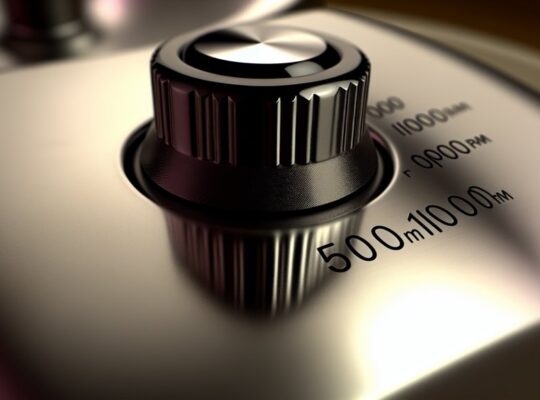
How much energy does your mixer-grinder actually use in everyday cooking? Start by timing typical tasks: grinding, blending, and pulsing. Note the appliance’s wattage rating (on its label) and convert to kilowatts (watts ÷ 1,000). Multiply kilowatts by hours used to get kilowatt-hours (kWh) per task. Sum tasks per day for daily kWh, then multiply by your electricity rate to get cost per day. For safety, always power off and unplug before timing or inspecting. Record representative cycles over several uses to average variations. Track monthly kWh and cost to identify changes or faults. This measured approach gives precise, actionable data for budgeting and safe operation without guesswork. Consider also noting the mixer-grinder’s motor wattage and typical RPM ranges to better estimate performance and energy needs.
Efficiency Factors: Motor Type, Load, and Duty Cycle
Measuring actual kWh and cost tells you what your mixer-grinder is using, but what determines that use is the motor type, the load you put on it, and the duty cycle you run it through. You should know that motor efficiency varies: induction motors handle continuous loads better, while universal motors spike at startup. Loading affects current draw—overloading increases heat and wear, underloading may be inefficient at low torque. Duty cycle (run time vs rest) governs thermal limits; frequent short bursts differ from long continuous use. For safe operation, respect rated capacities and cooling periods to avoid insulation breakdown or fire risk.
- Motor design: efficiency curve and startup draw
- Load size: matched to jar capacity
- Material hardness: torque demand
- Run duration: thermal buildup
- Ventilation: cooling effectiveness
Many modern silent mixer grinders feature 750-watt motors that balance power and noise for typical household tasks.
Practical Tips to Lower Mixer Grinder Electricity Consumption
Want to cut your mixer-grinder’s energy use without sacrificing performance? Start by matching load to capacity: avoid underfilling or overloading the jar, since incorrect loads increase runtime and motor strain. Use pulse or short bursts for tough tasks to reduce continuous high-power draw. Clean blades and vents regularly—dust and food residue raise friction and heat, lowering efficiency. Choose lower-speed settings when coarse chopping suffices; high speeds consume exponentially more power. Batch similar tasks to minimize start-stop cycles and pre-cut large items to reduce grinding time. Ensure tight lids and secure fittings to prevent vibration losses. Finally, follow manufacturer maintenance schedules and replace worn brushes or belts promptly to maintain safe, efficient operation. Models with a 750-watt motor provide greater efficiency for larger families or small businesses and can reduce total runtime when used appropriately.
Frequently Asked Questions
Can a Mixer Grinder Damage My Home’s Electrical Wiring?
Yes — it can, if your wiring’s undersized, overloaded, or degraded; faulty wiring or poor grounding raise fire and shock risks. You should inspect circuits, use proper-rated outlets, avoid prolonged heavy loads, and get a qualified electrician to assess.
Are Inverter-Compatible Mixers More Energy-Efficient?
Yes — inverter-compatible mixers generally use power more efficiently, since they maintain stable operation at lower voltages and avoid frequent motor restarts; you’ll see reduced energy draw and less stress on wiring, enhancing safety and reliability.
How Does Voltage Fluctuation Affect Grinder Power Consumption?
Voltage fluctuations change grinder power draw: when voltage drops, current rises, heating increases and motor may stall; when voltage surges, insulation and electronics can be damaged. You should use stabilizers or inverters to protect and maintain efficiency.
Do Jar Material and Blade Design Influence Electricity Use?
Yes — jar material and blade design affect electricity use: heavier jars and dull or inefficient blade profiles force the motor to work harder, drawing more current; you’ll save energy with lightweight jars and sharp, aerodynamic blade designs.
Can Regular Maintenance Extend a Mixer’s Energy Efficiency?
Yes — if you maintain seals, blades, bearings, and vents, your motor won’t strain as much and will stay efficient; you’ll use less electricity, reduce overheating risk, and extend safe, reliable operation with routine inspections and lubrication.