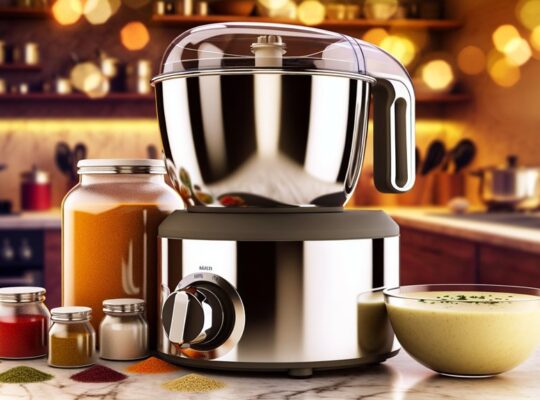
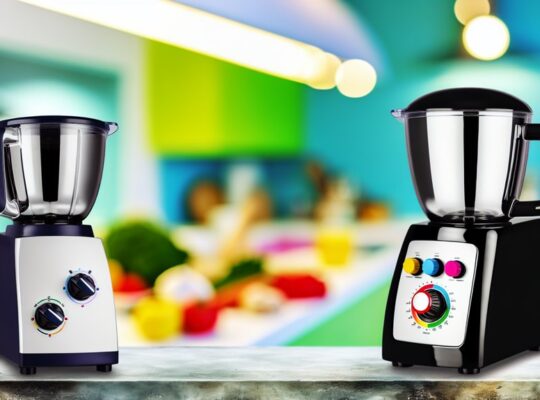
If you’re picking a Bosch mixer grinder, you’ll want to weigh power, jars, and safety features against your day-to-day needs. Compare motor wattage for heavy grinding, check jar types for versatile use, and make sure the model has solid overload protection and secure lids. Think about noise, maintenance, and warranty too — and there’s one more buying tip that often makes the difference.
Key Takeaways
- Choose motor wattage based on use: 500–600W for light tasks, 750W for family use, 900–1000W for heavy grinding.
- Prefer models with thermal cut-off and overload protection to prevent motor damage and improve safety.
- Match jar types and capacities (liquid, wet, dry) to recipes; stainless-steel jars are durable and heat-resistant.
- Check blade quality, sealed bearings, secure lid locks, and anti-slip feet for longevity and safe operation.
- Buy from authorized dealers with clear warranty, service network, and replaceable standardized parts for faster repairs.
Why Choose a Bosch Mixer Grinder?
Why pick a Bosch mixer grinder over other brands? You’ll find Bosch emphasizes build quality and safety features that reduce risk during daily use. Compared with many alternatives, its durable housing and secure lid locks lower the chance of spills or accidents. You’ll appreciate clear safety labels, thermal overload protection, and non-slip feet that keep the unit stable while you work. Service networks and standardized parts mean repairs are often quicker and safer than with lesser-known brands. Noise levels are generally controlled, so you won’t have startling surprises that could cause mishandling. Controls are straightforward and less likely to be misused in hurried moments. While price can be higher, you’re buying consistent safety-focused engineering rather than cutting corners. If you prioritize a user-friendly, reliable appliance with protective features and better after-sales support, Bosch is a practical, safety-minded choice that helps you minimize hazards in the kitchen. Many users also value Bosch’s ergonomic design which aids compact storage and everyday convenience.
Understanding Motor Power and Performance
Having covered Bosch’s safety and build advantages, let’s look at motor power — it’s the single biggest factor that determines how well your grinder handles tough tasks. You’ll want to compare wattage: higher watts give more torque, so dry grinding and wet blending stay consistent without overheating. Bosch models often range from 500W to 1000W; choose based on frequency and ingredients. If you grind small batches or soft items, a lower-watt motor saves energy. For fibrous roots, large spice loads, or regular heavy use, pick a higher-watt model to reduce stress and motor strain.
Also check rated power versus peak power and whether Bosch includes overload protection or thermal cut-off — those features protect you and the appliance. Look for clear duty-cycle guidance (how long you can run before resting) and warranty terms on the motor. That way you’re choosing performance that’s powerful, reliable, and safe for your kitchen routines. Newer models with overload protection can automatically shut off and reset to prevent motor burnout and improve long-term reliability.
Jar Types and Capacities Explained
Wondering which jar combo fits your kitchen best? You’ll usually see three main jar types: liquid/juicing, multipurpose wet grinding, and dry grinding. The liquid/juicer jar (1–1.5 L) handles smoothies, batters, and soups—pick a larger size if you batch-cook. The wet-grind jar (0.5–1 L) is for chutneys and purees; it’s shaped to keep ingredients near the blades for efficient, safe processing. The dry-grind jar (0.2–0.5 L) is smaller and ideal for spices, coffee, and nuts; because particles fly more, ensure lids seal tightly and use pulse to avoid overheating. Compare stainless-steel versus translucent jars: steel is durable and hygienic, while see-through jars let you monitor consistency without opening. Check lid locks, rubber gaskets, and secure coupling to prevent leaks and accidents. Match jar material and capacity to your typical portions, and choose combos that let you prep safely without overfilling or forcing repeated small batches. For heavier grinding tasks and longer duty cycles, consider pairing jars with a higher-power motor to protect the unit and improve performance 750W capability.
Speed Settings and Control Options
How do you choose the right speed and controls for your cooking needs? You’ll want clear, accessible controls so you can match texture and volume quickly. Bosch models vary: simple two-speed toggles for basic grinding, multi-speed dials for sauces and batters, and pulse functions for coarse chopping. Choose a model with a smooth dial if you need gradual control; pick defined steps for repeatable results. Pulse is essential when you don’t want over-processing. Digital displays add precision but aren’t necessary for everyday use. Consider user-friendly layout and tactile buttons that reduce slips when hands are wet. For Indian cooking, prefer controls that offer pulse function and stable RPM for fine chutneys and batters.
| Control Type | Best For |
|---|---|
| 2-speed toggle | Quick grinding, small jobs |
| Multi-speed dial | Versatile textures, batter |
| Pulse function | Coarse chopping, safety stops |
| Digital/LED | Precise timing, repeatability |
Match controls to your regular recipes and handling comfort so you can operate confidently and minimize mistakes.
Key Safety and Build Features to Look for
Why should safety and build matter as much as performance? You want a grinder that’s reliable and protects you while delivering power. Compare models for sturdy, heat-resistant housings (ABS or metal), because a stable body reduces warping and electrical risk. Look for a good lid-lock or interlock system so the motor won’t run unless jars are secure. Overload protection and auto-shutoff matter — they prevent motor burnout and reduce fire risk when you push capacity.
Pick units with anti-skid feet and low center-of-gravity designs; they keep the unit steady on wet or cluttered counters. Check for properly insulated cords, strain relief at the outlet, and accessible, sealed switches that resist liquid ingress. Sealed bearings and stainless-steel blades resist corrosion and cut maintenance needs. Finally, certification marks (ISI, CE) and a clear warranty show the manufacturer stands behind safety and build quality, making your choice smarter and safer. Also, understanding common warranty exclusions and following registration and authorized-service procedures helps you avoid surprise repair costs and maintain coverage.
Noise Levels and Vibration Management
Along with solid construction and protective features, noise and vibration determine how comfortable your kitchen experience will be — loud, rattling grinders might be safe and powerful, but they’ll annoy you and risk loosening mounts or jars over time. You should compare models by decibel ratings when available; lower dB means less disturbance and a calmer workspace. Look for machines with balanced motors, anti-vibration mounts, rubber feet and well-fitted lids — these reduce movement and the chance of jar loosening or spillage. Metal gearboxes and quality bearings typically vibrate less than cheaper alternatives. If you cook near living areas or have children or elderly at home, prioritize quieter units even if they cost a bit more; reduced vibration also lowers long-term wear and maintenance needs. Test or watch demo videos to judge real-world noise and feel for vibration transmission through countertops. Choosing a grinder with controlled noise and minimal vibration enhances safety, comfort and appliance longevity. Stainless steel jars are durable and reduce long-term maintenance compared with plastic alternatives.
Essential Accessories and Attachments
You’ll want to compare jar types — stainless steel for grinding, glass for wet mixes, and plastic for light use — to match recipes and durability needs. Pick blade varieties based on task: serrated for tough grinding, flat for blending, and multipurpose for everyday use. Keep accessories lasting longer by cleaning blades and jars promptly, drying thoroughly, and replacing worn seals and lids. Choose a mixer grinder with thermal protection to prevent motor overheating during heavy use.
Jar Types Explained
When you pick a Bosch mixer grinder, the jars you get will shape what you can do with it—wet grinding, dry grinding, chutneys, or juicing—so it’s worth comparing their sizes, materials, and blade designs to match your cooking habits. Choose a stainless-steel wet jar for batter and soups—it’s durable and easy to clean. A smaller chutney jar gives finer textures and safer control for small batches. Dry jars are taller, with finer lids to prevent dust; they’re best for spices and grains. Some models include a transparent juice jar for liquids so you can monitor consistency. Check jar locks, gasket quality, and heat resistance; a secure fit and food-grade materials reduce splash, leaks, and contamination. Pick what fits your routine and safety standards. Also consider a 750-watt motor for high grinding efficiency when you need consistent performance for larger batches.
Blade Varieties Overview
Wondering which blade does what? You’ll find three main types: chopping, grinding, and whipping. Chopping blades have short, angled edges for herbs, vegetables and mild wet masalas; they cut quickly with minimal splatter. Grinding blades are heavier, bowl-shaped or flat, designed for dry spices, nuts and coarse pastes; they tolerate pressure but run at lower speeds to avoid overheating. Whipping or emulsifying blades are lighter and curved, made for batters, creams and smoothies; they keep air in without overworking motors. Compare materials: stainless steel resists rust and is safest for acidic foods; hardened steel lasts longer but needs careful handling. Always secure lids, fit blades correctly and unplug before changing them to prevent accidents and protect your appliance. For best results in Indian kitchens, pair blades with a 750W copper motor that offers overload protection and multiple speed settings.
Accessory Maintenance Tips
How often should you clean and inspect your Bosch attachments? You should wipe and inspect after every use and deep-clean weekly. Compare wear visually: nicks, loosened fittings, or discolored seals mean replacement. You’ll extend life by drying fully, using mild detergent, and avoiding abrasives that dull blades or corrode fasteners. Lubricate spindle joints lightly if manual recommends it, and tighten coupling rings to prevent wobble. Store lids and jars separately to avoid cracks. Philips models under ₹3000 also highlight the importance of sturdy shells and reliable motor protection for long-term safety and performance.
| Component | Care tip |
|---|---|
| Blades | Dry immediately; check edges |
| Jars | Avoid thermal shock |
| Lids | Inspect seals |
| Couplings | Tighten, replace if worn |
| Grinders | Clean sieves, no metal tools |
Always follow Bosch safety instructions and replace damaged parts promptly to avoid injury.
Maintenance, Cleaning, and Warranty Considerations
Want your Bosch mixer grinder to last and perform reliably? Clean jars and blades after every use—wash detachable parts with warm soapy water and dry thoroughly to prevent rust and odors. Wipe the motor housing with a damp cloth; never immerse it. Compare cleaning frequency: heavy use needs weekly deep-cleaning (remove seals, wash lids) while occasional use needs monthly checks. Inspect gaskets, blades, and couplings for wear; replace worn seals promptly to avoid leaks and motor strain. Use only Bosch-recommended accessories to preserve fit and safety; generic parts may void warranty. Store jars inverted to keep seals dry and keep vents clear of dust to avoid overheating. For safety, always unplug before cleaning, disassembling, or replacing parts. Register your appliance and retain proof of purchase—warranty terms vary by model and region and typically cover manufacturing defects but not misuse. If you notice unusual noise, burning smells, or performance drops, stop using it and contact Bosch service.
Matching Models to Cooking Needs and Budgets
Which Bosch mixer grinder fits your kitchen depends on what you make most and how much you want to spend. Start by listing your regular tasks — wet grinding, dry spices, chutneys, or heavy-duty grinding — then match motor power and jar types. If you cook for one or two, a compact 500–600 W model is efficient and safer (less heat, lighter jars). For family meals or frequent grinding of batter and nuts, choose 750–1000 W with sturdy stainless-steel jars and thermal overload protection. Compare features like speed settings, corrosion-resistant blades, and anti-slip feet for safer use. Consider noise levels if you have neighbors or young children.
Use this quick checklist to align need and budget:
- Light use, low budget: basic 500–600 W, 2–3 jars
- Regular family cooking: 750 W, multiple jar sizes
- Heavy-duty: 900–1000 W, metal couplings, safety cut-off
- Occasional chutneys/spices: compact grinder, fine blades
Tips for Getting the Best Value When Buying
After you’ve matched models to your cooking needs and budget, you’ll want to make sure every rupee counts when you buy. Compare wattage-to-performance: higher watts handle tougher tasks with less strain, so a modest price increase can extend motor life and safety. Check jar material and lid locks — stainless steel jars and secure lids reduce contamination and spills. Look for overload protection and thermal cut-off; these features prevent hazards and costly repairs.
Buy during sales but verify warranty terms; an extended or doorstep service warranty may save more than a discount. Inspect accessory quality and replaceability; cheap blades or seals mean extra expense and risk. Read user reviews focusing on durability and service response, not just ratings. Finally, buy from authorised dealers to ensure genuine parts and reliable aftersales. If you balance initial cost, safety features, and service support, you’ll get the best long-term value without compromising safety.
Frequently Asked Questions
Can Bosch Mixer Grinders Handle Grinding Tough Spices Like Garam Masala Whole?
Yes — you can, but check your model’s power and blade type first. Bosch grinders usually handle whole spices well; you’ll want short pulses, small batches, and secure lids to avoid overheating or safety hazards while achieving finer, even grinds.
Are Replacement Jars and Spares Widely Available After Purchase?
Yes — you’ll usually find replacement jars and spares widely available through brand service centers, authorized dealers, and online marketplaces; compare genuine versus third‑party parts, and opt for certified components to maintain performance and guarantee safe operation.
Do Bosch Mixer Grinders Come With Overload Protection Indicators?
Yes — many Bosch mixer grinders include overload protection indicators, so you’ll know when the motor’s stressed. Compared to basic models, these safer units often prevent damage and enhance longevity, giving you clearer, preventive feedback.
Can I Use Bosch Mixer Grinders for Making Nut Butters Regularly?
Yes — you can, but you’ll want a powerful model with metal jars and sturdy blades; don’t overload, pulse to avoid overheating, and expect occasional maintenance. Compared to blenders, they’re slower but safer for small, frequent batches.
Are Bosch Appliances Compatible With My Home’s Voltage and Plug Type?
Usually yes, but you’ll need to check the appliance label: voltage range (110/120V or 220/240V) and plug type. If they don’t match, use a certified voltage converter or proper adapter installed by a qualified electrician.