If you make smoothies and shakes often, you’ll want a mixer grinder that won’t stall on ice or heat up after a few batches. Look for 900–1200W copper-wound motors, thermal protection, and variable speeds with a pulse function. Durable stainless-steel or titanium-coated blades and sealed, easy-clean jars matter too. Pick the right jar sizes and cooling features, and you’ll avoid wasted time and uneven blends—here’s how to choose.
Key Takeaways
- Choose a motor with 400–1200W continuous power and thermal/overload protection for reliable smoothie and shake blending.
- Prefer multi-angled stainless-steel or titanium-coated blades that create a vortex and handle frozen fruit and fibrous greens.
- Select jar sizes: 1–1.5 L for family smoothies, 0.5–0.8 L for single servings, 0.2–0.3 L for nut butters/spices.
- Look for variable speed, pulse function, secure lid locks, and removable sealed blade assemblies for control and safety.
- Manage frozen loads with added liquid, short batches, and cooling intervals to prevent motor strain and overheating.
Why Motor Power Matters for Smoothies and Shakes
Ever wondered why some smoothies come out velvety while others stay grainy? You’ll find motor power is the key determinant: higher wattage delivers stronger torque, which breaks ice, frozen fruit, and fibrous greens into finer particles. You’ll want a motor that maintains consistent RPM under load; motors that bog down leave unblended pockets and increase heat, which can affect texture and safety for heat-sensitive ingredients. Evaluate rated power and real-world performance—continuous wattage and stall protection matter more than peak numbers. Also check for thermal cut-offs and overload protection so the unit won’t overheat during repeated use. For safety, choose a motor with stable mounting and low vibration; excessive wobble can loosen seals or blades. You’ll balance power with noise and energy use: more wattage usually means better results, but choose a model that has tested reliability and built-in protections to ensure smooth, safe blending every time. Consider models with an Aria cool tech motor for improved cooling and power efficiency.
Blade Design and Materials to Look For
What makes a blade truly effective for smoothies and shakes is a combination of shape, edge geometry, and material—so look beyond flashy claims. You want multi-angled, offset blades that create a vortex to pull ingredients down; straight single-plane blades can leave chunks. Serrated or beveled edges help tear fibrous items like kale, while polished edges slice soft fruit cleanly. Opt for stainless steel (304/316) for corrosion resistance and food safety; hardened or tempered variants retain sharpness longer. Titanium or titanium-coated blades add wear resistance but check coating integrity to avoid contamination. Avoid low-grade alloys that corrode or blunt quickly.
Also consider blade mounting and balance: a wobble-free attachment reduces stress and heat. Removable, sealed blade assemblies are safer for cleaning and prevent motor exposure. Inspect seals and rivets for food-safe materials and tight tolerances. Prioritize blades that balance aggressive cutting with durable, non-reactive materials to keep drinks smooth and safe. Choose jar types (stainless steel, glass, or plastic) based on your cooking habits and safety preferences, since the jar material affects performance and longevity, with jar size and shape also influencing circulation.
Jar Types and Capacities: Which Works Best
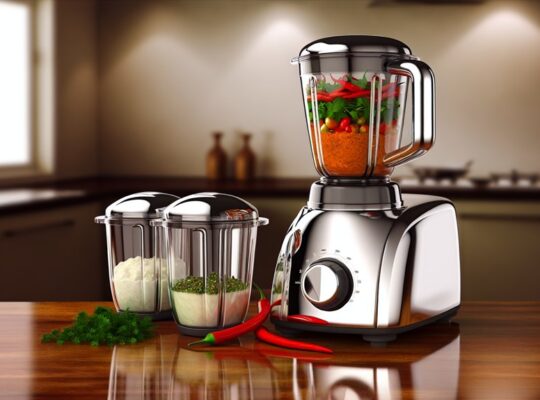
Blades only do half the work—how well your mixer grinds and pours also depends on the jar you choose. You’ll want jars that match your portion needs, are simple to clean, and won’t degrade with acidic ingredients. Assess material, sealing, and capacity against safety and convenience.
- Glass jars: sturdy, scratch-resistant, won’t retain odors; heavier, may chip if dropped.
- BPA-free plastic: lightweight and impact-resistant; check heat tolerance and staining.
- Stainless steel: durable, hygienic, good for coarse blends; can hide residue and makes visual monitoring harder.
- Small single-serve cups (300–500 ml): ideal for individual shakes, easy storage, reduced waste.
- Large blending jar (1.2–2.0 L): suits family portions and ice-free smoothies; avoid overfilling and ensure tight lids.
Choose jars that lock securely, have clear volume markings, and are dishwasher-safe if possible. Prioritize materials with proven safety certifications and replace scratched or warped jars to prevent contamination or leaks. For commercial or high-use settings, consider jars that match the motor and capacity needs of your kitchen to ensure continuous performance.
Handling Ice and Frozen Fruit Without Overheating
How can you crush ice and frozen fruit without overheating the motor or ending up with a warm, soupy smoothie? You’ll want to limit load size: don’t overfill the jar — work in small batches so the motor isn’t strained. Add a little liquid first to create movement and prevent blades from stalling; frozen solids should be loosely packed, not tightly compacted. Use short runs with cooling intervals — run for a few seconds, stop, inspect, then resume — so the motor and bearings dissipate heat. Check blade condition and secure fittings before use; dull blades increase load and heat. If your unit offers a dedicated ice-capable jar or metal blades rated for hard use, prefer that for frozen ingredients. Watch motor temperature and smell; if it feels hot to touch or emits a burning odor, stop immediately and let it cool. These precautions prolong motor life and keep your smoothies cold and properly textured. Consider choosing a model with a 750W motor for more reliable ice-crushing performance.
Speed Settings and Pulse Functionality Explained
You’ll want a grinder with variable speed control so you can fine-tune blending from slow pulsing to high-speed pureeing. Use pulse for short bursts to break up ice or chunky fruit without overheating or overmixing, and continuous mode for smooth, consistent textures. Evaluate how quickly each setting responds and whether the pulse gives distinct, controllable bursts or just a momentary power flicker. Manufacturers like Philips often include sturdy motors and reliable pulse response for consistent results, so check models with sturdy motors for better performance.
Variable Speed Control
Wondering why speed settings matter when making smoothies and shakes? You’ll want precise control: variable speed lets you match motor torque to ingredients, avoid overheating, and protect blades and jars. Choose a grinder with a clear dial or digital steps so you can repeat safe, consistent results.
- Low speeds for gentle blending of leafy greens and preventing splatter
- Medium speeds for combining fruit and yogurt without overworking the motor
- High speeds for crushing ice evenly while minimizing strain
- Gradual acceleration to reduce startup shock and preserve seals
- Safety interlocks and labeled settings to prevent misuse
Evaluate models by responsiveness, temperature rise, and safety features. You’ll get smoother texture and longer equipment life with intuitive, reliable control. Follow safe blade replacement and maintenance practices to ensure longevity and performance, including unplug and prepare before any blade work.
Pulse Vs Continuous
When should you hit pulse instead of running continuous? Use pulse for controlled chopping, crushing ice, or preventing overheating. Pulse gives short bursts, so you can monitor texture and stop before over-processing. Continuous is better for fully blended smoothies where motor runs steadily to create a uniform emulsion. Evaluate ingredients: soft fruits usually need continuous at medium speed; hard ice, frozen cubes, or fibrous greens benefit from pulse to avoid blade lock or motor strain. Safety tips: secure lid, don’t overfill, and pause to scrape sides when using pulse to prevent hotspots. If your grinder lacks thermal protection, favor intermittent pulsing to reduce heat buildup. Choose pulse when precision and motor safety matter; choose continuous for smooth consistency. For extended duty cycles and reduced heat during processing, consider using a wet grinder style approach by taking slower, cooler grinding steps to protect the motor and batter quality.
Noise, Cooling, and Thermal Protection Features
You’ll want to check noise level ratings to know how loud a grinder will be during long smoothie runs and whether it’s tolerable in your kitchen. Also evaluate cooling mechanisms — heat sinks, ventilation and fan placement — since efficient cooling keeps motor performance steady. Finally, confirm thermal cut-off protection so the unit shuts down before overheating damages the motor or your ingredients. For added safety and longevity, look for models with overload protection to prevent motor burnout during heavy or prolonged use.
Noise Level Ratings
How loud is too loud for daily smoothie duty, and how do noise, cooling, and thermal-protection features change the equation? You want a grinder that’s quiet enough for morning routines yet protected against overheating. Noise ratings (dB) let you compare models objectively while thermal cutoffs and insulation protect motor and you.
- Look for declared dB levels at typical loads for real-world comparison.
- Prioritize motors with built-in thermal cutoffs to prevent burnouts.
- Check for insulated casings or vibration dampers to reduce perceived noise.
- Consider duty-cycle recommendations—short bursts reduce thermal stress.
- Validate manufacturer test conditions; quieter models often specify measurement distance.
Models with a 750W copper motor and overload protection tend to handle sustained smoothie-making better while managing heat and noise, so factor in 750W copper when comparing daily-use units.
Cooling Mechanisms
Curious how cooling systems change everyday performance? You’ll want a grinder that balances quiet operation with effective heat dispersion. Look for models with radial vents, strategic fan placement, and metal heat sinks — they lower motor temperature without increasing noise. You’ll also appreciate sealed bearings and insulated motor housings that reduce vibration and prevent heat transfer to weight-bearing components. Compare airflow paths: straight-through designs evacuate hot air faster than convoluted channels. Check rated duty cycles and thermal ratings; they indicate sustained use limits. While not covering thermal cut-off specifics here, prioritize units that advertise continuous-run capability and offer documented cooling tests. Choosing equipment with transparent cooling specs helps you use it safely and predictably for smoothies and shakes. Also, remember to allow rest intervals between cycles to prevent overheating and extend motor life rest intervals.
Thermal Cut-off Protection
Think of thermal cut-off protection as a safety thermostat for your grinder’s motor: it disconnects power when temperatures reach a preset threshold to prevent damage and fire risk. You’ll want this feature if you run frequent or heavy blending sessions; it guards the motor and reduces repair costs. Check how the cut-off resets — automatic restart versus manual reset — since that affects convenience and safety. Evaluate the trip temperature and responsiveness: lower thresholds protect more but may interrupt tasks. Combine cut-off protection with good cooling and noise-reduction for balanced performance.
- Prevents overheating and motor burnout
- Limits fire and electrical hazard risk
- Manual reset offers intentional restart control
- Automatic reset favors convenience but needs safe thresholds
- Pairs best with efficient cooling systems
Ease of Cleaning and Maintenance Tips
A few simple design features make a mixer grinder much easier to clean and keep running reliably: removable, dishwasher-safe jars and lids, rounded creases that don’t trap pulp, sealed motor housings, and blades that detach without tools. When evaluating models, check how each component separates and whether seals are accessible for inspection. You’ll want jars with smooth interiors and measurement markings that don’t wear off. Prefer stainless-steel or BPA-free plastics that resist staining and odors.
After every use, rinse jars and blades immediately to prevent dried residue; soak stubborn pulp briefly in warm, soapy water before scrubbing with a non-abrasive brush. Never immerse the motor housing; wipe it with a damp cloth and ensure vents are clear to avoid overheating. Periodically tighten blade assemblies and replace worn gaskets to maintain a safe seal. Keep the user manual for torque and reassembly specs. These steps reduce contamination risk and extend the appliance’s safe, reliable service life.
Budget-Friendly Picks That Still Blend Well
You don’t need to spend a fortune to get smooth, consistent smoothies—several affordable mixer grinders deliver good performance for everyday use. You’ll want models with reliable motors, sturdy jars, and simple safety features like locking lids and overload protection. Evaluate power (400–750W is often enough), blade quality, and stable feet to avoid slips during use. Prioritize easy-to-clean parts and clear warranty terms so you’re protected if something fails.
- Choose 500–700W motors for a balance of torque and safety
- Look for stainless-steel blades and BPA-free jars to reduce contamination risk
- Prefer units with overload protection and secure lid locks
- Check for removable gaskets and dishwasher-safe components for hygienic cleaning
- Confirm a minimum 1-year warranty and available service centers
These criteria help you pick a budget-friendly grinder that’s efficient, safe, and durable for daily smoothies and shakes without hidden compromises.
Premium Models for Heavy-Duty Use
When you regularly make thick nut butters, frozen-fruit smoothies, or large-batch shakes, invest in a premium mixer grinder that pairs high wattage with robust construction and advanced safety features. You’ll want a motor of at least 900–1200W that sustains torque without overheating; look for copper-wound motors and thermal overload protection. Prioritize stainless-steel jars with reinforced bases and airtight lids to prevent leaks under pressure. Check blade assemblies: multi-tiered, hardened-steel blades reduce strain and deliver consistent texture. Effective cooling vents and a well-sealed switch bay lower fire risk; models with auto-shutoff and restart protection are safer during prolonged use. Noise insulation and vibration-dampening mounts improve stability and reduce movement on counters. Evaluate warranty terms focused on the motor and safety components, and confirm easy access to certified service centers. If you value reliability and household safety, a thoughtfully specified premium unit will handle heavy loads while minimizing mechanical and electrical risks.
How to Choose the Right Mixer Grinder for Your Routine
Think about how often you’ll use the grinder and what textures you need—motor power and speed determine whether you get silky smoothies or pulpy shakes. Consider jar types and sizes so you can process single servings or family batches without swapping vessels. Finally, pick a model with easily removable parts and dishwasher-safe jars to keep cleaning quick and consistent.
Motor Power & Speed
Pick a grinder whose motor power and speed match the tasks you’ll use it for, because those two specs determine efficiency, texture control, and durability. You want reliable torque for ice, frozen fruit, and fibrous greens without overheating. Check continuous wattage, not just peak figures, and favor motors with thermal protection. Variable speed settings give you control over start-up torque and final texture; pulse is useful for chunky vs. silky results. Consider noise and ventilation for safe operation.
- Higher continuous watts = better torque for crushing ice
- Variable RPMs = finer texture control and less splashing
- Thermal cut-off protects motor from overload
- Low RPM with high torque prevents ingredient heating
- Warranty and serviceability indicate long-term safety and reliability
Jar Types & Sizes
Motor power tells you what the grinder can do, but the jars determine how you’ll use that power day to day. Choose jars by capacity: a 1–1.5L jar for smoothies, a 0.5–0.8L jar for protein shakes and single servings, and a small 0.2–0.3L jar for wet/dry spices or nut butters. Prefer jars with BPA-free plastic or stainless steel; glass is durable but heavier and can shatter. Look for airtight lids and pour spouts to minimize spills and contamination. Ensure the jar’s blade assembly locks securely and has gasket protection to prevent leaks under high speed. Match jar size to your routine to avoid overfilling, motor strain, and hygiene risks. Prioritize secure fittings and safe materials.
Ease of Cleaning
Cleaning should be a key factor when you choose a mixer grinder—what seems sturdy can become a daily hassle if parts trap food or demand a lot of hand-scrubbing. You’ll want a design that reduces bacteria risk, limits crevices, and withstands frequent washing. Check sealed bearings, removable blades, and dishwasher-safe jars. Inspect gasket quality and how easily you can detach it for cleaning; damaged gaskets harbor mold. Prefer stainless steel or BPA-free plastic that tolerates hot water. Evaluate manufacturer cleaning instructions and warranty coverage for corrosion.
- Removable blades that snap out without tools
- Dishwasher-safe jars and lids with clear labels
- Smooth, sealed joints to prevent residue build-up
- Accessible gaskets that you can replace
- Clear cleaning/warranty guidance from maker
Frequently Asked Questions
Can a Mixer Grinder Make Nut Milk Like Almond or Cashew Milk?
Yes — you can make almond or cashew milk with a mixer grinder, but you’ll need to soak nuts, blend thoroughly with water, strain through a nut milk bag, and ensure secure lids and pulsing to avoid overheating or splashing.
Are Glass Jars Safer Than Plastic for Hot Liquids?
Yes — glass jars are safer for hot liquids because they don’t leach chemicals, resist staining and odors, and handle heat better. They’re heavier and breakable, so you’ll need to handle them carefully and avoid thermal shock.
Do Warranties Cover Motor Burnout From Prolonged Ice Blending?
Usually no — warranties often exclude motor burnout from prolonged ice blending as misuse. Check terms: some cover defects or limited motor failure, but you’ll need proof of normal use; consider extended plans or service contracts for coverage.
Can I Use the Mixer Grinder for Grinding Coffee Beans?
Yes — you can, but don’t assume optimal results; many mixer grinders produce inconsistent grind size and heat the beans. Use a dedicated dry jar, short pulses, small batches, and avoid prolonged runs to prevent overheating and motor strain.
Are Replacement Blades and Jars Widely Available?
Yes — replacement blades and jars are generally widely available, but you’ll want to check model compatibility, certified spare parts, and warranty status; using correct, undamaged components keeps operation safe and prevents motor or sealing failures.