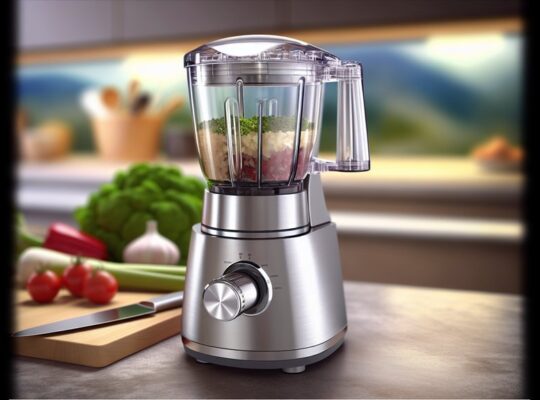
You’ll streamline a week of meals by batch-grinding aromatic pastes, batters, and sauces in your mixer grinder so each evening feels effortless. Think bright lemon-herb chutneys, silky curry bases, and sturdy grain blends that smell fresh and vibrant while you work. You’ll learn smart jar choices, cooling tricks, and portioning that keep flavors alive — and one simple step that saves hours each day will make the whole plan click.
Key Takeaways
- Map meals by texture and tempo (creamy soups, chunky sauces, fine spice mixes) to assign appropriate jars and batch sizes.
- Batch proteins, vegetables, and grains, then use the mixer grinder’s large jar and high torque for wet masalas and batters.
- Use small chutney and dry jars for pastes and spice blends; pulse, avoid overfilling, and cool between runs.
- Portion hot foods into shallow, labeled airtight containers, chill within two hours, and freeze extras flat for quick thawing.
- Reheat gently with a splash of stock, bring to 74°C (165°F), and add fresh elements or crunchy toppings just before serving.
Planning Your Week: Menu, Ingredients, and Storage Strategy
How will your week taste, feel, and fit into the fridge? You’ll map meals by texture and tempo: creamy soups, chunky sauces, and finely ground spice mixes. List proteins, vegetables, and grains so you can batch-process similar items in the mixer grinder to save time and reduce handling. Choose airtight, labeled containers in varied sizes so hot food cools safely and portions stay visible. Smell and sight guide freshness—note color shifts and scents when you store. Plan two reheatable meals per day and one fresh element to preserve nutrients. Keep a checklist for washing, grinding, and cooling times to avoid cross-contamination. This practical, sensory approach helps you prep confidently and keep food safe. For heavier prep tasks consider a model with a fiber-reinforced body to improve durability and stability during prolonged use.
Essential Mixer Grinder Attachments and Safety Tips
You’ll want to know which grinder jars and blades suit soups, chutneys, and dry masalas so you get the right texture every time. Pay attention to secure lids, proper assembly, and pulsing technique to avoid splatters, overheating, or blade damage. Keep your hands, utensils, and the motor housing dry and cooled between batches to protect both food and appliance. Choose the right jar material and blade type for the task — for example, use stainless steel jars and sturdier blades for heavy grinding to protect the motor and get consistent results.
Essential Grinder Attachments
Wondering which attachments you’ll reach for most often? You’ll notice how each piece feels different in your hand and changes the sound and rhythm of prep. The jar’s weight and lip tell you it’s meant for liquids; the chutney jar’s compactness whispers precision; the grinder’s textured lid promises robust work. Choose by texture, volume, and task so you get predictable results.
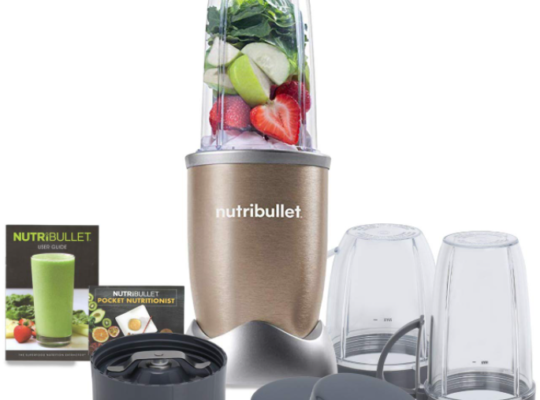
- Small chutney jar: for pastes, herbs, and smooth pestos with quick pulses.
- Large liquid jar: for batters, soups, and smoothies; it pours cleanly and minimizes splatter.
- Dry grinder: for spices and nuts; it crushes to powder without heating.
Pick attachments that mate securely and suit your planned meals for efficient, safe prep. For reliable all-round performance and service support, consider a model with a sturdy build and good after-sales network like the Philips HL7505/00, which balances motor reliability and jar durability.
Safety and Usage Tips
After you’ve picked the right jars and lids, it helps to think about how you handle them: the weight, the sound, the way a lid snaps on all affect safety and outcome. Before each use, check blades for nicks and jars for cracks; you’ll feel vibration change if something’s off. Always lock lids firmly—don’t guess by touch, listen for the click. Load fillings to recommended levels so the motor breathes; you’ll notice the machine strains if you overfill. Use pulse settings for coarse textures and steady speed for smooth blends, and keep hands and utensils out while blades spin. Unplug before cleaning, wipe seals dry, and store attachments separated to prevent dulling and accidental cuts. Regularly inspect and replace dull blades to maintain optimal performance and prevent damage.
Batch-Prep Staples to Grind: Pastes, Marinades, and Spice Blends
You’ll want to make aromatic wet pastes — think garlic-ginger, cilantro-chili, or coconut-curry — that release bright, heady scents as you grind and freeze in portioned containers. For dry spice blends, toast whole seeds briefly, cool them, then grind to a warm, nutty powder that keeps longer and wakes up with a pinch in cooking. Both wet and dry staples save time and layer flavor, so label, date, and store them for ready use all week. Consider using a mixer grinder with overload protection to preserve motor life when preparing larger batches.
Aromatic Wet Pastes
Aromatic wet pastes are the backbone of easy, flavorful meals—vibrant emulsions of herbs, spices, garlic, and oil that you can blitz in minutes and store for the week. You’ll smell bright citrus, warm garlic, and fresh herbs as the blades turn; texture should be smooth enough to spread but not soupy. Keep surfaces and jars sanitized, cool pastes before sealing, and label with date. AI-enabled mixers can help maintain consistent texture and alert you to overload protection concerns during heavy batches.
- Lemon-herb paste: parsley, lemon zest, garlic, olive oil — great on fish or roasted veg.
- Harissa-style paste: roasted peppers, cumin, garlic, oil — use sparingly to build heat.
- Ginger-garlic-turmeric: peel finely, add oil for longer fridge life and anti-inflammatory flavor.
Portion into airtight containers and chill; freeze extras in ice-cube trays.
Dry Spice Blends
Often overlooked, dry spice blends are the quickest way to layer big flavor with almost no hands-on time: you’ll toast, grind, and mix once, then reach for the same jar all week to lift proteins, grains, and veggies. You’ll smell the warm, nutty aroma as whole seeds hit the pan — cumin, coriander, mustard — and the heat will bloom oils, making flavors pop once ground. Use your mixer grinder in short pulses, pausing to avoid overheating and volatile loss; cool the spices on a tray before storing. Label jars with date and contents, and keep them in a cool, dark place to preserve potency. Start small, taste, and adjust salt or acidity when you cook for safe, consistent results. For longer shelf life and consistency, document dates and batch for each jar so you can track freshness and repeatability.
Making Large-Quantity Batters and Doughs With Ease
How much time could you save by letting a mixer grinder handle big batches of batter and dough? You’ll hear the motor hum as grains and flours turn into a smooth, pillowy mass; you’ll feel the cooler bowl and smell fresh starch. Work in batches to avoid overheating, and use pulse mode to control texture. Keep blades sharp and lids locked for safety.
- Measure wet and dry separately, add gradually to avoid splatter.
- Use short pulses, check consistency, scrape sides with a spatula.
- Cool the bowl between runs and never overfill past recommended capacity.
With care, you’ll produce consistent, airy batters and pliant doughs that store well, reducing weekday stress and keeping prep safe and efficient. Remember to pause 2–5 minutes between long runs to let the motor and ingredients cool and prevent overheating during heavy tasks.
Sauces, Chutneys, and Dips That Keep Well
Want bold flavors on demand all week? Use your mixer grinder to blitz safe, shelf-stable sauces, chutneys, and dips that stay vibrant. Think roasted tomato sauce cooled quickly, jarred pesto with extra oil sealing the surface, or tangy tamarind chutney strained and refrigerated. You’ll smell toasted spices, fresh herbs, and bright citrus as you grind; that sensory feedback tells you freshness. Portion into clean, airtight jars or silicone containers, label with date, and leave small headspace. For safety, chill within two hours, keep at 4°C (40°F) or below, and discard if off-smelling or moldy. Freeze portions for longer storage; thaw in the fridge. For heavier tasks like wet masala pastes, consider your mixer grinder’s higher torque and larger jar capacity to handle thicker blends.
Cooking and Cooling: Best Practices for Meal-Size Portions
Those jars of chutney and pesto are only part of the picture—you’ll need reliable cooking and cooling routines to keep whole meals safe and tasty all week. Cook to steaming doneness so texture and aroma are appealing, then portion while hot into shallow containers to speed cooling. You’ll feel the heat fade faster and smell the flavors settling as steam escapes.
- Rapidly reduce temperature: use shallow pans, ice baths for soups, and stir to release heat.
- Portion control: divide into meal-sized containers so everything cools evenly and reheats predictably.
- Chill timeline: get food into the fridge within two hours; hot large masses need extra attention.
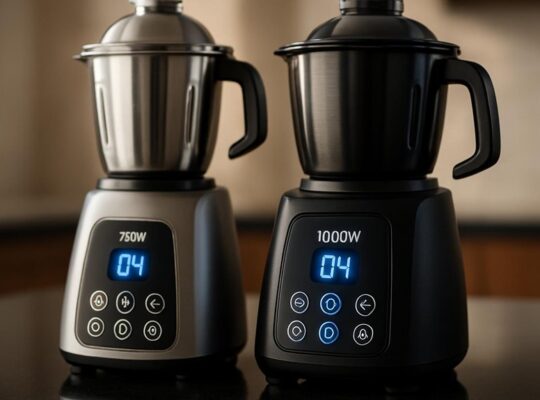
These steps protect flavor, texture, and safety, letting you enjoy prep confidence all week. A higher-power 750W motor can shorten prep time and reduce heat build-up when grinding ingredients for batch cooking.
Storing, Reheating, and Combining Prepped Components
Where will everything live in your fridge and freezer so flavors stay bright and textures hold up? Label clear, airtight containers with contents and date; keep raw proteins low and sealed, cooked foods above, and delicate herbs or sauces on the door where temperatures fluctuate less. Freeze portions flat in zip bags for quick thawing; leave small airspace in jars for expansion. Reheat gently: use a splash of stock or water, cover to retain moisture, and bring to a rolling boil for 1–2 minutes for safety, or 165°F (74°C) throughout. Combine just before serving: refresh wilted greens with lemon, fold crunchy toppings in at the end, and balance reheated grains with a dash of olive oil. Cool leftovers quickly; discard after four days.
Cleaning, Maintenance, and Troubleshooting for Repeated Use
Now that your meals are organized and safely stored, you’ll want the gear that helped you prep to be as ready for next week as the food is. Wipe down the base with a damp cloth, unplugging first so you can feel safe and steady; warm soapy water cleans jars and blades, and the metallic tang tells you they’re fresh. Dry every piece thoroughly—moisture invites rust and odors. Check seals and screws; tighten anything loose so the motor doesn’t strain.
- Rinse immediately after use to prevent stubborn residues and smells.
- Inspect blades for nicks and replace if dull to avoid overheating.
- Listen for unusual sounds; stop, cool, and test components before restarting.
Routine care keeps your machine reliable and your meals safe.
Frequently Asked Questions
Can a Mixer Grinder Handle Frozen Ingredients Safely?
Yes — you can, but cautiously. You’ll hear tougher thuds; vibrations warn you to pulse, not run continuously. Let frozen blocks thaw slightly, use sturdy blades, secure lids, and stop if motors strain or smell burnt.
How Do I Adapt Recipes for High-Altitude Cooking?
You’ll increase liquid, lower baking temperatures, lengthen cooking times, and watch doneness closely; you’ll sense drier air affecting texture, adjust leavening slightly, and use consistent pressure-cooking or moisture-retaining methods to keep meals safe and tender.
Can I Use the Grinder for Baby Food Preparation?
Yes — you can use the grinder for baby food, but you’ll want to steam vegetables first, blend to a smooth, warm puree, check texture and temperature, and sanitize jars and blades to keep everything safe and hygienic.
What Are Allergy-Safe Cleaning Practices for Shared Kitchens?
You should designate allergen-free zones, label ingredients, wash surfaces with hot, soapy water then sanitize, use separate utensils and sponges, wear gloves if needed, and air-dry; smell and sight checks help confirm cleanliness and safety.
Will Frequent Use Void My Mixer Grinder’s Warranty?
Generally, frequent use won’t void your mixer grinder’s warranty if you follow manufacturer care instructions, avoid overloading, and use recommended attachments; you’ll want to keep it clean, cool, and serviced to ensure safe, reliable performance.