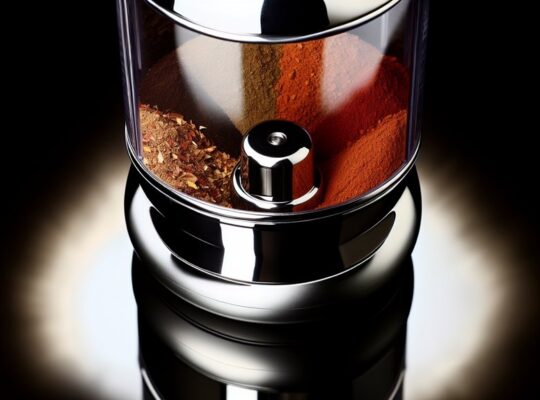
You’ll notice how a hot, spiced oil and a silky onion‑tomato paste can change a curry’s whole character. The mixer grinder lets you bloom whole spices quickly and pull onions, coconut, or cashews into a glossy, velvety base that holds oil and flavor. It’s efficient, controlled, and surprisingly forgiving — and once you see how texture and aroma shift, you’ll want to rethink how you build every sauce.
Key Takeaways
- Use a sturdy 750W mixer grinder with stainless-steel wet jar and sharp blades for silky onion-tomato pastes and spice blends.
- Pulse in short bursts, adding 1 tbsp water or oil at a time to prevent overheating and achieve a glossy, smooth puree.
- Toast whole spices, then grind to a fine powder for fragrant, layered curry bases that bloom in hot oil.
- Prepare ginger-garlic and green chili pastes in small batches; refrigerate up to 4 days or freeze portions for convenience.
- Cool cooked bases quickly, store airtight (fridge 4 days, freezer 3 months), and reheat to 74°C/165°F before serving.
Why a Mixer Grinder Transforms Indian Curry Prep
Why does a simple countertop appliance make such a difference in Indian curry prep? You’ll notice immediately: whole spices bloom in hot oil with a deep, nutty scent, then a whirl in the mixer grinder transforms them into an even, fragrant powder that releases flavor uniformly. You’ll get silkier onion-tomato pastes, their sweet and tangy notes balanced because the grinder emulsifies juices and oil into a cohesive base. Texture is precise — no errant fibrous bits — so sauces cling and reduce predictably. You’ll also work safer: lids lock, jars sit secure, and you won’t risk burns from leaning over steaming pots to mash. With controlled pulsing and short bursts, you preserve volatile aromatics while minimizing splatter and waste. Choosing the right wattage can make a difference in performance and durability, so consider a 750W motor for tougher grinding and longer-lasting use.
Essential Tools and Pantry Staples for Blitzed Bases
You’ll want a sturdy stainless-steel jar and sharp blades on your mixer grinder to get smooth, silky curry bases without overheating the spices. Stock your pantry with toasted cumin, coriander, turmeric, garam masala, and whole dried chilies so the blitzed paste smells bright and layered the moment you grind. With those attachments and spice essentials ready, you’ll turn raw aromatics into rich, restaurant-style foundations in minutes. Choose a grinder with good ventilation and durable build to keep the motor cool during frequent use, especially if you make batter or large batches regularly (ventilation and durability).
Must-Have Mixer Attachments
Which attachments will transform your mixer grinder from a kitchen appliance into a curry-making workhorse? You’ll want sturdy, safe tools that give you smooth, aromatic bases without fuss. Choose stainless steel blades that resist pitting and stay sharp; they slice tomatoes and ginger into silky purées. Pick a wet-grinding jar with a rubber gasket to prevent spills and keep the motor cool. A chutney jar is ideal for small batches and bright aromas.
- Stainless steel multi-purpose blade — durable, easy to clean, gives silky texture.
- Wet-grinding jar with gasket — prevents leaks, reduces splatter, protects motor.
- Small chutney jar — for delicate aromatics and precise control.
Always secure lids and unplug before changing attachments. A 750W option often provides the best balance of power and versatility for making these bases with consistency and efficiency (750W balance).
Pantry Spice Essentials
Because a blitzed curry base depends as much on aroma as on texture, stocking a tight pantry of whole and ground spices will make your mixer-grinder sing. Keep small jars of cumin, coriander, turmeric, and Kashmiri chili for color and heat; fenugreek seeds or leaves for a honeyed bitterness; and black peppercorns for bright bite. Store whole spices (coriander seeds, cumin, cinnamon sticks, cardamom pods, cloves) separately and toast briefly in a dry pan before grinding to release oils—cool them fully to avoid steam in the grinder. Measure routinely, label with purchase dates, and seal airtight to preserve potency. Include bay leaves and asafoetida for depth, and always grind in short bursts to prevent overheating and ensure safety. Consider choosing a mixer-grinder with overload protection to enhance safety and motor longevity.
Onion‑Tomato Masala: The All‑Purpose Curry Base
Pick plump, sweet onions and ripe, slightly tangy tomatoes — their aroma and juiciness will shape the masala’s body. You’ll grind them in the mixer grinder to a silky, glossy puree, scraping the sides so no fibrous bits remain. As you cook, taste and tweak salt, chili, and acidity until the spice balance sings without overpowering the base. Ensure the jars and blades are appropriately matched and not overloaded to prevent overheating of the mixer grinder while preparing the puree.
Choosing Onions & Tomatoes
How do you tell good curry base ingredients apart? You’ll pick onions and tomatoes that promise bright flavor and safe handling. Choose onions with tight, papery skins, no soft spots, and a faint sweet scent; they’ll caramelize evenly. For tomatoes, look for smooth, taut skin and a give that’s gentle when squeezed — too hard means underripe, too soft means overripe. Store both in a cool, dry place; refrigerate cut pieces in sealed containers promptly. When prepping, wash tomatoes under running water and remove bruises; peel onions only when ready to use to reduce bacterial exposure.
- Onion: firm, dry neck, no sprouts.
- Tomato: even color, slight yield.
- Storage: cool, ventilated, separate.
A good 750-watt mixer grinder can help achieve a smoother masala consistency by finely pureeing tomatoes and onions for a perfect base high wattage.
Grinding to Smoothness
Now that you’ve chosen firm onions and taut tomatoes, it’s time to turn them into a silky masala that’ll carry the curry’s flavor. Peel and roughly chop; small, even pieces grind more predictably. Add a splash of water or a tablespoon of oil to prevent overheating and to help blades glide—this keeps steam and splatter down. Pulse first: short bursts build texture without overheating the mix. Scrape the jar sides between pulses with a long spoon to avoid blind spots. When the mixture looks uniformly smooth and ribbon-like, stop and cool the grinder base before removing the jar to avoid burns. Taste for freshness; the masala should smell bright, not cooked. Store promptly in a clean, airtight container in the fridge. If you’re using a home grinder, consider a model with motor overload protection to help prevent damage from long grinding sessions.
Adjusting Spice Balance
Want the masala to sing rather than shout? You’ll tune it by tasting and adjusting gently, keeping safety in mind—hot oil, hot pan, hands steady. Smell the sweetness of cooked onions and the bright tomato tang; let those notes lead before you nudge heat or earthiness. Use small increments and cool a spoonful before sampling.
- Add heat: a pinch of cayenne or green chili; stir, simmer, wait 1–2 minutes, taste.
- Add warmth: a dash of ground coriander or cumin; bloom briefly in oil, smell, taste.
- Add balance: a squeeze of lemon or a pinch of sugar; correct acidity or bitterness.
You’ll trust your senses, adjust slowly, and keep the kitchen safe. If you notice any persistent burning smells from your mixer grinder, stop using it immediately and have it inspected by a qualified technician.
Coconut and Cashew Blends for Creamy South Indian Gravies
Ever wondered why South Indian gravies feel so luxuriously smooth on the tongue? You get that silkiness by blending fresh grated coconut with lightly toasted cashews in your mixer grinderer Use warm, not boiling, water to release creamy oils without scalding; pulse to a fine, velvety paste, scraping down the jar to avoid uneven bits. Season the paste gently—salt and a touch of tamarind or lime—to balance richness before adding to your tempering. Strain if you want an extra-refined texture. Keep equipment and hands clean, and cool ingredients slightly to prevent steam pressure in the grinder. The result is a safe, luscious base that carries spices and vegetables beautifully, offering depth without heaviness. Choose a mixer grinder with a sturdy stainless steel jar to reduce vibration and get a more consistent, smoother paste.
Poppy‑Seed and Coconut Paste for Rich Mughlai‑Style Curries
How do you get that opulent, nutty backbone in Mughlai gravies? You toast white poppy seeds until they scent like warm almonds, then combine them with fresh grated coconut in the mixer grinder. The paste should be silky, ivory, and slightly oily so it blends into simmering sauces without splitting.
- Measure: 2 tbsp poppy seeds, 1/2 cup fresh coconut, pinch salt.
- Grind: add a splash of warm water, pulse to a smooth, velvety emulsion.
- Finish: stir into hot fat, cook gently to integrate and reduce for glossy texture.
You’ll notice a rounded, creamy mouthfeel and a mild sweetness. Keep blades and jar secure; work on low speed to avoid splatter for safe, consistent results. For reliable, safe grinding and a smooth paste every time, use a mixer grinder with overload protection and secure, leak‑proof jars.
Ginger‑Garlic and Green Chili Pastes: Fresh Flavor Boosters
Why do these two simple pastes transform a curry? You’ll smell the sharp, citrusy snap of ginger, the pungent warmth of garlic, and the green, fiery lift of chilies as soon as the grinder releases them. When you blitz peeled ginger and garlic, you get a silky paste that blooms in hot oil, releasing sweet, toasty notes and a savory backbone. Green chilies give bright, vegetal heat—use gloves if your skin’s sensitive and avoid touching your face. You’ll want to keep blades, jar, and work surfaces clean to prevent cross-contamination. Store small batches chilled in an airtight container and use within a few days, or freeze portions. These pastes bring immediacy and fresh aroma that power many Indian curries.
Proportions, Consistency, and Troubleshooting Your Blends
Now that you’ve tasted how fresh ginger‑garlic and green chili pastes wake a curry, getting proportions and consistency right will make those flavors sing every time. You’ll notice texture and balance instantly: too much water thins the blend, too little oil stifles aroma, and uneven chopping gives a gritty mouthfeel. Aim for a glossy, spoon-coating paste that releases scent when warmed.
- Use weight or level teaspoons: 1 part ginger : 1 part garlic : 1/2 part chili for moderate heat.
- Add liquid sparingly — a tablespoon of water or oil at a time — until the mix flows smoothly.
- Taste, adjust salt and acid, and stop when aromas bloom.
If something smells off, discard and clean equipment for safety.
How to Use and Store Blitzed Bases for Quick Weeknight Meals
Want a shortcut that still smells like you’ve been stirring for an hour? Use blitzed bases to build curries in minutes: sweat onions and spices briefly, add a spoonful of base, then simmer with protein or vegetables. You’ll notice immediate depth — roasted onion, warm cumin, bright tomato — without long bubbling. For safety, cool bases within two hours, transfer to airtight containers, and refrigerate up to 4 days or freeze in portions for 3 months. Thaw overnight in the fridge, reheat to a rolling simmer (165°F/74°C) before serving to destroy bacteria. Label containers with date and contents. When reheating, adjust seasoning and add a splash of water or cream; the aroma will bloom and your weeknight meal will taste freshly crafted.
Frequently Asked Questions
Can I Freeze Blitzed Bases in Ice Cube Trays Safely?
Yes — you can freeze blitzed bases in ice cube trays safely. Smell, taste, and texture stay vivid if you cool quickly, seal cubes airtight, label dates, and defrost gently to avoid spoilage or freezer-burn.
Do Blender Blades Need Special Cleaning After Nutty Pastes?
Yes — you should. After nutty pastes, you’ll smell oils clinging to blades; rinse immediately, scrub with hot soapy water or run a vinegar-soapy blender cycle, dry thoroughly, and check seals to prevent rancid odors and mold growth.
Can I Use a Food Processor Instead of a Mixer Grinder?
Yes — you can use a food processor, but it won’t grind as fine. Expect coarser textures, louder motor, and slightly warmer paste. Pulse gently, avoid overfilling, and clean blades carefully to prevent residue and odor buildup.
How Long Do Thawed Bases Stay Usable in the Fridge?
Thawed bases stay usable about 3–4 days in the fridge; you’ll smell any sourness, see discoloration or sliminess, and should discard if off. Keep them sealed at ≤4°C, reheating thoroughly before serving.
Are There Nut-Free Alternatives for Cashew‑Based Creams?
Yes — you can replace cashew cream with coconut cream, silken tofu purée, sunflower‑seed cream, or boiled potato blended with a little oil and warm water. They’re creamy, safe for nut‑allergies, and hold up in sauces.