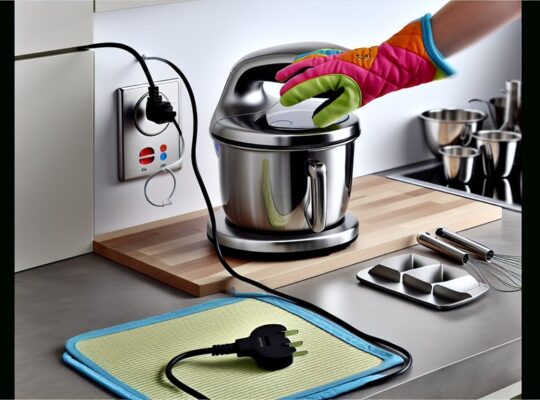
You’ll want to start by unplugging the grinder and removing the jar, then inspect the blades closely for cracks, chips, or dull edges. Use proper PPE and the right tools so you don’t make the problem worse. I’ll walk you through cleaning, choosing a sharpening method, preserving the bevel angle, and testing balance — plus when replacement is the safer choice — so you can get usable, safe cuts again.
Key Takeaways
- Unplug unit, remove jar, and detach the blade assembly before any inspection or sharpening.
- Inspect blades for cracks, chips, or severe wear; replace if damaged or hardened/coated beyond repair.
- Clean and degrease blades thoroughly, then dry to reveal nicks and true the edge before sharpening.
- Preserve the original bevel: use a fine whetstone, diamond rod, or low-speed grinder with light passes and frequent cooling.
- Rebalance and securely remount blades, then run a short dry test to check for wobble, vibration, or abnormal noise.
Inspecting Blades and Safety Precautions
Before you touch the blades, make sure the grinder’s unplugged and the jar’s removed—safety first. Check the blade assembly visually for cracks, chips, or bent edges; any structural damage means replacement, not sharpening. Use a flashlight and magnifier if you have one to spot hairline fractures or dull spots. Feel only the dull parts with the pad of your finger—don’t run fingertips along the edge. Inspect the shaft and mounting threads for corrosion or wear that could cause wobble. Confirm the locking mechanism and seals are intact so the blade will sit true after service. Note any wobble by spinning the blade gently by hand; if it doesn’t rotate smoothly, address bearings or shaft alignment first. Document what you find with a quick photo. Plan the sharpening only when the blade is clean and dry—residual food or oil can hide defects and make handling unsafe. Choose a blade material suited to your needs, as stainless steel jars and blade choice affect durability and performance.
Tools and Materials You’ll Need
What tools and materials will you need to do the job right? You’ll gather safety gear, sharpening tools, and cleaning supplies so you can work efficiently and avoid injury. Lay everything out before you start so you won’t fumble with hot or sharp parts.
- Safety gear: cut-resistant gloves, safety glasses, and a dust mask.
- Sharpening tools: a fine diamond or ceramic rod and a small bench or handheld grinder with a low-speed, adjustable setting.
- Cleaning supplies: soft brush, microfiber cloths, mild detergent, and a toothbrush for crevices.
- Small tools and consumables: screwdrivers or wrench for access (kept nearby), lubricant oil, and a container to hold removed screws.
Choose tools sized for your blade profile; a rod fits most edges, a grinder speeds the job but needs careful control. Keep lubricants and cloths to prevent sparks and to wipe burrs. With these items, you’ll stay safe and get a precise edge. Ensure you also check and maintain proper ventilation around the unit to prevent overheating during and after sharpening.
How to Remove Blades From Different Mixer Models
How do you get the blade out without damaging the jar or spindle? First, unplug the unit and remove the jar. Hold the jar upside down over a towel so small parts don’t roll away. Check the underside: some blades unscrew, others have a snap-fit or a circlip. For screw-fit blades, use the correct-sized wrench or spanner; turn counterclockwise while holding the spindle with a stub key or by gripping the shaft gently with pliers padded with cloth to avoid marring. For snap-fit blades, press the release tabs or push the central pin while pulling the blade assembly straight down. If there’s a circlip, use circlip pliers to expand and lift it out before removing the blade plate. For threaded jars, reverse the usual rotation—lefty-loosey—while stabilizing the jar. Inspect seals and bearings as you remove the blade; don’t force a stuck blade—apply penetrating oil and let it sit, then try again. Allowing parts to cool and resting briefly prevents overheating before handling makes removal safer and helps protect seals and bearings.
Cleaning and De-greasing Before Sharpening
Before you sharpen the blades, wipe away grit, food particles, and stubborn residues so the edge is visible and won’t be clogged. Use a mild degreaser or a paste of baking soda and water for food-contact parts, and wear gloves and work in a ventilated area if you use stronger cleaners. Rinse and dry thoroughly to prevent rust and ensure the blade sits true when you start sharpening. Philips mixers often feature sturdy ABS shells and rubberized feet that improve stability while working on motors and blades.
Remove Grime and Residues
Usually you’ll want to remove all grime and grease from the blades before sharpening, because build-up hides nicks and prevents an even edge. Begin by unplugging the grinder and removing the blade assembly; handle blades with a thick cloth or gloves. Use warm, soapy water and a stiff brush to scrub food residues, rinsing thoroughly. For stubborn deposits, let parts soak briefly to loosen debris, then scrub and dry immediately to prevent rust.
- Inspect edges under good light for hidden nicks after cleaning.
- Wipe joints and crevices with a small brush or toothpick.
- Dry blades completely with a lint-free cloth; moisture causes corrosion.
- Reassemble only when parts are cool, dry, and debris-free.
Cleanliness ensures a safer, truer sharpening pass. Regularly inspect and replace blades when they show dullness or chipping to maintain optimal performance and prevent damage.
Use Degreasers Safely
Wondering which degreaser will cut through old oil without harming your blades or seals? Pick a mild, water-based degreaser or a citric- or biodegradable enzyme cleaner rated safe for metal and rubber. Don’t use concentrated solvents like acetone or undiluted petroleum distillates that can swell seals or strip coatings.
Work in a ventilated area, wear nitrile gloves and eye protection, and disconnect the unit. Apply the degreaser with a soft brush or cloth, avoiding aggressive scrubbing that could nick edges. Let it dwell per instructions, then rinse thoroughly with warm water and dry completely to prevent rust. Inspect seals and bearings; if they look damaged or softened, replace them before sharpening. Dispose of used solution per local hazardous-waste rules. Be sure to check that the jar and lid are securely sealed and properly aligned before reassembling to prevent leaks secure sealing.
Hand Sharpening With a Sharpening Stone
Want a simple, precise way to restore your mixer grinder blades? You can hand-sharpen with a sharpening stone safely and effectively. First, disassemble the blade assembly and clean off all grease; drying prevents slips. Secure the blade in a vise with soft jaws or hold it firmly with a thick glove. Use a whetstone (medium grit 1000–3000) and a small amount of oil or water as recommended for the stone.
Maintain the original bevel angle and stroke consistently from base to tip, applying even pressure. After a few passes, check the edge for a uniform burr and remove it by stropping on the flat side.
Follow these safety reminders:
- Wear cut-resistant gloves and eye protection.
- Clamp the blade; never hold it by hand while sharpening.
- Work slowly; test sharpness with a paper strip, not your skin.
- Clean and reassemble blades, ensuring fasteners are torqued to spec.
Proper technique keeps blades sharp and reduces risk. Be sure to verify the blade is compatible with your unit and inspect for damage before sharpening blade compatibility.
Using a Bench Grinder or Rotary Tool Safely
Before you touch a bench grinder or rotary tool, put on safety goggles, a dust mask, and sturdy gloves so sparks and metal shards don’t catch you off guard. Make sure the blade is clamped securely in a vise or jig to prevent slipping, and check the tool’s guard and wheel for damage. Use light, consistent passes with the correct wheel or bit, keeping the blade cool by pausing frequently to avoid overheating and warping. Choose a motor power appropriate to the task, since wattage affects performance and using the right power helps prevent overheating and damage.
Safe Personal Protective Equipment
How will you protect yourself when using a bench grinder or rotary tool? You’ll need PPE that blocks sparks, dust, and flying fragments while keeping you comfortable for focused work. Fit and functionality matter more than brands.
- Safety glasses plus a full-face shield for impact and spark protection.
- N95 or P100 respirator for fine metal and abrasive dust—don’t rely on a loose mask.
- Heavy-duty leather gloves to protect fingers from heat and sharp edges; ensure tactile control.
- Hearing protection (earplugs or earmuffs) when grinding for extended periods.
Wear snug, non-flammable clothing and remove jewelry. Tie back long hair. Inspect PPE before each use and replace damaged items. Prioritize proper fit—ill-fitting gear can become a hazard. A slower, cooler grinding approach preserves material properties and reduces heat buildup, which is important when working with slow-rotating granite and other heat-sensitive surfaces.
Secure Blade Mounting
Why does secure blade mounting matter? You need the blade stable so it won’t wobble, vibrate, or eject when you use a bench grinder or rotary tool. Inspect the arbor, flange, and fasteners; clean debris and replace damaged parts. Use the correct sized adapter and tighten to manufacturer torque specs — hand-tight isn’t enough. Use a vise with soft jaws or a dedicated blade clamp to protect edges while holding firmly. Verify balance by spinning slowly before full speed; listen and feel for wobble. Keep guards in place and stand clear of the plane of rotation. If anything feels off, stop and remount. Your focus and a secure mount prevent injury and protect the blade and tool. Also, prioritize features like thermal overload cut-off on the tool or grinder to reduce the risk of motor damage during prolonged use.
| Risk | Feeling |
|---|---|
| Wobble | Unease |
| Ejection | Alarm |
Correct Grinding Technique
Ready to grind? You’ll work deliberately: secure the blade, wear eye and hearing protection, and set the grinder’s guard. Keep sparks shooting away from you and flammable materials. Use a bench grinder or rotary tool at the manufacturer’s recommended speed; don’t force the blade into the wheel.
- Inspect wheel and tool for damage; replace if cracked or glazed.
- Hold the blade at the original bevel angle, moving steadily; use light, consistent pressure.
- Cool frequently by dipping in water to avoid overheating and warping.
- Finish with a fine stone or sanding bit for a crisp edge; deburr both sides.
Check fit and balance before reinstalling. If you’re unsure, consult a pro.
Restoring Serrated and Specialty Blades
Ever wondered whether those jagged, scalloped, or multi-tooth blades can be sharpened at home? Yes — but you’ll need patience, the right tools, and caution. Inspect each tooth for chips or uneven wear; small nicks can be filed, but missing sections usually mean replacement. Use a needle file or a tapered rotary bit to follow each serration’s original angle; work tooth by tooth with light, consistent strokes so you don’t alter the profile. Clamp the blade securely in a vise with protective padding and wear cut-resistant gloves and eye protection. Keep a magnet or brush handy to clear metal filings frequently. After filing, deburr the edge with a fine stone or strop, moving away from the cutting face. For specialty coatings or hardened steels, avoid heat buildup — dip in water and use slow, steady filing. If teeth are excessively worn or the blade behaves unpredictably, replace rather than risk performance or safety.
Re-balancing and Checking Blade Alignment
How do you tell if a blade needs re-balancing? You’ll notice vibration, wobble, or uneven wear during a short dry run. Don’t ignore small shakes — they stress bearings and can crack the housing. With power off and plug removed, inspect edges for nicks and compare blade planes against the hub.
To rebalance and check alignment, follow these essentials:
- Clean blade and hub thoroughly; debris hides imbalance.
- Mount the blade on a smooth shaft and spin by hand; feel for wobble and note heavy side.
- Remove material from the heavy side with light, controlled grinding; take small passes and recheck.
- Verify alignment by placing a straightedge across blade tips and hub; adjust until gaps are uniform.
Work slowly, wear gloves and eye protection, and keep fingers away from sharp edges. If vibration persists after careful rework, replace the blade — that’s safer than forcing a compromised part.
Reassembling and Testing the Grinder
With the blades balanced and alignment checked, it’s time to put the grinder back together and confirm everything runs smoothly. First, disconnect power and wear gloves. Fit the blade assembly onto the spindle, making sure it seats fully and the washer and locking nut are in the correct order. Tighten the nut to the manufacturer’s torque spec — snug, not over-tightened — so the blade won’t wobble but can still be removed later.
Replace the jar or bowl, secure any safety latches, and reattach lids. Check that all interlocks engage; the motor shouldn’t start unless everything is correctly seated. Plug in and stand clear. Run a short no-load test at low speed for 5–10 seconds, listening for unusual noises or vibrations. Increase speed gradually while watching for wobble, heat, or smell of burning. If anything feels off, switch off immediately, unplug, and recheck assembly. If it runs smoothly, test with a small quantity of water to verify seal and performance before full use.
Knowing When to Replace the Blades
When should you stop sharpening and replace the blades instead? You’ll know it’s time when safety, performance, or structural integrity are compromised. Don’t risk continued use if sharpening won’t restore safe, reliable cutting.
- Visible cracks, chips, or bends in the blades that don’t file out — metal fatigue can fail under load.
- Excessive thinning or uneven wear where sharpening removes too much material, weakening the blade.
- Loss of original edge geometry after multiple sharpenings, causing poor cutting and higher motor strain.
- Corrosion pitting or heat damage (blueing) that won’t polish out and weakens the steel.
If any item applies, replace the blade with an OEM or equivalent part sized for your grinder. Always disconnect power, wear cut-resistant gloves, and inspect replacement fit and balance before testing. Proper replacement maintains safety, prevents motor damage, and keeps performance predictable—don’t gamble on a compromised blade.
Frequently Asked Questions
Can Dull Blades Be Repurposed for Other Household Tools?
Yes — you can repurpose dull blades into scrapers, paint mixers, or garden dibbers if you clean, deburr, and blunt sharp edges first. Wear gloves, secure tools properly, and label repurposed items to avoid accidental cuts.
How Often Should Blade Sharpening Be Scheduled for Heavy Use?
For heavy use, you should schedule sharpening every 1–2 months; you’ll check for dullness sooner if grinding takes longer or produces heat, and you’ll always unplug and secure the unit before any maintenance.
Can Dishwasher-Safe Blades Be Sharpened Safely?
Yes — you can safely sharpen dishwasher-safe blades, but don’t use a dishwasher afterward. You’ll want to remove protective coatings, clamp the blade, use a fine file or stone with light strokes, wear gloves and check fit before reuse.
Will Sharpening Affect Blade Warranty or Service Agreements?
Yes — sharpening usually voids warranties or service agreements unless the manufacturer explicitly allows it; you shouldn’t do it if coverage matters. Check terms, contact support, and document permission before proceeding to keep safety and protection intact.
Are There Eco-Friendly Ways to Dispose of Worn Blades?
Yes — you can dispose safely: wrap blades securely, take them to metal recycling centers or municipal hazardous-waste drops, donate usable parts to makerspaces, or use blade-collection programs; label sharp items clearly to protect handlers during transport.