You should check a mixer grinder’s wattage because it directly affects performance, durability and energy use, so don’t rely on marketing terms. Look for “Rated” or “Input Power” on the base or spec sheet and confirm voltage/frequency. Distinguish continuous rated watts from peak figures, note thermal protection and duty cycle, and match watt-per-kg to your typical tasks — this quick verification will save problems later and tell you what to inspect next.
Key Takeaways
- Read the motor nameplate or sticker on the mixer base for “Input Power,” “Rated Power,” or a watt (W) value.
- Check product specs on the box or online listing for input/output wattage and confirm voltage/frequency.
- Prefer continuous/rated wattage over peak/instantaneous figures to gauge sustained performance.
- Match wattage to tasks: 300–500W light, 500–750W everyday, 750–1200W heavy grinding.
- Inspect motor ventilation and thermal protection details; read user reviews for real-world sustained-power behavior.
Why Wattage Matters for Kitchen Tasks
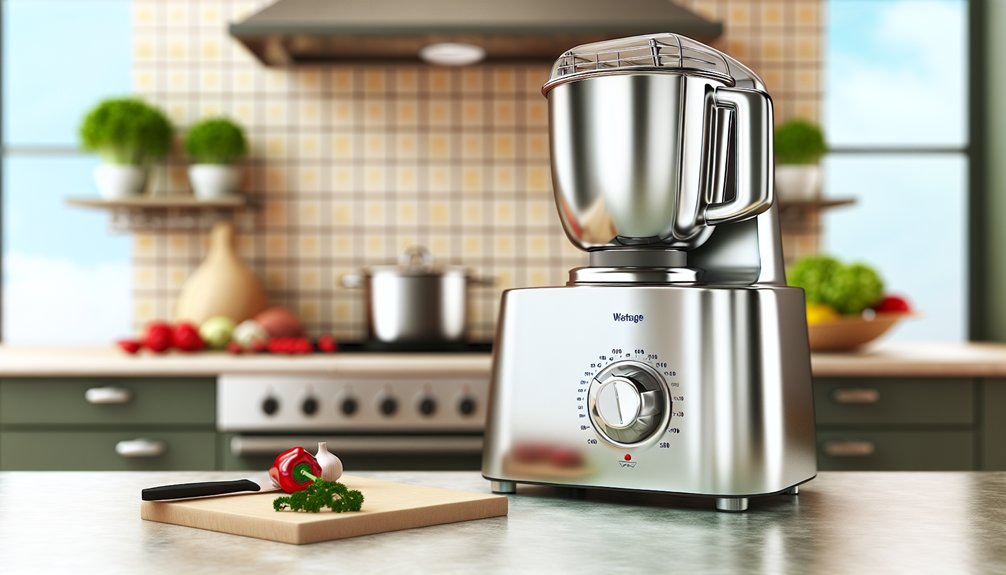
Think of wattage as the motor’s horsepower: it determines how quickly and reliably a mixer grinder handles different kitchen tasks. You’ll want higher wattage for dense jobs like grinding whole spices or kneading dough, because those require sustained torque and reduce stalling risk. For light tasks—blending smoothies or pureeing soft vegetables—you can choose lower wattage to save cost and weight, but check specs to ensure adequate RPMs. Compare rated wattage and continuous duty ratings; peak figures can be misleading. Also consider thermal protection, ventilation, and recommended jar sizes, since undersized motors forced to work hard will overheat. Prioritize units with safety certifications and clear duty-cycle guidance so you’ll avoid motor damage and household hazards. Many reliable 900 Watt models also offer features like 22000 rpm operation and shock-proof bodies that improve performance and safety.
How Wattage Affects Performance and Energy Use
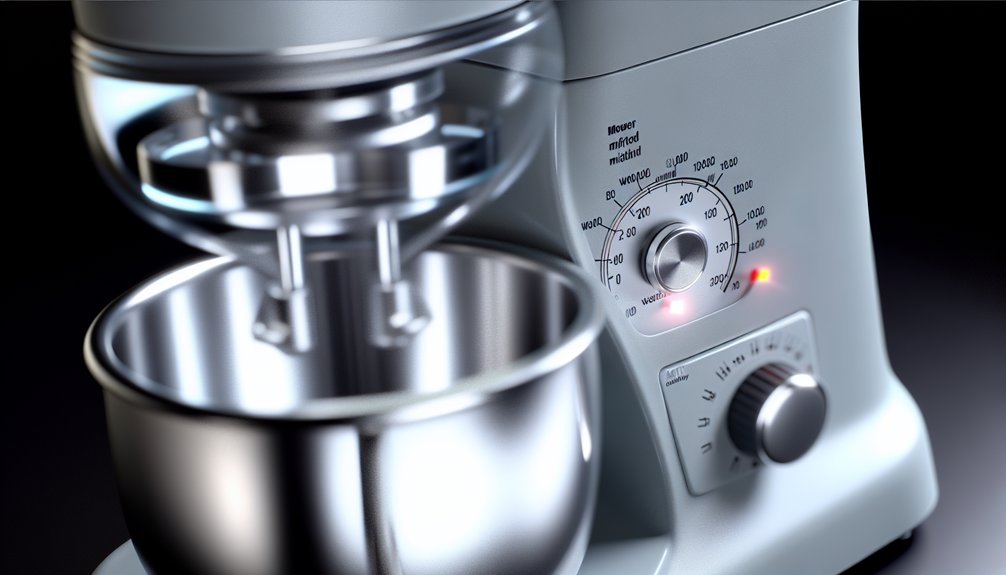
Having picked a wattage that matches your typical tasks, you’ll want to understand how that rating translates into real-world performance and energy use. Higher wattage generally delivers greater torque and sustained speed under load, so hard ingredients grind faster and motors run cooler; lower wattage models may stall or overheat when pushed, increasing safety risk. Energy consumption scales with power and usage time — a 750 W unit running for one minute uses 12.5 Wh, compared with 375 W using 6.25 Wh — so choose power to minimize run time rather than maxing wattage. Compare rated wattage, duty cycle, and thermal protection: efficient designs and proper ventilation reduce energy loss and improve safety. Match wattage to workload for optimal performance and lower risk. Consider also models with overload protection and enhanced cooling mechanisms to prevent damage during extended use.
Where to Find Wattage on Labels and Spec Sheets

Where can you quickly confirm a grinder’s wattage? Check the product label on the motor housing or base—manufacturers usually print input (W) and sometimes output power. If it’s not visible, examine the detachable jars or underside plate for a metal spec plate. Online, open the spec sheet or technical datasheet: look for “Input Power,” “Rated Power,” or “Motor Rating” values, often in watts (W) or kilowatts (kW). Compare listed wattage against declared RPM or torque figures to assess performance expectations. For safety, verify voltage and frequency alongside wattage to ensure compatibility with your supply. If specs are ambiguous, request a manufacturer’s certificate or clarified datasheet before purchase to avoid underpowered or unsafe matches. Also consider the brand’s declared warranties and motor protection features, such as overload motor protection, when evaluating power and durability.
Choosing the Right Wattage for Your Cooking Needs
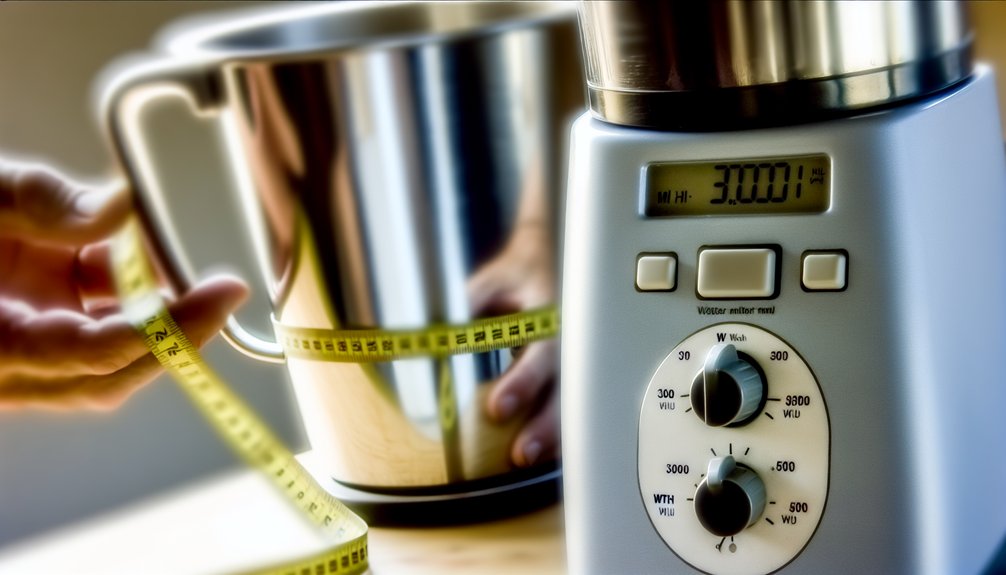
Now that you know where to find the wattage, pick a power level that matches what you actually cook. You’ll balance torque, thermal limits, and efficiency against common tasks: light blending needs less power; wet grinding and coarse chutneys need more. Choose higher wattage for dense, fibrous ingredients but expect increased motor heat and current draw; ensure the appliance has thermal overload protection and recommended duty cycles. For occasional use, a mid-range motor reduces noise and power consumption while still handling most household recipes safely. Compare continuous vs peak watt ratings, and prioritize models with clear safety specs. Assess cord rating and plug type to match your outlet capacity to avoid tripping or overheating.
- Light tasks: 300–500 W
- Versatile daily use: 500–750 W
- Heavy grinding: 750–1200 W
Also consider jars and blade quality—many top models include multiple stainless steel jars and specialized blades for tasks like whipping and mincing, which affect performance and durability; see stainless steel jars for details.
Quick In-Store and Online Checks Before You Buy
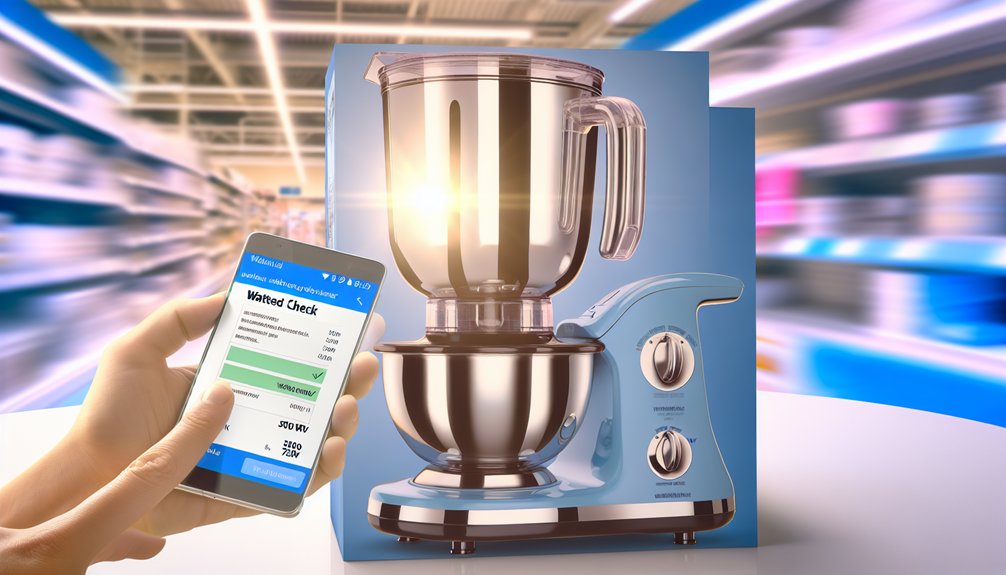
Want to be sure the grinder you pick will actually handle your recipes? In-store, check the nameplate: confirm rated wattage, input voltage, and service factor. Inspect motor casing for ventilation and thermal cutout labels. Ask staff for demonstration under load (wet chutney or masala) to hear strain and observe overheating signs. Compare models side-by-side for watt-per-kg performance: higher continuous wattage with efficient cooling beats short burst ratings.
Online, verify specifications on manufacturer sites, not just retailer listings. Read user reviews focusing on sustained performance, motor failures, and safety trips. Look for certifications (ISI, CE) and clear warranty terms covering motor burnout. If spec sheets are vague, contact support for torque and duty-cycle data before buying to ensure safe, reliable operation. Also consider models with 5-year motor warranties for added motor protection and reliability.
Frequently Asked Questions
Can Wattage Affect Noise Levels During Operation?
Yes — higher wattage motors can be louder, but not always; you’ll compare motor design, build quality, and insulation. Choose balanced wattage with robust housing and safety features to minimize noise while ensuring performance and safe operation.
Does Higher Wattage Mean a Longer Lifespan?
Not necessarily; higher wattage can handle tougher loads and reduce motor strain, but longevity also depends on build quality, cooling, duty cycle and maintenance, so you should compare specs, warranties and safety features before deciding.
Are Wattage Ratings Measured Under Specific Conditions?
Yes — wattage ratings’re usually measured under standardized test conditions (rated/load, voltage, duty cycle), so you’ll compare models reliably; still check manufacturer test specifics and safety margins because real-world loads and temperature affect actual power draw.
Can I Use a Stabilizer or Surge Protector With My Grinder?
Yes — you can use a stabilizer or surge protector with your grinder; choose one rated above the grinder’s peak starting wattage, prefer fast-response surge suppression, and ensure proper grounding to maximize safety and protect motor electronics.
Do Warranty Terms Depend on the Grinder’s Wattage?
Warranty terms can depend on wattage indirectly: higher-watt grinders often get longer or more extensive coverage due to industrial use expectations, while lower-watt models may have limited warranties; always compare specifications, exclusions, and service networks before buying.