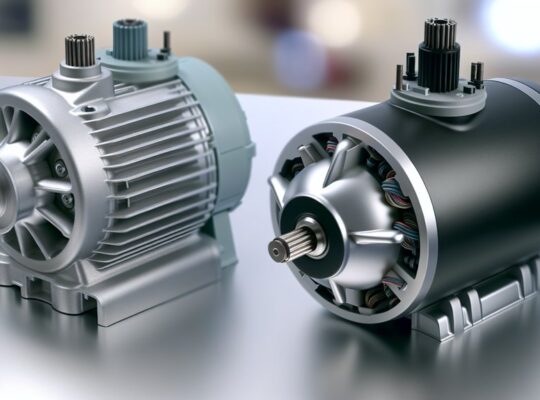
You’ll want to know RPM because it directly defines how fast the blades spin and how the grinder performs under load. It tells you expected fineness, processing time, heat generation and stress on the motor. Higher RPM can mean finer results but also more heat and wear if components aren’t matched. Keep this in mind when comparing models — and there’s one key distinction most buyers miss that changes everything.
Key Takeaways
- RPM (revolutions per minute) measures the motor’s shaft speed and indicates how fast blades spin under specified load.
- Higher RPM generally yields finer, quicker cutting and smoother purees but increases heat, noise, and wear.
- Torque, blade geometry, jar design, and load affect performance; RPM alone doesn’t determine grinding quality.
- Use lower RPMs for gentle mixing or fibrous ingredients and higher RPMs for fine milling or smooth emulsions.
- Reported RPMs can be no-load or loaded; verify measurement conditions or use a tachometer for accurate comparisons.
What RPM Means for Mixer Grinder Performance
What exactly does RPM tell you about a mixer grinder’s performance? It quantifies rotor revolutions per minute, indicating motor speed under specific load conditions. You’ll use RPM as a primary specification to compare nominal operating speed, stability under load, and suitability for intended tasks. Higher RPM usually means greater kinetic energy delivered to blades per unit time, but you’ll also consider torque, blade geometry, and bowl design because RPM alone doesn’t guarantee efficient processing.
When selecting or operating a unit, check rated no-load and loaded RPM, along with manufacturer test conditions. You’ll monitor RPM-related indicators: motor heating, unusual vibration, and sound levels — these signal abnormal load or wear and demand immediate shutdown for inspection. For safety, always ensure proper venting, secure lid locking, and adherence to duty cycles specified in the manual; operating beyond recommended RPM or continuous high-speed use increases risk of motor failure and user injury. Be sure to also consider the motor’s torque rating when matching grinder speed to heavy or fibrous ingredients.
How RPM Affects Texture and Consistency
Having looked at RPM as a measure of motor speed and load behavior, let’s examine how those speed differences translate into texture and consistency. You’ll find RPM controls particle size distribution: higher RPMs create greater shear and impact forces, producing finer, more uniform particles; lower RPMs yield coarser, more heterogeneous results. For emulsions and pastes, stable high RPMs promote rapid droplet breakup and homogenous dispersion, whereas moderate RPM with pulsed operation can prevent over-processing and maintain target viscosity. When working with fibrous or elastic materials, too-high RPMs can fragment fibers excessively, altering mouthfeel; too-low RPMs leave long strands. Pay attention to run time and feed rate—consistent input at the chosen RPM minimizes batch-to-batch variability. Use appropriate jars and blades matched to RPM to avoid mechanical resonance or imbalance. Always stop and inspect intermittently; you’ll catch undesired texture changes early and adjust RPM or process duration safely to meet your specification. Also, remember to use short pulses and rest intervals to control heat buildup and protect motor life pulse technique.
RPM and Motor Heat: What to Watch For
Why should you watch RPM in relation to motor heat? Higher rotational speeds increase mechanical and electrical losses—bearing friction, air drag, and I2R heating—so running at high RPM for extended periods raises motor temperature predictably. You should monitor duty cycle: short bursts at high RPM are safer than continuous operation. Track motor current and surface temperature; a steady rise beyond manufacturer limits signals thermal stress.
Control RPM to match load: heavier loads at high RPM multiply heat generation. Use pulse operation, lower speed settings, or incremental ramp-up to reduce thermal accumulation. Ensure ventilation paths aren’t obstructed and cooling fans spin freely; blocked airflow converts RPM-related heat into motor damage. Observe thermal cutoff triggers and allow proper cool-down intervals after heavy use.
For safety, follow rated RPM and duty specifications, install simple indicators (thermistors or current sensors) if needed, and stop immediately if you detect burning smells, smoke, or unusual vibration—those indicate overheating that can cause failure or fire. A wet grinder’s slower stone action also helps keep temperatures lower during long batter grinding slower grinding action, which reduces thermal stress on the motor.
Why Higher RPMs Aren’t Always Better
Is faster always better when you’re picking an RPM setting for a mixer grinder? Not necessarily. Higher RPMs increase cutting and shear rates, but they also raise vibration, noise, heat generation, and mechanical stress on bearings, seals, and blades. You’ll shorten component life and risk seal failure or motor overload if you run high speeds continuously on dense or viscous loads. Higher speeds can also reduce control: fine emulsions or precise textures may be ruined by over-shearing, while splatter and centrifugal displacement increase user hazard when lids or locks are marginal. For safety and longevity, match RPM to material properties — softer, watery ingredients tolerate high RPM; fibrous, oily, or heavy batches need lower RPM and longer processing or pulse operation. Operational best practices: use recommended speed ranges, avoid prolonged high-RPM cycles, allow cool-down intervals, secure lids and clamps, and monitor motor temperature and unusual vibrations. Choose a motor wattage and model with overload protection to reduce the risk of motor burnout when processing heavy or continuous loads.
How Manufacturers Measure and Report RPM
When you compare RPM specs, check which measurement standard the manufacturer used—no-load RPM, loaded RPM, or peak RPM—because each yields different figures. You’ll also want to verify whether the listed RPM is a nominal value or an experimentally measured speed under realistic load, since reported RPMs are often idealized. Understanding that distinction helps you predict real-world performance and avoid overestimating motor capability. Also remember to perform routine maintenance like cleaning and periodic sharpening of blades to maintain consistent performance.
Measurement Standards Used
How do manufacturers actually measure RPM, and what standards should you look for on a spec sheet? Manufacturers typically use calibrated tachometers or optical encoders to measure shaft speed under defined load and voltage conditions. You should look for references to test standards such as IEC 60034 (rotating electrical machines) or ISO 9001 quality procedures that describe measurement traceability. Spec sheets ought to specify measurement conditions: no-load vs. rated-load, supply voltage/frequency, ambient temperature, and tolerance (±% or rpm). Also check for calibration certificates for the measuring instruments and date of test. Standards and documented procedures reduce variability and improve safety by ensuring RPM figures reflect repeatable, verifiable methods rather than uncontrolled or anecdotal readings. For mixer grinders under ₹3000, consider manufacturers that emphasize sturdy shells and service support when evaluating reported RPM figures.
Reported vs. Actual RPM
Having established how RPM should be measured and documented, the next question is what those numbers actually mean for you in everyday use. Manufacturers often quote no-load RPM measured with a tachometer on an unloaded motor shaft; that peak value doesn’t reflect torque-dependent slowing under load. They’ll also state RPM ranges for different speed settings, but testers may use different loads, instruments, or averaging methods. You should expect published RPM to be an idealized indicator, not a guarantee under heavy grinding. For safe operation, verify RPM under realistic conditions if possible, watch for motor overheating, and prefer specifications that include loaded RPM, measurement method, and test conditions. Consider also the motor wattage and construction when evaluating RPM claims, since higher-rated motors like 750 watts tend to maintain speed better under load.
RPM Ranges for Common Kitchen Tasks
Curious what RPM you actually need for different kitchen jobs? You’ll choose speeds based on texture, heat generation, and safety. Lower RPMs preserve structure and prevent splatter; higher RPMs reduce particle size but raise temperature and aerosol risk. Use the ranges below as clear operational targets you can set or approximate.
- 500–1,500 RPM: gentle mixing, folding batters, emulsions that mustn’t overheat.
- 1,500–3,000 RPM: coarse chopping, pulse grinding of nuts, safer for short bursts.
- 3,000–6,000 RPM: fine grinding of dry spices, pastes when cooled between runs.
- 6,000–10,000 RPM: smooth purees, nut butters, requires monitoring for warmth.
- 10,000+ RPM: ultrafine milling, wet emulsions; use only in jars rated for high speed and with secure lids.
Operate in short intervals, allow cool-downs, and keep hands and utensils clear of running blades to minimize mechanical and thermal hazards. Usha mixers typically use 100% copper motors which help maintain torque and reduce heat buildup during tougher grinding tasks.
Matching RPM to Blade Design and Jar Type
Why should you match RPM to blade geometry and jar construction? You need compatible combinations to achieve efficient cutting while minimizing vibration, heat, and stress. Blades with aggressive bevels and thin profiles perform best at higher RPMs because they rely on tip speed for shearing; use a rigid metal jar and secure lid to control aerodynamic loads. Blunter, thicker blades or serrated edges work better at moderate RPMs where impact and tumbling dominate; pair them with thicker-walled or polymer jars that absorb shock.
Always check manufacturer limits for both blade assembly and jar material. Start at lower speeds and increase incrementally while monitoring noise, wobble, and temperature. If you see flexing, leaking, or atypical vibration, reduce RPM immediately. For safety, never run brittle glass jars at high RPMs, and avoid high-RPM runs with worn or improperly seated blades. Proper matching preserves performance and reduces immediate mechanical hazards. Havells models also commonly include thermal overload protection and suction feet to reduce downtime and vibration.
RPM’s Impact on Motor Lifespan and Durability
Matching blade and jar specs helps prevent immediate failures, but the speeds you run also determine how long the motor will last. You should understand that higher RPM increases thermal and mechanical stress: windings heat up faster, bearings see greater centrifugal loads, and insulation degrades sooner. Operating continuously at peak RPM shortens service life; pulsed or moderate-speed use reduces cumulative damage.
Consider these failure modes and their visual cues:
- Shaft wobble from bearing wear — uneven jar motion and noise
- Darkened windings or burnt smell — insulation breakdown from overheating
- Excessive vibration — rotor imbalance accelerated by high RPM
- Reduced torque under load — motor saturation signaling stress
- Recurrent thermal cutouts — repeated over-temperature events
Design choices like cooling vents, duty cycle rating, and RPM control buffers matter. You’ll want to match expected use to the motor’s rated RPM and duty cycle to minimize wear and maintain safe operation. Many Panasonic models include double locking safety systems and specific duty ratings that can help protect the motor and user.
Practical Tips for Testing RPM in Store or at Home
How do you quickly verify a mixer grinder’s RPM without specialized gear? You can use a smartphone camera and simple math: record the running blade at high frame rate (60–240 fps), slow the clip, count blade rotations over a measured interval (e.g., 2–5 seconds), then compute RPM = (rotations / seconds) × 60. Ensure the jar lid is secured, the grinder is on a stable surface, and you wear eye protection. For slightly more precision, place a small, high-contrast tape mark on the blade hub (not the cutting edge) before testing; this makes rotation counts unambiguous and reduces parallax error.
In-store testing follows the same procedure but be respectful of demo policies and hygiene: use an empty jar and disinfected lid, request staff permission, and avoid prolonged runs that could overheat the motor. If results vary widely between speeds, or you detect vibration, stop immediately and consult the seller or manufacturer for inspection.
Choosing the Right RPM for Your Cooking Habits
Now that you can measure a grinder’s spin speed, pick an RPM range that matches the tasks you actually do. You’ll assess ingredients, frequency, and safety margins: choose lower RPMs (3–10k) for coarse chopping and heat-sensitive items, mid RPMs (10–18k) for wet grinding and spice pastes, and higher RPMs (18k+) only for dry milling of hard grains with strict cooling intervals. Match container size and blade type to RPM to avoid cavitation, splatter, and motor strain. Follow safe-use practices: secure lids, feed in small batches, and allow cool-down cycles.
- A small chutney jar at 10–12k for moist herbs
- A mid-size jar at 14–16k for batter and dosa batter
- A large jar below 12k for pulse chopping
- High RPM bursts (18k+) for powdered rava with pauses
- Continuous low RPMs for temperature-sensitive nuts
Choose settings that minimize overheating, maintain seals, and extend motor life.
Frequently Asked Questions
Does RPM Affect Energy Consumption of Mixer Grinders?
Yes — higher RPMs usually increase power draw and energy use, though torque, load, and motor efficiency matter; you’ll consume more energy under heavier loads or prolonged high-RPM operation, so monitor duty cycle and avoid overheating.
How Does RPM Influence Noise Levels?
Higher RPMs typically increase noise because faster motor and blade rotation generate more aerodynamic and mechanical sound; you’ll need better insulation, tighter mounting, and vibration damping to keep noise within safe, acceptable levels during operation.
Can RPM Settings Be Altered by Third-Party Accessories?
Yes — you can alter RPM with some third-party accessories like variable-speed controllers or replacement motors, but you shouldn’t unless they’re certified compatible; improper mods can void warranties, create overheating, electrical hazards, and compromise safe operation.
Do RPMS Differ Between Single-Speed and Variable-Speed Models?
Yes — single-speed units run at one fixed RPM, while variable-speed models let you adjust RPM across a range for different tasks. You’ll choose safer, task-appropriate speeds, reducing overheating, splatter, and component wear.
How Does RPM Impact Safety Features Like Overload Protection?
RPM affects overload protection because higher speeds raise motor heat and current; you’ll need robust sensors and faster cutoff thresholds, so variable-speed models often incorporate adaptive protection to prevent thermal damage and tripping under heavy loads.