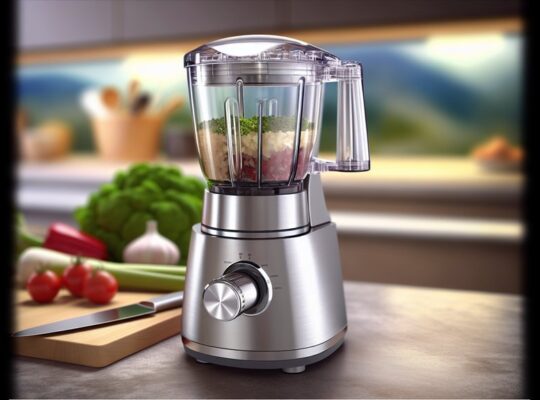
When you pick between stainless steel and plastic jars, you’re balancing durability, safety, and cost against weight and design flexibility. Each material behaves differently with heat, acids, oils and UV exposure, and that affects longevity and contamination risk. I’ll walk through performance, environmental trade-offs, and practical use-cases so you can match the jar to the task — and avoid common mistakes that shorten their life.
Key Takeaways
- Stainless steel jars are more durable, heat-tolerant, and less prone to chemical leaching than most plastics.
- Plastic jars are lighter, often transparent, and less expensive upfront but vary widely by polymer and quality.
- For food safety, choose stainless (304/316) or food-grade plastics (HDPE, PP) with FDA/NSF certification.
- Plastics can deform, UV-degrade, or leach additives with heat or fats; stainless resists high temperatures and many chemicals.
- Consider total cost of ownership: higher initial cost for stainless but longer life and better recyclability than plastic.
Why Material Choice Matters for Kitchen Storage
Why does the material of a jar matter for your kitchen storage? You need predictable performance: material determines durability, barrier properties, chemical inertness, weight, and maintenance. Stainless steel offers mechanical strength, impact resistance, and a non-porous surface that resists staining and odor retention; it’s stable under temperature variation and compatible with repeated washing and sanitization. Plastic jars are lightweight, impact-tolerant, and often transparent, but they vary widely in polymer composition, affecting permeability to gases and vapors, scratch susceptibility, and long-term dimensional stability. For storage systems you’ll evaluate: structural integrity under load, seal compatibility with lids and gaskets, resistance to abrasive cleaning, and resistance to leaching under expected conditions. Choose materials that match intended use—bulk dry goods, liquids, or refrigerated items—and maintenance regimen. Prioritize materials with clear specifications, traceable grades, and documented resistance to common kitchen stressors to minimize failure and contamination risk. For commercial kitchens, also consider stainless-steel jars rated for heavy-duty use and easy maintenance.
Health and Food-Safety Considerations
How should you assess health and food-safety risks when choosing between stainless steel and plastic jars? You’ll evaluate chemical inertness, leaching potential, cleaning compatibility, and contamination control. Stainless steel (food-grade 304/18-8 or 316) is largely inert, resists acid and oil, and won’t leach under normal use; verify mill certification for corrosive environments. For plastics, check resin identification codes and choose BPA-free, food-contact-rated polymers (HDPE, PP). Assess temperature exposure: plastics can migrate additives when heated or with fatty foods; stainless steel tolerates higher temperatures without degradation. Consider surface condition: scratches, pitting, and seam integrity increase microbial harborage and leaching risk in both materials. Confirm seal materials (silicone, nitrile) are food-grade. Review cleaning and sanitizing compatibility—chlorine, caustics, and high heat can degrade some plastics and gaskets. Finally, prefer suppliers with food-safety documentation (FDA, EU Regs, or NSF) and retain traceability records for risk control and audits. Also consider overall product design and intended use, such as whether jars are intended for portable smoothie applications, when assessing suitability.
Durability and Long-Term Performance
When choosing between stainless steel and plastic jars, you’ll want to assess impact and wear resistance to predict how each will handle drops, knocks, and repeated use. Consider corrosion and rust potential—stainless grades resist oxidation but can corrode under chlorides, while plastics won’t rust but can degrade under UV and chemicals. Finally, evaluate long-term material stability: metals retain structural integrity and barrier properties better over time, whereas some polymers may embrittle, yellow, or leach additives. Regular maintenance such as wiping seals and drying jars after washing can extend jar life and prevent odor or moisture buildup post-wash maintenance.
Impact and Wear Resistance
Ever wondered which jar will survive daily knocks and drops without failing? You’ll find stainless steel offers higher impact resistance under point loads and repetitive micro-impacts; its tensile strength and yield point reduce deformation and cracking. Hardened or thicker gauges resist denting, so seals stay intact and contamination risks drop. Plastic jars can absorb shock via flexural deformation, which lowers breakage risk on single impacts but promotes fatigue, abrasion, and surface crazing over time. UV-exposed or thin plastics lose toughness, increasing chip and crack formation. For safety, choose materials and wall thickness matched to expected drop energy, handle design that mitigates direct impacts, and test assemblies for repeated-edge strikes. Regular inspections for microfractures or permanent deformation are essential to maintain containment integrity. Also ensure jars and lids are correctly seated and secured before operation to reduce risk of jar load–related jams and stress on the motor.
Corrosion and Rust Potential
Impact resistance ties into long-term containment because material damage and seal breaches accelerate corrosion pathways. You’ll find stainless steel resists oxidation far better than common plastics; grades like 304 and 316 form passive chromium oxide layers that inhibit rust under normal conditions. However, chloride exposure, pitting, and crevice corrosion can occur, so you should choose appropriate alloy and finish for salty or acidic environments. Plastics won’t rust, but they’re susceptible to chemical attack, swelling, and stress cracking that compromise seals and allow moisture or contaminants to reach contents. For safety, inspect joints, coatings, and gaskets regularly, avoid incompatible cleaners, and select materials based on expected chemical exposures. Document maintenance and replacement intervals to manage corrosion-related risk. Also consider warranty terms, since a longer or clearer warranty period can reduce long-term repair and replacement costs associated with material degradation.
Long-Term Material Stability
How will the jar hold up over years of use, cleaning, and environmental stressors? You’ll assess fatigue, wear, chemical resistance, and dimensional stability. Stainless steel resists physical impact, high temperatures, and many solvents; it’s welded or seamless, so joints last. Plastic resists corrosion and is lightweight, but can creep, crack under UV, and absorb oils. For safety you’ll prefer materials with predictable failure modes and certified grades.
| Property | Stainless Steel |
|---|---|
| Impact resistance | High |
| Chemical resistance | Broad |
| Thermal stability | High |
| UV resistance | Excellent |
| Long-term deformation | Low |
Choose stainless for structural longevity; choose specified engineering plastics when weight, transparency, or cost control are critical, verifying certifications. Overload protection in the appliance helps prevent motor stress that can exacerbate wear on jars and blades by interrupting operation during excessive load conditions.
Environmental Impact and Recycling
Why choose stainless steel or plastic when evaluating environmental cost and end-of-life options? You need clear metrics: embodied energy, recyclability rates, contamination risk, and landfill persistence. Assess lifecycle impacts objectively to maintain safety and regulatory compliance.
- Recyclability: Stainless steel is highly recyclable with minimal quality loss; many municipal systems accept it. Common plastics (PET, HDPE) are recyclable but degrade and require sorting; mixed plastics often get landfilled.
- Embodied energy and emissions: Steel fabrication has higher initial energy and CO2 intensity, but repeated recycling reduces net impact. Plastic production is lower-energy but relies on fossil feedstocks.
- Contamination and safety: Residual contents contaminate recycling streams; you must clean jars to prevent hazards and processing rejection.
- End-of-life fate: Plastics risk microplastic generation and long-term persistence; stainless steel, when recycled, returns to useful stock and reduces resource extraction.
- For appliance selection, prioritize materials and features that support energy-efficient operation to reduce lifecycle impacts and maintenance needs.
Cost and Value Over Time
You’ll notice stainless steel jars cost more up front than plastic, so factor purchase price into your selection. Over time, account for durability-related costs—stainless resists damage and replacement, while plastic may require more frequent replacement or cleaning. Compare total cost of ownership over the container’s expected service life to determine true value. Processors with overload protection and sturdy construction can lower long-term replacement and maintenance costs.
Upfront Purchase Price
Curious which option gives you better immediate value? You’ll pay more per unit for stainless steel up front due to material and manufacturing costs, while plastic jars are cheaper to buy in bulk. Consider certifications and food-grade assurances; those add to initial cost but increase safety confidence. Don’t conflate upfront price with total cost — this section only covers purchase price factors you’ll face immediately.
- Unit cost: plastic lower, stainless higher.
- Minimum order: bulk plastic reduces price; stainless often needs higher MOQ.
- Certifications: NSF/FDA-compliant options raise initial expense for both.
- Packaging/transport: stainless increases freight cost due to weight; plastic is lighter and cheaper.
Choose based on budget and immediate safety requirements. Proper ventilation and maintenance can reduce long-term costs by preventing overheating and extending jar and motor life.
Long-Term Durability Costs
How long will a jar actually last in service and what will it cost you over that time? You’ll evaluate lifecycle cost by combining expected service life, maintenance, replacement frequency, and failure risk. Stainless steel typically endures decades with minimal degradation, resisting impact, UV, and chemical attack; maintenance is limited to periodic cleaning and gasket replacement. Plastic often degrades under UV, heat, and aggressive solvents, shortening usable life and increasing replacement and contamination risk. Quantify costs as annualized expense: (initial price + cumulative maintenance + disposal + replacement costs) / service years. Factor in safety costs from leachables, product loss, and regulatory compliance. Choosing stainless usually raises upfront cost but lowers long-term total cost and safety liabilities. Consider also that material quality differences between stainless steel and plastic influence longevity, maintenance needs, and warranty implications.
Design, Functionality, and Aesthetics
What makes a jar effective often comes down to how its design balances form and function: stainless steel jars prioritize durability, thermal performance, and a sleek, modern profile, while plastic jars offer lighter weight, transparency for quick content identification, and greater molding flexibility for varied shapes and closures. You’ll evaluate lids, seals, wall thickness, and finish to assess safety and performance. Surface treatments affect cleanability and contamination risk; smooth, non-porous interiors are preferable. Ergonomics matter for handling and dispensing, especially when contents are hot or reactive.
- Seal integrity — gasket materials, thread design, and leak-proof testing standards.
- Thermal behavior — insulation, heat transfer rates, and temperature resilience.
- Visibility & labeling — translucent walls vs. applied labels for inventory control.
- Structural resilience — impact resistance, fatigue under repeated opening, and corrosion resistance.
You’ll choose based on measured criteria: contamination control, ease of sterilization, and consistent mechanical performance.
Best Uses: Which Jar for Which Task
When you match jar material to a specific task, think in terms of constraints and performance targets: choose stainless steel when you need chemical resistance, high-temperature tolerance, mechanical durability, and minimal contamination risk; choose plastic when weight, cost, translucency, or complex molded geometries are primary drivers and when operating temperatures and solvent exposure are limited. For sterilizable storage, reactive chemicals, hot-fill processes, or abrasive solids, stainless steel is the safer, longer-lasting option — it resists corrosion, survives autoclaving, and minimizes leachables. For lightweight transport, noncritical dry goods, visual inventory control, or single-use applications, plastic jars reduce cost and handling effort. Avoid plastics with known solvent incompatibilities or high oxygen permeability in sensitive formulations. Consider closure compatibility, gasket materials, and regulatory requirements (food, pharma) when selecting a jar. If safety and contamination control are priorities, err toward stainless steel; if portability, transparency, and molding complexity govern the design, plastic is appropriate within its defined limits.
Caring for and Maintaining Your Jars
Need guidance on upkeep? You’ll follow clear procedures to keep stainless steel and plastic jars safe, functional, and contamination-free. Clean immediately after use, inspect seals and surfaces, and store properly to prevent degradation.
- Wash protocols: use dish soap and warm water for plastic; for stainless steel, add mild detergent and non-abrasive pad. Rinse thoroughly to remove residues.
- Disinfection: use 70% isopropyl or diluted bleach (500 ppm) for both materials when storing food or chemicals. Follow contact time recommendations and rinse if required.
- Inspection checklist: check lids, threads, and gaskets for cracks, warping, or corrosion. Replace any component showing damage or persistent staining.
- Storage and handling: keep jars dry, away from UV and heat sources. For plastic, avoid long-term solvent exposure; for stainless, prevent chloride contact to reduce pitting.
Follow manufacturer limits for temperature and chemical compatibility. Document maintenance actions and replace jars according to safety risk assessments.
Frequently Asked Questions
Are Stainless Steel Jars Microwave-Safe?
No, stainless steel jars aren’t microwave-safe; they’ll reflect microwaves, risk arcing, and can damage the appliance or cause burns. You shouldn’t put metal in a microwave—use microwave-safe glass or approved plastic instead for heating.
Do Plastic Jars Retain Odors Long-Term?
Yes — plastic jars often retain odors long-term, especially porous or low-density plastics; you’ll notice lingering smells after strong or oily contents. Use high-density plastics, thorough washing, baking soda, sunlight, or replace containers for safety.
Can Either Jar Type Be Used for Fermenting Foods?
Yes — you can ferment in both, but you’ll choose based on safety: stainless steel (food-grade 304/316) is nonreactive and durable; food-safe, low-porosity plastics (HDPE, PP) work if undamaged and cleaned thoroughly.
Which Jar Type Is Best for Travel and Camping?
Stainless steel’s the best for travel and camping: it’s durable, puncture-resistant, UV-stable, and won’t leach chemicals. You’ll avoid breakage and contamination; choose insulated, leakproof models with secure lids and food-grade certification for safety.
Are There Health Concerns With Colored or Printed Jars?
Yes — colored or printed jars can pose risks if inks, dyes, or coatings contain harmful chemicals that leach into food. You should choose jars with food-safe, certified coatings, check for BPA-free labeling, and avoid damaged finishes.