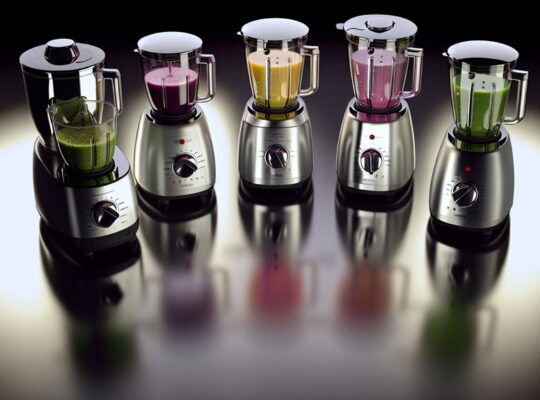
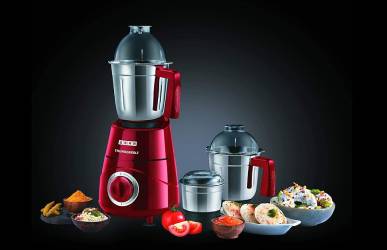
You’ll notice right away that a bullet mixer is compact, quick, and easy to clean, while a traditional mixer grinder gives you more power, jars, and precise control for tougher jobs. Each has clear trade-offs in space, versatility, and durability, so which fits your kitchen will depend on the kinds of tasks you do most—and that choice can change how much time and effort you spend in the long run.
Key Takeaways
- Bullet mixers are compact, portable single-jar units best for small, quick blending tasks and easy cleanup.
- Traditional mixer grinders have multiple jars and stronger motors for heavy grinding, batter-making, and varied kitchen tasks.
- Bullets deliver higher RPMs but lower torque and limited speed control; traditional grinders offer more torque and precise speed ranges.
- Safety and durability: traditional units usually have sturdier gear assemblies and thermal/overload protection; bullets rely on simpler plastics and quick-release blades.
- Choose bullets for space, affordability, and light use; choose traditional grinders for heavy-duty performance, versatility, and longevity.
Key Differences Between Bullet Mixers and Traditional Mixer Grinders
Wondering which fits your kitchen better? You’ll notice bullet mixers are compact, single-jar units designed for small batches and quick tasks like smoothies or chutneys, while traditional mixer grinders are larger, multi-jar systems built for varied jobs—grinding, wet grinding, and kneading. You’ll prefer a bullet if counter space, portability, and simple cleanup matter; you’ll choose a traditional grinder if versatility and multiple jar sizes matter. In safety terms, bullet mixers often have straightforward lid-locks and fewer exposed components, reducing pinch risks; traditional grinders include heavier motors and multiple attachments that need secure locking and correct assembly to avoid hazards. Maintenance differs too: bullets are easier to disassemble and wash, whereas traditional grinders demand careful jar and blade handling and periodic motor checks. Noise and vibration are usually lower in bullets; traditional units can be louder but handle tougher tasks. Match your choice to the volume you prepare, storage limits, and your comfort with routine safety checks. Many reliable traditional models also offer a 750W motor that supports continuous grinding for demanding kitchen tasks.
Performance and Power: What Each Machine Excels At
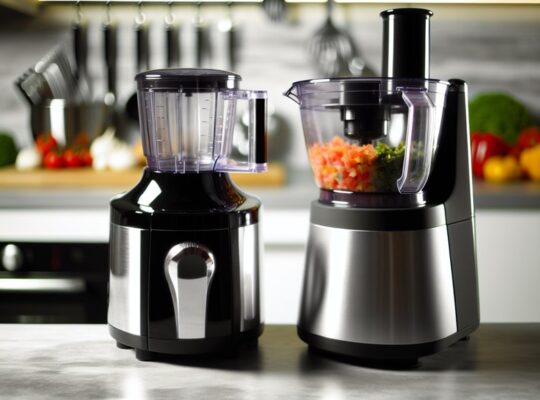
You’ll notice bullet mixers pack higher RPMs but lower torque, so they excel at fast liquid blending and fine purees while traditional mixer grinders deliver stronger torque for grinding tough dry ingredients. Speed control on bullets is often limited to a couple of preset levels, whereas traditional units give you a wider, more precise speed range for gradual texture control. Consider what you use most—high-speed emulsifying or heavy-duty grinding—to pick the right balance of power and control. Food processors and higher-powered mixers (650–1000W) also offer multi-speed/pulse modes that save time on bulk prep and kneading roti dough.
Power and Torque
How much raw power do you actually need in the kitchen? You’ll find bullet mixers have lower wattage but high RPMs, suited for quick blending of soft fruits and liquids with less draw on circuits. Traditional mixer grinders deliver higher wattage and greater torque, so they handle tough tasks like wet grinding or kneading thicker batters without bogging down. Torque matters when load increases; traditional units sustain momentum, reducing motor strain and overheating risk. Bullets can overheat if overloaded, so you’ll need shorter, monitored runs and cool-downs. For safety, match power to intended tasks: choose a traditional grinder for heavy-duty use and a bullet for light, frequent blending. Always follow duty-cycle recommendations and allow ventilation to prevent motor damage. For heavy use in Indian kitchens, consider a model with thermal cut-off protection and robust jars to ensure longer life and safer operation.
Speed Control Range
Power and torque set the stage, but speed control determines how flexibly a machine handles different tasks. You’ll find bullet mixers typically offer one or two fixed speeds or a simple pulse, so you move fast for smoothies but have limited finesse for emulsions or gentle purees. Traditional mixer grinders usually provide multiple speed settings or a variable dial, letting you start slow to avoid splatter, increase for grinding, then reduce for kneading. For safety, lower speeds reduce heat and splatter risk; higher speeds finish jobs quicker but demand secure lids and even loads. If you need precision—sauces, baby food, tempered grinding—choose a mixer with finer speed gradations. Match control range to task variety and safety habits. Higher-wattage, variable-speed units also help preserve flavor by reducing grind time and heat buildup, especially when handling volatile oils in spice pastes.
Versatility and Attachments: Jars, Blades, and Functions
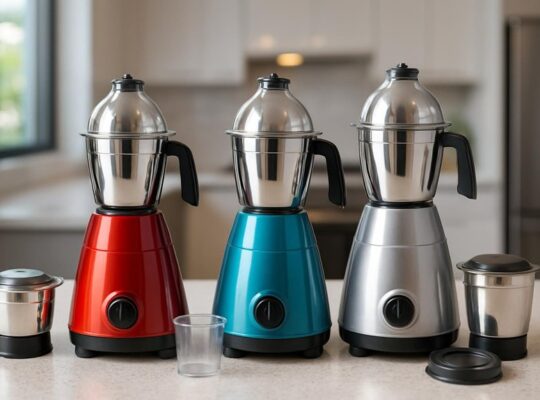
You’ll notice the jar and blade options differ sharply: bullet mixers favor a few compact jars with fixed blade assemblies, while traditional grinders offer multiple jar sizes and removable blade sets. Function-specific attachments—like whipping discs, chutney jars, or wet-grind plates—expand a traditional unit’s range, whereas bullets rely on speed and blade shape for versatility. Compare the practical uses you need and which attachment lineup actually matches your regular recipes. Preethi models often include multiple jars and features like heat-sensitive cut-off to protect the motor and improve safety.
Jar and Blade Variety
Jars and blades determine what each machine can actually do, so comparing their variety tells you a lot about versatility and convenience. You’ll notice bullet mixers usually come with a few compact jars and fixed stainless blades suited for smoothies and quick chopping, while traditional grinders offer multiple larger jars and interchangeable blade sets for grinding, wet mixing, and dry milling. Choose based on volume, maintenance, and safety: sealed lids, sturdy locking, and heat-resistant materials matter.
- Bullet mixer: small jars, integrated blade units
- Traditional grinder: multiple jar sizes, detachable blades
- Safety features: locking lids, splash guards, thermal cut-offs
- Maintenance: ease of cleaning, blade replacement options
Pick the combo that matches your portions and safety expectations. For heavy batter-making and traditional grinding tasks, consider machines with conical grinding stones for better texture and flavor retention.
Function-Specific Attachments
How do specific attachments change what your mixer can actually do? You’ll find bullet mixers offer quick-swap blending cups and simple blade pods for smoothies, chopping, and light grinding; they’re compact and reduce exposure to moving parts. Traditional mixer grinders include multiple jars, wet/dry blades, and often chutney or juicer attachments, letting you tackle tougher tasks like dough kneading, coarse grinding, and heavy wet grinding. For safety, check locking mechanisms, gasket integrity, and blade guards on both types before use. Match attachment material and speed to the task—metal blades for toughness, plastic jars for liquids—and avoid overfilling. Maintenance differs: detachable parts in bullets are easy to clean but less rugged; traditional attachments need careful assembly to prevent leaks and motor strain. Consider models with motor warranties and robust housings to ensure long-term reliability.
Size, Storage, and Ease of Cleaning
Looking for compact kitchen gear that won’t hog counter space? You’ll notice bullet mixers are slim, often storing vertically in a cabinet, while traditional mixer grinders are bulkier with multiple jars that need shelf room. You’ll want to weigh footprint, storage method, and cleaning access.
- Size: bullet mixers occupy minimal counter area; traditional units need more clearance and stable placement.
- Storage: detachable parts on bullets let you stow components separately; traditional jars and stabilizing bases take larger, defined space.
- Ease of cleaning: bullet jars are often dishwasher-safe or rinsed quickly; traditional grinders have more crevices and heavier lids that need careful washing.
- Safety-focused handling: both demand unplugging before disassembly; quick-release blades on bullets reduce cut risk compared with fiddly blade assemblies on some grinders.
Choose based on your cabinet space and how comfortably you’ll clean and safely store individual parts. A key factor is motor power, as many models range from 350W to 1000W and determine performance for different tasks, especially heavier grinding needs like powerful motors.
Noise, Durability, and Maintenance Considerations
After you’ve sized up storage and cleaning needs, think about noise, durability, and maintenance because they affect daily comfort and long-term cost. Bullet mixers tend to run quieter due to compact motors and sealed jars, so you’ll disturb others less during early-morning use. Traditional mixer grinders usually produce more vibration and higher decibel levels, especially under heavy loads; consider rubber feet and placement to reduce noise transfer.
For durability, traditional units often have sturdier gear assemblies and metal blades that tolerate frequent, heavy use; they’ll last if you follow torque limits. Bullet mixers have fewer parts to fail but rely on plastic couplings and smaller motors that can wear faster with continuous heavy use. Maintenance is simpler on bullets: remove jars, clean blades, and wipe motor base. Traditional grinders need periodic checks of blades, couplings, and motor vents; you should unplug before servicing and follow manufacturer safety instructions to avoid accidents. Commercial kitchens should prefer models with thermal overload protection to protect motors during continuous use.
Price, Value, and Which One to Choose Based on Your Needs
Wondering which gives you the best bang for your buck? You’ll weigh upfront cost against long-term value and safety. Bullet mixers are cheaper, compact, and great for quick tasks; traditional mixer grinders cost more but handle heavy-duty grinding and last longer with proper care. Consider maintenance, warranty, and predictable safety features like thermal cutoffs and sturdy lids.
- Bullet mixer: low price, limited capacity, easy cleanup, good for smoothies and light chores
- Traditional grinder: higher price, larger jars, robust motors, suited for pastes and rice grinding
- Value factors: warranty length, spare parts availability, energy use, and build quality
- Safety cues: secure lids, overload protection, and stable bases should guide purchases
Choose a bullet mixer if you prioritize affordability, space, and simple tasks. Pick a traditional mixer grinder if you need durability, versatility, and safer handling for heavy or frequent use.
Frequently Asked Questions
Are Replacement Parts Widely Available for Bullet Mixers?
Yes — you’ll usually find common replacement parts for bullet mixers (blades, jars, seals), but availability varies by brand; check certified dealers, keep receipts, and avoid DIY fixes to maintain safety and warranty coverage.
Can Either Mixer Chop Ice Into Fine Snow?
Yes — both can crush ice, but a bullet blender typically handles small amounts into finer snow quicker; a traditional grinder may struggle unless fitted with an ice-capable bowl and sharp blades, so you should proceed cautiously.
Which Is Safer for Homes With Small Children?
A traditional mixer grinder’s enclosed jars and heavier base are generally safer around small children, since you’re less likely to expose blades or tip the unit; you’ll still want locks, supervision, and outlet safety measures.
Do Either Machines Come With Warranty on Motor Burn-Out?
Yes — most brands offer motor burn-out warranties, but coverage varies. You’ll want to compare terms: duration, exclusions (overload, misuse), claim process, and whether service centers are local so repairs or replacements are prompt and safe for home use.
Can Bullet Mixers Make Large-Batch Dough Reliably?
They can, but you’ll face limits: bullet mixers handle small to medium doughs reliably, but for large batches you’ll need a full-size stand mixer with higher torque, stronger motor protection, and secure mixing attachments for safety.