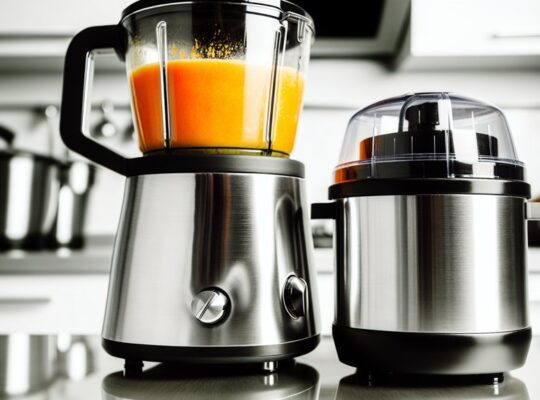
You need to think in continuous watts, not headline peaks, because real duty and thermal limits control reliability. Start by profiling the load and duty cycle, decide whether torque or speed matters more, and size the motor for sustained power plus a safety margin that reflects cooling and ambient conditions. Get this right and you avoid undersizing or needless cost—now consider how to turn that profile into a concrete wattage.
Key Takeaways
- Determine your load profile (torque, speed, and continuous vs. peak durations) to separate continuous and peak power needs.
- Size to continuous wattage for expected duty cycle, adding a 25–50% safety margin for thermal headroom.
- Account for peak/inrush wattage for startups and brief events, ensuring controller and gearbox can handle short bursts.
- Convert intermittent loads into equivalent continuous power using duty-cycle weighting to check thermal limits.
- Verify cooling, ambient conditions, and controller/battery capabilities to prevent derating or protection trips.
Understanding Peak vs. Continuous Wattage
Ever wondered why a motor labeled 1000 W sometimes stalls while another with the same rating runs fine? You need to distinguish peak (short-term) wattage from continuous (rated) wattage. Peak wattage is the brief surge a motor can supply for acceleration or overcoming sudden loads; continuous wattage is what it can sustain indefinitely without overheating. If you size a system only to peak values, you’ll risk thermal overload, tripped protection, or premature wear during sustained use. Conversely, ignoring peak needs can leave you unable to overcome startup torque, causing stalls. Practically, check manufacturer specs for both numbers, and note duration limits for peak ratings. Use thermal protection, proper ventilation, and adequate controller current limits to match continuous capability. When specifying motors, document expected duty cycles and match continuous wattage to average load while ensuring peak wattage covers transient demands — this keeps operation reliable and safe. Choose components like stainless steel jars and durable blades that suit the motor’s power and your expected use to ensure longevity and safety.
How Duty Cycle Changes Your Wattage Needs
How often and for how long you’ll run a motor directly changes the wattage you need: short, infrequent bursts let you rely more on peak wattage, while long or continuous operation forces you to size for continuous (rated) wattage plus thermal headroom. You should quantify duty cycle as the percentage of a repetition period the motor is energized. A 10% duty cycle that uses full peak power for brief intervals can tolerate a lower continuous rating than a 100% duty cycle running steadily. Calculate energy input over time and compare it to the motor’s thermal limits; cumulative heating, not instantaneous power, determines insulation and winding life. Specify allowable ambient temperature, cooling method, and required safety margin—commonly 25–50% above expected continuous load—to prevent thermal overload. For intermittent tasks, confirm controller and protection devices handle repetitive peaks without thermal accumulation. Document expected run/idle patterns so component selection and protective settings match real-world duty, ensuring reliable, safe operation. Consider typical appliance examples such as mixer grinders with 500–750W motors to match duty cycle expectations and cooling needs.
Matching Wattage to Load Type: Torque vs. Speed
When choosing motor wattage you’ll need to separate torque-driven loads from speed-driven ones, since power requirements shift with RPM and torque. Consider both continuous power for sustained torque and peak power for short bursts to avoid undersizing the motor. Also account for gearboxes and mechanical load characteristics, because gearing can trade speed for torque and change the effective wattage your motor must deliver. For kitchen applications, choose a wattage appropriate to the load—750W for families provides a reliable balance between torque and efficiency.
Torque vs. RPM
Why does matching a motor’s wattage to whether your load needs torque or speed matter? You’ll identify whether required power should deliver high torque at low RPM or sustained speed at higher RPM. Torque times angular velocity equals mechanical power, so for a given wattage you can trade RPM for torque; increasing torque reduces top speed and vice versa. Practically, pick a motor whose continuous wattage covers peak torque demands at the working RPM to avoid stall or overheating. Use gear reduction if you need more torque without upping motor size, and prefer direct-drive for predictable RPM tasks. Always verify thermal limits, rated torque curves, and safe operating RPM ranges, and include margins for startup and transient loads to ensure reliable, safe operation. For household appliance applications, also consider typical product ratings such as Usha’s 500–800 watt mixer grinder motors which balance torque and speed for common kitchen tasks copper motor.
Continuous vs. Peak
Curious about the difference between continuous and peak wattage? You need to match motor capability to the load profile. Continuous wattage is the power the motor can sustain safely over long periods without overheating; design around it for duty cycles you expect to run for minutes or hours. Peak wattage is the short-duration envelope the motor can tolerate for brief demands like starts or sudden speed changes; it’s not for sustained loading. Analyze your application: if you have long, steady torque needs size the motor by continuous rating plus a safety margin. If you only need occasional bursts, ensure peak rating and thermal recovery are adequate. Always verify manufacturer thermal limits, protection features, and recommended duty cycles for safe operation. For many kitchen tasks, a 750W middle ground often provides the best balance of torque and sustained performance.
Gearbox and Loads
How do you match motor wattage to the actual mechanical task: by separating torque-driven loads from speed-driven loads and thinking in terms of gearbox ratios and effective torque at the output. You’ll assess whether the work demands high torque at low RPM (e.g., lifting, pressing) or sustained speed with light torque (e.g., fans, conveyors). Choose a gearbox that multiplies motor torque to meet stall and peak load needs while keeping motor RPM in its efficient band. Calculate required shaft torque = load torque / gear ratio, include inefficiencies, and convert to motor power using RPM. Verify thermal limits: continuous torque must not exceed motor continuous wattage. Include safety margins for startup and shock loads, and ensure brakes and couplings match peak torques.
Calculating Required Wattage for Your Application
You’ll need to separate continuous power (what the motor must sustain indefinitely) from peak power (short bursts for starts or stalls) and size the motor to meet the larger of the two demands. Calculate average load over the duty cycle to verify the motor’s thermal limits and guarantee peak events don’t exceed short-term ratings. Use duty-cycle weighting—time at each load level—to convert intermittent loads into an equivalent continuous wattage for reliable selection. Consider practical factors like heat buildup and required rest intervals when translating duty-cycle calculations to real-world appliance use, especially for tasks needing frequent long runs with rest intervals.
Continuous Vs Peak Power
Why does distinguishing continuous from peak power matter when sizing a motor? You need continuous power for sustained operation and peak power for short bursts like startup or transient loads. Continuous rating defines thermal limits—running above it will overheat and shorten life. Peak (or stall) rating indicates max torque available briefly; it’s not safe to run at peak for extended periods. When you select a motor, match continuous wattage to the longest expected demand, then verify the motor’s peak capability covers short spikes without exceeding thermal or mechanical limits. Use conservative margins and consult duty-cycle specifications and manufacturer thermal curves. Prioritize continuous capacity for safety and reliability; treat peak power as an emergency reserve, not normal operating power. Also consider typical appliance use cases and features such as versatile functions when estimating realistic duty cycles and load profiles.
Load and Duty Cycle
When will the motor be working hardest, and for how long? You should quantify load (torque, speed) and duty cycle (on/off pattern) to size wattage safely. Calculate average and thermal-equivalent power: peak power times duty fraction plus continuous base. Factor safety margins for stalls, acceleration, and ambient conditions.
| Parameter | Measure | Impact |
|---|---|---|
| Peak torque | Nm | Short spikes drive instantaneous wattage |
| Duty cycle | % on-time | Raises thermal load linearly |
| Ambient/temp | °C | Affects cooling, derating needs |
Use duty-cycle-adjusted wattage = continuous_wattage + (peak_wattage – continuous_wattage) * duty_fraction. Verify motor’s thermal rating and include 20–30% safety margin. Document test cycles and monitor temperature during commissioning. Models with a 750W copper motor are a common practical baseline for heavy home grinding 750W copper motor.
Real-World Rules of Thumb by Device Type
How much motor wattage do common appliances and tools actually need in everyday use? You’ll match typical devices to conservative wattage bands so you size motors with safety margin and operational reliability. Use the list below as quick reference; each item gives a practical target and why it matters.
- Small household — 100–500 W: fans, small pumps, cordless tools. You’ll allow 20–50% overhead for startups and variable loads to avoid tripping breakers.
- Medium appliances — 500–2000 W: vacuum cleaners, refrigerators, table saws. Specify motors near the upper band for sustained duty and intermittent peaks.
- Heavy tools — 2–10+ kW: central HVAC blowers, large compressors, industrial saws. Select motors with thermal protection and a 25–40% safety margin for torque-heavy starts.
These rules of thumb keep sizing practical and safer. Always verify nameplate current and inrush characteristics before final selection. Many consumer products, like silent kitchen appliances, are designed to operate efficiently within these bands and often advertise quiet operation as a selling point.
Thermal Limits and Cooling Considerations
Ever wondered what actually limits a motor from running continuously at its rated power? Heat does. Electrical losses (I^2R in windings, core hysteresis and eddy currents, friction and stray losses) convert power to heat, and the motor’s ability to shed that heat sets continuous power limits. You need to check insulation class, maximum winding temperature, and thermal time constants: short bursts may be safe, but sustained loads raise temperature until protection trips or insulation degrades. Cooling methods matter—forced air, liquid cooling, or heatsinks increase allowable continuous wattage; restricted airflow or high ambient temperature reduce it. Measure or estimate thermal resistance (°C/W) from winding to ambient to predict steady-state temperature for a given loss. Design margins are essential: derate motors when ventilation is compromised, when mounting restricts convection, or when duty cycles are unknown. Implement temperature sensors and thermal protection, and follow manufacturer thermal curves to ensure safe, reliable operation. For commercial kitchen use, choose motors with thermal overload protection and higher wattage ratings to tolerate continuous duty cycles.
Power Electronics and Battery Sizing
Why does the right power electronics and battery sizing matter? You need matched components so the motor can deliver required wattage safely and reliably. Undersized controllers or batteries cause voltage sag, overheating, and premature cutoff; oversized parts add cost and weight. Focus on continuous vs peak current, thermal derating, and state-of-charge effects.
- Choose controllers rated for continuous current slightly above expected continuous motor draw and able to handle peak currents for brief events; ensure proper heat sinking and protection features.
- Size battery capacity (Ah) to provide desired runtime at nominal voltage while sizing C-rate so the pack can sustain peak and continuous discharge without excessive voltage drop or thermal stress.
- Include redundancies: voltage and current monitoring, cell balancing, and fusing to detect faults early and allow safe shutdown.
Validate choices with worst-case calculations and thermal margins. That disciplined approach keeps performance predictable and reduces safety risks.
When Overspecifying Makes Sense — and When It Doesn’t
You’ll need to weigh peak versus continuous power needs so the motor can handle short bursts without being oversized for steady-state operation. Consider how efficiency and heat buildup change with load — a larger motor may run cooler and more efficiently at your typical duty cycle, but only if its losses and cooling are managed. Finally, balance the upfront cost of a higher-rated motor against the reliability and maintenance savings it may deliver over the product lifetime.
Peak Vs Continuous Power
How much power does a motor really need to deliver continuously versus just for short bursts? You should distinguish rated continuous power from short-term peak capacity: continuous governs safe sustained operation; peak covers brief overloads. Choose based on duty cycle, thermal limits, and safety margins.
- Assess duty cycle: if your application runs >50% time at high load, spec continuous power to avoid overheating and premature failure.
- Define peak requirements: for startup, stalls, or surges, ensure the motor and controller handle short spikes without tripping protections or risking mechanical shock.
- Apply safety margins: select a motor with continuous rating above expected average load, and confirm rated peak duration and cooling method so you don’t rely on excessive short-term ratings.
Efficiency and Heat
Ever wondered when buying a bigger motor actually saves you money? You’ll weigh efficiency gains against added heat and idle losses. A slightly larger motor can run cooler at a given load, improving efficiency and extending insulation life — but oversizing too much wastes energy and raises initial cost. Monitor operating point, duty cycle, and ambient temperature. If your application runs near continuous load, a modest upsize reduces thermal stress and maintenance risk. For intermittent or light loads, match rated wattage closely. Use proper ventilation, thermal protection, and regular temperature checks to stay safe.
| Feeling | Reality |
|---|---|
| Reassured | Cooler operation reduces failure risk |
| Worried | Oversize increases idle losses |
| Confident | Proper sizing + cooling is prudent |
Cost Versus Reliability
Cooling and efficiency set the stage, but the next calculation is money versus uptime: when does paying for extra motor capacity actually lower your long‑term cost? You’ll weigh higher upfront cost against reduced failure risk, lower maintenance, and safer margins under transient loads. Consider:
- Calculate expected life: a slightly oversized motor running below rated stress often doubles bearing and insulation life, cutting downtime cost.
- Factor repair versus replacement: if downtime is expensive, a more robust motor with easier field service can be cheaper over time.
- Include safety and derating: choose capacity to honor ambient, startup torque, and safety factors—this prevents thermal trips and catastrophic failures.
Use lifecycle cost per operational hour as your decision metric.
Upgrading Motors: Practical Steps and Pitfalls
Ready to upgrade? You’ll first assess duty cycle, load profile, and available supply voltage. Match motor torque and speed to the application; higher wattage alone won’t fix a mismatch. Check mechanical fit: shaft diameter, mounting pattern, coupling alignment, and inertia—improper coupling stresses bearings and wiring. Verify thermal limits and cooling; a physically larger motor may need different ventilation or duty-rating. Confirm electrical compatibility: supply phase, voltage, starter type, and protection settings; undersized breakers or soft starters can cause nuisance trips or insufficient torque. Re-evaluate gearboxes and belts for increased loads—replace components rated for the new torque. Plan wiring upgrades and conduit capacity; higher currents demand thicker conductors and correct terminations. Document changes and update lockout/tagout procedures. Test under controlled conditions with gradual load increases while monitoring temperature, vibration, and current. If readings deviate from expectations, stop and troubleshoot. Prioritize safety gear and clear isolation before any hands-on work.
Interpreting Manufacturer Ratings and Test Data
How do you separate useful specs from marketing copy when reading motor datasheets? You’ll focus on measurable parameters, test conditions, and safety margins. Don’t accept peak watts alone; insist on continuous power, duty cycle, ambient temperature, and cooling method. Verify test protocols—were results taken at stall, rated speed, or under simulated load? Cross-check torque-speed curves and efficiency maps against real-world operating points.
- Read: note continuous vs peak ratings, test temperature, and measurement standards (ISO, IEC).
- Compare: align torque-speed curves with your duty cycle; calculate expected heating and reserve power.
- Validate: request raw test data or independent lab reports; ensure protection features match application needs.
You’ll document assumptions, keep safety margins (typically 20–30%), and plan for derating in harsher environments. That practical, evidence-based approach prevents underspecification and reduces thermal and electrical hazards.
Frequently Asked Questions
Can Motor Wattage Affect Electrical Noise and EMI in My System?
Yes — motor wattage can influence electrical noise and EMI. Higher-wattage motors draw larger currents and create stronger switching transients; you’ll need proper filtering, grounding, and shielding to keep emissions and interference within safe limits.
How Does Motor Mounting Influence Required Wattage or Cooling?
Mounting affects required wattage and cooling by altering heat dissipation and mechanical loading: if you mount rigidly with good thermal contact, you’ll need less extra wattage for cooling and avoid overloads; poor mounting raises losses and temps.
Are Gearbox Inefficiencies Already Included in Wattage Specs?
Generally no — manufacturers often quote motor shaft watts, not gearbox losses, so you’ll need to account for gearbox efficiency separately. Calculate required input power by dividing shaft power by gearbox efficiency to ensure safe margins.
Do Sealed or Waterproof Motors Need Higher Wattage for Heat Management?
Yes — you’ll often need higher wattage (or derated continuous rating) for sealed/waterproof motors because reduced airflow raises operating temperatures; choose motors with adequate thermal margin, temperature sensors, or active cooling to maintain safe operation.
How Do Regulatory Efficiency Standards Impact Motor Selection?
Regulatory efficiency standards force you to choose motors meeting minimum efficiency, often pushing you toward higher-efficiency (and sometimes higher-cost) models, requiring verification of certifications, lifecycle cost analysis, and ensuring compliance for safety, emissions, and reduced heat generation.