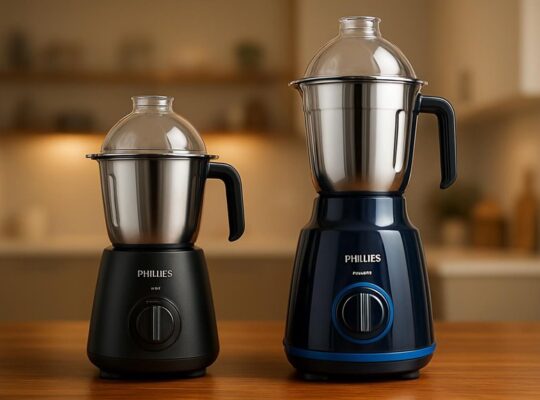
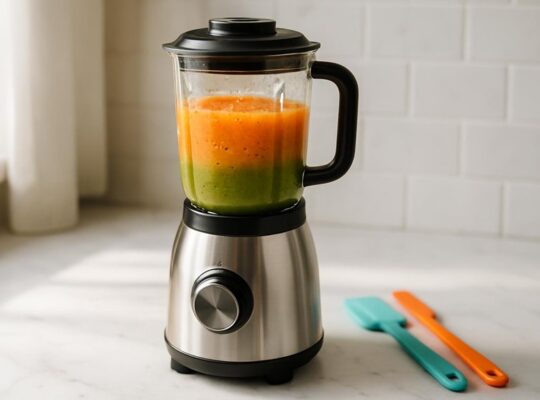
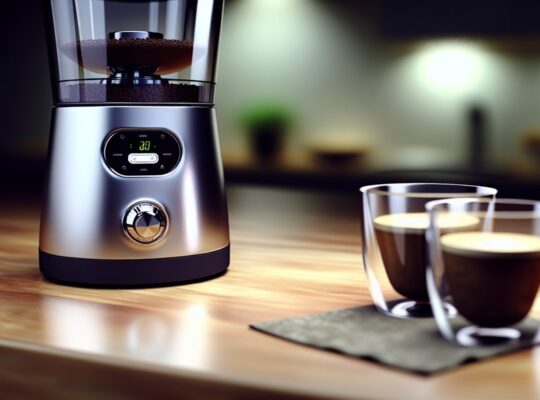
If you make protein shakes regularly, you want a mixer grinder that powers through powders, ice, and nuts without overheating. Compare motor wattage, blade quality, jar design, and speed control to get consistent texture every time. Look for thermal cutoff and sturdy seals for longevity. I’ll outline what matters most and which features are worth the extra cost so you can choose confidently.
Key Takeaways
- Choose a motor ≥300–500 W (higher torque for ice/frozen fruit) with thermal cutoff and overload protection to avoid burnout.
- Prefer sealed, removable stainless-steel or Tritan jars (300–600 ml single-serve or 800–1200 ml for batches) for durability and visibility.
- Look for removable, hardened stainless or titanium-coated blades and dishwasher-safe parts for easy cleaning and long edge retention.
- Variable speed and pulse control help prevent clumping, create a vortex, and reduce heat buildup during protein shake blending.
- Secure locking lids, anti-vibration feet, and replaceable gaskets ensure safe operation, low vibration, and extended appliance life.
Why Motor Power Matters for Smooth Protein Shakes
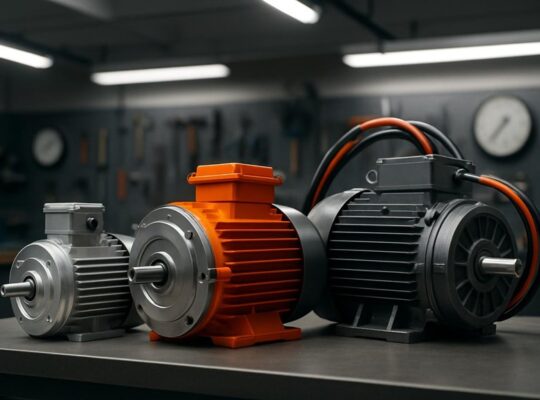
Because the motor is the heart of a grinder, its wattage and torque directly shape the texture you get—low-power motors often struggle with ice, frozen fruit, or thick protein mixes, producing gritty or uneven results, while higher-wattage, high-torque motors break particles finer and faster. You’ll notice a stronger motor maintains blade speed under load, so blends stay smooth without repeated pulsing. Compare rated watts and measured torque: higher numbers mean less strain, lower heat, and reduced risk of motor burnout when you run dense batches. You should prefer models with thermal cutoff and overload protection to prevent hazards during thick mixes. Also check duty cycle and recommended run time; brief bursts can protect both the motor and your shake. Noise and vibration often indicate stress—if a grinder labors, stop and let it cool. Choosing appropriate power and safety features minimizes tool failure and gives you consistently smooth, safe protein shakes. For heavy or frequent use, favor models with higher wattage and sturdy jars to ensure durability and consistent performance.
Blade Types and Materials: What Cuts Best
Which blade will actually give you the smoothest shake? You want blades that shear efficiently, resist corrosion, and stay sharp so you can blend powders, ice, and supplements safely and consistently. Compare materials and profiles by durability, sharpness retention, and maintenance.
- Stainless steel (310/304): corrosion-resistant, durable, good all-round cutting; easy to sanitize.
- Hardened stainless/SS with heat treatment: retains edge longer; better for ice and tough ingredients.
- Titanium-coated blades: harder surface, reduced wear; check for coating integrity to avoid contamination.
- Serrated vs. flat edges: serrated grabs solids better; flat edges create smoother vortex for liquids.
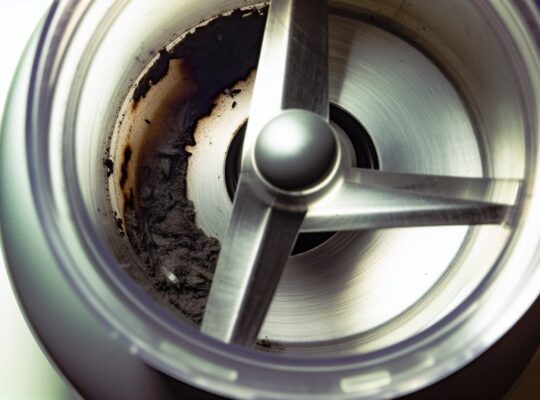
- Removable, sealed blade assemblies: easier to clean and inspect seals to prevent leaks and bacterial buildup.
Choose blades certified food-safe, replace when nicked, and follow manufacturer torque limits. Prioritize sealed bearings and reliable materials to protect both performance and health. A reliable motor and sturdy jar construction also help maintain blade efficiency during heavy use, so consider models known for reliable motor and durable jars.
Jar Choices: Capacity, Material, and Design
When choosing a jar for protein shakes, weigh capacity, material, and shape against your typical servings and cleanup habits. Pick capacity to match servings: 300–600 ml for single shakes, 800–1200 ml if you batch or add ice. Smaller jars blend faster and reduce air, larger jars prevent spills when adding bulky ingredients.
Material matters for safety and durability. Stainless steel resists staining and odors, is shatterproof, and keeps light out — but you can’t see contents. BPA-free Tritan or glass lets you monitor texture; glass is scratch- and odor-resistant but heavier and breakable. Avoid thin plastics that retain smells or warp.
Design details affect performance and cleaning. Wide-mouth jars let you add powders and frozen fruit easily and clean thoroughly. Tapered interiors channel ingredients to blades; removable gaskets and simple seams reduce bacteria traps. Choose lids with secure seals and venting for hot blends. Prioritize jars that balance visibility, hygiene, and safe handling. Modern high-powered motors improve blending consistency and reduce long-run heat buildup, which is useful for tougher ingredients like frozen fruit and nut butters motor protection.
Speed Settings and Pulse Function Uses
You’ll want a grinder with variable speed control so you can match motor RPMs to ingredients — low for leafy add-ins, high for frozen fruit. Use the pulse function to chop or aerate without over-processing, giving you consistent texture from coarse to silky. Compare machines by how smoothly they shift speeds and how responsive the pulse is under load. Look for models with 750W motors for reliable power and continuous grinding performance.
Variable Speed Control
How much difference does variable speed control make to your protein shakes? You get precise control over blending consistency, which affects texture, nutrient release, and safety (no overheating). Compare fixed-speed models to variable ones: the latter let you start slow, finish fast, and avoid splatter or motor strain.
- Start low to combine powders and liquids safely without clumping.
- Increase mid-speed to fully hydrate proteins and break up small solids.
- Use high speed briefly for a silky finish while monitoring motor temperature.
- Adjust gradually when blending hot ingredients to prevent sudden boil-over.
- Choose models with clear settings and safety interlocks to prevent accidental starts.
Variable speed gives you measured, repeatable results and reduces wear and risk when preparing shakes. A commercial-grade motor with thermal protection can help prevent overheating during long or repeated blending sessions.
Pulse for Texture
Ever wondered why the pulse button seems to be on every serious mixer grinder? You use pulse to control short bursts of power for texture precision—think coarse oats versus silky protein blends. Compared with continuous speeds, pulse prevents over-processing and heat buildup that can denature protein or melt sensitive ingredients. You’ll tap pulse for chunky add-ins, quick chops, or to aerate without creating foam. Safety-wise, pulse reduces motor strain and limits jar pressure from sudden vibration; always secure the lid and keep hands clear. Test brief pulses, then inspect texture and repeat; fewer, controlled bursts beat long runs. Choose a grinder with a responsive, easily reachable pulse switch and clear speed markings for predictable, safe results. For regular use, prefer models with overload protection to protect the motor during frequent pulsing.
Handling Tough Ingredients: Frozen Fruit, Nuts, and Ice
Facing frozen fruit, whole nuts, or ice? You need a grinder that’s built for impact, not just speed. Compare blade design, motor torque, and jar strength before you load; mismatches raise safety and performance risks. Use these practical steps to protect the appliance and your ingredients:
- Start with short pulses to break large pieces; don’t run sustained high RPMs on cold loads.
- Add a splash of liquid to create a vortex; this reduces blade stalling and motor strain.
- Chop whole nuts first if your model lacks a dedicated nut jar; oversized chunks can jam blades.
- Use crushed or shaved ice when possible; large cubes demand higher torque and tougher jars.
- Let the motor rest after long, heavy cycles; overheating triggers automatic cutouts or damages windings.
You’ll get finer texture and fewer repairs by matching technique to machine capability. Choose models with thermal protection and sturdy jars to improve safety and longevity.
Noise Levels and Vibration Control
Want quieter mornings? You’ll want a mixer grinder that balances power with low decibel output and minimal vibration. Compare published dB ratings—below 70 dB is noticeably quieter—while noting manufacturers measure differently. Look for brushless or inverter motors; they often run smoother and produce less tonal noise than traditional universal motors. Check for rubberized feet, anti-vibration mounts, and well-balanced jars; these reduce movement and keep the unit on your countertop, reducing accident risk. Metal gearboxes can transmit vibration; plastic or damped housings tend to isolate it better. Also consider pulse modes and variable speed controls: lower RPMs sharply cut noise for lighter blends. If you live in a small space or near sleeping family, prioritize units with noise reduction features even if they cost a bit more. Always inspect mounting points and ensure the grinder sits level before use to maintain safe, low-vibration operation. Models with thermal cut-off protection also help preserve motor life during heavy use.
Cleaning, Maintenance, and Dishwasher-Safe Parts
How easy is cleanup going to be once you’re done blending? You want parts that come apart quickly, surfaces that rinse clean, and clear dishwasher guidance so you don’t risk warping seals. Compare models on how many components are dishwasher-safe, whether blades are removable, and if gaskets tolerate hot-water cycles. Pay attention to crevices where protein powder and oils hide.
- Removable blade assemblies: makes thorough cleaning possible without soaking the motor housing.
- Dishwasher-safe jars and lids: saves time but check top-rack only recommendations.
- Seals and gaskets: replaceable parts extend safe performance; note replacement availability.
- Smooth interior finishes: reduce residue adherence and cut cleaning time.
- Tool-free disassembly: minimizes accidental cuts and reduces exposure to electrical components.
Routine maintenance should include hand-wiping the base, inspecting seals after hot cycles, and drying parts fully before reassembly. That keeps hygiene high and mechanical wear low. Also inspect cords and plugs regularly for damage and ensure the outlet is grounded to prevent electrical hazards proper grounding.
Safety Features and Build Durability
When you compare models, check the locking mechanism integrity first—secure lids and jar locks cut down spills and accidents. Also prioritize motor overload protection so the grinder shuts off before burning out during thick blends. Finally, favor corrosion-resistant materials for jars, blades, and housing to ensure long-term durability in a humid kitchen. Panasonic models often include double locking systems and motor protection features to enhance safety and longevity.
Locking Mechanism Integrity
Why should you care about the locking mechanism? You rely on secure seals to prevent spills, blade exposure, and accidental starts when blending protein shakes. Compare designs: bayonet locks, twist-and-click lids, and safety interlocks. Check material, tolerances, and feedback (audible/ tactile).
- Durable metal or reinforced polymer latch versus flimsy plastic
- Positive engagement (click/lock indicator) so you know it’s secure
- Tight tolerances that prevent wobble and jar detachment
- Interlock that stops motor if jar isn’t fully seated
- Ease of cleaning without degrading the lock mechanism
Prioritize mechanisms tested under repeated cycles and corrosion-resistant parts. A robust lock reduces injury risk and extends appliance life, making your shakes safer and more reliable.
Motor Overload Protection
Wondering how your grinder handles the strain of thick smoothies and iced protein blends? You’ll want motor overload protection that trips before heat or smoke appears. Compare thermal cutoff, automatic reset, and electronic current sensing: thermal cutoff is simple and reliable but may require manual cooldown; automatic reset is convenient but can mask persistent faults; electronic sensing offers precise shutdown and diagnostics. Check cut-in thresholds (amps/°C) and recovery behavior—does the unit lock out until cool, or try restarting? You’ll prefer models with visible status indicators and stable housings that prevent heat buildup near electronics. Reliable protection reduces fire risk, extends motor life, and gives you confidence blending dense protein mixes regularly without constant supervision.
Material Corrosion Resistance
Protecting the motor is only part of the story — material corrosion resistance determines how long your grinder actually lasts in a wet, acidic kitchen environment. You want surfaces and fasteners that resist pitting, staining, and electrochemical breakdown, because degraded parts compromise seals and safety interlocks.
- Stainless steel (304 vs 316) — 316 wins for salt and acid exposure.
- Anodized aluminum — good weight-to-corrosion ratio, but scratched surfaces corrode.
- Food-grade plastics (PPS, POM) — resist acids, but check thermal limits.
- Coated fasteners and gaskets — prevent galvanic corrosion between dissimilar metals.
- Sealed bearings and pot sockets — stop moisture ingress that causes rust and electrical faults.
Compare materials by environment and maintenance needs; choose models with documented corrosion tests for long-term safety.
Budget Tiers: Best Picks Under Different Price Points
How much should you expect to spend for a reliable mixer grinder for protein shakes? You’ll find three practical tiers: entry-level (basic power, single jar), mid-range (better motor, sealed lids), and premium (durable build, safety features). Choose based on how often you’ll blend, ingredient toughness, and safety needs like overload protection and BPA-free jars.
| Tier | Typical Price | Key Safety/Performance |
|---|---|---|
| Entry | $30–$60 | Lightweight motor, simple splash guards |
| Mid | $60–$120 | Stronger motor, secure seals, thermal cut-off |
| Premium | $120+ | Heavy-duty motor, stainless jars, multiple protections |
Compare specs: wattage, RPM, jar materials, and warranty. If you blend daily or use ice and nuts, lean mid or premium for longevity and safety. If occasional use and soft powders only, an entry model can suffice but inspect seals and overload features. Prioritize models with clear safety labeling and accessible user manuals.
Accessories and Extras That Improve Shake Prep
What extras really make your protein-shake routine easier and safer? You’ll want accessories that reduce spills, prevent contamination, and extend appliance life while saving prep time. Compare features and choose what matches your habits.
- Spill-proof travel lids: slip-on, leak-tested designs reduce mess when you blend directly into a cup.
- Sealing gaskets and replacement blades: ensure a tight fit and sharp cuts; replace worn parts to prevent motor strain and leakage.
- Tamper/stirrer tools: let you push dense ingredients without opening the lid, lowering splash risk and keeping hands away from blades.
- Measuring scoops and ingredient containers: dose precisely and store powders safely in airtight tubs to avoid moisture and bacterial growth.
- Cleaning brushes and blade guards: reach crevices, prevent cuts during maintenance, and keep seals hygienic to reduce contamination.
Prioritize certified safety features, durable materials, and easy-to-clean components so your setup stays efficient, sanitary, and reliable.
Frequently Asked Questions
Can a Mixer Grinder Make Hot Protein Shakes Safely?
Yes — but you shouldn’t heat inside most mixer grinders; they’ll mash hot liquids unevenly and risk seal failure. You’re safer heating separately, blending briefly with cooled warm liquid, and using heat-rated jars and tight lids for stability.
How Long Is the Typical Warranty Period on These Grinders?
Warranties typically run one to five years, with most basic models offering one or two years and premium or commercial units offering three to five; you’ll want longer coverage for motors and parts to ensure safer, reliable use.
Are Replacement Jars and Blades Widely Available?
Yes — replacement jars and blades are generally easy to find; some brands offer widely stocked OEM parts, while others rely on compatible third-party components, so you’ll want to verify availability and safety certifications before buying replacements.
Do Mixer Grinders Affect Protein Powder Nutrient Integrity?
They don’t considerably damage nutrients; you’re comparing very brief mechanical shearing and heat to more gentle stirring. Use short pulses, avoid overheating, clean blades to prevent contamination, and store powders sealed to keep them safe.
Can I Use the Grinder for Meal-Prep Smoothies and Soups?
Yes — you can use it for meal-prep smoothies and soups, but choose a grinder with high-power motor, durable blades, variable speeds and heat-resistant jars; you’ll get smoother blends, safer heating, and easier cleaning compared to basic models.