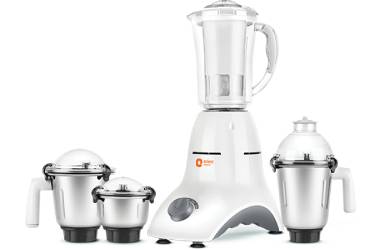
If your mixer grinder smells like it’s burning, don’t ignore it — that odor usually signals trapped food, overheated motor parts, or an electrical fault. You’ll want to stop using it, unplug it, and check for charred residues, warped seals, or a hot motor. Some problems are easy to fix; others are unsafe and need a pro. Keep going to learn the checks you can safely do and the signs that mean call a technician.
Key Takeaways
- Food debris, wet batter, or oil trapped around blades and jar can char or smoke, producing a sharp burning odor.
- Overheating motor windings or insulation (from overload or blocked vents) creates an acrid, electrical burning smell.
- Worn carbon brushes sparking on the commutator emit a hot, burnt-metal odor and visible arcing.
- Friction from misaligned couplings, seized bearings, or damaged shaft seals causes heat and a varnish-like or metallic smell.
- Persistent odor after cleaning, or smoke/sparks, indicates an electrical/mechanical fault—unplug and get professional repair.
Common Causes of a Burning Smell in Mixer Grinders
Why is your mixer grinder giving off a burning smell? You’ll first check for food debris stuck between jars and blades; trapped wet batter or oil can char and emit a sharp odor. Next, inspect the blades and jar seals for wear or melting—damaged plastic or rubber will smell when exposed to heat. Look at the coupling and jar base: misaligned or cracked parts can create friction and burning. Examine the power cord and plug for scorch marks or melting insulation; electrical arcing gives a distinct, acrid scent and is a hazard. Confirm the vents aren’t blocked by dust or lint, which can impair airflow and let components run hot. Finally, consider overloaded or improperly loaded jars—excess strain raises internal temperatures and increases wear. If you detect electrical burning or smoke, unplug immediately and don’t attempt further use until a qualified technician inspects it. For commercial or heavy use, consider choosing a model with a thermal overload protection system to prevent repeated overheating.
Signs the Motor Is Overheating
How can you tell the motor’s running too hot? You’ll notice a strong, acrid smell that intensifies with use; that’s often the first warning. The housing feels uncomfortably hot to the touch within a minute or two of operation — not just warm, but you can’t hold your hand there. Performance drops: the jar slows, blades stutter, or the motor struggles under normal loads. You may hear unusual noises — high-pitched whining, grinding, or a change from the motor’s usual hum — which indicate strain. The unit may trip the circuit breaker or blow a fuse repeatedly; this is an electrical sign of overheating. In extreme cases, you’ll see smoke or discoloration around vents or the base; if that happens, unplug immediately and don’t use it. Take any of these signs seriously: stop using the grinder, allow it to cool, and inspect vents, load size, and ventilation before seeking professional repair. Many popular models under ₹3000 include thermal cut-off and overload protection to reduce damage, so check for thermal cut-off when choosing a grinder.
How Worn Carbon Brushes Produce Odor
If your mixer grinder smells like something’s burning even with normal loads, worn carbon brushes could be the cause. As brushes wear down they can spark against the commutator, producing a sharp, burnt odor and accelerating wear. That sparking also reduces motor efficiency, causing more heat and a stronger smell if you don’t replace the brushes. Inspect and replace worn brushes promptly to prevent increased heat buildup and further motor damage.
Spark-Caused Burning Smell
Ever wonder what’s behind that sharp, electrical burning smell when your mixer grinder runs? It’s often caused by sparking at the commutator where worn carbon brushes lose proper contact. When brushes wear unevenly or the spring tension weakens, intermittent contact creates arcing. That arc produces hot metal particles and oxidized brush material, which gives a distinct acrid, electrical odor.
If you smell this, stop using the appliance immediately. Inspect for worn, crumbly brushes, pitted commutator bars, or heavy carbon dust inside the housing. Cleaning won’t fix badly worn brushes — replace them with correct parts and ensure springs provide firm contact. After replacement, test briefly while watching for continued sparking; persistent arcing requires a technician to prevent fire risk. Allow the motor to cool and check the overload protector before resuming use.
Reduced Motor Efficiency
Sparking and arcing are one way worn brushes show up, but they’re often a symptom of a broader efficiency problem in the motor: as carbon brushes wear down, they stop making consistent contact with the commutator and the motor draws more current to maintain speed. You’ll notice a persistent burning odor when increased current heats windings and nearby insulation; the smell can come from overheated varnish, melted dust, or the brush material itself. Diagnose by switching off power, unplugging, and inspecting brush length and commutator condition—uneven wear, grooving, or heavy sparking indicate replacement is needed. Don’t keep running the grinder: continued use risks insulation failure, short circuits, or fire. Replace brushes only with correct type and reassemble safely. Also, always ensure the appliance and its cord are dry and the unit sits on a flat surface before use to reduce electrical and fire risks and to follow basic safety checks.
Bearings, Shafts, and Friction-Related Smells
If your grinder starts making a grinding or squealing noise, worn bearings are a likely culprit and will produce hot, metallic smells as they rub. Shaft misalignment can also generate heat at contact points and give off a burning or varnish-like odor. Check for noise, play in the shaft, and excess heat to pinpoint whether bearings or alignment are causing the smell. Regularly inspect seals and gaskets for wear to prevent related overheating or contamination from causing odors, and replace damaged components promptly (seals and gaskets).
Worn Bearing Noise
Notice a high-pitched squeal or grinding when your mixer grinder starts up or under load? That’s often worn bearings. You’ll smell hot, metallic or burnt insulation as friction increases; don’t ignore it. Stop using the grinder and unplug it.
- Listen: consistent squeal or grinding that changes with speed points to bearing wear.
- Inspect: wobble in the jar, shaft play, or visible grease leakage indicate failing bearings.
- Action: replace bearings or have a qualified technician do it; continued use risks motor overheating and electrical damage.
Don’t try to run it to “test” the smell — that raises fire risk. After repair, lubricate per manufacturer guidance and recheck for abnormal noise before normal use. A failing bearing also reduces motor efficiency and can cause a drop in RPM stability, increasing strain on the motor.
Shaft Misalignment Heat
How can a slightly off-center shaft make your grinder smell like it’s burning? When the motor shaft is misaligned even a bit, the rotating parts don’t track properly. You’ll notice wobble, increased vibration, and heat building where the shaft rubs against bearings or housing. That friction generates a hot, acrid odor — not the motor burning yet, but a warning. Stop using the appliance immediately. Inspect coupling and shaft for bends, looseness, or worn splines. Check bearings for play, lubrication, and heat after brief operation. If you can’t correct alignment with tightening or replacement of the coupling, replace shaft or bearings. Don’t run a misaligned grinder: continued use risks bearing seizure, motor overload, and fire. Consider fitting or verifying the overload protection to reduce the risk of motor damage if the problem persists.
Electrical Problems and Burnt Wiring Indicators
A burning or acrid smell from your mixer grinder often points to electrical faults—overloaded motor windings, shorted coils, or damaged insulation on internal wiring. You should stop using it immediately and unplug the unit. Smell plus signs like intermittent power, sparks, tripped breakers, or visible char on the cord indicate wiring or motor overheating.
Diagnose safely: don’t open sealed components unless you’re qualified. Look for melted plastic, discolored connectors, or a hot motor casing after brief use. If you detect a persistent electrical odor, arrange professional service.
Key indicators to watch for:
- Repeated circuit trips or fuse blows when the grinder runs.
- Visible melting, blackening, or exposed copper on cords/connectors.
- Persistent acrid smell that returns quickly after brief use.
If any of these occur, unplug and avoid further testing; electrical faults can cause fire or shock. Get a trained technician to inspect and repair or replace the motor and wiring. Many silent mixer grinders, such as the 750-watt motor models, include overload protection that can prevent such damage, so check your model’s safety features.
When Ingredients or Residues Cause Burning Odors
Ever wonder if the burning smell is actually coming from food rather than the motor? Check for stuck bits of vegetables, spices, or oil residue trapped between the jar, blades, and lid; these char and emit acrid odors when you run the grinder. Inspect the blade assembly and the sealing ring — dried paste or oily film can overheat and smoke quickly. If you used high-sugar or high-fat ingredients, even brief heat can caramelize or burn them; that scent can mimic electrical burning. Clean all removable parts immediately after each use: soak, scrub with a brush, and dry thoroughly before reassembly. Smell the jar and blades before switching the unit on; a lingering toasted or smoky food odor indicates residue. If cleaning removes the smell, you’ve diagnosed a food-origin issue. If odors persist despite spotless parts, the source may be internal and requires further investigation. Prioritize unplugging and avoiding use until you’re sure it’s safe. Consider also whether the unit’s higher wattage and heavier use could cause faster heating and stress on components.
Simple Safety Checks Before Troubleshooting
Before you start taking things apart, check the power cord and plug for frays, scorch marks, or loose connections — a damaged cord can cause overheating and burning smells. Make sure the unit’s overload indicator light isn’t on; if it is, disconnect and let the motor cool before investigating further. These simple checks can rule out obvious electrical problems and keep you safe while troubleshooting.
Power Cord and Plug
Why does your mixer grinder smell like it’s burning when you plug it in? Check the power cord and plug first — they’re common, easily fixed causes. Inspect for melted insulation, exposed wires, discoloration at the plug, or a loose connection to the socket. Don’t touch live wires; unplug before inspecting.
- Check for cuts, frays, or melted insulation along the cord.
- Look for burn marks, looseness, or discoloration on the plug and prongs.
- Ensure the plug fits snugly in the socket and the socket isn’t hot.
If you see damage or a loose fit, stop using the appliance. Replace the cord or plug, or have a qualified technician repair it. Faulty cords cause shocks and fire; prioritize safety.
Overload Indicator Light
How can the overload indicator light help you spot a problem fast? The indicator is a simple diagnostic cue: if it lights or flashes during use, the motor is drawing more current than it should. When you see it, stop immediately, unplug, and let the unit cool. Check load: jars overfilled or tough ingredients can stall blades and trigger overload. Inspect vents for clogging; poor airflow raises temperature. After cooling, reset per your model’s instructions before testing with a light load. If the light returns with normal loads, the motor or start capacitor may be failing and you should get professional repair. Don’t ignore repeated overloads — they’re a safety signal that continued use risks burning wiring or motor windings.
DIY Fixes You Can Safely Try at Home
Want to try a few safe fixes yourself? Check power and cooling first: unplug the grinder, let it cool, and inspect vents for blocked debris. If the motor smells but isn’t hot, debris or stuck blades often cause friction.
Follow these three simple checks:
- Clean and clear vents, blades, and jar edges to remove trapped food.
- Tighten or replace loose or worn couplings and jar mounts; worn fittings cause misalignment and heat.
- Re-seat or replace damaged gaskets or blade assemblies to stop rubbing.
After each step, run a short, supervised test on empty, low speed to confirm the smell’s gone. Use insulated gloves, keep hands away from moving parts, and don’t bypass safety interlocks. If the smell persists, increases, or you notice smoke or sparks, stop immediately — that’s beyond DIY scope. These checks reduce common causes safely and help you decide whether professional service is needed.
When to Stop Using the Appliance and Seek Professional Repair
When should you stop using a mixer grinder and call a professional? If you smell persistent burning despite switching off and cooling, don’t keep testing it. Stop immediately if there’s smoke, visible charring, sparks, or a hot motor casing. Continued use risks fire or motor failure.
Assess these clear red flags and act:
| Symptom | Immediate action | Risk level |
|---|---|---|
| Smoke or sparks | Unplug, ventilate, call technician | High |
| Burning smell persists after cooling | Stop using, inspect by pro | Medium-High |
| Motor won’t start or hums loudly | Don’t force; seek repair | Medium |
You can note the sequence: unplug, avoid touching hot parts, move the appliance away from combustibles, and contact an authorized service center. Keep records of model and purchase date. Don’t attempt internal repairs if you’re unsure—professional diagnosis prevents hazards and costly replacements.
Preventive Maintenance to Avoid Burning Smells
Why pay for repairs when a few simple habits can keep your mixer grinder from ever smelling burnt? You can prevent overheating and wiring damage by adopting focused maintenance. Clean blades, jars, vents, and motor housing after each use to remove stuck food that forces harder motor work. Check seals and bearings monthly; replace any that wobble or squeak to prevent friction heat. Avoid overloading: pulse in short bursts and let the motor rest between heavy batches.
Follow this short checklist to make prevention routine:
- Inspect vents and brushes every 1–2 months; vacuum or blow out dust.
- Replace worn drive belts, bearings, or carbon brushes at first sign of wear.
- Use correct jar sizes and run times; don’t cram hot ingredients into a cold appliance.
If you smell even a faint burning odor after these steps, unplug immediately and seek professional inspection to ensure safety.
Frequently Asked Questions
Can a New Mixer Grinder Smell Like It’s Burning?
Yes — a new mixer grinder can smell like it’s burning initially due to protective coatings, oil residues, or break‑in friction. If smell persists, heats excessively, smokes, or trips breakers, stop use and have it inspected immediately.
Does Humidity Affect Burning Odors From the Grinder?
Yes — humidity can make burning smells worse because moisture causes ingredients to clump, strain the motor, and create heat from friction. Check seals, dry components, avoid overloading, and stop use immediately if persistent burning odors occur.
Can Food Allergies Be Triggered by the Burning Smell?
Yes, you can react: burning smells can trigger respiratory irritation, asthma, or allergy-like symptoms. If you’re sensitive, stop use, ventilate, avoid inhaling fumes, and seek medical advice if symptoms persist or worsen.
Is the Smell Harmful to Pets or Children?
Yes — it can be harmful. You’ll want to remove children and pets, ventilate, and stop using the grinder. Burning odors can irritate lungs, trigger asthma or allergies, and indicate electrical fire risk needing inspection or repair.
Will Warranty Cover Smell-Related Issues?
Usually no — warranties rarely cover smells alone unless a defect caused overheating or electrical failure; you should check your warranty terms, document the issue, and contact the manufacturer or service center for inspection and possible repair authorization.