You’ll whisk together fragrant coconut, roasted dal or peanuts, fiery chilies and a dash of tamarind in moments, and the kitchen will fill with warm, nutty and citrusy notes. Each chutney taps into coastal markets and temple-feast routines, where texture and tempering matter as much as spice. You’ll learn quick swaps—lime for tamarind, mint for coriander—that keep things bright and versatile, and then you’ll want to try the first spoonful.
Key Takeaways
- Use pre-grated frozen coconut or store-bought coconut paste to save prep time without losing texture.
- Blend roasted chana dal, green chili, coconut, tamarind, and salt quickly for a classic chutney.
- Temper mustard seeds, curry leaves, and urad dal in hot oil and pour over the chutney to finish.
- Adjust consistency with chilled water and balance heat with lime or yogurt before serving.
- Store chilled in an airtight container and consume within 48–72 hours for safety and freshness.
Coconut Chutney — Classic South Indian Style
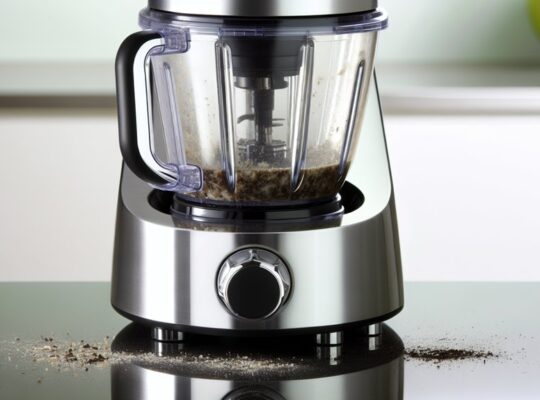
Ever wondered why a simple bowl of coconut chutney can make idli, dosa, or vada sing? You’ll notice the fresh, snowy coconut grated into a silky paste, its sweetness balanced by a splash of tangy tamarind or a squeeze of lime. Aromatic roasted chana dal adds nutty depth while green chilies lend a careful, controllable warmth so you can keep things mild for everyone. A tempering of mustard seeds, curry leaves, and urad-dal pops and perfumes the chutney, releasing toasty, herbal notes that tie each bite to home kitchens and street stalls. Served cool, it soothes the palate, offers comforting contrasts, and feels safe to eat — simple, nourishing, reliably delicious. For quick preparation in a mixer-grinder, use the wet-grinding jar and pulse briefly to form a smooth paste, adding a little chilled water if needed to adjust the consistency.
Tomato and Red Chili Chutney
Bright, tangy, and a little smoky, tomato and red chili chutney wakes up the palate the way a sunrise wakes a kitchen — sharp tomato acidity, roasted red chilies, and a kiss of garlic and tamarind that cut through the oil and heat. You’ll smell caramelized tomatoes and toasted mustard seeds, feel a warm, safe heat that invites rather than overpowers. This chutney pairs with dosas, idlis, or a simple steamed vegetable; it’s rooted in South Indian home cooking where fresh, preserved, and tempered flavors meet. Keep it refrigerated and use clean utensils to preserve freshness. You’ll notice a balance: sweet, sour, spicy, and savory all in one spoon. For quick, consistent results when making small batches, use a sturdy mixer-grinder with good jar design and overload protection to avoid overheating the chutney and motor, such as models known for reliable motor performance.
Coriander-Mint Chutney With Coconut
How do you resist the green, herbaceous burst of coriander-mint chutney with coconut when it hits the tongue — cool, grassy cilantro and sharp mint folded into creamy, freshly grated coconut? You’ll feel a brisk, clean aroma, then a gentle heat from green chilies balanced by lime brightness. Textures are plush: coconut lends body while herb fibers keep it lively. This chutney is a safe, familiar companion to dosas and idlis in South Indian kitchens, where families share it at breakfast and street stalls serve it in sealed containers for hygiene. For consistently smooth results when you make chutney at home, consider using a mixer grinder with a 750–1000W motor to handle the coconut and herbs efficiently.
| Element | Sensation |
|---|---|
| Coriander | Bright, grassy |
| Mint | Cooling, sharp |
| Coconut | Creamy, tactile |
| Lime/Chili | Tangy, warming |
Roasted Peanut and Sesame Chutney
You’ll want to roast the peanuts and sesame until they’re nut-brown and aromatic, timing it so they’re crisp but not bitter. Pay attention to grinding texture—pulse until the chutney is creamy with a little grittiness to carry the seeds’ oil and toasted crunch. Serve it with idli, dosa, or steamed rice, and store in an airtight jar in the fridge to keep that roasted fragrance for several days. For best results, use fresh ingredients and toast spices briefly beforehand to boost aroma and flavor.
Roasting Tips & Timing
Wondering why the roast matters? You’ll notice aroma blooming—nutty, slightly smoky—when peanuts and sesame hit dry heat; that scent anchors traditional kitchens and signals readiness. Trust your senses and a steady hand: toast until color deepens, not burns.
- Stir constantly on medium-low heat to avoid hotspots and scorching.
- Watch for color change and a clean, toasty scent; peanuts take slightly longer than sesame.
- Use a heavy pan for even heat and remove from flame a moment before desired shade—the residual warmth finishes the roast.
- Cool on a flat surface to stop carryover cooking; handle with oven mitts or spatula to prevent burns.
These steps keep flavor authentic and safety-first. Also, ensure proper appliance ventilation and avoid overloading when using a mixer or grinder to process roasted nuts to prevent overheating and extend the motor’s life.
Grinding Texture Guide
Why does texture matter so much in a roasted peanut and sesame chutney? You feel it first on your tongue — grainy warmth, then smooth oil releasing toasted notes. Grind coarser for rustic crunch that echoes village mortar-pestle rhythms; expect bright sesame perfume and audible peanut fragments. Go finer for creamy spreadability, safer for babies and elders who need no choking risk; add oil or water sparingly to control slip. Pulse in short bursts to avoid overheating and bitter oils, and scrape sides so nothing burns. Taste as you go: a few coarse bits add character, but too many masks chutney’s balance. Respect texture and you’ll honor both flavor and the communal traditions that birthed this condiment. For consistent results when grinding at home, choose a mixer grinder with sufficient power and overload protection to prevent overheating and ensure smooth, reliable performance.
Serving Pairings & Storage
Texture guides not just mouthfeel but how you’ll serve and keep roasted peanut and sesame chutney. You’ll spoon its warm, nutty gloss over steaming idlis, let the crunch whisper against dosa’s crisp edge, or dollop onto plain rice where toasted aromas bloom. Keep it chilled in a clean, airtight jar to preserve fragrance and prevent oil separation; always use a dry spoon. In festivals you’ll offer it with safety—small portions, fresh batches, clear labels.
- Idli & dosa: cool contrast, spread thin to balance heat.
- Rice & ghee: stirring releases sesame perfume; serve immediately.
- Snacks: samosa dip—serve small bowls to avoid contamination.
- Storage: refrigerate up to 5 days; freeze for longer, thaw safely. Choose a compact mixer grinder with thermal overload cut-off to make and store chutneys safely in small kitchens.
Tamarind-Date Chutney for a Sweet-Tangy Kick
How does a single spoonful transform a snack into a celebration? You’ll taste sun-warmed tamarind’s tartness softened by molasses-dark dates, a glossy syrup that clings to dosa edges and samosa crisps. Aromas of toasted cumin and a whisper of jaggery curl around your nostrils; lime brightness lifts the syrup so it never feels heavy. This chutney lives in market stalls and home kitchens alike, a bridge between festival tables and weekday tea. You’ll spoon it carefully, keeping surfaces clean and storing jars refrigerated to stay safe. Its texture is velvety, its color deep mahogany; each bite balances sweet, sour, and spice with reassuring predictability. Use it sparingly, and watch simple bites feel ceremonious. Many home cooks prefer a sturdy wet grinder with conical stones to achieve the perfect, smooth consistency.
Garlic and Curry Leaf Chutney
Ever wonder what a spoonful of sizzling garlic folded with curry leaves tastes like? You’ll smell hot oil, toasted garlic and the bright, citrusy perfume of curry leaves before the first taste. This chutney wakes the palate: savory, slightly bitter greens, a warm garlicky punch and just enough salt to comfort you. It’s made quickly, kept safely in the fridge, and shared at breakfast or with dosa.
- Aroma: frying garlic and curry leaves releases a nostalgic, homey fragrance.
- Texture: silky paste with tiny crisped bits for contrast.
- Heat: mild chilies add warmth; you control intensity.
- Serving: spoon onto idli, dosa, or rice; refrigerate and consume within days for safety.
Traditional and bullet mixer grinders both make quick work of this chutney, though a compact design bullet grinder is particularly handy for single-serving, speedy blends.
Urad Dal (Roasted Lentil) Chutney
You’ll love the nutty warmth roasted urad dal brings to this chutney, its toasty aroma and creamy texture boosting both flavor and protein. Try a quick tempering of mustard seeds, dried red chili and curry leaves sizzling in hot oil — the hiss and fragrant steam will lift the chutney instantly. These small, traditional techniques show how simple steps can brighten the bowl and connect you to South Indian kitchen rhythms. For quicker prep and cooler grinding when making batter or chutneys, consider a mixer-grinder with a fiber-reinforced body to improve durability and reduce motor strain.
Roasted Urad Dal Benefits
Crunchy roasted urad dal gives the chutney a warm, nutty backbone that cradles bright chilies, tangy tamarind, and the whisper of curry leaves — you’ll taste smoke, toasty sweetness, and a buttery mouthfeel all at once. You’ll notice how the roasted dal adds body and gentle protein, making each spoonful feel nourishing and sustaining — a homely comfort from South Indian kitchens. The texture balances silk and grain, so the chutney clings to dosas and idlis without slipping. Nutritionally, it supports digestion with fiber and plant protein, and its toasty aroma signals careful roasting traditions handed down through generations. You’ll appreciate safety in simple, clean ingredients that keep flavors honest.
- Adds protein and fiber
- Enhances texture and mouthfeel
- Deepens roasted aroma
- Connects to tradition
Quick Tempering Tips
After the roasted urad dal has lent its toasty warmth to the chutney, a quick tempering lets spices sing on the surface — popping mustard seeds crackle, cumin browns and releases an earthy perfume, and curry leaves sizzle into glossy, herbal crisps. When you temper, heat the oil until it shimmers but doesn’t smoke; that prevents bitterness and keeps aromas clean. Add mustard first to ensure safe, brisk pops, then cumin and dried red chilies for depth, lowering heat if anything threatens to burn. Fresh curry leaves and a pinch of asafoetida finish with bright, digestive notes. Use a splatter guard and keep a lid handy—tempering is fast, fragrant, and best done with calm, attentive hands.
Green Chili and Yogurt Chutney
How does a condiment turn bold heat into cooling comfort? You’ll feel sharp green chilies tempered by creamy yogurt, the aroma bright and reassuring. Each spoonful cools your tongue, carries a faint citrus tang and roasted mustard seeds that whisper of home kitchens. You’ll want to taste slowly, mindful of spice levels and allergies, keeping dairy precautions in mind.
- Balance: green chili, yogurt, salt, lime — adjust for safety.
- Texture: whisked smooth or rustic with tempered mustard and curry leaves.
- Serving: chilled beside hot dosa or rice to soothe heat.
- Storage: keep refrigerated, use within 48 hours for freshness and food safety.
This chutney connects you to South Indian tables with comforting clarity.
Frequently Asked Questions
How Long Can Homemade Chutney Be Refrigerated Safely?
About 5–7 days in the fridge if it’s cooled and stored airtight; you’ll smell tangy freshness, see bright colors, and avoid mold. If it’s been heated or shows off-odors, toss it immediately for safety.
Can These Chutneys Be Frozen for Later Use?
Yes — you can freeze them. Wrap chutneys airtight, label with date, and they’ll keep about 2–3 months; thaw in the fridge, stir to restore texture, and reheat gently, preserving vibrant flavors and comforting spice.
Which Chutneys Are Suitable for Children or Mild Palates?
Mild coconut and tomato chutneys suit children best; they’re creamy, gently sweet, and fragrant, offering soothing textures and familiar flavors. You’ll want to tone down chilies, salt, and tempering spices for safety and comfort.
Are There Vegan or Dairy-Free Alternatives for Yogurt-Based Chutney?
Yes — you can swap plant yogurts (coconut, almond, soy) or blended silken tofu for creamy chutneys; they’ll keep tang, coolness and texture, so you’ll enjoy safe, dairy-free raita-like chutneys rich in aroma and gentle spice.
How Do I Adjust Spice Levels Without Altering Texture?
You can tweak heat by adding toasted, crushed chilies or fresh green chilies gradually, tasting as you go; smoked chili adds warmth without thinning, and tempering with aromatic mustard seeds preserves texture while deepening flavor safely.