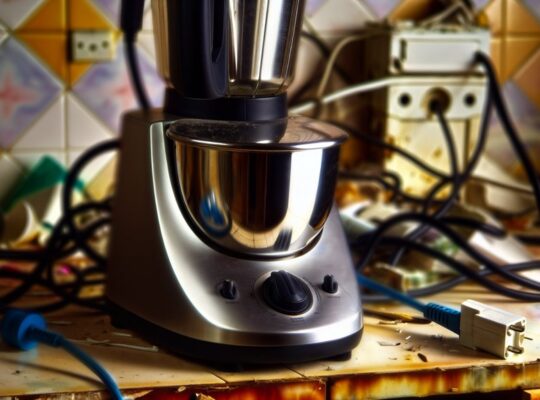
Before you power up your mixer grinder, do a quick safety sweep: check cords, plugs, jars, lids, and that the base sits level, and make sure switches snap back to off. Start slow, hold the jar steady, and never leave it running unattended. Learn how to handle hot or overloaded loads, clean and secure blades safely, and set a simple maintenance routine—these small steps cut risk and protect your kitchen, so keep going for the practical how-to.
Key Takeaways
- Inspect cord, plug, jars, and lids for damage before use and ensure the base sits level on a dry surface.
- Start on lowest speed, hold jars firmly, and never leave the grinder unattended while running.
- Unplug before adding ingredients, inserting utensils, or removing jars; avoid tilting the unit during operation.
- Let hot contents cool, use oven mitts, and allow the motor to rest 10–15 minutes if it strains or overheats.
- Always unplug before cleaning or maintenance; handle blades carefully with a brush and avoid immersing the motor base.
Before You Start: Quick Safety Checks
Before you plug in the mixer grinder, do a quick, focused check to catch obvious hazards: inspect the cord for frays or exposed wires, confirm the plug and socket are dry and intact, ensure the jar lids and blades are properly seated and undamaged, and make sure the base sits level on a dry surface. Next, verify that all switches move freely and return to off; a sticky switch can cause unexpected starts. Check that the jars match the model and lock securely—ill-fitting jars can wobble or detach. Look under the base for cracks or loose feet that compromise stability. Remove any foreign objects from jars and wipe away spills or oil that could cause slipping. If you spot damage, tag the unit out of service and arrange repair or replacement. Keep instruction manuals handy and note the rated voltage to avoid overloads. These pre-use checks cut risk and keep operation predictable and safe. Regularly inspect and replace dull or chipped blades to maintain optimal performance and prevent damage, as part of routine blade maintenance.
Safe Operation Practices While Grinding
How will you keep control once the grinder’s running? Keep a firm, dry grip on lids and jars, and never leave the unit unattended. Start at the lowest speed to avoid sudden surges; increase speed only when the blades move smoothly. Hold jars steady on the base—don’t tilt or lift them while blades spin. Use the provided tamper or a long spoon only with the motor off; never insert utensils while blades are moving. Watch for vibration or odd noises; stop immediately and unplug to inspect. Maintain clear workspace—remove loose clothing, jewelry, and long hair from the machine’s vicinity. Keep children and pets away during operation. Use pulse mode for short bursts when processing small or uneven loads to preserve control. Ensure the lid sealing ring is correctly seated before switching on. If you’ll be grinding multiple items, wipe splatter promptly with the machine off and unplugged. These habits reduce risk and keep operation predictable and safe. Choose a grinder with a 500W motor for reliable performance and safer handling.
Handling Hot Ingredients and Overloads
When you’re dealing with hot ingredients or a motor that’s straining, take immediate, deliberate steps to protect yourself and the machine. First, stop the grinder and unplug it—never try to adjust a jar or lid while it’s plugged in. Let hot contents cool slightly before opening to avoid steam burns; use oven mitts or a towel when handling heated jars. If the motor sounds labored, switch off and let it rest for at least 10–15 minutes to prevent overheating. Reduce batch size: process smaller portions and add liquids gradually to ease load. Check vents and base for trapped food that can cause overheating; only inspect when the unit is cool and unplugged. If thermal cut-out trips, wait for the reset period and follow the manual; repeated trips signal an underlying issue requiring professional service. Never force a seized jar or jammed blade assembly—turn off, unplug, and free the obstruction safely to avoid injury or motor damage. Regularly inspect the cord, plug, and jars for damage to prevent electrical hazards and leaks cord and plug.
Cleaning and Blade Safety Tips
After you’ve shut off and cooled the unit, it’s time to focus on cleaning and blade safety to prevent cuts and preserve performance. You should always unplug the grinder before touching blades or removing jars. Use a brush or cloth instead of your fingers to dislodge food particles, and handle blades by the dull edges or base only. Never immerse the motor base in water; wipe it with a damp cloth and dry thoroughly.
- Remove jars and blades carefully; hold blades by the plastic hub, not the sharp edges.
- Use warm soapy water and a soft brush; avoid abrasive pads that dull blades.
- Inspect blades for nicks or bending; replace damaged blades immediately to avoid uneven cutting or strain.
- Reassemble only when all parts are completely dry; ensure seals and locks engage before plugging in.
Follow these steps each use to reduce injury risk and maintain efficient operation. Vidiem mixer grinders often include SS 304 blades known for durability and minimal vibration, which helps maintain cutting efficiency and safety.
Routine Maintenance to Prevent Hazards
Want to keep your mixer grinder safe and reliable? Regular maintenance prevents failures that cause shocks, fires, or cuts. Unplug before any check. Inspect the power cord for cracks, exposed wires, or soft spots; replace cords showing damage. Check the plug and socket for discoloration or burning smells—those signal overheating. Tighten loose screws on the body and motor housing to avoid vibration and misalignment.
Clean vents and motor fins with a soft brush to prevent dust buildup that causes overheating. Lubricate moving parts only if the manual recommends it; improper oils can attract dust and harm seals. Test safety features—interlock switches and overload protectors—periodically to ensure they trip and reset correctly. Sharpen or replace dull blades; they force the motor to work harder and can slip.
Keep a maintenance log: date, task performed, parts replaced. If you detect unusual noise, smell, or heat, stop using the appliance and get a qualified technician to inspect it. Allow rest intervals between heavy cycles to prevent motor overheating and preserve motor torque.
Frequently Asked Questions
Can a Mixer Grinder Be Used Outdoors or in Damp Environments?
You shouldn’t use a mixer grinder outdoors or in damp environments; it’s risky. You’ll expose electrical parts to moisture, risking shock, short circuits, and motor damage. Use it only in dry, sheltered, well-ventilated areas with proper outlets.
Are Third-Party or Unbranded Jars Safe to Use?
No, you shouldn’t assume third-party or unbranded jars are safe; they may not fit correctly, lack proper seals, or use inferior materials. Use manufacturer-approved jars to avoid leaks, imbalance, motor strain, or injury.
How Should I Dispose of a Broken Mixer Grinder Electrically?
Contact your local e-waste facility or municipal hazardous waste program, don’t toss it in regular trash, unplug and tape exposed wires, remove batteries if any, and ensure it’s recorded or recycled by an authorized disposer to prevent hazards.
Can Pets Be Kept Away to Prevent Accidents During Operation?
Yes — you should keep pets away during operation. Close doors, use baby gates, distract them with toys or treats elsewhere, and never leave the appliance unattended; reducing access prevents bites, knocks, and electrical hazards effectively.
Is It Safe to Grind Non-Food Items Like Spices in Small Quantities?
Yes — but you shouldn’t. You’re risking blade damage, motor strain, contamination, and safety hazards; only grind small non-food items if manufacturer allows, use short pulses, secure lid, and clean thoroughly afterward to avoid harm.