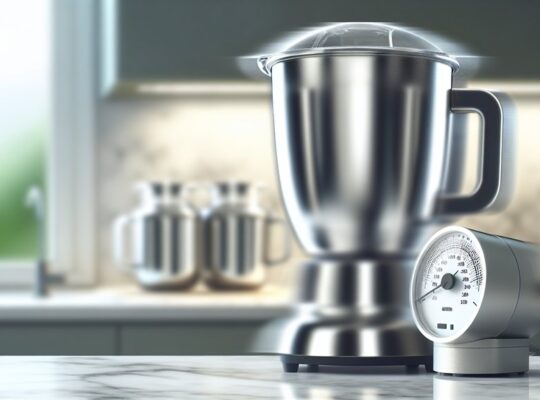
You’ll want the right jar for each task, since sizes, blade types, and materials change how well ingredients grind, blend, or juice. Small chutney jars are quick for spices; medium jars handle wet pastes and sauces; large jars suit smoothies and high-volume liquids. Materials and speed settings matter for durability and texture. Keep this in mind as you pick jars that match your recipes—and a few tips will make the choice obvious.
Key Takeaways
- Small chutney jars (100–400 ml) are for quick, small batches: chutneys, spice pastes, and dry grinding of small quantities.
- Medium jars (0.8–1.2 L) suit everyday tasks: sauces, wet pastes, batters, and moderate dry grinding for family portions.
- Large jars (750–1200 ml) handle high-speed liquid processing: smoothies, juices, thin batters, and blending whole fruits.
- Material and blade choice matter: glass resists stains, polycarbonate is lighter, and stainless-steel blades give corrosion resistance and durability.
- Match speed and jar: low/medium for wet chopping and pastes, high/pulse for dry grinding, and avoid overfilling or prolonged high-speed runs.
Common Jar Types and Their Capacities
You’ll typically see three to four jar types with distinct capacities: a small chutney jar (100–300 ml) for pastes and spices, a medium wet-grind or chutney jar (400–600 ml) for chutneys and purees, a larger liquidizing or multipurpose jar (750–1200 ml) for smoothies and batter, and sometimes a tall juicer or blender jar (1–1.5 L) for juices and large-volume tasks. You’ll want to match jar size to task so you’re efficient and safe: small jars give control for spice grinding, medium jars handle wet grinding without splatter, larger jars prevent overflow when blending liquids, and tall jars reduce splashing with high-speed juicing. Compare materials and lids—stainless steel suits heat and grinding, clear polycarbonate or glass helps you monitor consistency. Check locking mechanisms and rubber feet to avoid movement during operation. Always respect maximum fill lines and follow manufacturer torque and speed recommendations to prevent leaks, motor strain, or blade hazards. For light, occasional use and smaller households, a 450-watt motor is generally sufficient and helps avoid overheating.
Small Chutney Jar: Design and Best Uses
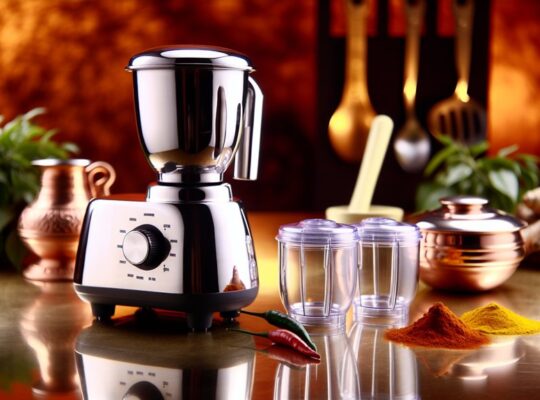
How small is a chutney jar, and why does its design matter? You’ll find chutney jars typically hold 200–400 ml, built compact for quick, small-batch tasks. Their short, narrow profile keeps ingredients close to the blades so you get efficient chopping without overworking the motor.
You’ll notice differences in lid seals, blade shape, and jar material. Choose jars with tight, food-grade lids and stainless-steel blades to minimize leakage and corrosion. Compared with larger jars, chutney jars give you finer control over texture and use less power — safer for delicate herbs, pastes, and small spice blends.
Handle heat cautiously: these jars aren’t for hot liquids or prolonged grinding because seals and plastics can deform. For food safety, clean and dry the jar immediately after use; inspect seals for nicks that could harbor bacteria. If you need precision and hygiene in small quantities, the chutney jar is the practical, safer option.
A narrow chutney jar with a 4‑tip winged blade also helps limit heat rise during grinding, keeping volatile flavors intact and protecting aromatic oils gentle heat rise.
Medium Jar: Everyday Wet and Dry Grinding
You’ll reach for the medium jar when you need a reliable all-rounder for everyday wet tasks like chutneys, purees, and batter, as well as dry grinding small batches of spices or coffee. Its 500–1000 ml capacity and balanced blade design sit between the small chutney jar and the larger liquid jar, so you won’t over- or under-process ingredients. We’ll compare typical designs and capacities so you can pick the right medium jar for your household needs. Medium jars are ideal for household batches and often come with 500–750W motors to match common mixer grinder performance.
Common Household Uses
Wondering which jar you’ll reach for most days? You’ll likely pick the medium jar for its balance: not too big, not too small. It handles daily wet and dry tasks safely and efficiently, so you can compare performance against other jars and choose what fits your routine.
- Sauces, chutneys, and wet pastes — smooth results without overfilling; stop and check to avoid splashes.
- Dry spices, coffee beans, and small pulses — quick pulses prevent overheating; use short bursts to protect flavor and motor.
- Smoothies and batters for one or two people — controlled blending reduces spills; secure the lid and start slow.
The medium jar is reliable for everyday work when you want consistent, safe results. Consider choosing a medium jar with stainless steel construction for durability and corrosion resistance.
Design and Capacity
After you’ve seen what the medium jar handles day-to-day, look next at how its design and capacity make that possible. You’ll notice a tapered profile that promotes efficient circulation, keeping ingredients near the blades for consistent grinding. Its 0.8–1.2‑liter volume is a balance: large enough for family portions, small enough to avoid overfilling and splatter. Materials—stainless steel or thick BPA‑free plastic—offer durability and safe contact with wet foods. Lids usually include secure locks and rubber gaskets to prevent leaks; check they fit firmly before use. Blade assemblies are often multi‑angled for wet and dry tasks, so you won’t swap jars constantly. Compared with smaller jars, the medium one gives versatility without sacrificing control or safety when you follow capacity markings and manufacturer instructions. Many 750-watt models also include overload protection to guard the motor during heavy or prolonged use.
Large Jar: Blending, Juicing, and Smoothies
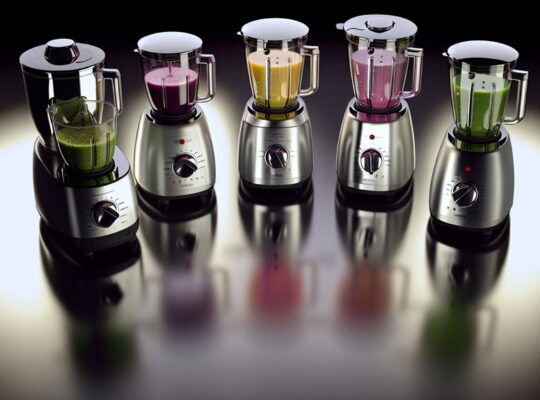
When you need high-speed liquid processing, the large jar is built to handle smoothies, juices, and thin batters without overheating. Compared with medium jars, it gives you more consistent purees and better foam control for frothy drinks. Its larger capacity also means you can blend whole fruits or family-sized batches in one go. The large jar is ideal when you want reliable performance from a motor in the 500–750 watt range to avoid overheating and ensure consistent blending.
High-speed Liquid Processing
How fast do you need your large jar to work for drinks that stay silky, cold, and lump-free? You want a jar that pairs a powerful motor with sharp blades and a secure lid so ice, seeds, and fibrous bits break down without splatter. Compare RPM and blade design: higher RPMs cut faster, but stable construction and cooling vents prevent overheating. For safety, pick jars with locking systems and BPA-free materials; they reduce spills and contamination. You’ll also value easy-clean lids and tamper tools that don’t compromise seals.
- High RPMs vs torque: choose based on icy vs leafy blends.
- Blade geometry: multi-tiered blades handle texture variation.
- Safety features: locks, vents, and certified materials matter.
Wonderchef models often balance power and durability, so consider motor wattage and warranty when choosing a jar with the right performance (600 Watts).
Large-capacity Fruit Purees
Moving from high-speed liquid processing to large-capacity fruit purees, you’ll want a jar that balances volume with consistent texture — especially if you’re making batches for guests or meal prep. Choose a large jar (1.5–2.5 L) with sturdy stainless-steel blades and a wide mouth so chunks circulate evenly and cleaning is straightforward. Compare polycarbonate and tempered glass: glass resists staining and odors, polycarbonate is lighter and impact-resistant; both should be BPA-free. Look for secure, leak-proof lids, non-slip bases, and ventilation to prevent motor overheating during prolonged runs. Use pulse mode to avoid over-processing and check seals before blending hot or acidic fruits. Prioritize models with clear measurement markings and durable construction to keep results uniform and safe. Consider models with stainless steel components for enhanced durability and heavy-duty use.
Wet Grinder Jar: Batter and Dough Preparation
Because wet grinder jars use a slow, steady grinding action rather than high-speed shearing, you’ll get smoother batters and more elastic dough with less heat buildup. You’ll notice the difference when preparing idli, dosa, or chapati dough: textures are silkier, starches are gently released, and fermentation behavior improves. Compared to high-speed mixer grinders, wet grinders preserve moisture and minimize protein denaturation, so you’ll avoid gummy or warm batters.
Use the wet grinder jar when you want consistent particle size and controlled temperature. Cleanliness and correct assembly matter for safe operation; always unplug before touching blades or stones and dry components thoroughly to prevent slipping.
- Choose stone or conical plates for traditional grind quality and even texture.
- Start with short pulses, then longer grinds, checking consistency and temperature.
- Avoid overloading; work in batches to maintain low heat and safe motor load.
This tool’s predictable performance makes it a reliable choice for batter and dough preparation. A heavy-duty motor with thermal overload protection helps prevent damage during longer grinding sessions.
Juicer and Extractor Attachments Explained
Curious what sets juicer and extractor attachments apart from regular blender or grinder jars? You’ll notice they’re built to separate liquid from fiber safely and efficiently. Compared to jars that chop or grind, juicers use screens and slow extraction or centrifugal force to preserve nutrients while minimizing heat. You’ll want attachments with secure locking, splash guards, and easy-clean parts to reduce risk during use. Choose based on produce type: leafy greens often need a slow masticating extractor; hard fruits and citrus suit fast centrifugal units. Always follow manufacturer safety guidance when assembling and cleaning. Panasonic models often include double locking systems and safety features that make attachments safer to use.
| Feature | Purpose |
|---|---|
| Extraction method | Determines yield and heat generation |
| Safety locks | Prevents operation when misassembled |
| Pulp separation | Eases disposal and reduces clogging |
| Cleaning access | Reduces bacterial risk and wear |
Compare yields, noise, and maintenance before you buy. Prioritize models with clear safety features and removable, dishwasher-safe components to keep operation both effective and safe.
Blade Designs and Material Choices
You’ll notice blade shapes—from flat discs to multi-tiered, angled edges—are designed for specific tasks like pureeing, chopping, or pulverizing. You’ll also weigh stainless steel’s corrosion resistance and food safety against hardened steel’s superior edge retention for tough grinding. Choosing the right combination of shape and material will determine efficiency and jar longevity.
Blade Shapes and Functions
How do different blade shapes actually change what your mixer grinder does? You’ll notice cutting, crushing, and blending jobs shift with blade geometry—angled blades slice and create vortexes for smooth blends, flat blades pound for coarse grinding, and serrated edges grab fibrous items. Each shape affects speed, friction, and heat; choose to minimize heat for delicate ingredients and maximize contact for tough roots.
- Angled multi-prongs: faster liquid circulation, better purees, lower heat buildup when used correctly.
- Flat paddle blades: efficient for dry grinding and coarse chutneys, but require short pulses to avoid overheating.
- Serrated or toothed blades: grip fibrous produce, reduce slippage, and need secure jar seating for safe operation.
Match shape to task and always follow safety seals and manufacturer limits.
Stainless vs. Hardened Steel
Blade geometry matters, but material choices determine how long those shapes keep cutting well. You’ll find stainless steel blades resist corrosion and stay food-safe; they’re tough for everyday wet grinding and acidic ingredients. Hardened steel, often heat-treated carbon steel, holds a sharper edge longer and handles heavy-duty dry grinding or fibrous materials with less frequent sharpening.
Choose stainless if you prioritize hygiene and low maintenance—you’ll avoid rust and contamination risks. Choose hardened steel if you need maximum cutting performance and are willing to care for blades: dry thoroughly after use, avoid acidic exposure, and sharpen or replace when dull to prevent unsafe slipping. Both work when matched to the task; match material to use for safer, more reliable results.
Speed Settings and Jar Recommendations
Wondering which speed to pick for each jar? You’ll match jar design to task: high speeds for fine grinding, medium for purees, low for wet chopping. Choose the lowest speed that accomplishes the job to reduce wear and splatter. If a jar label or manual gives ranges, follow them — they’re calibrated for blade shape and balance.
- Wet/liquid jar: medium-to-high for smooth textures; avoid max speed if the jar isn’t weighted or sealed well.
- Dry/pulse jar: short high-speed bursts for flours and spices; pulse to prevent overheating and uneven powder.
- Multi-purpose/chutney jar: low-to-medium for coarse chops and pastes; use steady low speed to preserve texture and reduce splashing.
Compare performance: harder materials need steadier, controlled high RPMs; soft items do better at lower settings. When in doubt, start slow and increase incrementally. Your focus should be effective results with minimal strain on motor and jar integrity.
Maintenance, Cleaning, and Safety Tips
You’ve matched speeds to jars to get the best results; now you’ll want to keep those jars and the machine in top shape so performance and safety last. Clean jars immediately after use: rinse coarse debris, then wash with warm soapy water and a soft brush to protect blades and seals. For stainless steel, avoid bleach; for plastic, skip abrasive pads that scratch and harbor bacteria. Dry thoroughly to prevent rust and mold. Inspect blades, lids, and gaskets regularly—replace bent blades or cracked seals promptly. Compare wear: a slightly dull blade can be sharpened or replaced sooner than an expensive motor that’s been overloaded.
Unplug before servicing. Don’t operate with loose lids or damaged cords. Balance loads to reduce vibration and motor strain. If jars stick, soak rather than force them apart. Store jars assembled but dry, and keep blades covered. If unsure about a repair, consult the manual or an authorized technician—it’s safer and often cheaper than risking damage or injury.
Choosing the Right Jar for Your Recipes
Which jar should you reach for depends on what you’re making: wet chutneys and smoothies need a different vessel than dry powders or chutney pastes. You’ll want to match jar size, blade type, and material to the task so you get consistent results and avoid accidents. Choose a smaller, high-speed stainless-steel jar for fine dry grinding; it keeps powders free-flowing and reduces heat. Use a wider, taller liquid jar with leak-proof lid and blunt blades for wet blends to prevent splashing and ensure safe sealing. For coarse or heavy pastes, pick a sturdy jar with strong coupling and reinforced blades to handle torque without straining the motor.
- Small stainless jar: best for spices, coffee, and dry grains; low heat buildup.
- Liquid jar: ideal for smoothies, batters, and wet chutneys; secure lid advised.
- Heavy-duty jar: use for masalas and tougher pastes; check coupling and seal integrity.
Always inspect seals and balance loads for safe, long-lasting use.
Frequently Asked Questions
Are Mixer Grinder Jars Dishwasher-Safe for All Materials?
No — you can’t assume all jars are dishwasher-safe; stainless steel usually is, plastic or coated jars might warp or degrade, and glass can shatter if hot. Always check the manufacturer’s guidance before using a dishwasher.
Can Jars Be Used Interchangeably Between Brands/Models?
Generally, you can’t swap jars freely; manufacturers vary fittings, shaft sizes, and locking mechanisms. You’ll want to match brand/model specs or use approved replacements to avoid leaks, damage, or safety risks—don’t force incompatible jars.
Do Jar Lids Contain BPA or Food-Safe Certifications?
Lids may or may not contain BPA; you should check manufacturer labels. Trusted brands often use BPA-free, food-safe plastics and provide certifications or testing info, while cheaper lids might lack clear safety claims, so verify before use.
How Long Do Jar Seals and Gaskets Typically Last?
They typically last 1–3 years with regular use, but heavy use or heat shortens life to 6–12 months; check for cracks, hardening or leaks, and replace sooner to ensure safety and proper sealing.
Can Jars Be Used to Heat or Microwave Contents?
No — you shouldn’t microwave mixer grinder jars; they’re usually metal or plastic not rated for heat, can warp, melt or leach chemicals. For safe heating, use microwave-safe glass or ceramic containers specifically labeled for that use.