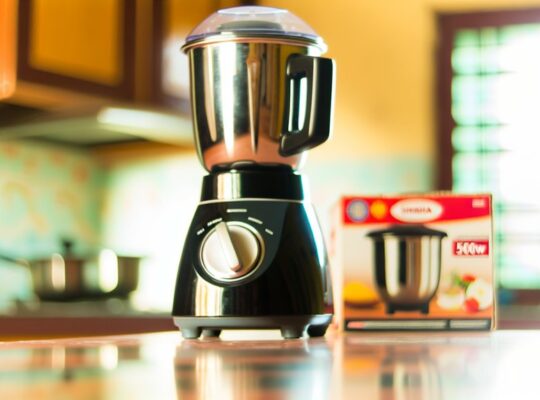
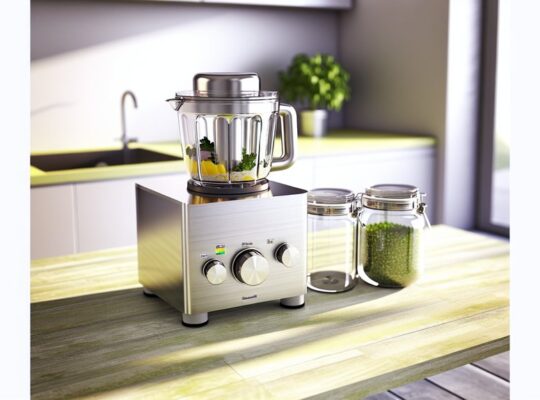
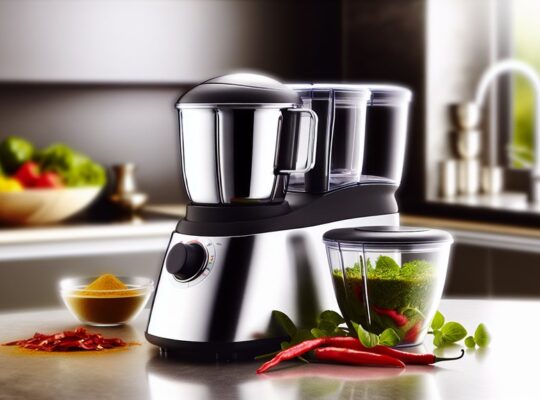
You’ll pick a blade based on ingredient, texture goal, and safety limits. Consider stainless grades, coatings, RPM and duty cycle to avoid heat damage or contamination. Serrated edges tear fibrous roots; flat blades shear and emulsify wet mixes; specialty profiles control particle size for chutneys and masalas. Get this right and flavor and consistency improve — get it wrong and you’ll compromise texture or hygiene, so let’s examine how each option performs.
Key Takeaways
- Blade shape (serrated, flat, or specialty) controls shear vs. tear, determining particle size, texture, and flavor extraction.
- Blade material and grade (304/420/440C) affect corrosion resistance, edge retention, and suitability for acidic or abrasive ingredients.
- Coatings (PVD, electroless nickel, hard chrome) improve wear resistance but must be food-safe and checked for flaking.
- Match blade geometry, motor power, RPM, and batch volume to avoid overheating, metal fatigue, and microbial risk.
- Clean-dry-passivate and inspect blades regularly; replace if pitted, nicked, or corroded to prevent contamination and performance loss.
Why Blade Choice Matters for Texture and Flavor
How do different blades change what you get from the same ingredients? You’ll notice blade geometry, edge angle, and tip speed directly alter particle size distribution and flavor extraction. A serrated or scalloped profile tugs fibres, producing coarser particulate that preserves volatile oils and reduces heat build-up; that’s safer for heat-sensitive aromatics. A fine, razor-sharp straight edge shears cleanly, yielding uniform paste and faster enzymatic release, which can increase bitterness if over-processed. Blade material coatings and hardness affect corrosion resistance and contamination risk; choose food-grade, non-reactive finishes compliant with local stainless steel or coating regulations. RPM, dwell time, and batch volume must be matched to blade type to control temperature rise and microbial risk. You should monitor output temperature, inspect for metal fatigue, and follow manufacturer maintenance schedules to maintain cutting tolerances. Consider also the motor power and capacity of your mixer grinder to ensure compatible performance with the chosen blade motor quality.
Stainless Steel Chopping Blades: Everyday Use
Want a reliable all-rounder for daily prep? Stainless steel chopping blades are your safe, durable choice. You’ll get corrosion-resistant alloy (typically 304/430 grades) that withstands acidic ingredients and routine washing without leaching metals when in good condition. Use these blades for vegetables, soft fruits, cooked meats, herbs, and soaked legumes — tasks requiring clean cuts and minimal cell rupture to preserve texture and flavor.
Operate at manufacturer-recommended speeds and batch sizes to avoid overheating, which can alter food quality and accelerate blade wear. Inspect blades for nicks, pitting, or loose fittings; damaged blades raise contamination and performance risks and may violate food-safety expectations. Clean immediately after use with warm detergent; follow dishwasher guidance from the appliance maker to maintain temper and finish. Replace blades per service intervals or after visible degradation. When you choose stainless chopping blades, you’re prioritizing predictable cutting geometry, regulatory-compliant materials, and everyday kitchen safety. Sujata’s stainless components often provide enhanced durability for heavy-duty use.
Serrated Blades for Hard and Fibrous Ingredients
Why reach for a serrated blade when tackling hard or fibrous ingredients? You’ll get improved bite and controlled tearing: serrations concentrate force on small contact points, initiating fractures in tough materials like root vegetables, whole spices, and fibrous stems. Use them for dry, dense items—nuts, hardened sugar, ginger, galangal—where slicing action alone won’t start the cut efficiently.
You should select serrated blades made from food-grade stainless steel with corrosion-resistant coatings and compliant manufacturing markings (e.g., NSF, EU food contact) to meet hygiene and traceability requirements. Operate at recommended speeds; excessive RPM increases heat and metal fatigue, raising contamination risk. Always secure lids and follow locking interlocks before activation. Inspect serrations regularly for chipping or dulling; damaged teeth can create irregular fragments and metal particulate hazards. Clean with non-abrasive methods to preserve edge geometry and avoid cross-contamination. Replace blades per manufacturer wear guidelines to maintain cutting performance and food safety. Choose blades that match a mixer grinder’s motor strength and cooling design to reduce overheating and extend blade life.
Flat Blades for Wet Grinding and Purees
Moving from serrated teeth that tear tough, dry materials, flat blades are designed to shear and emulsify high-moisture ingredients for wet grinding and purees. You’ll use them when consistency, particle size control, and hygienic processing matter. Flat blades create a horizontal cutting plane that minimizes heat build-up and prevents over-oxidation of sensitive ingredients like herbs, dairy, and fruit.
- Performance: They produce uniform purées and pastes by slicing and folding ingredients into the liquid matrix; you’ll monitor RPM and duration to limit temperature rise.
- Materials & safety: Choose food-grade stainless steel (AISI 304/316) blades with smooth radii to reduce microbial traps; inspect for nicks and replace if corrosion appears.
- Regulatory & cleaning: Follow validated cleaning-in-place or manual protocols, document sanitation cycles, and keep GMP records to ensure allergen control and traceability.
You’ll prioritize controlled processing parameters and blade integrity to deliver safe, consistent wet-grind products. Many compact mixers offer 500–1000W motors that provide enough power for efficient wet grinding without excessive heat build-up.
Specialty Blades for Chutneys and Masalas
For chutneys and masalas you’ll want specialty blades that let you control particle size from coarse to fine, matching ingredient texture to recipe and safety standards. Look for heat-resistant construction and food-grade materials so blade temper and surface finish prevent thermal degradation and comply with hygiene regulations. You’ll also need to verify RPM limits and duty cycles to avoid overheating volatile spices during extended runs. Choose blades made of stainless steel or titanium-coated alloys for best durability and cutting efficiency.
Coarse-To-Fine Grinding
Coarse-to-fine grinding covers a range of blade designs that let you process ingredients from roughly chopped to powder-fine without changing jars, using geometry and speed to control particle size distribution. You’ll select blades that balance shear and impact so spices, herbs, and wet chutney elements reach target textures while limiting heat and oxidation. Choose food-grade, corrosion-resistant steel and follow torque and load limits in the manual to stay compliant with safety guidelines.
- Use serrated, offset blades for quick coarse breaks; reduce speed to keep oils intact.
- Use multi-tiered, tapered blades for intermediate grind; pulse to control moisture release.
- Use fine-profile, high-RPM blades for powder; monitor temperature and stop if product warms.
Measure particle distribution; clean and inspect seals after each batch. Havells’ thicker stainless steel jars and sharper blades can help maintain consistency while reducing vibration.
Heat-Resistant Construction
After you’ve balanced blade geometry for particle distribution, consider heat-resistant construction for chutneys and masalas where prolonged running and friction raise temperatures that can alter flavor, degrade oils, or stress seals. You’ll want blades and housings made from high-temperature stainless alloys (e.g., 316L or heat-treated 420) with surface finishes that reduce friction and microbial retention. Thermal barriers, silicone or PTFE seals rated for food-contact high heat, and reinforced bearings prevent migration of lubricants and preserve volatile spice compounds. Validate material declarations against local food-contact regulations (FDA, EU 10/2011) and keep temperature log records during recipe development to ensure you don’t exceed Tg or melting points of components. Regular inspection and documented maintenance cycles will keep performance consistent and contamination risks minimal. Consider also using mixer grinders with multiple jars to separate processing tasks and reduce cross-contamination during recipe testing.
Blade Materials and Corrosion Resistance
When selecting blades you’ll want to compare stainless steel grades (304 vs 430 vs hardened tool steels) for hardness, food safety, and chromium/nickel content. Consider coatings and platings—PVD, nickel, or food-grade passivation—that change wear and corrosion performance without compromising regulatory compliance. Finally, follow corrosion-prevention best practices (drying, neutral detergents, timely replacement) to maintain cutting efficiency and meet hygiene standards. Insulated motor housings and precision balancing can also reduce operational wear and noise, which helps preserve blade life and safety during use with low-noise operation.
Stainless Steel Grades
Which stainless steel grade you choose will determine a blade’s wear, edge retention, and corrosion resistance under your typical use and cleaning regime. You’ll balance hardness, toughness, and food-contact safety while meeting local appliance regulations. Common, cost-effective 304 resists food acids and cleaning solvents; 420 gives hardenable edges but needs sealing to avoid pitting; 440C offers superior wear resistance with stricter heat treatment control.
- 304 — austenitic, non-magnetic, good corrosion resistance, easy cleaning, compliant with many food-contact standards.
- 420 — martensitic, hardenable, sharper edge potential, moderate corrosion resistance; inspect seals and avoid prolonged acidic exposure.
- 440C — high carbon, high wear resistance, requires precise heat treatment; monitor for corrosion in improper maintenance.
Coating and Plating
Having picked a stainless grade for base properties, you’ll next consider coatings and platings that modify surface hardness, lubricity, and corrosion resistance without changing the alloy’s bulk behavior. You’ll evaluate common options: PVD (titanium nitride, chromium nitride) for thin, hard, food-safe layers; electroless nickel for uniform wear resistance and smoother surfaces; hard chrome for abrasion resistance but check ROHS and food-contact restrictions; and passivation enhancements (oxide films) to restore stainless performance after machining. Assess coating thickness, adhesion tests, and potential for flaking under impact. Verify food-contact certifications (FDA, EU regulations), and confirm processes avoid toxic plating baths (hexavalent chromium). Specify allowable cleaning chemicals and maximum service temperatures to ensure coating integrity and to meet safety and regulatory compliance. Also consider non-slip, child-friendly attachments and secure lid designs when specifying coatings to support overall safe mixer grinder use.
Corrosion Prevention Tips
Why care about corrosion now? You handle food-contact blades, so corrosion risks imply contamination, structural failure, and regulatory noncompliance. Follow focused controls to maintain material integrity and consumer safety.
- Clean & dry: Rinse immediately after use with potable water, use food-grade detergents, and fully dry to prevent pitting and galvanic corrosion.
- Inspect & replace: Check for discoloration, flaking, or micro-pits; document findings per HACCP; replace blades showing corrosion to avoid metal ions leaching.
- Material & storage: Prefer AISI 304/316 stainless or properly passivated surfaces; store separated from carbon steel; control humidity and avoid chloride exposure.
You’ll reduce biological risk and chemical migration, meet food-safety standards, and extend blade service life.
How Blade Geometry Affects Cutting Performance
How does blade geometry change the way a mixer grinder handles ingredients? You’ll notice edge angle, curvature and tip shape dictate shear vs. impact cutting. Acute edges slice fibrous herbs and meats cleanly; obtuse edges resist chipping when crushing hard spices. Concave surfaces funnel purées; flat profiles stabilize grinding of pastes. Tip radius affects particle size distribution and safety during cleaning.
| Feature | Effect on Ingredient | Safety/Regulation |
|---|---|---|
| Edge angle | Controls slicing efficiency and bruise level | Sharp edges require guarded housings |
| Curvature | Channels flow for smooth purées | Reduces splatter—helps containment |
| Tip shape | Determines initial impact vs. shear | Rounded tips lower fracture risk |
| Thickness | Affects torque demand and heat | Thicker blades need motor rating |
| Surface finish | Influences adhesion, cleaning | Polished surfaces meet hygienic standards |
Specify blade geometry when selecting for texture targets and certified motor ratings. Always follow manufacturer torque limits and lock-out procedures to comply with safety regulations. Start with liquids first and use short pulses to control texture and prevent overheating while monitoring for heat buildup and motor strain, as recommended for safe, consistent results when making pastes and nut butters with short pulses.
When to Swap Blades for Different Recipes
When should you swap blades to hit a target texture without damaging the motor or compromising safety? You’ll change blades when ingredient type, batch size, or target particle size risks overheating, clogging, or unsafe loads. Choose blades that match cutting action to ingredients and follow load and run-time limits in the manual.
- For coarse chopping (root vegetables, frozen fruit): use heavy-duty, thicker blades; shorter runs at lower RPMs reduce motor strain and prevent binder buildup.
- For fine purees/emulsions (sauces, nut butters): use high-shear, sharper blades; pulse control and gradual feed avoid overheating and oil separation.
- For wet vs. dry separation (grains, spices vs. soups): switch to dedicated dry-grind blades or wet-blend blades to maintain food-safety surfaces and avoid cross-contamination.
Always let the motor cool per manufacturer specs, secure the jar and lid, and confirm blade seating and safety interlocks before operation.
Cleaning, Sharpening, and Maintenance Tips
Need a quick refresher on keeping blades and jars safe, sharp, and compliant? You’ll follow a regimented routine: rinse immediately after use to prevent food residue hardening; use a soft brush and mild detergent for protein- or oil-based residues; avoid abrasive pads on stainless or coated blades. Sanitize jars and lids per manufacturer or local food-safety guidelines (e.g., 70% isopropyl wipe or hot-water soak where allowed). For sharpening, remove blade assemblies per manual, secure in a jig, and use a fine-grit whetstone or ceramic rod at the original bevel angle; test on a single herb leaf before full use. Lubricate motor coupling and rubber seals with food-grade silicone grease after cleaning cycles and inspect retaining clips for corrosion. Store blades dry in a protective sheath; keep spare jars capped and labeled for allergen control. Record maintenance dates and actions to meet warranty and regulatory expectations, and always disconnect power before servicing.
Signs It’s Time to Replace Your Blade
After routine cleaning, sharpening, and inspection, you’ll want to watch for specific performance and safety cues that indicate a blade replacement is required. You rely on the blade to process ingredients predictably and meet food-safety expectations; degraded components compromise both yield and compliance.
- Excessive dulling or chipping: if edges no longer cut cleanly or show micro-fractures, particle size distribution widens, increasing microbial risk and inconsistent texture.
- Warping, bending, or imbalance: vibration, noise, or wobble at normal speeds signals structural deformation; continued use stresses motor bearings and creates clearance breaches that trap residues.
- Corrosion or pitting: visible rust, surface degradation, or protective-coating loss indicates compromised stainless performance and potential contamination; reject blades with active corrosion.
Replace blades when any item above is present; document replacement dates for traceability and warranty. Use OEM or certified equivalents meeting material, hardness, and surface-finish specs to maintain safety and regulatory compliance.
Frequently Asked Questions
Can I Use Blades From Different Brands Interchangeably?
You generally shouldn’t; different brands use specific blade fittings, materials and tolerances, so mismatches can compromise safety, performance and warranties. Check manufacturer specs, regulatory markings and torque/clearance requirements before substituting blades.
Will Blade Choice Affect Motor Lifespan or Warranty?
Yes — using improper blades can strain the motor, shortening lifespan and potentially voiding warranty if manufacturer specifications or safety instructions are violated. You should follow approved blade types, balance, and load limits to ensure compliance and safety.
Are There Blades Safe for Use With Acidic Foods Like Tomatoes?
Yes — you should use stainless steel blades (preferably 316 or food‑grade 304 with corrosion resistance). They won’t leach, resist acid pitting, and meet food‑safety standards; rinse and dry promptly to maintain integrity and warranty.
Can I Grind Freezing or Frozen Ingredients With These Blades?
You can’t grind fully frozen blocks safely; blades may chip or motor overloads. You should thaw to softened, slushy consistency, remove hard cores, use short pulses, and follow manufacturer’s temperature and food-safety guidelines.
Do Blade Attachments Fit Other Kitchen Appliances?
Generally no — blade attachments aren’t universal, so you’ll need to confirm model compatibility, mounting fit, material food-safety ratings, and motor torque limits. Using mismatched blades risks damage, contamination, voided warranties, and regulatory noncompliance.