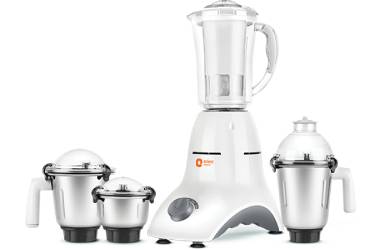
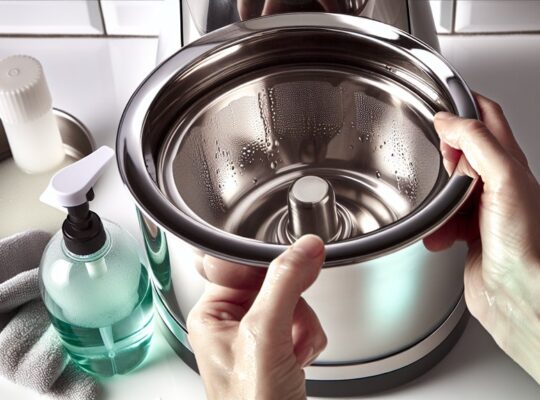
Before you start, unplug the grinder and confirm the jar, lid, and blades are clean and dry; you’ll want a dedicated dry-grinding jar with stainless-steel blades. Don’t overfill—work in small batches—and secure the lid tightly. Pulse in short bursts to avoid overheating, then run brief continuous cycles for a finer powder, pausing to cool as needed. Follow simple maintenance steps and you’ll avoid common problems, but there’s more to get right.
Key Takeaways
- Unplug, assemble a clean dry-grinding jar with stainless-steel blades, and ensure the lid locks before starting.
- Use small, uniform, fully dry batches and remove stones, husks, or fibrous bits first.
- Pulse short bursts for coarse texture, and use continuous short bursts with pauses for finer powder.
- Pre-chill oily seeds briefly and run lower speeds for oily or fibrous ingredients to reduce heat and oiling.
- Clean immediately after use, unplug before maintenance, inspect gaskets/blades, and replace worn parts.
Safety Precautions and Appliance Care
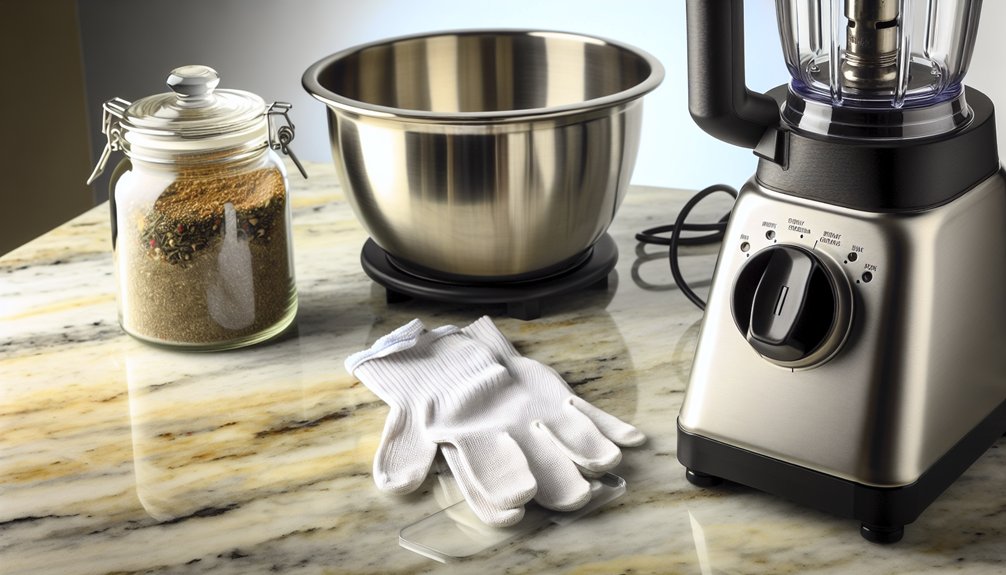
Before you start dry grinding, make sure the grinder is unplugged and the jar and blades are clean and completely dry; moisture or residual food can cause clumping, corrosion, or electrical faults. You should inspect the power cord for cuts or exposed wires and never use the appliance if the cord or plug is damaged. Secure the lid and jar properly to prevent spillage and motor strain. Don’t overfill—adhere to the recommended capacity to avoid overheating. Use short pulse intervals, allowing the motor to cool between cycles. Keep hands and utensils away from moving parts; only handle blades when unplugged and using tools designed for removal. Store the unit in a dry, ventilated spot and follow the manufacturer’s maintenance schedule. Many Kenstar models include SS ULTIMA stainless steel blades that deliver efficient and durable performance.
Choosing the Right Jars and Blades

Which jar and blade combo will give you the best results depends on what you plan to grind. Choose a dedicated dry-grinding jar—metal or high-strength plastic—because it’s designed to handle hard, dry ingredients and reduces heat transfer. Use stainless-steel blades with hardened edges for grains, spices, and coffee; they’re durable and resist corrosion. Reserve multi-purpose or wet jars for pastes or liquids to avoid cross-contamination. Ensure lids seal tightly and locking mechanisms engage before you start. Match jar capacity to batch size to prevent overloading. Replace nicked or bent blades immediately, and never attempt to straighten them yourself. Before each use, check for cracks in jars and secure fittings; faulty components increase risk of injury and equipment damage. For occasional household use, select a mixer grinder with around 450 watts of power to handle routine dry-grinding tasks without overworking the motor.
Preparing Ingredients and Batching Tips
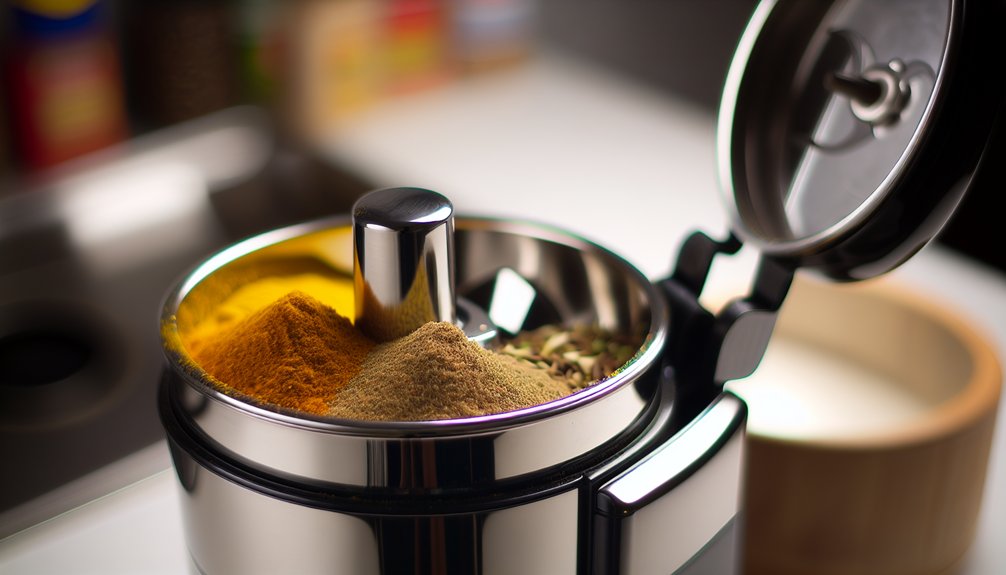
Wondering how to prep and batch your ingredients for the cleanest, safest grind? You’ll want to inspect, dry, and sort everything before you start. Remove stones, husks, or fibrous bits that can damage blades. Ensure ingredients are fully dry to prevent clogging and bacterial growth. Use small, uniform batches so the motor doesn’t overheat and blades wear unevenly.
- Separate hard from soft items to avoid uneven stress on the motor.
- Measure batches to the jar’s recommended capacity; don’t overfill.
- Pre-chill oily seeds (like flax) briefly to reduce heat and oil release.
- Clean jars, lids, and seals between different spices to prevent cross-contamination.
Follow these steps and you’ll protect both food safety and your grinder’s longevity. Sumeet grinders often feature vacuum feet for stability during operation and to reduce vibration.
Grinding Techniques for Desired Textures
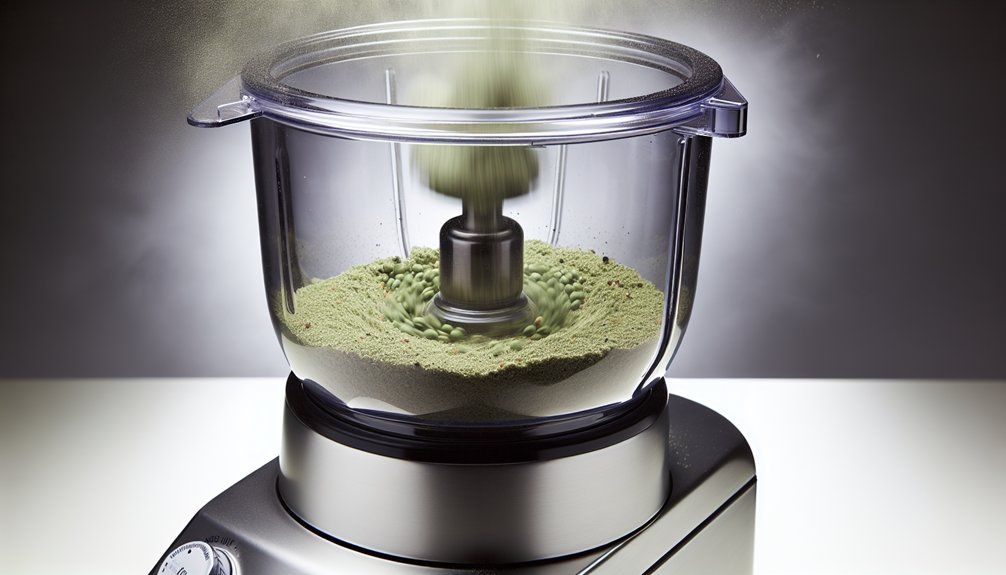
How finely do you want your end product — powder, coarse meal, or something in between — will determine the technique you use and the settings you choose. Start with short pulses for coarse texture; pulse 2–3 times, check, then repeat. For a finer powder, run continuous short bursts with brief pauses to prevent overheating. Use lower speeds for oily or fibrous items to avoid pasting; higher speeds suit dry, brittle ingredients. Don’t overload the jar—work in small batches for uniform results and reduced motor strain. Shake or tap the jar between runs to redistribute material. Always let the jar and blades cool if they feel warm before continuing. Secure the lid and keep fingers and utensils away from blades while operating. Choose a grinder with a powerful motor to ensure efficient and consistent dry grinding.
Cleaning, Maintenance, and Troubleshooting
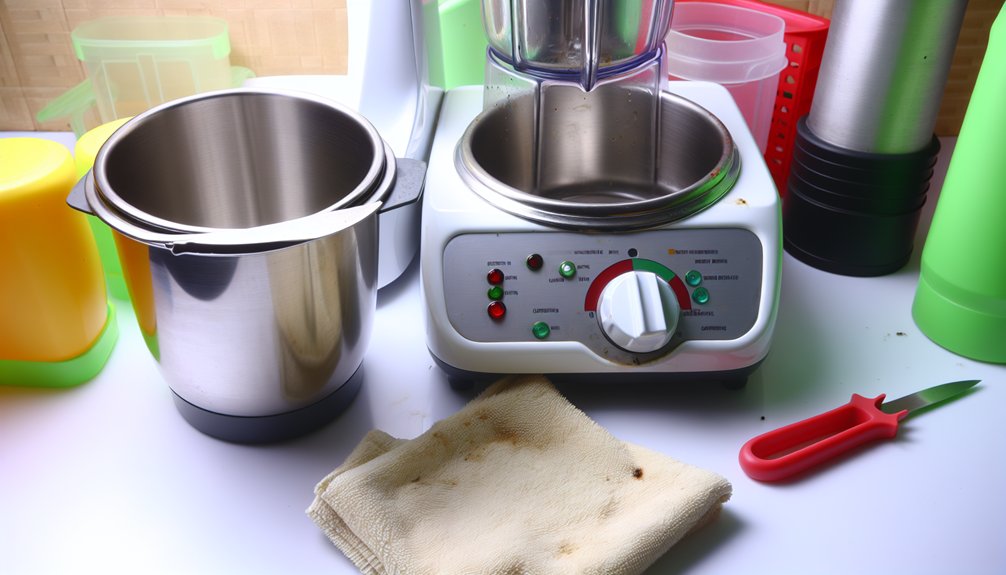
Ready to keep your mixer grinder running safely and efficiently? You’ll clean and maintain it regularly, inspect seals and blades, and troubleshoot common issues to prevent hazards. Always unplug before cleaning and wear cut-resistant gloves when handling blades.
- Clean jars, lids, and blades immediately after use; remove stuck particles with a soft brush to avoid corrosion and contamination.
- Wipe motor base with a damp cloth; never immerse it in water to prevent electric shock.
- Check rubber gaskets and blade assembly for wear; replace damaged parts to maintain airtight grinding and avoid overheating.
- If the motor hums, smells burnt, or stalls, stop use, let it cool, and consult a technician to prevent fire or further damage.
- For best results, choose models with overload protection to extend motor life and reduce the risk of damage.
Frequently Asked Questions
Can a Mixer Grinder Make Nut Butters or Pastes?
Yes — you can make nut butters and pastes with a mixer grinder, but you’ll need steady pulses, small batches, occasional scraping, and oil addition. Don’t overheat the motor; let it cool to prevent burns or damage.
How Do I Prevent Spices From Losing Aroma While Grinding?
Grind in short pulses, keep blades and jar dry, chill whole spices briefly, use small batches, avoid overheating, let grinder cool between runs, store ground spices airtight in dark, cool place, and label with date for safety.
Is It Safe to Grind Small Quantities Like 1-2 Teaspoons?
Yes — it’s safe to grind 1–2 teaspoons, but you’ll want to use a small jar or pulse gently to avoid overheating, secure the lid, and check blades; don’t run continuously to preserve aroma and motor health.
Can I Grind Non-Food Items Like Charcoal or Herbs for Crafts?
You can, but you shouldn’t; non-food items like charcoal or craft herbs can contaminate, abrade blades, produce dust and toxic residues. Use a dedicated, well-ventilated grinder, PPE (mask, goggles), and clean thoroughly after each use.
Do Altitude or Humidity Affect Grinding Performance?
Yes — altitude and humidity can affect grinding. At high altitude air density changes slightly, and high humidity makes powders clump, reducing efficiency and risking motor strain; you’ll want drier ingredients, frequent pauses, and cautious small batches.