You’ve seen mixer grinders evolve from simple, earthed motors with cloth-insulated wiring to devices governed by formal BIS tests and certification. Standards now mandate leakage limits, temperature-rise caps, interlocks, and thermal cutouts, and regulators conduct factory checks and recalls. This shift changed design, supply-chain traceability, and consumer expectations — and there’s a clear trajectory toward smarter, testable safety measures that you’ll want to follow.
Key Takeaways
- Early practices relied on basic insulation, earthing, thermal cutouts and secure mounts to mitigate electrical and mechanical risks.
- BIS introduced mandatory IS standards, specifying leakage, temperature rise, insulation tests, and factory inspection requirements.
- Manufacturers added interlocks, double-insulated housings, torque-limiting clutches, and jam-protection sensors for safer operation.
- Accredited lab testing, traceable certification marks, and recall protocols strengthened market enforcement and consumer protection.
- Ongoing trends include stricter supply‑chain controls, routine batch testing, digital compliance records, and harmonized international standards.
Early Days: Basic Electrical Safety and Design Practices
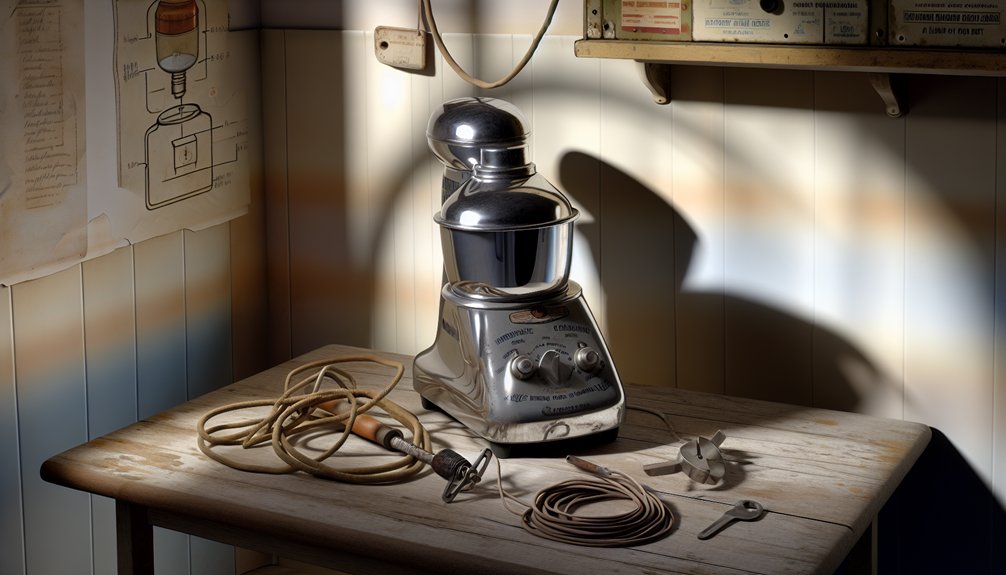
How did early Indian mixer-grinder safety take shape? You’d see practical, rudimentary measures: basic insulation, simple earthing, and clear awareness of overload risks. Manufacturers relied on double-insulated motors or metal bodies with earth terminals; cords used PVC sheathing meeting basic dielectric expectations. Thermal cutouts and simple fuses were common to prevent overheating and short circuits. Designs emphasized secure lid interlocks and robust jar mounts to reduce mechanical ejection. Test practices were empirical—routine insulation resistance and continuity checks, plus manual run-in trials—guided by field failure feedback rather than formal mandates. Documentation was sparse but functional: user manuals warned against wet handling and recommended proper earthing. These early practices established a safety baseline that consumers and makers could trust. Processors later added overload protection and interlocking features to improve safety and durability.
Formalization of BIS Standards and Mandatory Requirements

When did mixer-grinder safety move from practice to prescription? You saw informal best practices codified when BIS introduced and revised IS standards for domestic mixers and grinders, making key requirements mandatory for manufacturers and regulators. Those standards clarified electrical insulation, earthing, mechanical guarding and labeling, and required type-testing and factory inspection. You’d rely on certification marks and test reports as evidence of compliance.
- Mandatory IS conformity for mass-market products
- Specified test methods for leakage, temperature rise, and insulation
- Requirements for factory inspection and sample testing
- Clear labeling and instruction standards for safe use
This formalization shifted responsibility onto manufacturers and regulators, improving traceability, enforcement and statistically verifiable reductions in incident risk. Orient’s product range and warranties reflect industry moves toward manufacturer accountability and improved consumer protection.
Enhanced Protective Features and User‑Safety Innovations
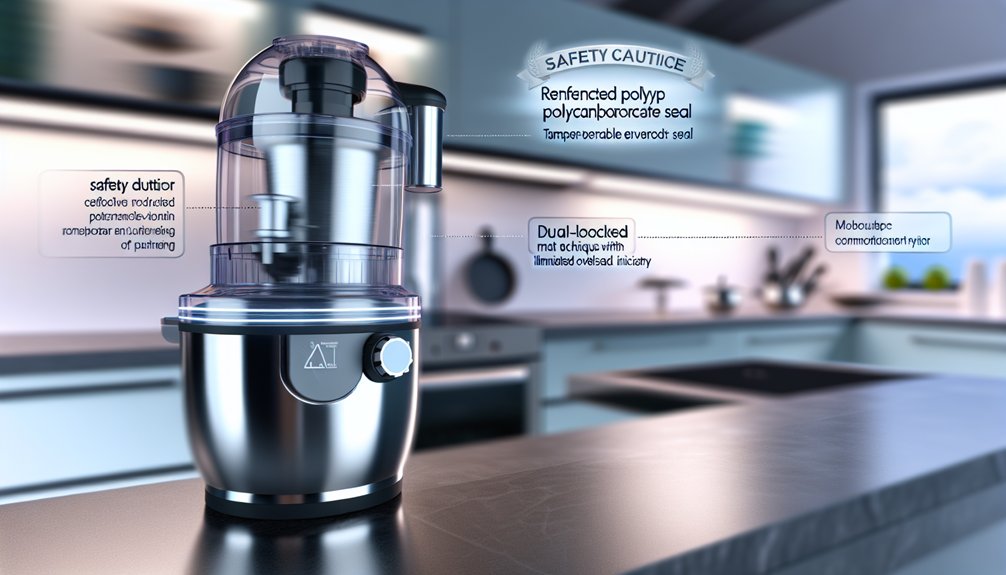
Having moved many safety requirements into mandatory IS standards, manufacturers and regulators then focused on add-on protective features and design innovations that reduce user risk in real-world use. You now see features such as interlock systems that prevent motor start unless jars are secured, thermal cutouts and auto-reset mechanisms that limit overheating, and double-insulated housings that reduce leakage current. Torque-limiting clutches and jam-protection sensors lower mechanical injury risk; splash guards and better sealing cut exposure to hot liquids. Labels, tactile markings, and standardized connector designs improve correct assembly and reduce misuse. These measures are supported by incremental IS revisions and incident analyses, and they’ve been adopted progressively across price segments, so you’re more likely to encounter empirically validated protections in contemporary mixer grinders. Regular inspection and replacement of worn gaskets and seals helps prevent leaks and maintain these safety features.
Testing, Certification, Recalls, and Market Enforcement
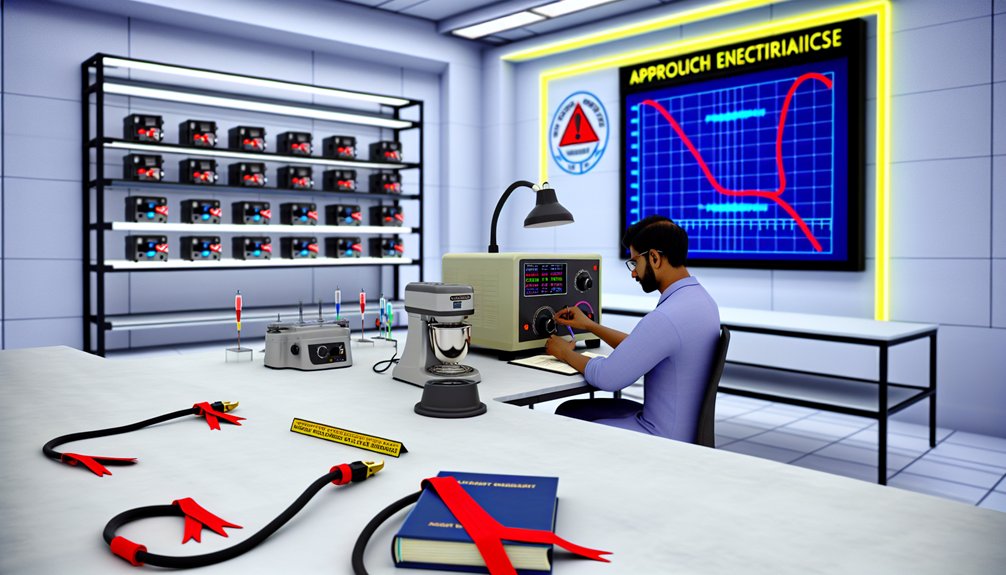
What safeguards ensure mixer grinders on the Indian market actually meet safety claims? You rely on standardized testing (BIS IS 302, IS 1293), accredited labs, and mandatory certification to verify electrical insulation, earthing, overheating protection, and mechanical guards. Market surveillance, sample testing, and documented conformity checks back those claims.
- Mandatory BIS certification and factory inspections
- Independent accredited lab test reports for key safety parameters
- Recall protocols triggered by field incidents and non‑conformity findings
- Regulatory enforcement including fines, product bans, and public advisories
You should expect traceable test reports, clear labeling, and prompt recall notices when hazards emerge. Enforcement data and documented recalls provide objective evidence of system effectiveness; absence of transparent records warrants consumer caution. A typical domestic mixer grinder 750 W motor balances performance and energy use while requiring proper wiring and protection.
Impact on Manufacturing, Consumer Trust, and Future Directions
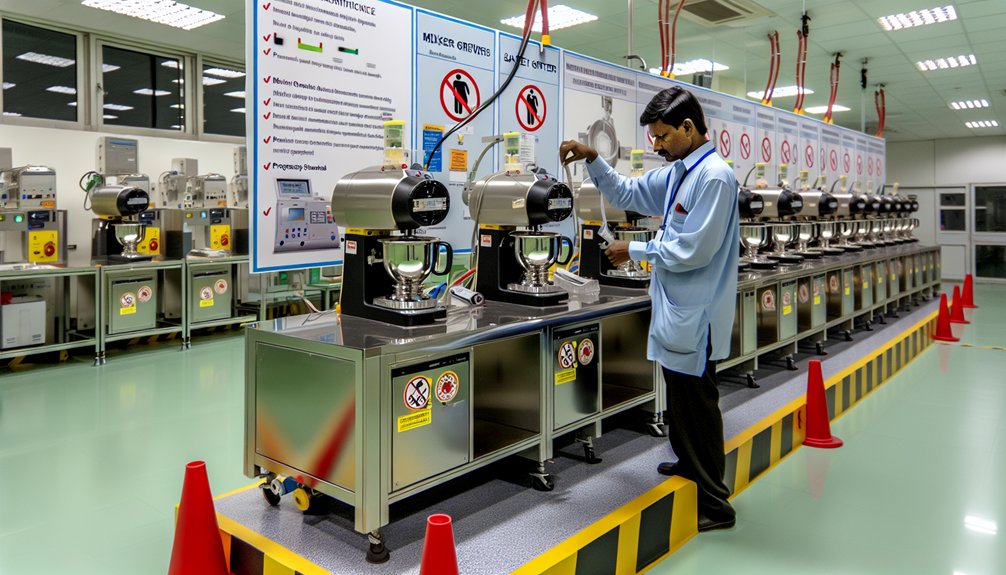
Because stricter safety standards and mandatory certification tie product acceptance to verifiable test results, manufacturers have had to redesign components, document quality systems, and invest in compliant processes to keep market access. You’ll see tighter supply-chain controls, standardized materials (insulation, overload protectors), and routine batch testing to reduce electrical and mechanical failures. That shift raises production costs but lowers field failures and recall rates, which in turn rebuilds consumer trust measurable through warranty-claim reductions and post-market surveillance data. As a buyer, you can demand certified labels and access test reports; regulators can require traceability and periodic re-certification. Future directions include harmonized international standards, mandatory in-use testing, and digital compliance records — all of which will make your choice safer and evidence-based. Manufacturers of modern mixer grinders have also increased design changes such as fiber-reinforced bodies and improved ventilation to enhance durability and motor life.
Frequently Asked Questions
Do Mixer Grinders Pose a Fire Risk if Left Plugged in Overnight?
Yes — they can pose a fire risk if left plugged in overnight. Faulty wiring, damaged cords, overheating motors, or voltage spikes can ignite insulation or dust; unplugging when idle and using circuit protection reduces that risk considerably.
Are Aftermarket Jars and Blades Safe to Use With Branded Motors?
You can, but you shouldn’t assume compatibility; aftermarket jars/blades often lack certified fit, thermal protection, or balanced tolerances. Use only certified replacements matching motor specs, torque ratings, and safety standards to minimize vibration, overheating, and electrical risks.
How Should I Dispose of an Old Mixer Grinder Safely?
You should decommission it by unplugging, draining fluids, removing batteries, and separating hazardous components; recycle metal/plastic at an authorized e-waste facility, document disposal if required, and obtain a certificate or receipt for compliance and safety.
Do Mixer Grinders Affect Household Power Quality or Cause Voltage Drops?
Yes — mixer grinders draw large starting currents that can cause brief voltage dips and harmonics; you should use proper wiring, dedicated circuits, good earthing, and surge protection to minimize power-quality issues and assure safe operation.
Are There Special Safety Rules for Using Grinders in Restaurants?
Yes — you’ve got to follow stricter rules: use commercial-rated grinders, fixed wiring, overload protection, regular inspections, operator training, and sanitation protocols. Compliance with local electrical and food-safety codes is mandatory and evidence-based.