You’ll want to pick the tool that actually matches what you cook most, not the one with the flashiest features. A hand blender is quick for soups, purees, and small jobs in the pot, while a mixer grinder handles heavy grinding, dough, and large batches. Think about space, cleanup, and how often you’ll use each function — and that choice will change how much time you spend prepping in the kitchen.
Key Takeaways
- Choose a hand blender for quick in-pot purees, soups, smoothies, and small emulsifications with easy cleanup and portability.
- Choose a mixer grinder for heavy-duty grinding, dry masala, atta, larger batters, and consistent high-torque performance.
- Prefer hand blenders when you need precise, variable-speed control and minimal lifting or transfer of hot liquids.
- Prefer mixer grinders when processing nuts, grains, whole spices, or larger batches that require sustained power (500–1000W).
- Match appliance choice to typical tasks, budget, storage space, and safety needs rather than buying the most powerful unit.
How Hand Blenders Work and Their Core Features
What makes a hand blender different from other kitchen tools? You’ll notice it’s designed for direct, in-bowl use—slim, handheld, and intended to reach into pots, pitchers, or bowls so you can blend without transferring hot or heavy contents. Its shaft houses a small, fast-rotating blade guarded by a cage to reduce splash and finger contact, which helps keep you safer than open blades on countertop appliances.
Compared with larger appliances, a hand blender gives you control: you can pulse, adjust angle, and stop quickly if something’s wrong. Look for variable speeds, detachable shafts for cleaning, and sturdy housings that resist heat and liquids. Safety features like a locked-on button, overheat cutout, and secure blade guard matter when you’re working with hot soups or thick mixtures. For simple blending, emulsifying, or puréeing tasks, it’s often the practical, safer choice for quick jobs without extra bowls or heavy lifting. Regular cleaning and inspection of parts like blades and seals helps maintain performance and prevent damage, so check them frequently for wear and replace as needed inspect blades.
How Mixer Grinders Work and Their Core Features
When you compare mixer grinders, focus first on the motor and how it creates agitation — higher wattage and good cooling mean steady torque for tougher tasks. Check the blade assemblies too, since their shape and material determine chopping, grinding or pureeing efficiency across different jars. Consider the jars themselves (size, sealing, and material) because they work with blades and motor to handle wet, dry, and heavy-duty jobs. AI-enabled models can also use real-time sensor feedback to optimize speed and torque for consistent results, improving safety and reducing wear on components like blades and motors by monitoring real-time feedback.
Motor and Agitation Mechanism
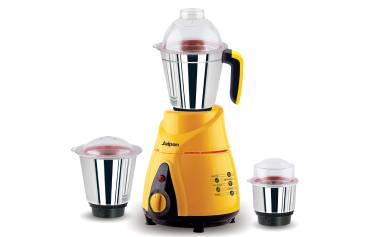
Curious how a mixer grinder actually powers through tough ingredients? You’ll find that the heart is the motor — typically an induction or universal type — rated in watts; higher wattage gives more torque for heavy tasks. The motor’s design affects heat buildup, noise, and durability, so pick one with thermal overload protection and sturdy bearings to prevent failures and reduce vibration. Agitation comes from the coupling between motor and rotating parts: gear-driven or direct-drive systems change how power’s transmitted and how efficiently ingredients move. For safety, look for secure lock mechanisms and automatic shutoff on overloads. Compared to hand blenders, mixer grinders offer sustained high torque, but they demand proper ventilation and correct loading to avoid overheating and maintain safe, consistent performance. Also consider features that help seniors, like visible lid-lock indicators and non-slip bases to reduce tipping and accidental spills.
Blade Assemblies and Jars
How do blade assemblies and jars actually determine a mixer grinder’s performance and versatility? You’ll find blade shape, material and mounting affect cut efficiency, heat buildup and durability. Stainless steel blades resist corrosion and stay sharp; hardened or serrated edges excel at grinding dry spices, while curved, multi-tier blades handle wet chutneys and purees. Jar design—capacity, tapering, and thickness—controls circulation, reduces splashing and prevents overheating. Sealed lids, anti-slip bases and interlock safety switches keep you protected during high-speed use. Choose matching blade-jar combos: a small, hard-grind jar with robust blades for dry tasks; a wider, tall jar with gentler blades for liquids. Regular inspection, proper assembly and avoiding overfilling will keep performance optimal and risks minimal. For long-term reliability, prefer stainless steel jars and properly coated blades to reduce corrosion and wear.
Typical Kitchen Tasks Best Suited to a Hand Blender
Why reach for a hand blender instead of a full-size mixer grinder? Because you’ll often want speed, control, and less cleanup for small, wet tasks. Use a hand blender for soups and sauces — you can purée hot liquids directly in the pot, reducing transfers and scald risk if you hold the shaft steady and keep the motor away from steam. It’s ideal for smoothies and single-serve drinks: insert, pulse, and stop; avoid overfilling and secure lids to prevent splashes. Emulsifying dressings, mayo, and hollandaise is easier with the handheld’s precise motion, giving a smoother texture without overheating ingredients. Use it for baby food and small purees where portion size matters. Whipping cream or beating small egg whites works when you don’t want the mixer’s footprint. For safety, always unplug before cleaning, keep fingers clear of the blade guard, and use a stable container to minimize spills and accidental contact. Hand blenders also avoid the heavier motors and larger jars of mixer grinders, making them a better choice when stability and low vibration are important.
Typical Kitchen Tasks Best Suited to a Mixer Grinder
When you need power and consistency for tasks like grinding spices and grains, a mixer grinder is the go-to choice. It’s also better suited than a hand blender for making batters and dough or for crushing nuts and seeds into fine textures. In short, if the job requires robust blades, larger capacity, or longer run times, pick the mixer grinder. For heavy North Indian cooking tasks, choose a mixer grinder with a 750–1000 W motor to handle whole spices, atta and wet masalas without bogging.
Grinding Spices & Grains
Looking to grind tough whole spices or large quantities of grains? You’ll find a mixer grinder is the safer, more efficient choice compared with a hand blender. Mixer grinders have sturdy, high-torque motors and dedicated dry-grinding jars that handle hard seeds, whole spices and rice without overheating. You can process larger batches evenly, reducing repeated runs that strain the motor. A hand blender lacks the sealed, heavy-duty blades and capacity, so it’s unsuitable for coarse, dry grinding. When you use a mixer grinder, secure the lid, don’t overfill, and pulse to avoid overheating; let the jar cool between long runs. Choose quality blades and clean thoroughly to prevent cross-contamination of flavors and ensure safe, consistent results. Regular cleaning and checking for worn components helps prevent excess noise and prolongs the appliance’s life.
Making Batter & Dough
How do you get smooth, lump-free batters and evenly kneaded dough without tiring your arms? You’ll find a mixer grinder handles large batter volumes and dough kneading more consistently than a hand blender. It mixes flour and liquids uniformly, develops gluten for proper texture, and minimizes manual effort—important for safe, repeatable results.
| Task | Mixer Grinder Advantage |
|---|---|
| Pancake/Idli batter | Consistent, lump-free blend |
| Bread/Chapati dough | Even knead, saves effort |
| Cake batter | Controlled speed, smooth mix |
Stick to recommended jar sizes, avoid overfilling, and secure lids before running. Use pulse or low speeds to prevent splashing. For safety, unplug before scraping or removing attachments. A mixer grinder’s stable, high-capacity action makes it the practical choice for batter and dough. High-RPM motors also produce smoother pastes and finer textures ideal for batters and wet masalas.
Crushing Nuts & Seeds
Crushing nuts and seeds is where a mixer grinder really pulls ahead: it gives you quick, uniform results without the uneven chunks or oily paste you can get from hand tools. You’ll get consistent grind sizes for recipes—fine powder for baking, coarse for toppings—by using the right jar and short pulses. Compared to a hand blender, the grinder’s metal blades and enclosed jar reduce airborne dust and protect your fingers, but you should still unplug before scraping or changing attachments. Avoid over-processing; stop and check often to prevent heat buildup that releases oils and can turn nuts into butter. Clean jars promptly to prevent rancidity and use small batches for even results. For safety and efficiency, a mixer grinder is the smarter choice. Most consumer models with higher motor power (around 750W) handle nuts and seeds more effectively than lower-wattage units.
Power, Speed, and Performance Comparison
Curious which appliance will handle your everyday tasks faster and with less effort? You’ll find mixer grinders usually pack higher wattage—often 500–1000W—so they tackle tough jobs like grinding dry masalas, crushing ice, or kneading thicker batters more quickly. Hand blenders typically range 200–800W; they’re ideal for soups, purees, and light chopping with faster heat dissipation and more direct control.
Speed settings matter: mixer grinders offer multiple fixed speeds and heavy-duty torque for consistent results under load, while hand blenders give variable speed control and instant response for delicate tasks. Performance also ties to motor cooling and duty cycle—mixers are built for longer runs, hand blenders need pauses to avoid overheating.
For safety and longevity, match power to task: don’t force a low-watt hand blender to process hard ingredients, and ensure proper ventilation and secure attachments on mixers. Choosing the right appliance reduces strain, risk, and the chance of motor failure. Remember to follow basic safety precautions when handling and maintaining blades and motors to prolong appliance life.
Size, Storage, and Portability Considerations
Power and performance affect not just what an appliance can do, but also how big and bulky it needs to be—and that matters when you pick between a hand blender and a mixer grinder. You’ll find a hand blender is compact, easy to tuck into a drawer or hang, while a mixer grinder often needs countertop space or a dedicated cabinet spot. Think about where you’ll store it, how often you’ll move it, and whether weight matters for safe handling.
- Hand blenders are lightweight and easy to maneuver for quick tasks.
- Mixer grinders are heavier, requiring stable placement to prevent tipping.
- Consider cord length and plug storage to avoid tripping hazards.
- If you travel or have limited space, a hand blender is more portable.
- For family cooks who prep large batches, a mixer grinder’s size may be justified.
Choose based on your kitchen layout, storage options, and safe lifting capabilities.
Cleaning, Maintenance, and Durability
You’ll want to compare how easy each is to clean—hand blenders often wipe down or rinse quickly, while mixer grinders have more removable parts to scrub. Consider how often maintenance is needed, since frequent sealing or blade checks can add up over time. Finally, weigh long-term durability: sturdier build and replaceable parts will keep a machine reliable for years.
Ease of Cleaning
How easy is it to keep a hand blender or mixer grinder spotless and reliable over time? You’ll find hand blenders generally simpler: detachable shafts and washable blades cut rinsing time, and fewer crevices mean less bacterial buildup. Mixer grinders have more parts and tighter seals, so you’ll need careful cleaning to stay safe and hygienic. Consider these practical cleaning points:
- Detachable parts: hand blender shafts usually detach for quick washing; grinder jars need full disassembly.
- Dishwasher safety: many hand blender parts are dishwasher-safe; check grinder components before loading.
- Access to blades: hand blenders expose blades easily; grinder blades sit deeper and can trap food.
- Seals and gaskets: inspect grinder seals to prevent mold and leaks.
- Drying and storage: thoroughly dry all parts to avoid corrosion and contamination.
Maintenance Frequency
Usually, you’ll want to clean a hand blender after each use and perform a quick check of the shaft and motor housing for food residue weekly, while a mixer grinder often needs daily jar cleaning plus weekly inspection of blades, lids, and gaskets to catch wear or trapped debris. You’ll find hand blenders require less frequent deep maintenance: detatch blades (if removable), rinse immediately, and wipe the motor body to prevent buildup. Mixer grinders demand more regimented care because multiple jars and seals can harbor bacteria and degrade faster; dry parts thoroughly and replace worn gaskets promptly. In both cases, unplug before servicing, use appropriate brushes for crevices, and follow manufacturer guidance for safe cleaning intervals to minimize risk and maintain performance.
Long-Term Durability
Wondering which will last longer under regular use? You’ll find durability depends on construction, usage, and upkeep. Hand blenders have fewer moving parts and sealed motors, so they resist wear and moisture better; mixer grinders handle heavy jobs but strain bearings and blades more. Follow safety-minded maintenance to extend life: clean immediately, avoid overheating, and inspect seals and cords regularly.
- Clean detachable parts after each use; avoid immersing motor housings.
- Lubricate joints or replace gaskets per manufacturer guidance.
- Don’t overload the mixer grinder; use pulse or short bursts.
- Store both appliances dry, unplugged, and away from heat or moisture.
- Replace worn blades, filters, or cords promptly to prevent hazards.
With attentive care you’ll maximize lifespan and keep operation safe.
Safety, Noise, and User Comfort
Which feels safer and more comfortable in daily use — a hand blender you hold over the pot or a mixer grinder that stays on the counter? You’ll find the hand blender gives more control and less lifting, reducing spill and burn risk when blending hot liquids. The mixer grinder stays put, which lowers tip-over hazard and frees your hands, but transferring hot contents increases risk. Noise matters: hand blenders are generally quieter at low speeds; heavy-duty mixer grinders produce more sustained noise, which can fatigue you and obscure warning sounds.
| Factor | Hand Blender |
|---|---|
| Stability | Needs your grip |
| Noise | Generally lower |
| Heat handling | Use cautiously over pot |
| Ergonomics | Lightweight, maneuverable |
Choose based on tasks: pick a hand blender for quick, controlled jobs where you’re standing close; choose a mixer grinder when you need stability and hands-free operation, but take care during transfers and use hearing protection if noise is high.
Price Range and Value for Money
How much you’ll pay depends on features and build quality: basic hand blenders start around $20–40 while premium models with powerful motors, metal shafts, and multiple attachments range from $80–200; mixer grinders, by contrast, generally begin near $50 for entry-level units and climb to $150–300 for heavy-duty, multi-jar models with commercial-grade motors.
You’ll want to weigh upfront cost against durability, warranty, and safe operation. A cheaper hand blender can handle simple tasks but may overheat under heavy use; a midrange model often offers better motor cooling and safer materials. Mixer grinders cost more when they include shockproof housings, thermal cutoffs, and robust jars. Consider long-term value: energy-efficient motors, replaceable parts, and a reputable warranty reduce risk and expense. Below are quick buying priorities to compare value:
- Inspect motor power and thermal protection
- Check build materials and secure attachment fit
- Review manufacturer warranty and service network
- Prioritize safety features over lowest price
- Match features to typical tasks, not impulse upgrades
Choosing Based on Cooking Habits and Household Needs
Price and features matter, but the best choice really depends on what you cook and who you’re feeding. If you mainly make smoothies, soups, purees or small-batch sauces, a hand blender gives you quick, safe control and less cleanup; you can blend directly in pots, reducing hot-splash risk when you use the right guard and keep hands clear. If your household prepares larger meals, grinds spices, or makes batter and chutneys regularly, a mixer grinder handles heavy duty tasks, but you’ll need to follow safety steps: secure lids, avoid overfilling, and unplug before changing jars.
Consider household size and skill level: a single person or couple benefits from the compact, low-risk hand blender; families cooking for many will appreciate the mixer grinder’s capacity. Think about storage, noise sensitivity, and maintenance: choose the appliance that matches your typical recipes and that you’ll use safely and consistently.
Frequently Asked Questions
Can Either Appliance Make Nut Butters or Heavy Doughs?
Yes — but with limits. You can make smooth nut butters and light doughs in a sturdy mixer grinder; a hand blender can handle softer nut pastes only. Always secure lids, use pulse, and avoid overheating.
Are Replacement Parts and Accessories Widely Available?
Yes — replacement parts and accessories are generally available, but you’ll find mixer grinder parts more common for heavy-duty items; hand blender attachments are plentiful too. Check brand support, warranty, and safety certifications before buying replacements.
Do Warranties Cover Motor Burnout From Heavy Use?
Usually not—warranties often exclude motor burnout from heavy or improper use. You should check terms: some offer limited protection or paid repairs. Compare coverage, service centers, and recommended duty cycles to ensure safe, reliable operation.
Can Either Be Used Safely Near Children or Pets?
Yes — you can, but you shouldn’t leave either unattended; you’ll keep them out of reach, use guards and lids, secure cords, supervise closely, avoid wet floors, and choose quieter models to reduce startling children or pets.
Which Is More Energy-Efficient for Daily Use?
The hand blender’s smaller motor typically uses less electricity than a mixer grinder, so it’s more energy-efficient for quick daily tasks; you’ll save power and reduce heat, but heavy continuous grinding still favors the sturdier grinder.