When you’re making baby food, choosing the right mixer grinder matters for nutrition, texture, and safety. Pick models with secure interlocks, BPA-free parts, and overheating protection so you reduce contamination and injury risks. Focus on motor power that yields smooth purees without overheating, and jars that let you control small batches. There are clear features pediatricians recommend — here’s how to prioritize them and pick the best unit.
Key Takeaways
- Choose a model with true mechanical interlock and secure locking lids to prevent accidental operation and spills.
- Prefer BPA-free food-contact parts and stainless-steel jars to minimize plastic exposure and odors.
- Look for 200–700 W brushless or efficient motors depending on batch size to balance pureeing power and heat.
- Ensure automatic overheat protection, clear thermal cutoff specs, and restart indicators for safe repeated use.
- Select varying jar sizes (100–800 ml) and blade options (smooth, blunt, coarse) to match baby’s developmental textures.
Why a Dedicated Mixer Grinder Matters for Baby Food
Why choose a dedicated mixer grinder for baby food? You’ll reduce cross-contamination risks by keeping infant meals separate from adult spices, allergens, and strong odors; studies show dedicated equipment lowers inadvertent exposure. You’ll also get finer, more consistent purees that match developmental needs — texture affects swallowing and acceptance, and predictable particle size helps reduce choking risk. A unit used only for baby food makes cleaning simpler and more reliable, which supports hygiene standards pediatricians recommend. You’ll appreciate controls that let you tailor processing time for age-appropriate textures, helping you progress safely from smooth purées to lumpier mashes. Using a dedicated appliance encourages routine preparation, so you’re less likely to rely on processed options with added salt or sugar. Finally, dedicating equipment helps you track wear and performance: you’ll notice if blades dull or seals degrade and replace components before they compromise food safety or consistency. Choose a commercial-grade model with thermal overload protection to ensure safe, consistent operation during frequent use.
Key Safety Features to Look For
When choosing a mixer grinder for baby food, you’ll want models with secure locking lid mechanisms to prevent accidental spills and keep tiny hands safe. Prefer BPA-free materials for any parts that contact food, since pediatric guidelines advise avoiding bisphenols in infant diets. Also look for units with overheat protection systems so the motor shuts off before components get hot enough to degrade food or cause burns. Consider a model with overheat protection to ensure safe continuous use and prevent motor damage.
Locking Lid Mechanisms
How secure is the lid on the grinder you’re considering — and does it have a true interlock? You’ll want a mechanism that prevents the motor from running unless the lid is fully seated; studies and safety standards show interlocks reduce accidental activation. Check for tactile clicks or visual indicators that confirm engagement, and test alignment tolerances so the lid can’t be warped into place. Prefer designs where the interlock is mechanical rather than just a switch that can be bypassed. Also look for lids that lock automatically when pressure rises, preventing ejection of hot or slippery contents. For infant feeding, select models whose locking parts are robust, corrosion-resistant, and easy to verify before each use to minimize risk of spills or contact with moving blades. Consider also choosing jars and lids made of stainless steel for durability and corrosion resistance.
BPA-Free Materials
Want to be sure the plastic parts that touch your baby’s food won’t leach chemicals? Check for explicit “BPA-free” labeling on jars, lids, and tamper parts—manufacturers must state this clearly. Prefer materials tested to food-contact standards (FDA, EU) and look for third-party testing or certificates in the manual or website. Note that “BPA-free” doesn’t guarantee absence of all endocrine disruptors; reputable brands often use polypropylene or Tritan and provide migration testing data. Inspect seals and gaskets—soft plastics can degrade with heat and repeated cleaning, increasing risk. Replace parts per manufacturer guidance and avoid microwaving plastic components unless specified safe. When in doubt, choose glass or stainless steel containers for storage and reheating to minimize chemical exposure. Also consider choosing appliances with stainless steel jars when possible, as many 550 watt mixer grinders commonly include them and they reduce contact with plastic.
Overheat Protection Systems
A reliable overheat protection system is essential because grinders can run hot during long purees or repeated batches, and excessive motor temperature risks damaging the unit and contaminating food with burnt odors or degraded components. You’ll want models with automatic thermal cut-off that pauses operation if internal temperature exceeds safe limits and restarts only after cooling; look for explicit reset mechanisms or cool-down indicators. Prefer units with documented temperature thresholds and short recovery times so you can maintain feeding schedules without risking motor stress. Overheat protection complements circuit breakers and sealed motors to reduce contamination risk. For infant food, choose grinders with manufacturer testing data or safety certifications showing reliable thermal protection—this minimizes risk of nutrient loss, off-flavors, and appliance failure. Also consider units with rest intervals and pulse techniques to let heat dissipate between bursts, which preserves aroma and texture.
Optimal Power and Motor Types
Curious which motor and wattage actually make a difference when you’re prepping baby food? You want consistent purees without overheating or leaving chunks that pose choking risks. Choose a motor and wattage based on volume and food type, keeping safety and pediatric guidance in mind.
- 200–400 W: Best for small batches and soft fruits; lower heat generation reduces nutrient loss for occasional use.
- 400–700 W: Versatile for daily purees, vegetables, and gentle pulses; balances power with control to avoid over-processing.
- >700 W: Good for tougher roots or larger batches, but you’ll need short bursts to prevent overheating and preserve vitamins.
- Motor type — brushed vs. brushless: Brushless motors run cooler, quieter, and last longer, which reduces risk of thermal shutdown during repeated baby-food sessions.
Always follow manufacturer duty cycles and let motors cool between runs; consult pediatric feeding guidance when changing texture. Orient mixer grinders are a trusted option for reliable performance and support, with models offering overload motor protection to prevent overheating.
Best Jar Sizes and Blade Designs for Purees
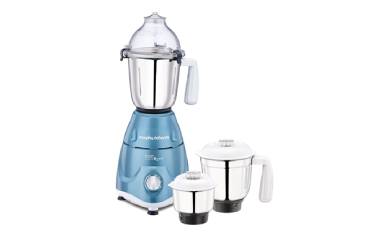
When choosing jars for baby purees, you’ll want small (150–300 ml) containers for early single-ingredient portions and larger (500–1000 ml) jars as your child progresses to mixed meals and batch prep. Blade geometry matters: S-shaped or multi-tiered blades give smooth, lump-free purees for younger infants, while serrated or convection-style blades can handle fibrous foods and texture adjustments for older babies. Balance capacity with convenience—bigger jars reduce batch time but can be harder to clean and store, so match jar size to how often and how much you actually prepare. Also consider a 750W copper motor for consistent grinding and better handling of tougher ingredients like cooked vegetables and pulses (750W copper motor).
Jar Sizes for Stages
How much puree you’ll need — and which jar will make it best — depends on your baby’s stage and feeding plan. You’ll want jars that match portion size, reduce reheating, and allow safe cooling and storage. Choose shatterproof, BPA-free jars with tight lids and easy-pour spouts.
- 100–150 ml: for 4–6 months when starters are tiny; make single-serve batches to avoid waste.
- 200–300 ml: for 6–9 months as intake increases; allows one meal plus small leftovers.
- 400–600 ml: for 9–12 months when you’re blending multiple foods or batch-cooking.
- 800–1000 ml: for family-style purees or twins; good for freezer portions and meal prep.
Match jar volume to fridge/freezer containers and follow pediatric refrigeration guidelines for safety.
Processors also help when batch-cooking larger puree volumes because their larger bowls and pulse control prevent over-processing and preserve texture.
Blade Shapes for Texture
Which blade shape will give you the safest, most appropriate texture for each feeding stage? You’ll want blades that produce consistent, predictable particle sizes to reduce choking risk. For smooth purees (4–6 months) choose multi-pronged stainless steel or serrated blades that create shear and recirculation, yielding uniform creams without hot spots. As you advance (7–9 months) a blunt, slightly angled blade lets you transition to thicker, lumpier textures while maintaining control. For finger-food readiness (10+ months) use coarser, removable blades or pulse settings to create soft mash without over-processing. Look for sealed, food-grade materials and easy-to-clean designs to prevent bacterial growth. Always test textures against pediatric guidance and cool foods before serving to an infant. Before replacing or servicing blades, always unplug the unit and follow safe replacement steps to avoid injury.
Capacity Vs Convenience
Wondering what jar size and blade combo will make preparing baby purees safe, efficient, and practical for your routine? You’ll want jars and blades matched to volume and texture needs: small jars for single servings, medium for batch prep, and large only if you’ll freeze portions. Choose stainless steel or BPA-free plastic jars with measurement marks. Blades should be removable for cleaning and designed to minimize air incorporation to reduce oxidation.
- Small (200–400 ml): ideal for single meals; reduces waste and reheating.
- Medium (500–800 ml): best for weekly batch-prep; balances capacity and motor load.
- Large (>1 L): use only if freezing; harder to blend uniformly.
- Blade design: sharp central blades plus shallow peripheral fins for smooth purees.
Materials and Build Quality: What’s Safe for Babies
What materials contact your baby’s food, and are they proven safe? You should choose grinders with BPA‑free plastics, food‑grade stainless steel, and silicone seals — materials with clear safety data and resistance to corrosion. Look for 304 or 316 stainless markings and BPA/PVC-free labeling; these reduce metal leaching and endocrine risk. Inspect seals and lids for cracks where bacteria hide; dishwasher-safe parts that tolerate high temperatures are preferable for sanitation. Avoid non‑food‑grade coatings or painted surfaces that can chip. Check manufacturer test reports or certifications (LFGB, FDA, or equivalent) and documented material disclosures. Prioritize simple designs with removable jars and smooth seams to allow proper cleaning. Clinical guidance supports minimizing exposure to plastics in early life when possible; stainless parts plus certified plastics balance practicality and safety. Below is a quick comparison to help you evaluate options.
| Material | Safety Notes | Maintenance |
|---|---|---|
| Stainless steel | Low leaching | Dishwasher/boil safe |
| Certified plastic | BPA‑free labeled | Avoid scratching |
| Silicone seals | Food‑grade, inert | Replace periodically |
Sujata models often emphasize stainless steel construction, which can improve durability and reduce corrosion risk.
Noise Levels and Compactness for Home Use
After checking materials and build quality, you’ll also want to consider how loud and how big the grinder is—both matter when you’re preparing food around a sleeping baby or in a small kitchen. You’ll want a unit that minimizes stress for infant sleep cycles and fits your counter or cupboard. Evidence suggests sudden loud noises can wake infants, so choose models with decibel ratings when possible and look for noise-dampening features like insulated housings and rubber feet.
- Check decibel (dB) ratings — under 70 dB is preferable for short use; quieter is better for frequent prep.
- Measure footprint and storage height — confirm it fits where you’ll keep and use it safely.
- Evaluate vibration and stability — less vibration lowers noise and reduces tip risk near a baby.
- Consider motor power vs. noise — higher power can be noisy; balance efficiency with gentleness.
Prioritize tested specs and pediatric guidance when selecting a compact, low-noise grinder for home use.
Ease of Cleaning and Dishwasher-Safe Parts
A mixer grinder that’s easy to clean will cut down on bacterial risk and make daily prep for your baby much more practical; look for parts you can disassemble quickly and either rinse under running water or place in the dishwasher without degrading seals or blades. You’ll want detachable jars, lids, and blades that expose all food-contact surfaces so you can remove milk residues and purees that harbor microbes. Check manufacturer guidance for dishwasher-safe icons and top-rack recommendations; high heat can warp plastics or compromise silicone gaskets, which increases contamination risk. Stainless-steel blades and glass or BPA-free hard plastics resist staining and are less likely to retain odors after repeated washing. In clinical studies of infant feeding equipment, instruments that can be fully disassembled and sanitized reduce bacterial load more effectively than fixed assemblies. Practically, rinse immediately after use, run a short dishwasher cycle where safe, and replace worn seals promptly to maintain a hygienic food-prep routine for your baby.
Top Picks Under Different Budgets
Looking for reliable options across budgets? You’ll want mixers that deliver safe, smooth purees, easy cleaning, and low noise. Below are evidence-based, pediatric-focused picks organized by budget so you can choose with confidence.
- Budget-friendly: A compact single-speed grinder with BPA-free jar and stainless-steel blades — suitable for occasional puree and easy sterilization.
- Mid-range: A multi-speed unit with pulse function, sealed motor base, and multiple jar sizes — reliable for varied textures and small-batch cooking.
- Premium: A dedicated baby food processor with gentle chopping, temperature-safe containers, and quiet motor — ideal if you prepare food daily.
- Splurge (family needs): A high-capacity blender-grinder combo with safety interlocks, dishwasher-safe lids, and consistent motor control — best if you make larger portions.
When choosing, prioritize models tested for food-contact safety, low heat transfer, and clear manufacturer cleaning instructions to reduce contamination risk.
Practical Tips for Preparing and Storing Baby Food
When you prepare baby food, follow pediatric-safe storage temperatures—keep refrigerated foods at 4°C (40°F) or below and frozen items at −18°C (0°F) or colder—to limit bacterial growth. Make batches that match your baby’s usual portion size and cool cooked foods quickly (shallow containers or ice bath) before refrigerating or freezing to preserve safety and nutrients. Label portions with date and contents, and use refrigerated purees within 48 hours (or frozen within 1–3 months depending on food) to reduce risk.
Safe Storage Temperatures
Many parents don’t realize that holding baby food at the right temperature is as important as how it’s prepared — pathogens grow fastest between about 40°F and 140°F (4°C–60°C), so food should be cooled, refrigerated, or frozen promptly. You’ll want to follow clear timing and temp rules to reduce risk and protect immature immune systems.
- Cool hot purees to room temp within 2 hours, then refrigerate at ≤40°F (≤4°C).
- Use refrigerated food within 48 hours for cooked fruits/veg, 24 hours for meat or fish.
- Freeze portions at 0°F (−18°C) or below; label date and use within 1 month for best quality.
- Reheat to steaming hot and cool slightly before serving; discard leftovers after one feeding.
Batch Prep Tips
How can you make batch prep safe, efficient, and nutrition-preserving? Start by planning small batches based on 3–4 days’ needs to limit storage time. Wash hands, sanitize jars or silicone trays, and cool cooked foods quickly — shallow pans and ice baths speed this. Use your mixer grinder to achieve age-appropriate textures; blend minimally to retain fiber and nutrients. Portion into single servings before freezing; label with contents and date. Thaw in the refrigerator overnight or use a warm-water bath; never thaw at room temperature. Reheat to steaming hot then cool to feeding temperature, stirring to avoid hotspots. Discard any uneaten warmed food. Regularly inspect stored items for off-odors or freezer burn and follow pediatric refrigeration guidelines.
Maintenance and Troubleshooting for Longevity
Why should you care about maintenance? Regular care reduces contamination risk, preserves motor function, and ensures consistent texture for safe baby feeding. You’ll want simple, evidence-based steps to keep the grinder reliable.
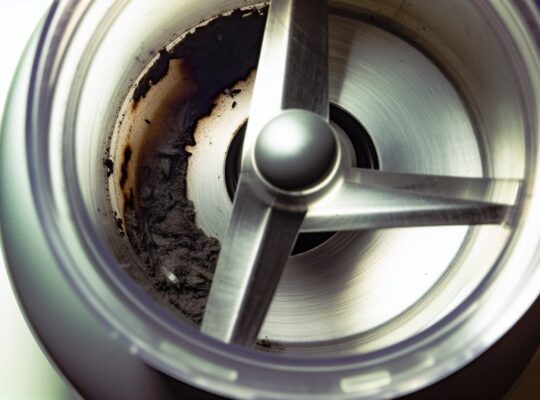
- Clean immediately: dismantle jars, blades, and seals after each use; hot soapy water and a soft brush remove food residues that attract bacteria.
- Inspect seals and blades monthly: replace cracked gaskets and dull blades—damaged parts compromise puree consistency and hygiene.
- Avoid overloading and overheating: follow manufacturer load limits and run intervals; thermal cutoffs prevent motor damage but repeated overheating shortens lifespan.
- Store dry and service annually: air-dry components fully before reassembly; schedule professional servicing if you notice strange noises, burning smells, or reduced performance.
These steps are practical, pediatric-focused, and safety-minded—small routines that lower contamination risk and extend appliance life so you’ll consistently prepare safe, age-appropriate foods.
Frequently Asked Questions
Can Blender Heat Food While Pureeing for Sterilization?
No — blenders don’t reliably heat to sterilize while pureeing; they might warm food slightly but won’t reach safe temperatures to kill pathogens. You should heat separately to recommended temperatures and follow pediatric food-safety steps.
Are Grinder Parts Compatible With Breast Milk Storage Bags?
No — grinder parts aren’t designed for breast milk storage bags, and you shouldn’t force compatibility. Use BPA‑free, food‑grade containers made for milk storage, follow sterilization guidance, and consult your pediatrician for safe handling.
Do Warranties Cover Accidental Damage From Liquids?
Usually not — warranties rarely cover accidental liquid damage. You should check your specific policy, register the appliance, and consider buying accidental-damage protection or third-party insurance to ensure repair or replacement if spills or moisture cause failure.
Can the Grinder Process Frozen Fruits Without Thawing?
Generally, you shouldn’t. Most grinder blades and motors aren’t designed for frozen fruits; you’ll risk motor strain, dulling blades, uneven purees, and safety hazards. Thaw or partially soften fruit before processing for safer, smoother results.
Are Replacement Jars Sold Separately by Size/Color?
Yes — many manufacturers sell replacement jars separately by size and sometimes color; you’ll want to confirm model compatibility, material (BPA-free), and sealing integrity to assure safe, hygienic food prep for your baby.