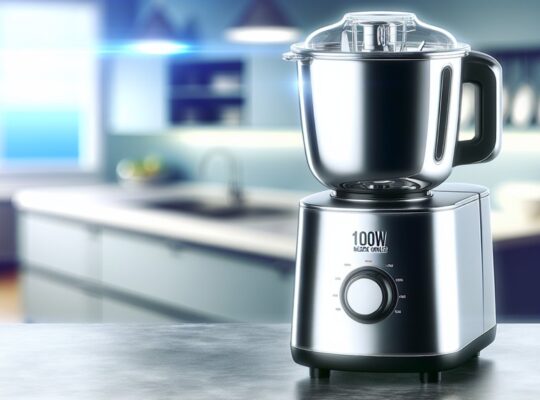
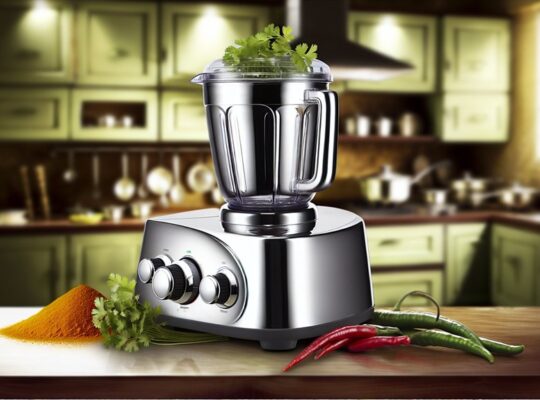
If you’re deciding between a Philips 750W and 1000W mixer grinder, you’ll want clarity on power, torque, and what your kitchen actually demands. The 1000W handles heavy pulses, large batches, and tough ingredients with steadier performance; the 750W is quieter, uses less energy, and suits everyday light-to-moderate tasks. Pick wisely based on how often and how hard you’ll push the motor—the right choice isn’t always the biggest one.
Key Takeaways
- 1000W offers higher torque and steadier performance for heavy grinding, while 750W suits everyday light-to-moderate tasks.
- 1000W finishes demanding jobs faster but draws more peak power; 750W is typically more energy-efficient for short, routine use.
- 1000W models usually have tougher build, better cooling, and longer duty cycles, improving durability under frequent heavy use.
- 750W packages often include smaller jars and fewer accessories; 1000W sets commonly offer larger jars and extra attachments.
- Compare safety features (thermal cutoffs, auto-reset, current sensing) and jar capacity to match your typical recipes and usage.
Key Differences Between 750W and 1000W Mixer Grinders
How much difference does motor power really make? You’ll notice immediate contrasts between 750W and 1000W Philips mixer grinders. A 1000W motor handles larger batches and tougher ingredients with less strain, so you’ll avoid prolonged load on the unit. The 750W is adequate for daily tasks—chutneys, small batter, light grinding—but it’ll take longer and run hotter under heavy use. You’ll get slightly faster processing and better stability from 1000W models, reducing the need for repeated pulses that can cause splatter or uneven texture. Energy draw rises with power, yet higher-rated motors often run more efficiently under load, keeping components cooler and extending lifespan when you use them as intended. For safety, choose the capacity and power suited to your typical recipes; oversized or undersized use increases wear and potential hazards. Compare intended workload, jar size, and duty cycle rather than power alone to make a prudent, safe choice. Also, maintain blades and check for damage regularly to ensure optimal performance and safety, following proper blade maintenance practices.
Motor Performance and Power Output
When you compare the 750W and 1000W motors, focus on torque and RPM to see which handles tough grinding with less strain. Check energy consumption next—higher wattage can mean faster work but may draw more power over time. Finally, evaluate overload protection features to ensure the motor shuts down or cools before damage occurs. Prefer models with thermal overload protection to prevent overheating and extend motor longevity.
Torque and RPM
Although both 750W and 1000W Philips motors look similar on paper, their real difference shows up in torque and RPM: the 1000W unit delivers higher torque at lower RPMs, so you’ll crush tough ingredients more easily and with less strain on the motor. You’ll notice the 1000W holds steady under load, reducing stalling and heat buildup, while the 750W often needs higher RPMs to compensate, which can increase wear. For safety, higher torque at controlled RPMs means fewer abrupt jolts and more predictable operation, especially with dense mixtures. You should choose based on typical tasks: frequent heavy grinding favors 1000W; light, occasional use can suit 750W. Always follow overload protection and cooling recommendations to prevent motor damage. Philips models like the HL7505/00 combine reliable motors with sturdy construction and a wide service network, which matters when maintenance is needed.
Energy Consumption
Curious which model will cost you less to run? You’ll see the 1000W draws more power under heavy load, so peak consumption is higher than the 750W. That doesn’t always mean much higher bills: efficiency, duty cycle and how long you run the motor matter. If you process tough ingredients frequently, the 1000W finishes tasks faster, reducing run time despite greater wattage. For light, short jobs the 750W is typically more economical. Look for efficient motor design and steady power delivery; they convert more electricity into useful torque and generate less heat, improving safety and longevity. Measure typical use: shorter, heavier bursts favor 1000W; frequent, light use favors 750W for lower energy cost. Also consider build and features like high RPM performance when choosing between models.
Overload Protection
Energy use tells part of the story, but overload protection decides whether the motor survives tough jobs. You’ll want a grinder that trips reliably under stress; the 1000W often has more robust thermal cutoff and auto-reset features, while the 750W may rely on simpler fuses. That difference affects longevity and safety during heavy grinding. Consider models with electronic current sensing for faster, more precise shutdowns under overload.
| Feature | 750W vs 1000W |
|---|---|
| Thermal cutoff | Basic vs enhanced |
| Auto-reset | Less common vs common |
| Current sensing | Limited vs precise |
| Response time | Slower vs faster |
| Ease of service | Simpler parts vs modular design |
Choose based on how often you’ll push capacity; prioritize models with clear overload indicators and accessible service options.
Grinding Efficiency and Speed
When you compare the 750W and 1000W models, pay attention to how power translates into blade speed for real-world grinding rather than just peak wattage. The 1000W unit generally sustains higher RPM under load, but the 750W can be efficient if its gearing and blade design convert torque to usable speed. You’ll want to judge both on how consistently they hold high RPM during dense batches to predict throughput and texture uniformity. Higher-watt models also provide greater torque which helps maintain blade speed and consistency when processing dense or fibrous ingredients.
Power-To-Speed Balance
How fast do you need your spice paste or batter done — and can extra watts actually deliver it? You’ll find 1000W motors reach target speeds faster and sustain torque under load, so you spend less time running the grinder. A 750W unit can be sufficient for light to medium tasks, but it may stall or slow with heavy, wet grinding. Choose 1000W if you often process large batches or hard ingredients; it reduces stress on the motor and lowers heat buildup risk. If you mostly make small quantities, a 750W model saves energy and is gentler. Always follow safe use: avoid overfilling, pulse instead of continuous running, and let the motor cool between long cycles to protect both food quality and appliance longevity. Havells-style motors with thermal overload and longer motor warranties illustrate how built-in protections can reduce downtime and total cost of ownership.
Consistency at High RPM
Power and speed set the stage, but consistency at high RPM determines whether your paste or batter comes out uniform or lumpy. You’ll notice the 1000W model maintains steady blade rotation under heavy load, producing finer, more even textures with fewer streaks. The 750W can reach similar RPMs briefly but may fluctuate when you push dense ingredients, creating small inconsistencies and longer processing times. You want predictable shear and minimal vibration to avoid splatter and motor strain; the higher-watt unit delivers that margin. Always secure lids, avoid overfilling, and use pulse intervals to control heat. For safety-conscious users who prioritize smooth results, the 1000W grinder offers superior, consistent performance at high RPMs. Choose models with insulated motor housings to reduce airborne noise and improve comfort during prolonged use.
Durability and Build Quality
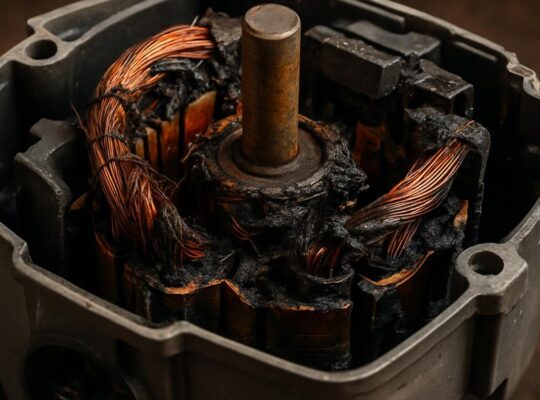
Curious which model will last longer under daily use? You’ll notice the 1000W variant typically uses heavier-duty components: thicker motor windings, reinforced shafts, and more robust cooling, which reduce overheating risk during prolonged operation. The 750W is lighter and adequate for everyday tasks, but it’s more susceptible to strain if you push it beyond intended duty cycles.
In terms of casing and fittings, the 1000W often features metal-reinforced mounts and tighter tolerances that resist vibration and wobble; that means fewer loose parts and safer long-term performance. The 750W relies more on plastic housings and may show wear sooner under heavy loads. Seals, lid locks, and overload protection are crucial safety features—verify both models have thermal cutouts and secure interlocks. You should pick the 1000W if you need greater durability and safer operation under frequent, demanding use; choose the 750W only if your workload is light and you prioritize lower energy draw. Consider also the importance of thermal overload cut-off as a key safety and durability feature.
Jar Capacity and Accessories Comparison
Now compare the jar sizes and the specific attachments each model ships with to see which fits your cooking habits. The 1000W typically offers larger main and chutney jars, while the 750W favors more compact sizes for small batches. Check the included blades, lids, and specialized jars to judge real-world versatility rather than just wattage. Also consider pre-chopping larger ingredients to reduce grinding time and conserve electricity, which helps when choosing between models with different wattages pre-chop.
Jar Sizes Compared
How do the jar line-ups on the 750W and 1000W models actually differ? You’ll notice the 1000W typically offers larger-capacity jars — a big wet jar (1.5–1.7 L) plus a medium wet/dry jar (0.8–1.2 L) and a smaller chutney jar (0.2–0.4 L). The 750W often supplies slightly smaller counterparts — big wet around 1.2–1.5 L and medium nearer 0.6–0.9 L — which suits smaller households.
Capacity affects batching and motor load: larger jars let you process more at once, reducing runs, but you should avoid overfilling to prevent strain. Both models use sturdy, lockable lids and safety interlocks; always secure lids and follow max-fill markings to keep operation safe and reliable.
Included Attachments List
Both models come with a similar core set of jars and blades, but the 1000W package usually includes a larger wet jar (1.5–1.7 L), a roomier medium jar (0.8–1.2 L) and the same small chutney jar (0.2–0.4 L), while the 750W bundle skips upsize and tends toward 1.2–1.5 L, 0.6–0.9 L and the chutney jar. You’ll also get stainless steel lids, multiple blade assemblies (wet, dry, and multi-purpose) and a safety-locking coupling on both. The 1000W set sometimes adds a juicer or extra spatula; the 750W may include fewer extras to cut cost. For safe use, check that blades are secured, gaskets are intact and the motor base’s overload protector is present. Keep spare seals and follow torque limits in the manual.
Noise Levels and Vibration
Wondering which model will be gentler on your ears? You’ll find the 1000W motor runs louder under full load but stabilizes faster; the 750W is generally quieter at typical home tasks. Measured decibel differences are often 3–6 dB higher on the 1000W when pulverizing tough ingredients, which you’ll notice as increased sharpness rather than continuous roar.
Vibration control matters for safety and longevity. The 1000W units usually include heavier-duty mounting and dampers to counterbalance torque, so while they vibrate more initially, they settle quicker and maintain jar stability during use. The 750W models produce milder vibrations overall but can strain when overloaded, increasing wobble risk.
For safe operation pick the model whose noise and vibration profile matches your uses: choose 1000W if you need high-power performance with robust anti-vibration design, or 750W for quieter, lower-stress tasks that reduce user fatigue and countertop movement.
Energy Consumption and Operating Cost
When you compare energy use, the 1000W mixer grinder will draw noticeably more power under full load than the 750W model, but run-time differences and duty cycles determine actual cost. You’ll pay more per hour with the 1000W when both run continuously at maximum, yet for short, frequent tasks the higher-power unit may finish quicker and equalize energy use. Consider typical workloads: grinding wet batter or dry spices runs longer than chopping, so the 750W often suffices and uses less energy overall.
To estimate operating cost, multiply rated watts by actual run time and your electricity rate; factor in motor efficiency and jar speed. You should also account for standby losses and fan cooling cycles, though these are minor. If you want lower monthly bills, choose the lower-watt model for routine, light tasks; pick 1000W only if performance gains reduce total run time enough to offset higher instantaneous draw.
Safety Features and Overload Protection
How safe do you want your kitchen appliances to be? You’ll notice the 1000W models often include more robust safety systems: thermal cut-offs resettable fuses, stronger motor housings, and enhanced ventilation to prevent overheating under heavy loads. The 750W units still offer essential protections—auto shut-off on overload, insulated wiring, and leak-proof lids—but they’re generally rated for lighter, intermittent use.
When comparing, focus on response time and resetability. A fast-acting thermal protector prevents damage; a manual reset lets you inspect before restarting. Look for overload indicators and torque-sensitive clutch systems that disengage blades before the motor stalls. Also check build quality: tamper-resistant switches, earth-grounding, and anti-skid bases reduce accident risk.
You should prioritize models with certified safety marks and clear maintenance guidelines. Match protection level to your usage: frequent heavy grinding merits the 1000W’s reinforced safeguards, while moderate kitchen tasks may be adequately covered by the 750W’s standard protections.
Price Point and Value for Money
Safety features affect price: you’ll often pay a premium for the 1000W models because their reinforced motors, better thermal protection and sturdier housings raise manufacturing costs and perceived reliability. You’ll notice 750W units sit lower on price because they use lighter components and simpler protection circuits. That doesn’t mean they’re unsafe, but you’ll be trading higher initial cost for longer-term durability and confidence under heavy use.
When evaluating value, compare total cost of ownership: warranty length, service network, and expected lifespan matter as much as sticker price. If you run frequent heavy batches, the 1000W’s higher upfront cost can be economical by reducing repairs and replacements. If your use is light and safety-conscious—short tasks with moderate loads—the 750W often delivers adequate protection at better immediate value. Focus on documented thermal cutoffs, build materials, and service terms to judge which model gives you the safest return on investment.
Which Model Suits Different Cooking Needs
Which grinder fits your kitchen depends on what you cook and how often you push the machine: choose the 750W for routine, light-to-moderate tasks—daily chutneys, small batter, and dry grinding—while the 1000W is better for frequent, heavy-duty use like wet grinding large idli/dosa batter, kneading dough, or grinding tough masalas. If you cook for one to three people and prepare softer ingredients, the 750W gives sufficient torque, uses less power, and runs cooler—reducing thermal stress and risk of motor overload. If you regularly process large volumes, hard spices, or dough, the 1000W delivers higher sustained torque and shorter run times, which limits overheating and blade wear. For safety, always follow duty-cycle recommendations, avoid overloading, and let the motor rest between long tasks. Choose based on frequency and ingredient toughness: go 750W for everyday small jobs, 1000W for heavy, frequent demands and longer continuous use.
Frequently Asked Questions
Can I Use These Grinders for Wet and Dry Grinding Simultaneously?
No, you shouldn’t run wet and dry grinding simultaneously; it risks motor overload, jar imbalance, leaks, and contamination. Always use separate jars one at a time, follow manufacturer instructions, and assure secure lids and even loads.
Are Spare Parts and Service Centers Widely Available?
Yes — spare parts and service centers are generally widely available; you’ll find better coverage and quicker support from established brands, so choose models with authorized service networks and registered warranties to ensure safe, reliable repairs and replacements.
Do They Come With a Warranty Extension Option?
Yes — many models offer warranty extension options; you’ll typically choose dealer or brand plans for extra years, often covering parts and labor. Compare costs, exclusions, and authorized-service requirements to ensure safe, reliable coverage.
Are the Jars Dishwasher-Safe or Handwash Only?
They’re generally handwash-only for safety—jars with plastic parts or rubber seals shouldn’t go in the dishwasher. Stainless-steel jars may tolerate dishwashers, but you shouldn’t risk damage; follow the manual and dry seals thoroughly after washing.
Can They Crush Ice or Make Nut Butter Efficiently?
Yes — you can crush ice and make nut butter, but the 1000W handles both faster and with less strain; you’ll still pulse, use short bursts, avoid overheating, and ensure sturdy jars and durable blades for safe operation.