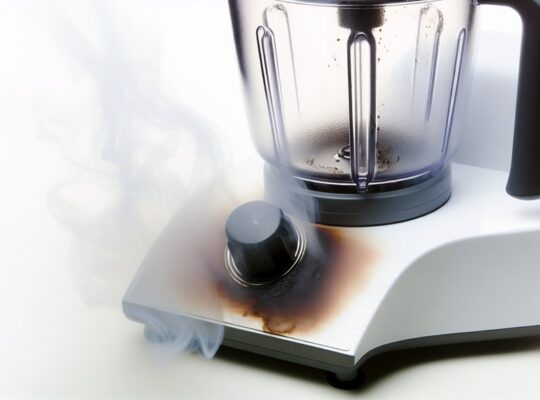
When you pick between stainless steel and plastic jars, think about what you’ll store, how hot it’ll get, and how long you need the container to last. Stainless steel resists heat, acids, and scratches; plastic is lighter, cheaper, and offers more shapes. Each has trade-offs for leaching, sealing, and cleaning, so your choice should match the use case — and there are a few key pitfalls you’ll want to avoid.
Key Takeaways
- Stainless steel is more durable, corrosion-resistant, and less likely to leach contaminants under normal food storage conditions.
- Plastic jars are lighter, cheaper, and offer color/transparency for quick content identification and easier transport.
- Plastics (PP/HDPE) can perform well but may scratch, absorb odors, or leach chemicals if degraded or heated.
- Stainless steel with silicone gaskets gives superior airtightness and long-term seal reliability for freshness.
- Choose stainless for longevity/critical safety and food-contact certainty; choose quality plastics for weight, cost, and visibility.
Health and Safety: Chemical Leaching and Contaminants
Worried about what your jar might be leaching into food? You should be. Chemical migration depends on material, temperature, contact time, and food acidity. Stainless steel (food-grade 18/8 or 304/316) is corrosion-resistant and inert under normal use, so it won’t release metals into neutral or acidic foods at room temperature. Plastic jars vary: HDPE and PP are relatively stable, while polycarbonate and some PET can leach bisphenol-A (BPA) or phthalates, especially with heat or fatty contents. Look for FDA or EU compliance markings and BPA-free labels. Test protocols include simulant extractions at elevated temperatures; certified materials report migration limits in mg/kg. For critical applications—infant food, long-term storage, or heated reuse—prefer validated stainless steel or plastics with documented low migration. Also avoid scratched or degraded plastics; surface damage increases leaching risk. Clean per manufacturer guidelines and replace containers showing clouding, cracking, or warping to minimize contamination. Manufacturers that use reinforced designs and added safety features may also reduce long‑term degradation risk, so consider models with fiber-reinforced body for greater durability.
Durability and Resistance to Wear
Compare expected lifespan, wear mechanisms, and failure modes when deciding between stainless steel and plastic jars. You’ll find stainless steel offers longer service life under mechanical stress: it resists scratching, denting, and fatigue better than most plastics. Corrosion-resistant grades (304/316) maintain structural integrity in humid or mildly acidic environments; inspect welds and finishes for stress concentrators that can initiate failure. Plastic jars (polypropylene, HDPE) tolerate impact without permanent deformation in many cases, but are susceptible to abrasion, UV degradation, and creep under sustained loads. Chemical exposure can embrittle certain polymers, increasing crack propagation risk. For safety, evaluate joint integrity, lid threads, and sealing surfaces—failure here yields leaks and contamination. Choose stainless steel for high-wear, high-temperature, or long-term use; choose food-grade plastics when flexibility, cost, or chemical resistance to specific non-oxidizing substances is required. Implement routine inspections and replace components at first sign of wear to mitigate contamination or mechanical failure. High-RPM operation can increase wear and heat generation in jars and seals, so consider a grinder’s RPM and torque ratings when selecting jar materials.
Weight and Portability Considerations
How much does the jar’s mass affect how you’ll use and transport it? You’ll find weight dictates carry method, mounting choices, and fatigue risk. Stainless steel jars are heavier; that’ll increase pack load, require sturdier bag compartments or vehicle anchors, and raise fall-impact forces if dropped. Plastic jars are lighter, easing hand transport, reducing strain during repeated handling, and permitting simpler attachment points like elastic loops or carabiners.
Assess the trade-offs quantitatively: check empty mass and maximum filled mass to ensure your carry system meets safe load limits. Consider center of gravity — heavier jars shift load distribution and can destabilize racks or shelves. For mobile work, prefer lighter containers or use harnesses and padded supports to minimize vibration and shock to contents. If weight increases likelihood of drops, add non-slip grips and limit single-handed use. Verify that chosen material and fastenings meet your operational safety margins and handling procedures. Add routine cleaning and maintenance like regular gasket checks to prolong jar life and prevent odors, following safe practices such as never submerging the motor base.
Thermal Properties and Temperature Stability
Weight affects more than handling — it also changes how a jar responds to temperature swings, so consider thermal behavior when you choose materials. You’ll find stainless steel has high thermal conductivity and mass, so it evens temperature quickly and provides passive insulation when double-walled; it’s stable under heat, resists warping, and won’t emit chemicals. Plastic has lower conductivity and heats or cools slower at the surface, but thin plastic can deform, leach at high temps, and transfer heat unevenly. For cold storage, metal keeps contents more stable; plastic may become brittle. For hot contents, metal retains heat longer; plastic can trap hotspots and degrade. Choose based on expected temperature range, exposure duration, and safety standards (food-grade certifications, temperature ratings). A higher-wattage appliance often shortens run time and reduces heat buildup in jars, which can help preserve material integrity shorter run time.
| Property | Stainless Steel | Plastic |
|---|---|---|
| Thermal conductivity | High | Low |
| Temperature stability | Excellent | Variable |
| Chemical leaching risk | Low | Higher |
Ease of Cleaning and Maintenance
You’ll want to compare how easily nonstick residues wipe away from stainless steel versus plastic, since oils and sugars behave differently on each surface. Check dishwasher compatibility—many stainless steel jars tolerate high heat and detergents better than some plastics, which can warp or leach over time. Finally, consider long‑term surface care: stainless tolerates occasional polishing and abrasive scrubs, while plastic may scratch, stain, and require gentler cleaners to preserve integrity. Stainless steel is also generally more durable and corrosion-resistant than plastic, making it easier to maintain over many years.
Nonstick Residue Removal
Where does residue hide when you’re scraping out jars? It collects in seams, threads, corners and beneath lids. With stainless steel, you’ll find residue clings to joints and under burrs; use a soft-bristled brush and a plastic scraper to avoid surface damage. For plastic jars, residue can embed in microscopic scratches and molded crevices; use a non-abrasive sponge and a pointed nylon pick to dislodge particles safely. Warm water and a mild, food-safe detergent loosen oils; let parts soak to soften baked-on films. Rinse thoroughly to remove detergent and loosened matter. Inspect seals and gasket channels under bright light; trapped residue can harbor bacteria. Dry completely before storing to prevent microbial growth and material degradation. Also consider the durability and service support of the appliance when choosing jar material, since models like the Philips HL7505/00 combine robust jars with a reliable support network.
Dishwasher Compatibility Differences
How does dishwasher use affect long-term cleanliness and maintenance? You’ll find stainless steel jars tolerate high-temperature dishwashers better: they resist warping, staining, and bacterial buildup from repeated cycles. Their inert surface won’t leach or degrade under alkaline detergents, so sterilization via dishwasher is effective and safe. Plastic jars vary by polymer; only those labeled dishwasher-safe (typically on top racks) withstand heat without softening, crazing, or releasing chemicals. Repeated dishwasher exposure can accelerate microcracks in lower-grade plastics, trapping residues and increasing contamination risk. You should follow manufacturer temperature ratings, separate lids and seals for manual cleaning, and avoid overcrowding to ensure proper rinse and drying. When safety and sterilization matter, choose materials rated for repeated dishwasher use.
Long‑term Surface Care
Want jars that stay clean with minimal effort? For long-term surface care, stainless steel and plastic behave differently. Stainless resists staining, odors, and micro-scratches when you use non-abrasive cleaners and soft cloths; it tolerates periodic sanitizing with diluted bleach or alcohol without degrading. Avoid steel wool and harsh chlorides that can pit the finish. Food-grade plastics are lighter and won’t corrode, but they’re prone to scratches, retained odors, and chemical staining; use mild detergents, avoid high-alkaline cleaners, and replace visibly scored containers. Inspect seals and rims routinely for biofilm buildup and clean with a nylon brush. For both materials, dry thoroughly to prevent microbial growth, store lids off when possible, and follow manufacturer sanitization limits to maintain safety and longevity. Many appliance makers, including brands like Philips and Preethi, design jars and seals with specific materials and care recommendations, so check the manufacturer guidelines before sanitizing.
Airtightness and Preserving Freshness
Why does airtightness matter for storage? You need airtight seals to control oxygen, moisture, and contaminants that degrade food and pharmaceuticals. Stainless steel lids with silicone gaskets typically offer rigid, uniform compression and lower permeability than many plastic lids; that reduces oxidation and mold risk. High‑quality food‑grade plastics can match seal performance if they use engineered elastomer seals and well‑designed threads, but cheaper plastics warp or creep, compromising contact pressure over time.
When preserving freshness you should evaluate seal type, gasket material (silicone vs rubber), closure torque, and long‑term dimensional stability. Test for leaks with vacuum or water immersion; monitor headspace oxygen for critical items. Also consider chemical compatibility—acidic or oily contents can attack some gaskets or plastic polymers, creating microchannels for gas exchange. For safety, prefer materials rated for food contact, replace worn gaskets proactively, and document seal integrity checks. Proper airtightness minimizes spoilage, preserves potency, and reduces contamination risk. Regular maintenance checks on seals and gaskets help ensure continued airtight performance seal integrity.
Cost Comparison and Long-Term Value
When you compare upfront cost to lifecycle expense, stainless steel and plastic jars show very different value profiles: stainless typically costs more initially but lasts far longer and resists wear, while plastic is cheaper to buy but may need more frequent replacement and can incur hidden costs from contamination, permeability, or deformation.
You’ll assess total cost by factoring purchase price, replacement frequency, maintenance, and the risk-adjusted cost of product loss or contamination. Stainless steel demands higher capital but minimal maintenance, offers predictable service life, and tolerates repeated cleaning and sterilization without leaching. Plastic lowers entry cost but can absorb odors, stain, warp under heat, and allow gas transmission; each failure increases replacement and product-waste expenses. For safety-critical storage, choose material whose failure rate keeps life-cycle cost acceptable: calculate cost per year including expected replacements and potential product losses. In many professional settings, stainless steel yields lower long-term cost and greater safety margin despite higher upfront expenditure. Regular inspection of jars, lids, and blades for damage and ensuring proper maintenance can reduce unexpected replacements and safety risks, emphasizing pre-use checks.
Environmental Impact and Recyclability
How do stainless steel and plastic jars compare once you factor in production energy, lifespan, and end-of-life options? You’ll find stainless steel demands higher initial energy and emissions during manufacture but offers a much longer service life and repeated reuse, lowering lifecycle impact per use. Plastic takes less energy to produce but degrades faster, increasing replacement frequency and waste. Recycling infrastructure differs: stainless steel is widely recycled at high recovery rates; many plastics are downcycled or landfilled. From a safety-minded perspective, fewer replacements and inert corrosion resistance reduce contamination risk with steel.
Choose steel if you prioritize durability, recyclability, and minimized long-term environmental and safety risks.
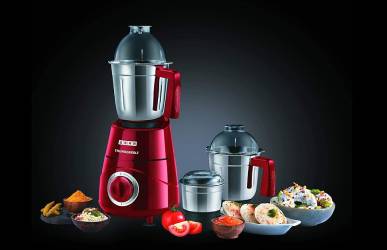
A normal mixer grinder’s high-torque motors and durable metal couplers tend to pair better with steel jars for heavy-duty tasks.
| Metric | Practical effect |
|---|---|
| Production energy | Steel: high; Plastic: low |
| Lifespan | Steel: long; Plastic: short |
| Recyclability | Steel: closed-loop; Plastic: often downcycle |
| Safety risk over time | Steel: low; Plastic: increases with wear |
Design, Aesthetics, and Storage Options
You’ll compare visual appeal by weighing sleek metal finishes against versatile plastic colors. Consider how brushed, polished, or matte stainless steel affect glare and perceived quality versus glossy or translucent plastic options. Also assess stackability and space efficiency—nesting plastics often save shelf space while rigid metal designs may require more room.
Visual Appeal Comparison
Which looks better on your shelf depends on priorities: stainless steel offers a sleek, uniform, modern look that reads as durable and professional, while plastic provides greater variety in color, shape, and transparency for quicker product identification. You’ll prefer stainless if you want a consistent, low-maintenance presentation that resists staining and shows fewer wear indicators. You’ll favor plastic when visual differentiation and lightweight handling matter, and when you need to see contents at a glance. Consider label adhesion and sterilization compatibility: metal surfaces take heat and cleaners better, plastic can warp under high temperatures and may retain odors. For stacking and space efficiency, both can be engineered with interlocking lids; choose based on whether appearance or practical visibility aligns with your safety and operational requirements.
Color and Finish
Beyond shelf appearance, color and finish determine both aesthetics and storage performance. You’ll pick stainless steel for a neutral, durable matte or brushed finish that resists staining, hides fingerprints, and tolerates cleaning with harsh detergents and sanitizers. Its metallic surface won’t leach pigments, so it’s safer for long-term food contact and chemical resistance. Plastic offers a wider color range and glossy or matte textures that aid visual organization and color-coding, but dyes and surface coatings can degrade under heat, UV, or aggressive cleaners. You should check for FDA- or EU-compliant pigments and scratch-resistant coatings. Also inspect finish adhesion and coating certificates; peeling or micro-abrasions compromise sanitation. Choose finishes that balance visibility, cleanability, and certified safety for your storage needs.
Stackability and Space
How much space can you reclaim by choosing the right jar material and design? You’ll optimize storage by evaluating footprint, stack safety, and modularity. Stainless steel often offers slimmer profiles and rigid stacking with low deformation risk; plastic can nest for empty storage but may sag under load. Choose lids with interlocking rims and consistent diameters to ensure stable columns. Consider weight limits, slip resistance, and clear labeling to prevent unsafe overstacking.
| Feature | Impact |
|---|---|
| Material rigidity | Affects max stack height |
| Dimensional consistency | Enables secure interlock |
| Empty nesting | Saves transit/storage space |
| Lid design | Prevents lateral shift |
| Weight per unit | Determines shelf load |
Measure cabinet height and shelf capacity, then test a small stack before full deployment.
Best Uses: Which Jar Suits Which Purpose
Where will you use the jar most — in the kitchen, workshop, bathroom, or on the go — determines whether stainless steel or plastic is the better choice. You’ll pick stainless steel when durability, non-reactivity, and temperature resistance matter; choose plastic when weight, transparency, and low cost are priorities. Consider contamination risk, cleaning, and mechanical stress.
- Kitchen: stainless for oils, acidic sauces, and hot storage; plastic only for dry goods or short-term cold storage.
- Workshop: stainless for solvents, oily residues, and fuels; plastic for light parts or non-solvent lubricants.
- Bathroom: plastic for shampoos and creams if you need visibility and lightness; stainless for travel containers where bacteria resistance matters.
- On the go: plastic for weight-sensitive carry; stainless for insulated, leak-proof needs.
Match material to chemical compatibility, cleaning method (dishwasher/sanitizer), and drop risk. Prioritize safety over aesthetics.
Frequently Asked Questions
Can Either Jar Type Go in the Microwave?
No — you shouldn’t microwave stainless steel; it reflects microwaves and can spark or damage the oven. Some plastics are microwave-safe if labeled; others can leach chemicals or melt. Always use microwave-safe containers and follow manufacturer instructions.
Do Stainless Steel Jars Affect Food Taste?
No, stainless steel jars typically won’t affect food taste if they’re food-grade (304/18-8). You won’t get metallic flavors under normal use; avoid poor-quality alloys, prolonged acidic contact, and damaged finishes to maintain flavor safety.
Are There Child-Safe Locking Lids Available?
Yes — you can get child-safe locking lids for jars; they use push-and-turn, squeeze-release, or dual-action mechanisms, fit various jar materials, meet safety standards, and reduce accidental access while remaining practical for supervised adults.
Can Either Jar Be Used for Fermentation?
Yes — you can ferment in both, but you’ll want food‑grade, nonreactive stainless or BPA‑free, fermentation‑rated plastic, airtight or airlock‑compatible lids, regular sanitation, and temperature control to prevent contamination and off‑flavors.
Do Warranty Policies Differ Between Materials?
Yes — warranty policies often differ by material; stainless steel usually has longer, more comprehensive warranties for durability and corrosion resistance, while plastic warranties focus on manufacturing defects and UV degradation, so read terms and exclusions carefully.