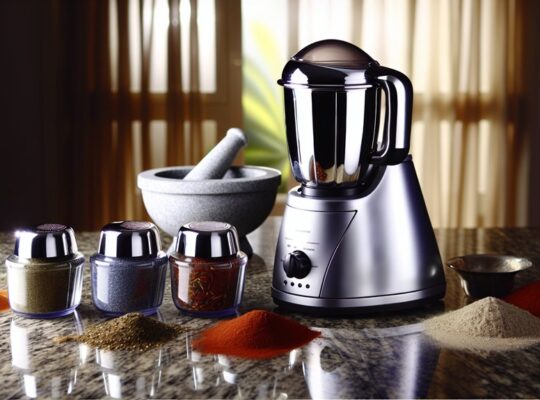
If your mixer grinder jar is leaking, you’ll want a quick, practical way to find and fix the problem. Start by checking seals, lids, and the blade assembly for wear, cracks, or loose fittings. You can often stop leaks with a cleaned or replaced gasket and a tighter fit, but some issues need a new jar or part. Keep going — the next steps show exactly what to inspect and how to test repairs safely.
Key Takeaways
- Inspect and replace cracked, flattened, or hardened rubber gaskets to restore a watertight seal.
- Check lid and locking clips for cracks or looseness; clean seating surfaces and ensure a firm click.
- Tighten or re-seat the blade assembly and its gasket; replace damaged blade seals before testing.
- Test with a small amount of water at low speed on a protected surface; stop if vibration, smell, or sparking occurs.
- Replace cracked or warped jars; use manufacturer parts and avoid overfilling or running at excessive speeds.
Common Causes of Jar Leakage
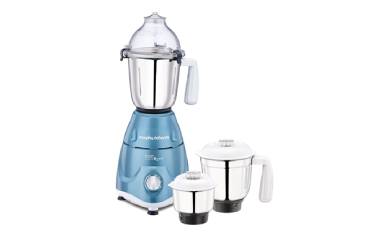
When your mixer grinder jar leaks, it’s usually due to a handful of predictable issues: worn or misaligned rubber gaskets, cracked or warped jar bodies, loose or damaged coupling/locking mechanisms, or foreign debris between sealing surfaces. You should first recognize gasket wear—rubber hardens, splits, or compresses unevenly, letting liquid escape. Cracks or warps in plastic or metal jars create paths for leaks, especially around the base and lid seating areas. Coupling and locking faults let the jar sit off-center or vibrate, breaking seals under load. Small particles, dried batter, or residual food trapped at joints prevent proper contact and will cause seepage. Overfilling or running at excessive speed can force liquid through weak points, so follow capacity and speed guidelines. Corrosion on metal fittings or a missing washer are common, preventable causes. Address these issues with inspection, cleaning, timely gasket replacement, and gentle handling to maintain a safe, leak-free jar. The Zodiac’s fiber-reinforced body and improved coupling design help reduce leakage from vibration and misalignment.
Identifying Where the Leak Originates
Start by checking the lid seal for cracks or hardening, since a worn gasket is the most common leak source. Next inspect the jar base for chips or warped edges that stop it from seating properly. Finally examine the blade assembly seal and its mounting for corrosion or loose fittings that let liquids escape. Also perform a quick test run with a small amount of liquid to check for leaks before full use.
Lid Seal Wear
How can you tell if the lid seal is the source of the leak? Inspect the rubber or silicone gasket for cracks, flattening, hardening, or missing sections. Run a quick water test: fill the jar, fit the lid, invert briefly over a sink—watch for drips around the lid rim. Smell for odors or look for residue trapped under the seal; buildup can prevent a tight fit. Check that the seal sits evenly in its groove and that the lid snaps or locks without excessive force. If the seal compresses unevenly or shifts when you close the lid, it’s likely worn. Replace the gasket with a manufacturer-approved part, and always unplug the appliance before removing or reinstalling components. Also, make sure the jar and lid are dry and the base sits flat on a dry counter to prevent leaks caused by an uneven base.
Jar Base Damage
Where exactly is the leak coming from — the base of the jar or the blade assembly? Inspect the jar base first. Turn off and unplug the unit, remove the jar, dry it, then fill it with a small amount of water to localize the drip. Check for visible cracks, hairline fractures, or warped plastic at the bottom rim.
- Examine the exterior base for cracks or stress lines; press gently around the rim to see if water appears.
- Inspect the internal mounting collar for worn threads, broken tabs, or gaps where liquid can escape.
- Run a paper-towel test: rotate the jar slowly while holding a towel under the base to pinpoint the exact leak spot.
If you find damage, avoid using the jar and replace it to prevent hazards. Also check the blade assembly and seals for wear, since stainless steel blades and worn seals can contribute to leaks and should be replaced when compromised blade material.
Blade Assembly Seal
Wondering if the leak is coming from the blade assembly instead of the jar base? Check the seal between the blade unit and jar—it’s a common culprit. First, unplug and remove the blade assembly; wear cut-resistant gloves. Inspect the rubber gasket for cracks, compression, or food buildup that prevents a tight fit. Clean both gasket and mating surfaces with mild detergent and dry thoroughly. If the gasket is deformed or hardened, replace it with the correct part from the manufacturer. Reassemble carefully, ensuring the gasket sits evenly and the blade unit is tightened to spec without over-torquing. After reassembly, test with water at low speed to confirm no leaks. If leakage persists, stop and consult a service center to avoid injury or damage. For longer-lasting performance, consider checking the unit’s thermal overload cut-off and other safety features as part of regular maintenance.
Inspecting and Replacing the Rubber Gasket
Check the rubber gasket for cracks, flattening, or hard spots—those signs mean it’s failing and likely causing the leak. Measure the inner and outer diameters and thickness so you pick the correct replacement size. When fitting the new gasket, seat it evenly in the groove and press firmly to ensure a flush, leak-free seal. For heavy or frequent use consider a gasket compatible with higher wattage motors to improve durability and heat resistance.
Identifying Gasket Wear
Noticing drips from the jar usually points to a worn rubber gasket, so start by inspecting it closely for cracks, flattening, or hardening that prevents a tight seal. Handle the jar safely—unplug the base and remove the jar first. Check the gasket under good light and feel for soft spots or brittle edges.
- Visual: Look for hairline cracks, missing sections, or permanent deformation that stops even contact with the lid or base.
- Tactile: Press the gasket—if it’s hard, crumbly, or doesn’t spring back, it won’t seal; a pliable gasket should compress and rebound.
- Leakage test: Reassemble dry, add a small amount of water, tilt gently; persistent seepage confirms gasket failure.
Replace damaged gaskets promptly to avoid spills and motor strain. Consider using a stainless steel jar or higher-quality gasket material to reduce future leakage risk.
Choosing Replacement Size
How do you pick the right gasket size without guessing? Measure the old gasket’s outer diameter, inner diameter and cross-section thickness with calipers or a ruler; record millimeters. If the old gasket’s damaged or missing, measure the jar rim and lid groove where the gasket sits. Check your mixer grinder model number and manufacturer parts list—they often specify gasket dimensions or part codes. When shopping, match all three measurements and material (food-grade silicone or rubber) to ensure a safe, leak-free seal. Avoid compressed or stretched gaskets; new ones should sit flat. If in doubt, buy a gasket kit with several sizes or contact the manufacturer for replacement part recommendations to maintain safety and proper fit. Many popular compact models feature high-quality stainless blades and powerful motors, so ensuring a proper gasket helps preserve overall performance.
Proper Gasket Installation
Before you start, unplug the mixer and remove the jar and lid so you can inspect the gasket up close; this keeps you safe and prevents accidental motor activation. Check the rubber gasket for cracks, hardening, or deformation; even small gaps cause leaks. If it’s damaged, replace it with the correct size and material rated for food contact.
- Inspect: press the gasket into a clean groove, ensure it sits flat with no twists or folds.
- Replace: match part numbers, lubes with a thin food-safe oil if manufacturer allows, then align evenly before seating.
- Test: hand-tighten the jar on the base, add a small amount of water, run briefly to confirm no leaks.
Always work with power disconnected. Proper gasket care extends the lifespan of your mixer and helps prevent future leakage issues.
Checking and Tightening the Lid and Locking Mechanism
Wondering if a loose lid is the culprit? Check the lid and locking mechanism first — it’s a common, fixable cause of leaks. Unplug the grinder, remove the jar, and inspect the lid for cracks, warped edges, or worn clips. Clean mating surfaces and dry them fully. Re-seat the lid properly and engage the lock; you should hear or feel a firm click without forcing it. If the lock feels slack, tighten mounting screws or replace damaged clips before reuse. Test with a small amount of water while stationary to confirm the seal.
Also, if you smell anything unusual, unplug immediately and inspect for overheated wiring before proceeding.
| Step | What to Inspect | Action |
|---|---|---|
| 1 | Lid rim and seal seating | Wipe clean, dry, reseat |
| 2 | Locking clip/screw | Tighten or replace if loose |
| 3 | Lid fit under load | Try manual rotation test |
Always work with power off and hands clear of blades. If tightening doesn’t stop leaks, move to the next section for blade and seal checks.
Examining the Blade Assembly and Seals
Now check the blade assembly for looseness or wobble—if the blades aren’t tight, they can spray liquid past the seals. Inspect the rubber gasket around the blade housing for cracks, deformation, or missing sections. Replace a damaged gasket or tighten the blade nut before testing the jar for leaks.
Inspect Blade Tightness
How tight are the blades and seals on your jar? Start by unplugging the unit and removing the jar. Grip the blade assembly with a cloth to avoid cuts and check for lateral play or looseness where the blade meets the carrier. If you feel movement, don’t run the grinder.
- Remove the blade unit (follow manufacturer steps), clean mating surfaces, and visually inspect for worn threads, cracks, or stripped fittings that allow leaks.
- Re-seat the blade assembly carefully and hand-tighten to manufacturer torque; avoid overtightening metal parts to prevent damage.
- After reassembly, fill the jar with water to a safe level and test briefly on low speed; watch for drips and re-tighten or replace the assembly if leakage continues.
Check Rubber Gasket
What should you look for in the gasket? Check the rubber seal for cracks, hardening, compression set (flattened areas), missing pieces, or grease buildup that prevents a tight fit. Remove the blade assembly safely—unplug the grinder and handle the blade with a thick cloth—then lift the gasket out and inspect both sides under good light.
If the gasket is deformed, swollen, or brittle, replace it with the manufacturer’s part. Clean the groove and gasket with mild detergent, rinse, and dry fully before reassembly. When fitting, ensure the gasket sits evenly in its channel and the blade carrier torques down smoothly without forcing. After reassembly, run a quick water test to confirm there’s no leak and the unit is safe to use.
Detecting and Repairing Cracks in the Jar
Wondering whether that slow leak is a tiny crack or just a loose seal? Inspect the jar carefully—unplug the mixer, remove the jar, and dry it. Hold the jar up to bright light and rotate; hairline cracks show as thin dark lines. Press fingernails around seams and base; flexing that causes liquid to appear pinpoints a fracture. If you find a crack, act safely: stop using the jar for liquids and avoid high-speed blends that could worsen it.
- Test with water: fill to a low level and watch edges for seepage; small drips confirm a crack vs gasket issue.
- Temporary fix: clean, dry, and apply a food-grade silicone sealant; let cure fully per instructions before gentle reuse.
- Permanent solution: replace the jar if cracks are near structural joints or blade mount—it’s safer than risking sudden failure.
Document findings and replace promptly if repair doesn’t restore full integrity.
Preventing Overfilling and Improper Loading
Ever filled the jar too high and ended up with a messy spill or strained motor? You can prevent leaks and damage by loading correctly and respecting capacity and weight limits. Don’t pack ingredients tightly against the lid; leave headspace for expansion and circulation. Balance wet and dry contents to avoid uneven pressure on seals and blades. If you smell burning or hear grinding, stop and reduce the load.
| Action | Why it matters |
|---|---|
| Observe max fill line | Prevents overflow and seal stress |
| Layer contents | Promotes even flow, reduces splash |
| Cut large pieces | Avoids jamming and excessive torque |
Always secure the lid and ensure the locking notch engages before switching on. Use short pulses to start heavy or dense mixes, then increase speed gradually. If leaks persist after correcting loading, shut the unit off and inspect seals or consult a technician. Prioritize safety: unplug before any inspection.
Cleaning and Maintaining Contact Surfaces
Keep the contact surfaces—jar rim, lid gasket, and motor coupling—clean and dry to maintain a tight seal and prevent leaks. You should inspect these areas before each use and after washing; residue, particles, or moisture will break seals and cause leakage or unsafe operation. Wipe surfaces with a lint-free cloth and mild detergent, rinse, then dry completely. Avoid abrasive pads that can nick sealing faces.
- Check: run your finger around the rim and gasket to feel nicks, crumbs, or moisture; remove debris with a soft brush and isopropyl wipe if needed.
- Clean: detach the gasket if removable; soak briefly in warm soapy water, rinse, air-dry fully; don’t reassemble while damp.
- Lubricate lightly: if the manual allows, apply a food-safe silicone grease sparingly to rubber gaskets to keep them supple and improve sealing; avoid excess that attracts grit.
Follow these steps consistently to reduce leaks and keep operation safe.
When to Replace Parts or the Entire Jar
If a jar shows cracks, persistent leaks, warped rims, or damaged gaskets that cleaning and minor repairs don’t fix, it’s time to replace the faulty part or the whole jar. First, inspect the jar under light for hairline cracks and check the blade assembly for bent shafts or stripped threads. If leaks recur after tightening and new gasket installation, the rim or base seating is likely compromised—replace the jar. Replace gaskets if they’re compressed, torn, or hardened; they’re inexpensive and often solve leaks. Swap blade assemblies when bearings grind, wobble, or show visible corrosion; do not attempt risky DIY bearing fixes. Choose manufacturer-approved parts to ensure fit and safe operation. If multiple components fail or the jar body is compromised, replace the entire jar rather than mixing old and new parts. Keep records of replacements and dates so you can track wear and plan timely, safe replacements.
Safety Tips to Protect the Motor and Users
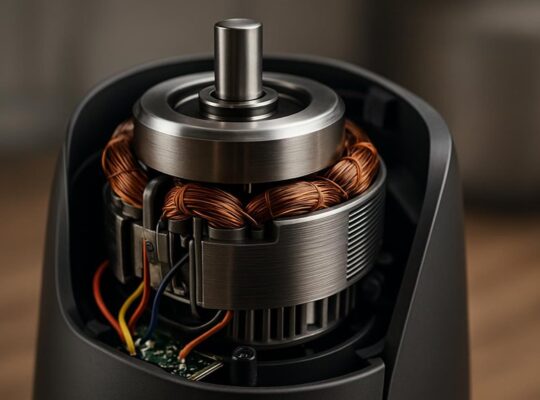
While you’re fixing jar leaks, don’t forget the motor and user safety—small mistakes can ruin the motor or cause injury. You’ll want to work methodically and assume any liquid near the base is hazardous until proven dry. Unplug before disassembling, dry contacts thoroughly, and never run the grinder with a cracked jar or missing gasket.
- Unplug and inspect: Always disconnect power, remove the jar, and visually check the motor shaft and base for moisture or debris. Dry with a lint-free cloth and let components air for 30–60 minutes if needed.
- Seal and test safely: Replace damaged gaskets, tighten fittings, then test with a small water amount while keeping the grinder on a protected surface and at low speed. Stop immediately on vibration, smell, or sparking.
- Wear and store properly: Use gloves and eye protection when handling leaks. Store jars upright, avoid overfilling, and never immerse the motor housing in water.
Frequently Asked Questions
Can Leaking Jars Void the Appliance Warranty?
Yes, leaking jars can void the warranty if damage stems from misuse, unauthorized repairs, or missing seals. You should document issues, stop using the appliance, contact the manufacturer, and follow their service instructions to protect coverage.
Can Dishwasher-Safe Jars Still Leak Over Time?
Yes — dishwasher-safe jars can still leak over time. You’ll need to inspect seals, lids, and gasket wear; high heat, detergent, or warping can degrade seals. Replace worn gaskets and avoid extreme cycles to maintain safety.
Do Different Jar Materials Affect Leakage Frequency?
Yes — different jar materials change leakage frequency. You’ll find harder, nonporous materials (glass, hard plastics) resist wear and seal better; softer plastics, thin metals or degraded rubber seals leak more, so inspect and replace routinely.
Can Using Oil or Grease Fix a Squeaky Gasket Leak?
Yes — you can try food-safe oil (like light vegetable) to quiet a squeaky gasket, but don’t use petroleum grease. Wipe, apply sparingly, test for slippage, and replace the gasket if noise or leakage persists for safety.
Are Replacement Gaskets Universally Compatible Across Brands?
No — you won’t find universal gaskets; sizes, fit, and clamping differ by brand. Always match part numbers or measure dimensions, use manufacturer or certified replacements, and avoid makeshift fits that could leak or fail.