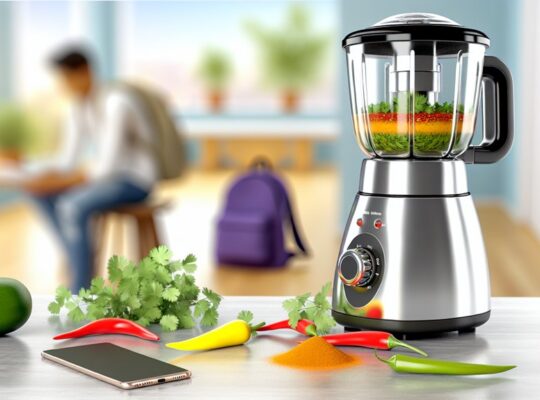
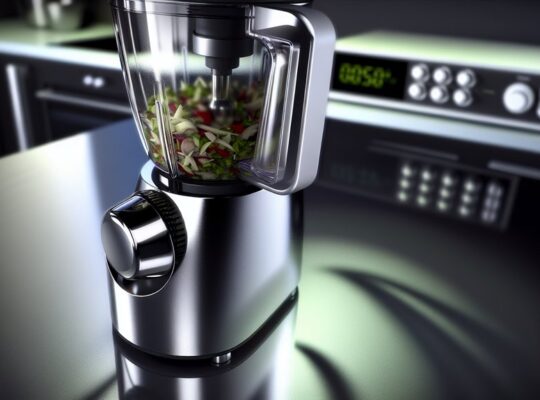
You’ll notice a whole different aroma when you grind fresh spices yourself — warm clove, bitter cumin, bright coriander oils bursting free. Work with whole seeds and pods, roast them just enough to bloom flavors, then pulse in short bursts so the heat doesn’t dull the scent. You’ll learn to control texture and balance heat versus fragrance, and once you taste the difference you’ll want to keep adjusting the mix…
Key Takeaways
- Use fresh whole spices, toast lightly, cool completely, then grind in short pulses for maximum aroma and flavor.
- Roast low-and-slow for caramelized notes or brief high heat for sharper, quicker bloom—avoid burning.
- Grind in small batches, pulse, sift, and regrind large pieces for consistent texture and even particle size.
- Store powders in airtight, opaque jars with purchase/grind dates, using within 2–3 months for best potency.
- Customize blends by balancing fragrant seeds (coriander, fennel, cardamom) with chilies for color and heat.
Why Fresh Whole Spices Matter
Why do whole spices matter? You’ll notice the difference immediately: whole seeds and pods hold volatile oils that stay locked until you grind them, releasing a brighter, fresher aroma and a cleaner, more complex flavor profile. When you crack cardamom or toast cumin briefly, the scent unfolds — citrusy, resinous, nutty — signaling oils that carry both taste and antimicrobial properties. Using whole spices lets you control roast level and grind size, so your masala’s heat and fragrance are predictable and safe. You’ll avoid stale, oxidized powders that mask off-flavors and can harbor contaminants. Treat whole spices with respect: handle them briefly, grind just before use, and your homemade masalas will be potent, pure, and reassuringly safe for family cooking. For consistent freshness and best results, consider grinding in small batches with a 600–750W motor mixer grinder designed for steady torque and durable blades.
Choosing and Storing Whole Spices
When you buy whole spices, choose plump, glossy pods and seeds that smell bright and pungent—those aromas tell you they’re fresh and will yield vibrant masalas. Store them in airtight glass jars away from heat and light so their oils stay fragrant instead of turning flat. With that simple care you’ll keep the flavors intense for every blitz in your mixer grinder. Choose spices that haven’t been sitting on the shelf too long and consider grinders with overload protection to keep both spice quality and your appliance safe.
Buy Fresh Whole Spices
How do you tell if whole spices are truly fresh? You’ll trust your senses: vivid aroma, bright color, firm texture. Fresh spices should smell potent when crushed, not musty or flat. Choose whole seeds, pods, and bark that feel heavy for their size and aren’t discolored or brittle.
- Rub a few seeds between fingers; the scent should bloom immediately.
- Look for uniform color and intact outer skins without mold or insect damage.
- Avoid packages with moisture, clumping, or off-odors suggesting spoilage.
- Buy from reputable sellers with high turnover to ensure freshness.
Handling and selection matter for safety and flavor — buy carefully, inspect visually and olfactorily, and reject any spice that seems stale or compromised. Consider storing whole spices in airtight containers away from light and heat to preserve their oils and potency, which also helps maintain freshness retention.
Proper Airtight Storage
A good airtight container is the single most important tool for keeping whole spices vibrant and flavorful: it locks out moisture, light, and air that dull aroma and invite pests. Choose glass or food-grade stainless steel with a silicone gasket; they won’t leach odors and let you inspect contents. Store each spice whole in separate containers so oils and scents don’t mingle, and label with purchase date. Keep jars in a cool, dark cupboard away from the stove and heat sources — warmth accelerates rancidity. For long-term safety, check for pests and stale smells before grinding; discard if you find webbing, larvae, or mustiness. Rotate stock using first-in, first-out and buy in quantities you’ll use within six to twelve months. Also consider a grinder with thermal cut-off protection when processing large batches to reduce the risk of motor overheating.
Roasting Techniques for Depth of Flavor
You’ll learn when low, smoky heat teases out sweet, nutty notes and when a quick, high-temperature sear brings bright, bitter aromatics to the fore. You’ll feel the difference between dry-roasting to concentrate oils and a light oil toast that unblocks richer, rounded flavors. You’ll also time cooling and grinding precisely—warm spices grind smoother but overheat oils, while fully cooled seeds keep the masala crisp and separate. For consistent results, choose appropriate equipment like a stainless steel jar and durable blades to protect flavor and ensure even grinding.
Low Vs High Heat
Ever wondered why some masalas sing with deep, toasted sweetness while others snap with bright, nutty notes? You control that by choosing low or high heat during dry roasting. Low heat coaxingly teases oils and complex sugars out slowly — warm, caramelized aromas develop without burning. High heat gives quick Maillard hits: sharp, toasty top notes, but you risk bitterness if you’re not vigilant. You’ll want to monitor color, smell, and time, stirring constantly and using a flat pan for even contact. For safe, repeatable results remember:
- Low heat: longer time, gentle browning, mellow sweetness
- High heat: fast color, intense aroma, watch closely
- Smell as your cue, not just color
- Cool spices immediately to stop cooking
Also consider that consistent, even heat and good ventilation can help preserve your equipment and results, especially with appliances that have advanced air ventilation.
Dry Vs Oil Roast
Moving from heat level to the medium itself, you’ll find that dry and oil roasting give very different flavor architectures: dry roasting teases out clean, crisp toasty notes and heightened spice clarity, while oil roasting wraps spices in a plush, rounded richness and helps fat-soluble aromatics bloom. You’ll sense dry roast as bright, nutty edges and a brittle snap; oil roast yields lacquered seeds and a velvet mouthfeel. Use low, steady heat and constant movement for safety—no smoking pans or burnt bitterness.
| Dry Roast | Oil Roast |
|---|---|
| Crisp aroma, quick color | Gentle sheen, deep aroma |
| Light surface charring | Enhanced mouth-coating |
| Quick cooling advised | Shorter roast time, careful oil temp |
Cooling and Grinding Timing
When should you grind after roasting to lock in peak aroma? You should let spices cool completely; warm seeds release steam that dulls oils and risks clumping. Hold them on a tray, fan gently, or spread thinly — you’ll feel fragrant heat fade and surface oil become tacky but not greasy. Grinding too soon gives muted aroma; waiting too long lets volatile notes dissipate.
- Cool to room temperature before loading the mixer grinder.
- Avoid sealed jars while still warm to prevent condensation.
- Grind in short pulses to control heat buildup.
- Sift and regrind larger pieces for even texture.
Be deliberate and patient: temperature control preserves volatile aromatics, keeps your motor safe, and yields potent, balanced masalas every time. For safe blade handling and to avoid damage, always unplug the mixer before loading or adjusting the grinder.
Best Mixer Grinder Settings and Tips
Although the hum of the motor might seem ordinary, you’ll notice how small adjustments — pulse vs. continuous, low vs. high speed, jar type and blade selection — dramatically change the aroma, texture, and flavor of your masalas; dialing in the right settings turns a rough grind into a silkier, more fragrant powder. You’ll start with short pulses to break whole spices, smelling bright citrus oils released without overheating. Use bursts rather than long runs to prevent steam and loss of volatile aromas. Choose a dry-grind jar and sharp blade for fast, even cutting; reserve wet jars for pastes. Secure lids, avoid overfilling, and let the motor rest between cycles to prevent burning. Trust your senses: stop when the scent peaks and the texture looks uniform. Usha mixers often feature 100% copper motors which help ensure smooth, fine grinding and longer motor life.
Achieving Consistent Grind Sizes
Once you’ve learned to coax out aroma without overheating spices, the next step is getting every particle the size you want — not too coarse, not dust-fine. You’ll feel the difference in texture and smell: a clean, even grind releases flavor predictably and reduces scorching. Control blade bursts, pulse sparingly, and let the mix settle between runs so heat dissipates. Check grinds visually and by rubbing between fingers for consistency. Safety matters: keep lids secure and unplug before scraping.
- Use short pulses rather than continuous runs
- Cool jars and spices before grinding
- Shake or tap between pulses to redistribute
- Sift and re-grind only large pieces
These steps help you produce reliable, safe, kitchen-ready masalas every time. Ensure vents and airflow are clear to prevent motor overheating and preserve component life, as maintaining proper ventilation is essential for safe operation.
Basic Masala Recipes to Master (Garam, Curry, and More)
Curious which blends you’ll reach for most often? Begin with garam masala: warm coriander, cumin, green cardamom, cinnamon, cloves—toast them lightly until fragrant, then grind to a powder that’s silky to the touch. For curry powder, combine turmeric, fenugreek, mustard seeds, and dried curry leaves; the mix should smell earthy and slightly bitter, signaling balance. Panch phoron (five-spice) uses whole nigella, fenugreek, mustard, cumin, and fennel—crack them gently for burstable aromas. Basic chili powder is straightforward: dried red chilies, destemmed and pulsed to a consistent texture. Always cool spices completely before storing in airtight containers kept away from heat and light; label with date. These core recipes give you reliable, safe foundations for countless dishes. For the best, most consistent results when grinding whole spices, consider using a high-powered mixer grinder like a 750-watt motor model to handle tough ingredients efficiently.
Customizing Blends for Heat and Aroma
Dial in the balance between heat and aroma by thinking of your masala as a musical score: some notes should sing bright and floral, others should underpin with warm, lingering heat. You’ll taste and smell before you grind — toasting whole spices briefly will bloom oils and tame raw edges, but don’t scorch them. Adjust chilies (dried Kashmiri for color, bird’s eye for bite) and fragrant seeds (coriander, fennel, cardamom) to tune the profile. Keep safety in mind: cool spices before grinding to avoid steam and clumping.
- Start mild; increase heat in small increments
- Pair high-heat chilies with sweet aromatics
- Toast gently and monitor color closely
- Test small batches to refine balance
Trust your nose, record proportions, and proceed cautiously.
Storing and Labeling Your Homemade Masalas
How will you keep the bright, floral top notes and the warm, grounding heat intact after all that careful blending? Store masalas in airtight, opaque jars to shield volatile oils from light and oxygen; glass with tight lids or stainless steel tins work best. Label each container with blend name, grind date, and recommended use—freshness fades fast, so note a two- to three-month shelf life for powdered mixes, longer for whole-spice blends. Keep them in a cool, dry cupboard away from heat sources and humidity; avoid plastic that can leach odors. For safety, date and rotate stocks, discard anything with off aromas, moisture, or clumping. Small, frequent batches preserve aroma and reduce risk, so you’ll always have vibrant, safe masalas ready.
Frequently Asked Questions
Can I Use Pre-Ground Spices Instead of Whole Spices?
Yes — you can, but freshly ground whole spices give stronger aroma, flavor, and safety by reducing oxidation; if you use pre-ground, store airtight, cool, dark, and replace regularly so your dishes stay vibrant and safe.
How Do I Clean My Mixer Grinder Between Different Masalas?
You should unplug it, disassemble jars, brush out residues, rinse with warm soapy water, and dry thoroughly; wipe blades carefully to avoid cuts, run a lemon-salt grind for fresh scent, then air-dry completely before reassembling.
Can I Grind Nut-Based Masalas (E.G., With Cashews) in the Same Grinder?
Yes — you can, but don’t skip precautions. You’ll smell oils, see pastes cling; dry roast nuts, pulse in short bursts, scrape sides, and thoroughly clean seals and blades to prevent rancid residue and cross-flavor contamination.
Is It Safe to Grind Spices While Wet or With Oil?
Yes — you can grind spices wet or with oil, but you’ll need to clean thoroughly and avoid overloading the grinder. You’ll notice smoother pastes and aromatic steam; handle blades carefully and dry components before storing.
How Long Do Homemade Masalas Retain Peak Flavor?
They’re at peak flavor for about two to three weeks if stored airtight in a cool, dark place; you’ll smell and taste vibrant oils early on, then aromas fade and spices become dull after several months.