When you’re choosing between buying a mixer grinder online or from a local store, you’ll want clear comparisons of price, warranty, and service before you decide. Online offers wide selection, user reviews and doorstep delivery, while offline gives hands-on testing and immediate inspection. Each has hidden costs and risks—transit damage, counterfeit warranties, or pushy sales—so you should weigh convenience against certainty to pick what matters most.
Key Takeaways
- Online offers wider model choices, transparent pricing, reviews, and easy price comparisons for best specs and safety features.
- Offline lets you inspect build quality, test noise/vibration, jar fit, and immediately avoid transit damage.
- Verify warranties, service-center availability, and registration steps whether buying online or in-store.
- Watch for hidden costs: shipping/GST/return fees online and limited return windows or older inventory offline.
- Prefer 750W+ motors with thermal overload protection; document invoices, packaging photos, and seller authorization for claims.
Why Choose Online Shopping for Mixer Grinders in India
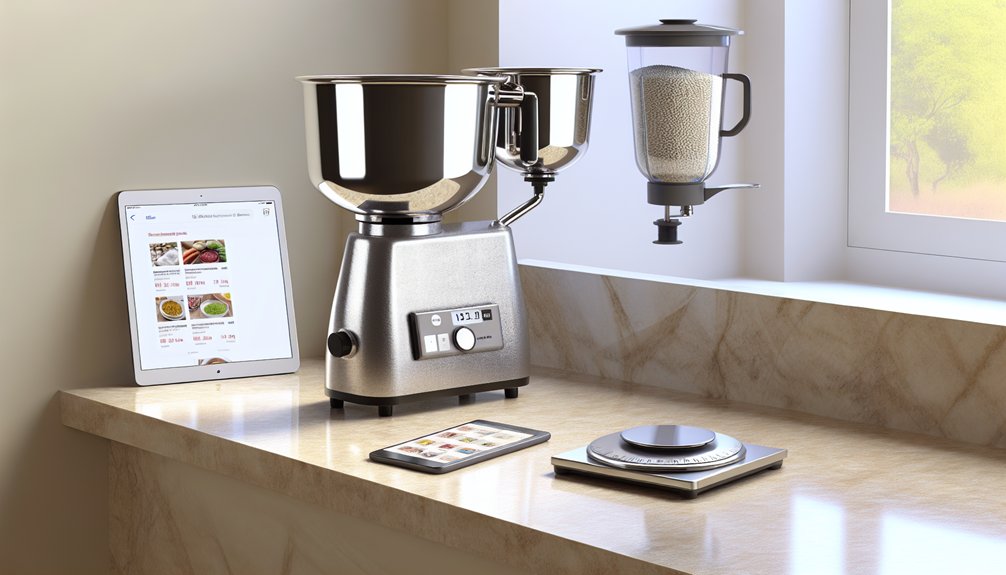
Looking for a mixer grinder and wondering whether online shopping makes sense? You’ll find wider model choices online, letting you compare brands, specs, wattage, jar materials, and safety features side-by-side. Prices and discounts are transparent, and you can track warranty, service-center locations, and verified user reviews that often call out overheating, leakage, or electrical safety concerns. Filters let you narrow by safety certifications (ISI, BEE), auto-shutoff, and build quality. Delivery and return policies are documented, so you can inspect for damage and claim replacements without visiting stores. Pay attention to seller ratings, genuine spare-part availability, and authorized-brand listings to reduce counterfeit risk. Overall, buying online gives you data-driven comparisons and documented safeguards if you choose carefully. Also consider models with 750W motors for powerful and continuous grinding.
Advantages of Buying From Physical Stores

Online shopping gives you data and reviews, but buying a mixer grinder from a physical store offers hands-on confidence you can’t get on a screen. You can examine build quality, motor size labels, and weight to assess sturdiness and vibration risk. You’ll test controls, jar fit, and noise levels; these tactile checks reveal safety and ergonomic issues that specs alone might hide. Sales staff can demonstrate features, explain warranty terms, and compare models side-by-side so you make an informed, safer choice. Immediate inspection avoids shipping damage and lets you negotiate bundled accessories or installation. If service centers are local, getting repairs is faster. Overall, in-store buying reduces uncertainty by letting you verify performance, comfort, and after-sales support before you commit. Many Wonderchef models also offer advanced air ventilation to help motor longevity, which you can ask sales staff to point out during a demo.
Common Risks When Purchasing Mixer Grinders Online

When you order a mixer grinder online, there’s a real chance it could arrive damaged due to rough handling or poor packaging, which is harder to verify than when you inspect a unit in-store. Returning or proving damage can be time-consuming, and you may face delays before getting a replacement. On top of that, warranty claims often involve extra paperwork, shipping the appliance back, and longer turnaround times compared with the immediate service you might get from a local retailer. Many top models offer overload protection as a safety feature, which can reduce risk during heavy use.
Damaged During Delivery
Ever wondered how often a new mixer grinder arrives with dents, cracked jars, or a non-spinning motor? When you buy online, transit damage is a real risk: couriers handle many parcels, packaging standards vary, and you don’t inspect the unit before payment. Compared to buying in-store where you can check for visible defects and test the motor, online purchases rely on seller packing quality and shipping routes. Inspect immediately on delivery—photograph box condition, open it in front of the courier, and test all jars, blades, and the motor briefly. Note minor vs major damage: a scratched body is cosmetic, a cracked jar or bent blades affect safety and performance. Prompt documentation speeds replacement or refund, keeping you protected and safe.
Warranty Claim Hassles
How easily can you actually get a mixer grinder repaired or replaced after a fault shows up? You’ll find online purchases often involve extra steps: logging a claim on the seller’s portal, sharing photos, waiting for approval, and arranging pick-up or visiting an authorized service centre. Offline buys typically let you deal directly with the retailer or manufacturer counter, which can be faster and more reassuring. With online orders, warranty registration may not be automatic, and service centres might reject claims if serial numbers or purchase proofs aren’t clear. Check who bears courier costs, expected turnaround time, and whether spare parts are genuine. To stay safe, retain invoices, screenshots, and packaging; confirm service network coverage in your city before you buy.
Drawbacks of Offline Purchases to Watch For

Why might buying a mixer grinder from a brick‑and‑mortar store leave you at a disadvantage? You get hands‑on inspection, but there are concrete drawbacks that affect safety, cost and long‑term reliability. Compared with online buying, in‑store purchases can limit transparency and bargaining power.
- Limited price comparison: fewer options on display may make you pay more.
- Less documented specs: verbal claims can omit safety features like overload protection.
- Inventory constraints: you might accept an older model lacking current certifications.
- Pressure sales: rushed decisions increase risk of overlooking warranty exclusions.
- Limited return window: tighter stores’ policies can complicate exchanges for defective units.
Be vigilant: inspect labels, request written details, and don’t rush a purchase that affects household safety. A useful check is to confirm the presence of thermal cutoffs and other motor safety features before you buy.
How to Verify Genuine Warranty and After-Sales Support

Want to be sure the warranty and after‑sales support you’re promised will actually protect you? Check the printed warranty card and online listing for clear duration, covered parts, exclusions, and registration steps. Compare brand policies: some vendors require retailer registration or invoice upload within days, others auto-register. Verify service network reach — search for authorised service centres in your city and read recent customer reviews about visit times and repair quality. Ask about pickup-and-drop, spare-parts availability, and genuine-part use; get answers in writing or email. For online purchases, save order IDs and warranty emails; for offline, retain stamped bills and technician contact details. If terms seem vague, request written clarification or choose a seller with transparent, documented after‑sales procedures to ensure safety. Also confirm whether the warranty explicitly covers core components like the motor, switches, and wiring to avoid unexpected repair costs.
Comparing Prices, Discounts and Hidden Costs
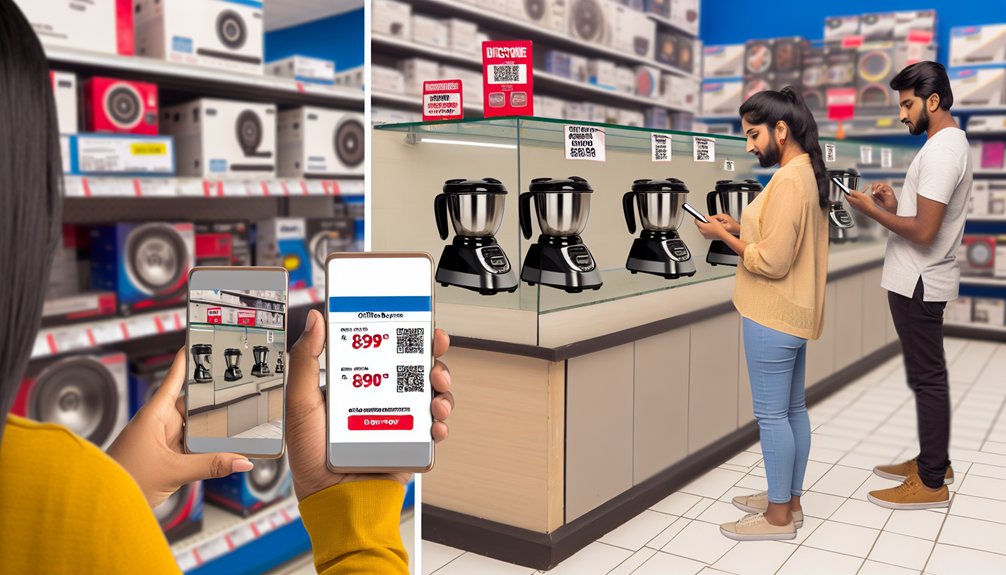
When comparing mixer grinder prices, you’ll notice online listed prices often look lower but can vary by seller and time, while offline stores may offer steady list pricing with room to negotiate. Understand discount mechanics—platform coupons, exchange offers and cashback can cut online costs, whereas in-store discounts, bundled accessories or loyalty points might apply offline. Also watch hidden cost factors like shipping, installation fees, extended-warranty charges, and state GST or delivery surcharges that can erase apparent savings. Consider choosing a commercial-grade unit with 750–1500 W motors when buying for heavy use to avoid repeat purchases and downtime.
Listed Price Differences
How much you’ll actually pay for a mixer grinder depends on more than the sticker price — online listings often show lower base prices but add shipping, handling, or payment fees that can narrow or erase the gap with brick-and-mortar shops. You should compare total landed cost, not just MRP, and factor in delivery timelines and installation safety checks.
- Check if online prices exclude GST, shipping, or COD charges.
- Verify whether offline stores bundle freebies (stabilizers, jars) that affect value.
- Account for return shipping or pickup if a product is unsafe or defective.
- Consider warranty activation steps—online purchases sometimes need online registration.
- Match final price against immediate in-store discounts and certified safety inspections.
Make decisions that prioritize transparent, safe purchases.
Discount Mechanics
After you’ve compared final landed prices, the next step is understanding discount mechanics — what looks like a bargain online or in-store may hide fees, conditions, or staged markdowns. You’ll want to compare headline discounts, coupon stacks, and limited-time flash deals against guaranteed retailer promos. Online platforms often show larger percent-off figures but apply them to inflated “original” prices; check price history tools. In stores, cashbacks or exchange discounts can be real value if you qualify, but ask about eligibility and processing timelines. Factor in bundled accessories, warranty extensions, and return windows tied to specific offers. Document offer terms, voucher expiry, and whether bank or EMI discounts require extra steps so you’re choosing the safest, clearest saving.
Hidden Cost Factors
Why do two seemingly identical mixer grinders end up costing very different amounts once you’re out the door? You’ll want to compare the headline price, but also factor in taxes, delivery, installation, extended warranty, and return shipping. Online listings often show discounted tags but add GST, convenience fees, or surge delivery; offline stores may bundle accessories or charge for demo and doorstep service. Evaluate warranty terms — on-site service can save travel and time, improving safety if a unit fails. Check whether promotional discounts void manufacturer support. Keep receipts and registration details to ensure repairs aren’t rejected.
- GST, convenience and payment gateway fees
- Delivery, installation and demo charges
- Extended warranty and service plans
- Return, pickup and restocking fees
- Accessory bundles vs separate purchases
Practical Tips for Testing Mixer Grinders In-Store
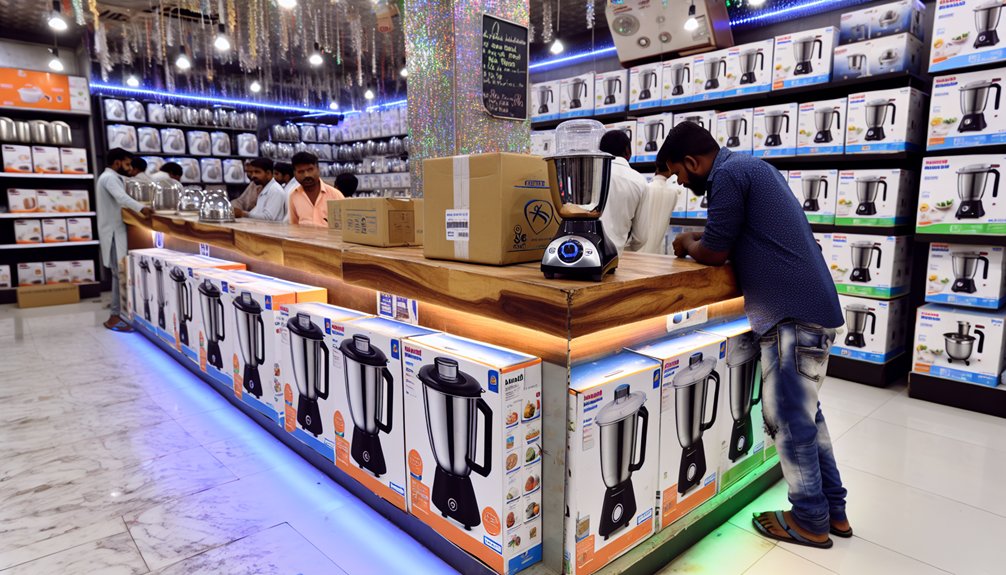
Want to know which mixer grinder will actually handle your daily cooking? When testing in-store, start by checking build quality: feel the jars, lids, and base for sturdiness and secure locks. Compare motor noise and vibration by running short demos—quieter, stable units usually mean better balance and insulation. Test blade fit and ease of removal; blunt or loose blades are safety risks. Pour a small amount of water and pulse to check sealing and leak-proof performance. Assess control ergonomics: switches should be reachable and firm, with clear speed markings. Ask for thermal cut-off demonstration or documentation and confirm cord length and plug type suit your kitchen. Note warranty papers and service centre proximity before you decide. Also consider the appliance’s overload protection to ensure safe operation during heavy use.
Smart Steps to Ensure a Safe Online Purchase

If you’ll be buying a mixer grinder online, take a few precautionary steps to make sure the model you pick really fits your needs and is covered if something goes wrong. Compare official brand stores, authorised sellers and major marketplaces for price, warranty and verified reviews. Check specifications against your typical usage—motor wattage, jar material, accessories—and prioritise models with clear warranty terms and easy service networks. Keep records of order confirmations and receipts, and verify return and replacement policies before checkout. Use secure payment methods and enable buyer protection.
- Confirm brand-authorised seller status
- Read recent verified reviews, focusing on faults
- Verify warranty duration and service centre locations
- Check return window and replacement process
- Use trackable shipping and secure payment
Also prioritise family models with 750W+ motors and thermal overload protection to ensure reliable heavy-duty use during festival discounts.
Frequently Asked Questions
Can I Return a Mixer Grinder After Extended Use Beyond the Trial Period?
Mostly no — you can’t return a mixer grinder after extended use beyond the trial period, unless there’s a clear manufacturing defect covered by warranty or consumer law; you’ll need proof, service request, and documented fault for safety.
Are There Eco-Friendly or Energy-Efficient Mixer Grinder Models Available?
Yes — you can get eco-friendly, energy-efficient mixer grinders that use brushless motors, lower wattage with higher torque, and recyclable materials; compare energy ratings, safety certifications, noise levels, and certified warranty terms before buying for safer operation.
How Noisy Are Different Mixer Grinder Brands During Operation?
Noise levels vary by brand and model; you’ll hear 70–90 dB for powerful models and 55–70 dB for quieter units. Compare motor insulation, jar design, and RPMs; choose well-sealed, low-RPM options for safer, calmer use.
Do Mixer Grinders Come With Safety Certifications for Indian Kitchens?
Yes — many mixer grinders have Indian safety certifications like ISI (BIS), BEE star ratings for motors, and double-insulated or earthed designs; you’ll compare labels, warranty, and safety features to ensure kitchen electrical safety.
Can I Buy Spare Jars or Parts Separately From Manufacturers?
Yes — you can usually buy spare jars and parts directly from manufacturers or authorized service centers; compare genuine vs aftermarket options, check certifications and warranty implications, and prioritize original parts for safety, fit, and long-term performance.