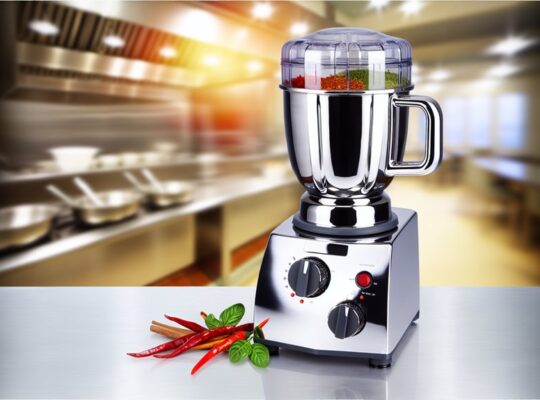
If you use a mixer grinder often or need it for heavy tasks, you’ll want to weigh upfront cost against long‑term reliability. Premium models typically offer stronger copper motors, sturdier housings, better vibration control, and clearer service support, which can cut downtime and repairs. They’re not always necessary for light use, but understanding where they matter will help you decide whether the extra investment makes practical sense.
Key Takeaways
- Premium mixer grinders justify higher cost through stronger motors (continuous power/torque), improving performance with dense or frequent workloads.
- Durable materials (stainless steel jars, sealed bearings, 100% copper motors) reduce wear, contamination risk, and long-term replacement needs.
- Anti-vibration design, insulation, and balanced rotors lower noise and countertop vibration, improving comfort during extended use.
- Better serviceability and warranties, plus available genuine spare parts, limit downtime and total ownership cost.
- Choose premium only if you cook frequently, handle tough grinding tasks, or value quieter, longer-lasting operation over upfront savings.
What Defines a Premium Mixer Grinder
Think of a premium mixer grinder as a higher-tier kitchen appliance that prioritizes build quality, motor performance, and user-focused features over basic functionality. You’ll notice premium units use durable materials—stainless steel jars, reinforced housings, and sealed bearings—that reduce wear and contamination risks. Controls are precise and often include safety interlocks, overload protection, and clear indicators so you can operate them confidently. Accessories and engineering reduce vibration and noise, which lowers strain during extended use and helps maintain stability on counters. Design emphasizes serviceability: replaceable parts, accessible motors, and reliable warranties that make maintenance predictable. User-centered features—ergonomic handles, spill-resistant lids, and secure lid locks—minimize accident vectors. While higher cost can reflect quality, your priority should be demonstrable safety certifications, documented test results, and transparent service networks. Evaluate objectively: materials, safety mechanisms, design for maintenance, and manufacturer support define whether a grinder merits the “premium” label for your kitchen. Manufacturers like Philips often include advanced safety features that support premium positioning and post-purchase reliability.
Motor Performance and Power Ratings
When you compare premium grinder motors, focus on rated wattage versus torque to see whether the motor can actually handle dense ingredients rather than just a high number on the box. Check continuous versus peak power specs so you know how long the unit can sustain work without strain. Also consider heat management and cooling design, since effective ventilation and thermal cutoffs determine real-world durability under repeated loads. Prefer motors with 750W copper windings and thermal cutoffs for longer reliable performance.
Rated Wattage vs. Torque
How do rated wattage and motor torque actually differ, and why should you care when choosing a premium mixer grinder? You’ll see wattage listed on labels, but wattage alone tells you electrical consumption, not the mechanical force available to cut or grind. Torque measures rotational force at the shaft and determines how well the grinder handles dense loads without stalling.
Consider three practical implications:
- Higher torque improves performance on heavy tasks (dough, tough spices) with less risk of motor strain.
- Wattage indicates energy use and heat generation; match ratings to safe duty cycles to avoid overheating.
- Balance torque and wattage for durability: a motor with adequate torque at reasonable wattage runs cooler and safer under typical kitchen loads.
A 750W motor often represents a practical middle ground, offering noticeably higher torque and sustained power for a broader range of tasks with lower risk of overheating and stalling when compared to 500W models, while still using less energy than many 1000W motors and commonly including overload protection for safety.
Continuous vs. Peak Power
Having looked at torque and wattage, you’ll also want to understand continuous versus peak power ratings, because they tell you how a motor actually behaves under load. You should favor continuous power for predictable, safe operation; peak power only describes short bursts and can mislead you about sustained performance. Continuous rating indicates what the motor can handle without overheating or tripping protections, while peak rating shows surge capability for brief tasks. For safety and reliability, choose a grinder whose continuous rating matches your typical workload, not the highest peak number on the box. Vidiem’s motors often emphasize enhanced cooling to sustain continuous performance.
| Feeling | Continuous Power | Peak Power |
|---|---|---|
| Trust | Steady, reliable | Flashy, uncertain |
| Safety | Keeps motor cool | Risk of overload |
| Value | Matches real use | May mislead buyer |
| Confidence | Predictable outcome | Short-term boost |
Heat Management and Cooling
Why does heat control matter in a mixer grinder’s motor? You need motors that manage temperature to maintain performance and avoid hazards. Excess heat degrades insulation, reduces torque, and increases failure risk, so evaluate cooling features when choosing a premium model.
Consider these practical points:
- Cooling mechanisms: fan blades, vents, and heat-dissipating housings improve continuous operation and lower stall likelihood.
- Thermal protection: automatic cutoffs and temperature sensors prevent overheating and fire risk; check reset behavior and response thresholds.
- Duty rating vs. cooling: a higher continuous power rating helps, but without adequate cooling the motor will still overheat under sustained loads.
Choose units with clear cooling specs and reliable thermal protection to prioritize longevity and safety. Also look for models with thermal overload protection and serviceable components to ensure long-term reliability.
Build Quality, Materials, and Design
What does build quality actually mean for a premium mixer grinder, and how does it affect performance and lifespan? You should view build quality as the sum of materials, assembly precision, and protective features. Sturdy housings resist impacts and prevent misalignment that can stress bearings and motors. Corrosion-resistant stainless steel jars and food-contact parts reduce contamination risk and extend usable life. Seals, gaskets, and shaft fittings influence leak prevention and motor safety; poorly fitted components let liquids reach electrical parts, raising hazard potential.
Design matters too: accessible maintenance points, modular components, and clear service instructions lower repair time and error. Ergonomic controls and stable bases reduce user mistakes that could damage the machine. You won’t want fragile plastics in load-bearing areas or thin wiring near heat sources. By prioritizing durable alloys, secure fastenings, and protective insulation, a premium grinder delivers consistent performance, safer operation, and a longer service life. Many premium models also include 100% copper motors which enhance durability and grinding performance.
Noise Levels and Vibration Control
You’ll notice motor noise is a practical differentiator among premium models, with better insulation and precision engineering cutting audible hum and whine. You’ll also want to assess anti-vibration features—rubber mounts, balanced rotors, and heavier bases—that limit movement and reduce noise transmission to countertops. Comparing measured decibel levels and vibration-resistance claims helps you judge whether the quieter operation justifies the higher price. Consider also the jar material, since stainless steel jars can affect vibration and sound transmission depending on their fit and thickness.
Motor Noise Reduction
Usually, you’ll notice motor noise and vibration first when a mixer grinder is under load, and how well a premium model controls those factors can make a big difference in comfort and durability. You’ll want to evaluate measured decibel ratings, tonal quality, and how noise changes with load. Lower, steady noise is less fatiguing and easier to tolerate in a busy kitchen; sudden spikes can signal stress or unsafe operation. Consider serviceability—reduced noise often reflects better bearings and insulation, which affect lifespan and safety.
- Compare dB ratings at idle and full load to assess real-world exposure.
- Check for consistent tonal profile to avoid irritating frequency peaks.
- Prefer sealed, quality windings and bearings for quieter, safer operation.
Anti-Vibration Design
Many premium mixer grinders use engineered anti-vibration systems to keep noise and shaking within acceptable limits, and you’ll want to understand how those features work rather than relying on marketing claims. You should evaluate base stabilization, damping materials, and internal counterweights: a wide, rubberized base reduces slip and transmits less vibration to countertops; viscoelastic dampers absorb resonant energy; and dynamically balanced rotors cut wobble at high rpm. Check mounting points and whether feet are adjustable for uneven surfaces, since poor contact negates design benefits. Measure vibration and noise during typical tasks if possible; excessive movement can loosen fasteners and create safety hazards. Prioritize designs with documented testing or certifications over vague promises to minimize risk and long-term wear. Also inspect blades, gaskets, and mounting hardware regularly to prevent loose components from negating vibration-control features.
Jar Variety, Blade Quality, and Accessories
How do jar options, blade quality, and included accessories change what you can actually do with a premium mixer grinder? You’ll get more functional range and safer operation when jars match tasks (wet, dry, chutney, juicer) and fit the motor’s capacity. Hardened stainless blades stay sharp longer and cut consistently, reducing overheating and the need for repeated passes that stress the motor. Sealed lids, spatter guards, and non-slip bases lower accident risk during use.
- Jar variety: small-to-large sizes and material (SS vs. polycarbonate) let you process portions safely and avoid overload.
- Blade quality: thicker, heat-treated or titanium-coated blades preserve cutting edges, improving efficiency and reducing motor strain.
- Accessories: spatulas, extra seals, and specialized lids improve safety and hygiene, and let you complete tasks without improvising.
Evaluate configurations against your typical recipes and safety needs to ensure the features justify the premium price. Choosing a grinder with a 750-watt motor can balance power and energy efficiency for most household tasks.
Warranty, After‑Sales Service, and Spare Parts
Why does warranty and after‑sales support matter as much as the grinder’s specs? You rely on these services to keep a premium mixer grinder safe, functional, and economical over time. A clear warranty reduces risk: it should state duration, coverage for motor, jars, and electrical faults, and exclusions like misuse. After‑sales service quality is measurable — response time, authorized service centers, and technician training — and affects how quickly you can fix safety‑critical issues such as overheating or wiring faults.
Spare parts availability matters for safe long‑term use. You want genuine blades, seals, and switches sold at reasonable prices and compatible with your model; otherwise repairs may use inferior components that compromise safety. Check whether the brand documents part numbers and supplies them independently of service centers. Also confirm warranty transferability and whether repairs void coverage. By focusing on documented policies and service metrics, you’ll judge how well a premium grinder protects your household and appliance investment without relying solely on impressive specs.
A longer, clearer warranty also lowers your expected repair and replacement costs over the appliance’s lifetime by shifting risk to the manufacturer — look for coverage details on motor and wiring.
Price Versus Practical Value for Home Cooks
Curious whether that high-end mixer grinder will actually change your daily cooking? You’ll need to weigh upfront cost against measurable benefits: build quality, motor longevity, noise and vibration control, and safety features like overload protection. Don’t assume price equals necessary performance; match features to the tasks you do regularly.
- Compare daily tasks: if you grind hard ingredients often, a stronger motor and durable blades justify higher cost; for occasional blending, a mid-range unit may suffice.
- Evaluate ongoing costs: consider energy use, replacement parts, and potential repair frequency—these affect lifetime value more than the sticker price.
- Prioritize safety and reliability: certified safety features and stable design reduce accident risk and can save money over time by preventing damage.
Make decisions based on expected usage, certified safety features, and total cost of ownership rather than prestige. That keeps your kitchen efficient and safe without overspending.
How to Choose the Right Premium Model for Your Needs
Now that you’ve weighed price against practical value, pick a premium model by matching its specific capabilities to your routine. First, list tasks you do daily versus occasionally—wet grinding, dry milling, chutneys, nut butters—and choose motor power and RPM ranges that handle your heaviest use without strain. Prioritize models with thermal protection, sealed switches, and child-safe locks; verify warranty terms and accessible service centers for long-term safety. Look for stainless-steel jars and BPA-free lids; confirm blade metallurgy and replaceability to avoid corrosion or performance drop. Evaluate noise levels if you live with others and check vibration damping to prevent countertop movement. Consider preset programs only if they reduce user error and include clear safety interlocks. Compare energy consumption and expected lifespan to calculate operating cost per year. Finally, read verified user reports about failures and repairs rather than marketing claims; focus on documented reliability and safety features that align with how you’ll actually use the appliance.
Frequently Asked Questions
Do Premium Mixer Grinders Consume More Electricity Than Basic Models?
Not necessarily — premium models often have more powerful motors but better efficiency and variable speeds, so they can use similar or slightly more power during heavy use; you’ll minimize electricity by using appropriate speed and avoiding overloading.
Can Premium Grinders Be Safely Used for Hot Liquids?
Yes — many premium grinders can safely handle hot liquids, but you should check manufacturer guidelines, use heat-resistant jars, avoid overfilling, allow pressure to vent, and ensure seals and motor protection are rated for thermal stress.
Are Premium Models Compatible With Uk/European Voltage Without Converters?
Some premium models are compatible with UK/European 220–240V and won’t need converters, but many are 110–120V. Check the appliance label/specs for voltage and frequency, and use a proper converter or transformer if required.
Do Premium Mixer Grinders Increase Food Oxidation or Nutrient Loss?
They don’t meaningfully increase oxidation or nutrient loss compared with regular grinders; you’ll see minimal exposure from brief blending, so use short pulses, chill ingredients, and seal quickly to minimize heat and air contact for safer nutrient retention.
Can Premium Grinders Be Repaired at Local Independent Appliance Shops?
Yes, many premium grinders can be repaired at local independent appliance shops, but you’ll want to verify warranty restrictions, availability of genuine parts, technician familiarity with the model, and safety protocols before authorizing repairs.