If you’re comparing NutriBullet and Wonderchef NutriBlend for daily kitchen use, focus on motor power, blade design, and how each handles ice, nuts, and fibrous greens. NutriBullet leans toward higher wattage and fast, smooth blends; NutriBlend favors steady torque, heat management, and thicker pastes. You’ll want to weigh performance against noise, durability, and service — and one key difference might tilt your choice.
Key Takeaways
- Nutribullet generally offers higher-watt motors (600–1700W), delivering smoother purees and better ice-crushing performance.
- Wonderchef Nutriblend provides multi-speed control and pulse options for finer texture control and delicate ingredients.
- Nutribullet uses four-pronged extractor blades for shear and turbulence; Nutriblend uses multi-tier blades for thicker pastes.
- Wonderchef often offers sturdier polymer bases and thicker BPA-free jars at a lower price point.
- Check run-time, ventilation, and warranty: choose 750W+ with good cooling for heavy use and verify replacement part availability.
Quick Comparison Snapshot
Wondering which blender fits your kitchen routine best? You’ll find Nutribullet and Wonderchef Nutriblend both excel at extracting nutrients from fruits, vegetables, and seeds, but they differ in power, capacity, and accessory sets. Nutribullet models typically offer higher-wattage motors (600–1700W range across variants) that handle tougher ingredients and ice more efficiently; independent tests show smoother purees and finer particle breakdown. Wonderchef Nutriblend often targets moderate power ranges with efficient blade geometry, delivering acceptable smoothies and nut butters for light-to-moderate use while consuming less energy. Both prioritize food safety with BPA-free containers and stainless-steel blades; verify sealing mechanisms and manufacturer cleaning guidelines before use. Noise levels and pulse control vary—choose models with secure locking lids and overload protection for safer operation. If you need heavy-duty, frequent blending choose higher wattage; for occasional smoothies and smaller portions, Wonderchef may be sufficient and more economical. Many users looking for more versatility also consider mixers with stainless steel jars and multiple speed options for added durability and control.
Design and Build Quality
How well will either machine hold up on a busy countertop? You’ll notice Nutribullet models use a compact, mostly plastic housing with metal-reinforced blade assemblies; that keeps weight down but means you should anchor it on a non-slip mat to prevent creep during use. Wonderchef Nutriblend often offers a more robust polymer base and thicker glass or BPA-free jars on certain SKUs, which resist scratches and retain heat better for hot preparations. Both brands seal jars with gasketed lids and safety interlocks; always check seals before blending to avoid leaks and hot splashes. Feet and base ventilation vary—inspect for rubber pads and unobstructed vents to reduce movement and motor overheating. For cleaning, detachable blades on both reduce nooks where food can trap; still, dry and reassemble gaskets carefully to preserve sanitary joints. Choose based on material preferences and confirm replacement-part availability for long-term safety. Also consider machines with thermal cut-off protection to prevent motor damage during heavy use.
Motor Power and Blending Performance
You’ll want to compare motor wattage first, since higher watts usually mean smoother purees and better ice crushing. Check blade geometry and material next — sharper, thicker blades cut fibrous greens and seeds more efficiently. Finally, consider heat handling and motor durability under continuous loads to avoid flavor loss from overheating or premature failure. Prefer models with a 750W+ motor and features that prevent heat buildup during extended use.
Motor Wattage Comparison
Curious which motor will handle tougher kitchen tasks without overheating? You’ll compare rated wattage: Nutribullet models commonly offer 600–1200W, while Wonderchef Nutriblend units range around 400–1000W. Higher wattage generally means better torque for crushing ice, fibrous greens, and frozen fruit, reducing strain and cycle time. But wattage isn’t the sole safety marker — look for thermal cut-offs and duty-cycle specs; manufacturers that include automatic shutoff and recommended run-times help prevent motor burnout. For regular heavy-duty use, choose a higher-wattage unit with clear overload protection and cooling vents. For lighter daily smoothies, a mid-range wattage with safety features suffices. Always follow manufacturer run-time limits and avoid continuous operation to keep motor temperatures within safe ranges. Also consider models with overload protection and interlocking safety features to extend motor life and prevent accidental starts.
Blade Design Efficiency
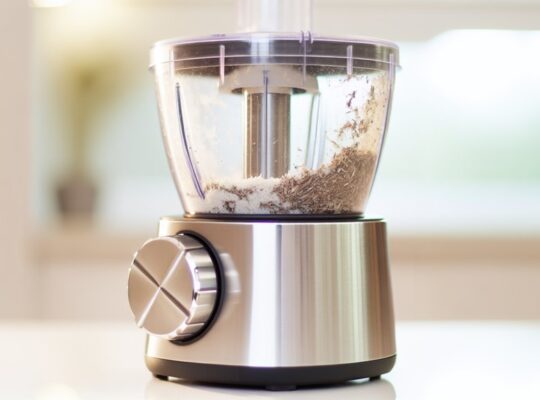
Motor wattage sets the stage, but blade geometry and material determine how that power’s used — so you want to look at blade angle, edge sharpness, and height in relation to the jar. Compare Nutribullet’s steep-angled, multi-pronged blades with Wonderchef’s flatter, few-pronged design: steeper angles and more cutting edges tend to shear fibrous veggies and ice more effectively, reducing processing time. Materials like hardened stainless steel keep edges sharp and resist pitting; dull blades force motors to work harder and raise safety risks from overheating. You’ll also want blades positioned to promote vortexing so food circulates toward the cutting zone, improving consistency. Choose a design matched to your typical tasks—smooth purees, nut butters, or crushing ice—while inspecting seals and fastenings before each use. Many modern small blenders pair efficient blades with copper-wound motors to improve performance and durability.
Heat Handling & Durability
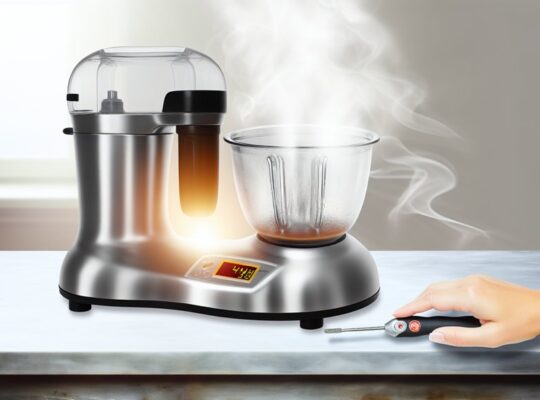
How hot is too hot when you’re blending thick nut butters or crushing ice for frozen smoothies? You want a motor that stays cool under load and blades that don’t dull — both directly affect texture and safety. NutriBullet’s higher-watt motors typically sustain torque longer; Wonderchef Nutriblend’s design emphasizes efficient heat dissipation. Monitor run times and smell for overheating; allow cool-downs to protect motor windings and food quality.
- Anxiety when a motor hums and smells — stop immediately to prevent fire risk.
- Relief when a machine handles dense mixes without stalling — consistent texture matters.
- Confidence from short, cooled cycles — safer nutrients, no scorched flavors.
Choose based on measured power, duty cycle, and clear safety features; follow manufacturer heat guidelines. A reliable unit will often include 750W motors and good ventilation to reduce overheating.
Blade Design and Safety Features
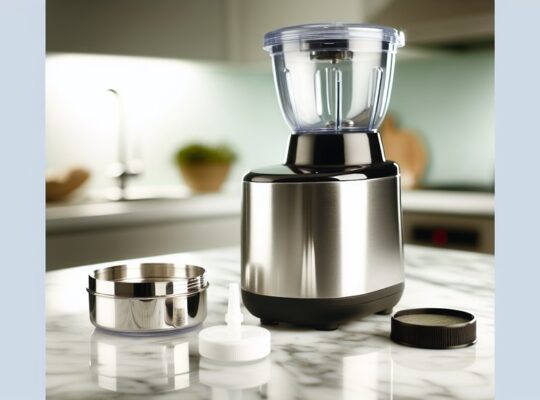
What separates the Nutribullet and Wonderchef Nutriblend at a glance is their blade geometry and the safety measures built around it. You’ll notice Nutribullet uses a four-pronged extractor blade angled for shear and turbulence, optimized to break cell walls in fruits, greens, and seeds; materials are stainless steel with tight tolerances, reducing wobble. Wonderchef’s Nutriblend often employs a multi-tiered blade assembly with mixed-angle edges to combine cutting and lifting, which helps handle thicker pastes and nut butters. Both brands include locking lids and interlock sensors so the motor won’t run unless sealed; you’ll appreciate these when blending hot or fibrous mixes. Nutribullet’s cups are typically narrower, which concentrates ingredients toward the blade, while Nutriblend’s wider jars reduce cavitation for coarse chunks. For safety, check for tamper-proof seals, BPA-free containers, and clear torque ratings; this helps you match blade capability to intended recipes and avoid overload or blade failure during heavy-duty tasks. Also consider jar choice and duty—steel or heavy-duty jars are better for nuts and ice, while glass or chutney jars suit monitoring and aromatics jar selection.
Ease of Use and Controls
Blade shape and safety features matter, but you’ll notice ease of use and controls shapes the day-to-day experience just as much. You want predictable, fast operation when prepping fruits, greens, or nut butters. Nutribullet tends to favor a single-speed twist-and-go interface that reduces mistakes; Wonderchef Nutriblend usually offers multiple speed settings and pulse, giving you control for texture-sensitive tasks. Look for clear markings, tactile buttons, and audible feedback so you know the motor is engaged without guessing.
- Confidence: solid interlocks and one-handed operation make morning routines calmer.
- Precision: variable speeds let you protect delicate ingredients like herbs and avocado.
- Safety-first: lock indicators and auto-shutoff prevent accidental starts and overheating.
Choose the model whose controls match your typical recipes. If you mostly make smoothies, simplicity wins; if you fine-tune sauces or grind spices, selectable speeds give safer, better results with less trial-and-error. Higher-wattage models like 750W grinders often provide the balance of power and control that helps with a wider range of kitchen tasks.
Cleaning and Maintenance
Regular cleaning and simple maintenance keep your blender hygienic and performing at peak for smoothies, nut butters, and sauces. You should rinse jars and lids immediately after use to prevent food residue from drying; warm soapy water plus a soft brush removes oils and fibrous particles. Both Nutribullet and Wonderchef Nutriblend have dishwasher-safe parts—check your model’s manual and place items on the top rack to avoid heat damage. Inspect blades for dulling, bent fins, or food trapped at the base; replace blade assemblies if you see wear or persistent odors that soaking won’t remove. Wipe motor bases with a damp cloth—never immerse them—to prevent electrical hazards. Periodically tighten threaded seals and inspect gaskets for cracks; replace gaskets every 6–12 months if you use the unit daily. For safety, unplug before any maintenance and let blades stop fully before handling. These practices reduce contamination risk, extend lifespan, and keep texture and flavor consistent. Higher-wattage models generally handle tougher workloads and heat less under load, which can improve longevity when used appropriately with proper electrical connections.
Noise Level and Vibration
While you’re blending tough ingredients, expect noticeable noise and some vibration from both Nutribullet and Wonderchef Nutriblend models; peak decibel levels typically fall between 80–95 dB depending on motor power and jar design. You’ll feel the machine shift slightly on the counter during nut butters or frozen fruit work; sturdy feet and tight seals reduce movement. Measured noise correlates with motor RPM and blade load, so you can moderate intensity to protect hearing and nearby conversation. For food safety, avoid overfilling jars—excess strain raises vibration and heat, which can affect texture and nutrient retention.
- You’ll worry about waking family members when you blend early.
- You’ll appreciate quieter pulses for delicate, warm sauces.
- You’ll notice reduced confidence if the unit rattles unexpectedly.
Compare vibration transfer: metal vs. plastic jars, motor mounting, and damping pads. Use placement and short bursts to minimize noise while preserving texture and safety. Consider choosing stainless steel jars when durability and reduced vibration transfer are priorities.
Price, Warranty, and Value for Money
Noise and vibration affect how often you’ll use a blender, which makes price and warranty more than just purchasing details—they determine long-term value for your kitchen. You’ll pay more upfront for a Nutribullet model, but independent tests show consistent motor power and durable blades that handle fibrous greens and nuts without overheating. Wonderchef Nutriblend is usually cheaper and delivers adequate performance for smoothies and purees, though longevity varies by usage intensity. Check warranty length and coverage: Nutribullet often includes a 1–2 year warranty covering motor faults; Wonderchef warranties can be shorter or limited to parts. You should factor in service network availability and genuine spare parts to avoid safety risks from worn seals or compromised blades. For food safety and reliable daily use, prioritize models with documented motor durability, clear warranty terms, and accessible after-sales support. That combination offers the best value for money over years of blending.
Frequently Asked Questions
Can Either Model Crush Ice Into Fine Powder for Cocktails?
Yes — both can crush ice, but results vary: Nutribullet’s high-speed motor often yields finer, fluffier ice; Wonderchef’s unit can handle crushed ice but may leave coarser shards. Always pulse, use short bursts, and ensure lids secure.
Are Replacement Jars and Lids Readily Available?
Yes — replacement jars and lids are generally available for both brands; you’ll want to buy manufacturer-approved parts, verify model compatibility, and inspect seals for wear to maintain safe, hygienic food processing and prevent leaks or contamination.
Do Either Brands Offer International Voltage Compatibility?
No, most models aren’t globally compatible; you’ll need a voltage converter or buy region-specific units. Check product specs: some Wonderchef units have dual voltage, but Nutribullet typically ships single-voltage models—confirm before plugging in.
Which Model Has Better Customer Service Response Times?
You’ll find Wonderchef generally has faster customer-service responses in India based on user reports and warranty handling; NutriBullet’s global support can be slower but more structured—check local service centers, response logs, and safety recall records before buying.
Are There Dishwasher-Safe Accessories Included?
Yes — many models include dishwasher-safe jars and blades; you’ll want to check each unit’s manual for specific parts rated dishwasher-safe, since motor bases and some lids or seals often require handwashing to ensure safe longevity.