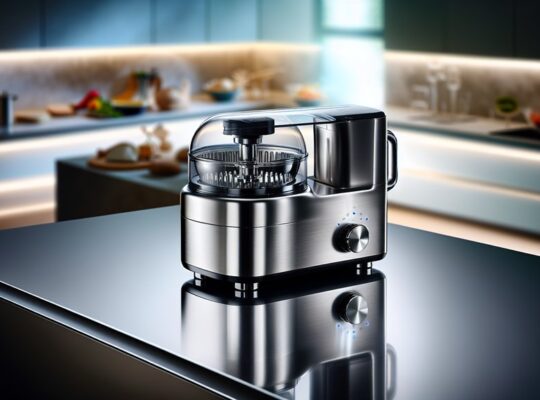
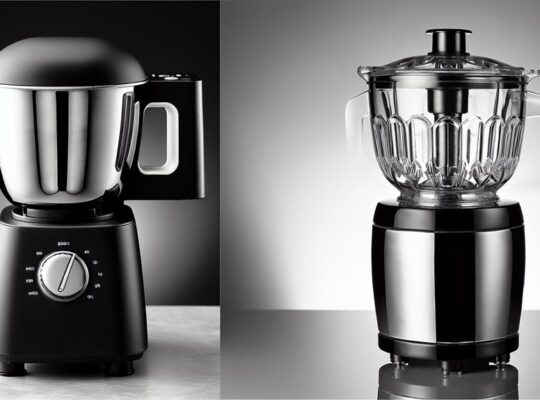
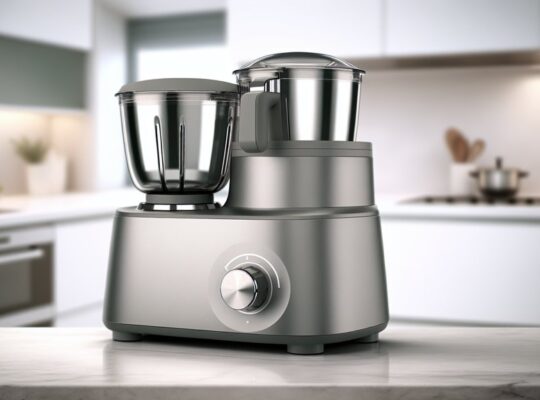
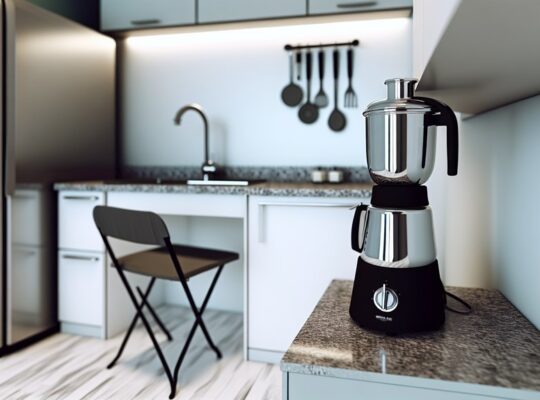
You’ll appreciate how a multi‑jar mixer grinder replaces several single‑use appliances without sacrificing performance, letting you switch from fine spice powders to silky chutneys and frothy smoothies with matched blades, jar sizes, and motor settings. Compare torque, jar material and blade geometry to match your cooking habits, and you’ll find it saves counter space and cuts cross‑contamination — but there are practical trade‑offs and setup tips that can make or break the results.
Key Takeaways
- Multi-jar mixer grinders consolidate spice grinding, wet pastes, and smoothies in one compact appliance, saving counter space and clutter.
- Choose motors with sufficient watts and multiple speeds to handle dense spices and soft fruit without overheating.
- Match jar material and blade design: stainless-steel for wet grinding, small sharp blades for hard seeds, and tall jars for smoothies.
- Pulse operation, small batches, and jar cleaning between uses preserve spice oils and prevent flavor transfer.
- Regular maintenance — inspect seals/blades, clean/dry parts, and check overload protection — ensures safe, long-lasting performance.
Why Multi‑Jar Mixer Grinders Are Replacing Single‑Use Appliances
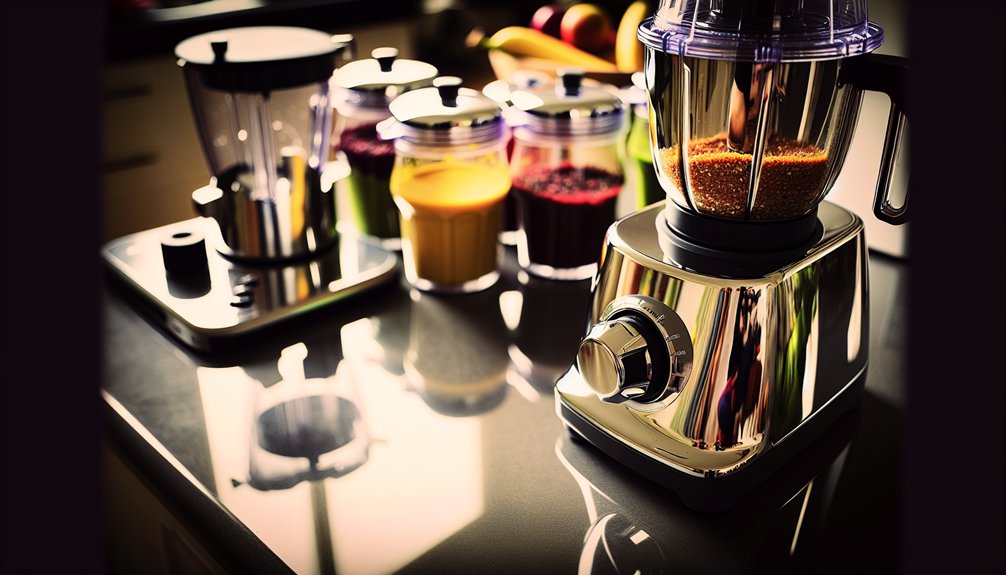
Why settle for a single-purpose gadget when a multi-jar mixer grinder can do the work of three? You’ll notice immediate space savings: instead of a blender, spice grinder, and wet grinder crowding counters, one compact unit with stacked jars keeps surfaces clear. Functionally, you’ll switch jars for different tasks—dry grinding, wet pastes, and blending—without risking cross-contamination if you rinse and seal properly. Efficiency improves too: motor torque calibrated for varied loads reduces processing time compared with undersized single-use motors. You’ll also appreciate consistent results from matched blade geometries and jar volumes, which cut trial-and-error. Safety’s built in when lids lock and overload protection trips; you should follow manufacturer cleaning and maintenance steps to avoid wear that could compromise those safeguards. Choose stainless steel jars for durability and better cutting efficiency when you need long-lasting performance.
Key Features to Look for When Buying One
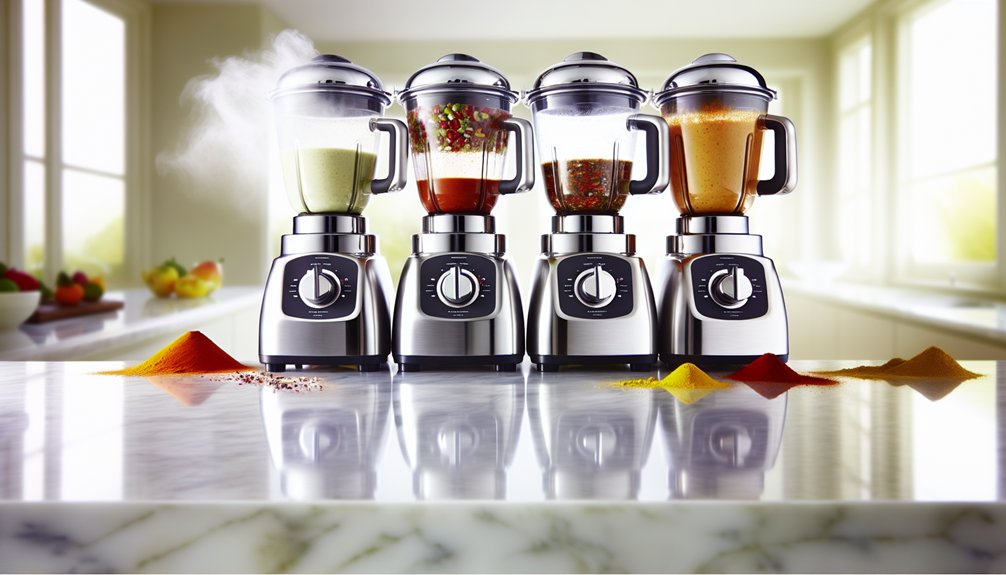
How will you know which multi-jar mixer grinder fits your kitchen needs? Start by comparing motor power: choose higher watts for dense grinding but balance noise and energy use. Look for multiple speed settings and a pulse function so you can control texture without overheating. Prioritize sturdy build materials—BPA-free jars, stainless steel housings, and sealed switches—to reduce contamination and electrical risks. Check for overload protection and a thermal cut-off to prevent motor damage. Compare jar capacities so they’re practical for both small batches and larger preparations. Evaluate stability features like non-slip feet and secure lid locks to avoid accidents. Finally, verify warranty length and service network availability; safety includes reliable aftercare and accessible repairs. Also consider typical motor wattage ranges to match your expected tasks and batch sizes.
How Jar Types and Blade Designs Affect Performance
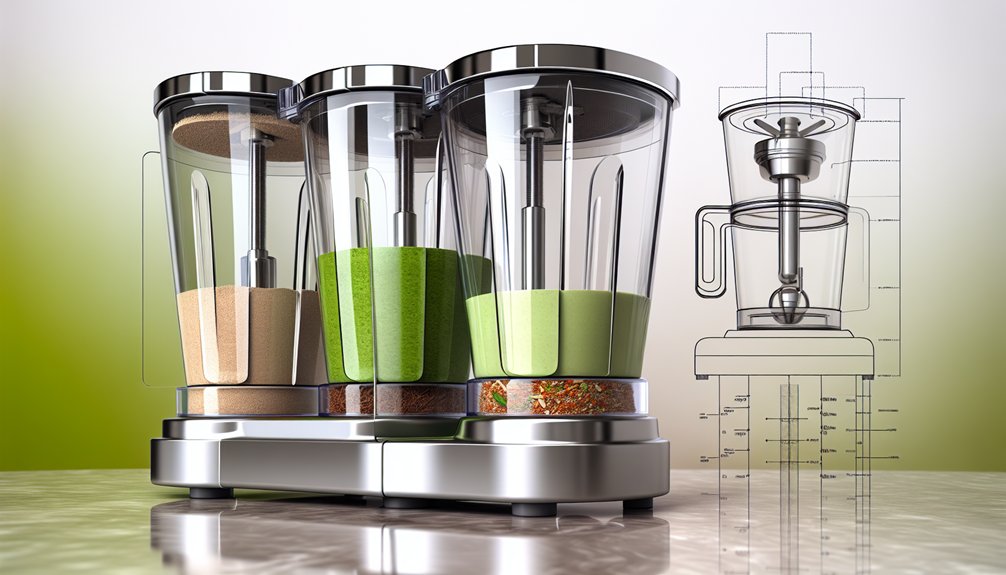
When you’re choosing jars and blades, think about materials and shapes as functional choices, not just extras: stainless-steel jars are best for heavy-duty wet grinding and resist staining, while glass jars won’t retain odors and plastic jars are lighter but can scratch and leach with age. You’ll prefer narrow tall jars for smoothies to promote vortexing, and wide shallow jars for coarse chopping or batter. Blades matter: angled S-blades create shear for liquid tasks, flat multi-prong blades hit grains for dry grinding, and removable blade assemblies allow safer cleaning and replacement. Match jar material and blade type to task to avoid overheating, chipping, or contamination. Inspect seals, locking mechanisms, and blade sharpness regularly to maintain safe, consistent performance. Also consider models with fiber-reinforced bodies and enhanced ventilation for longer motor life and durability.
Tips for Grinding Spices to Perfect Texture
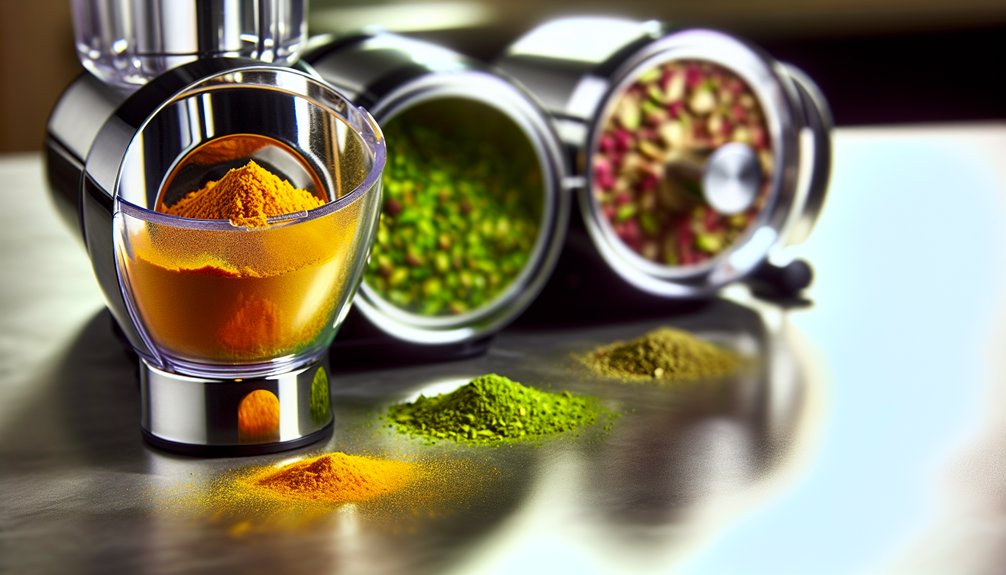
Want finer control over your spice textures? You’ll get consistent results if you treat seeds, dried herbs, and whole spices differently and prioritize small, safe steps. Compare pulse versus continuous runs, because pulsing preserves volatile oils while continuous grinding yields finer dust. Clean jars between batches to avoid cross-flavoring and contamination. Use this checklist:
- Start with short pulses, inspect particle size, increase duration gradually for finer grind.
- Work with small batches so blades stay cool; overheating lowers flavor and risks oil splash.
- Use the smallest jar and sharpest blade for hard seeds; switch to a wider jar for leafy herbs to avoid clogging.
- Cool and sieve grounds; reprocess only clumps to keep texture uniform and safe.
Making Smoothies: Best Practices and Recipes
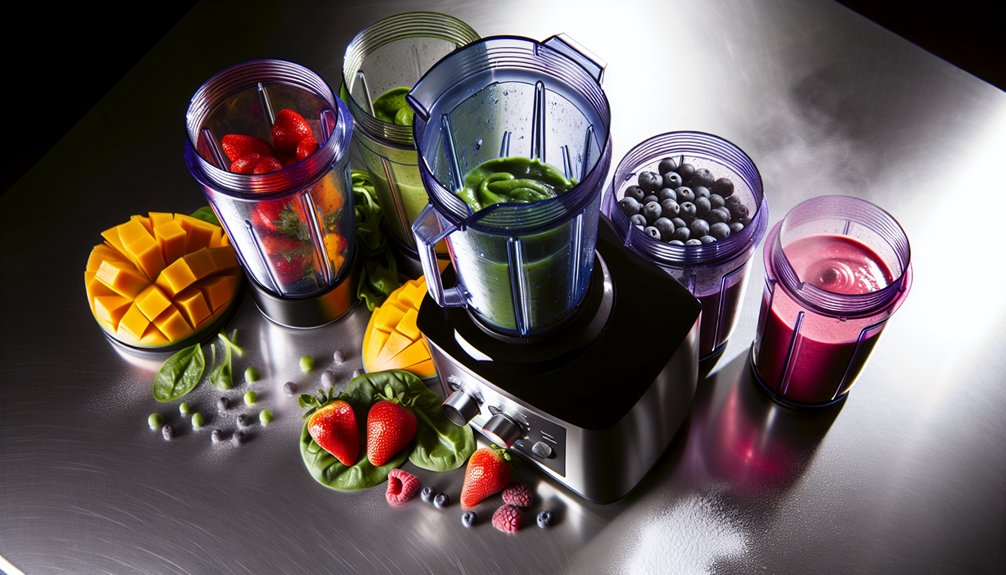
Looking to get the most out of your multi-jar mixer grinder for smoothies? Start by choosing the right jar: use a taller, narrower jar for efficient vortexing and a wider jar for chunky blends. Measure ingredients—liquids first, soft fruits next, frozen or hard items last—to reduce motor strain and guarantee even chopping. Compare blade speeds: pulse to break ice, medium for greens, high for silky textures. For consistency, add small amounts of liquid gradually rather than all at once. Try a basic green: spinach, banana, yogurt, water, flaxseed. For a protein boost: frozen berries, milk, protein powder, almond butter. Clean promptly after use to avoid residue buildup. Always secure lids and check seals before powering on. Process in small batches or use the correct jar capacity to avoid overloading the motor and ensure longer appliance life, especially for models with overload protection.
Maintenance, Safety and Longevity Care
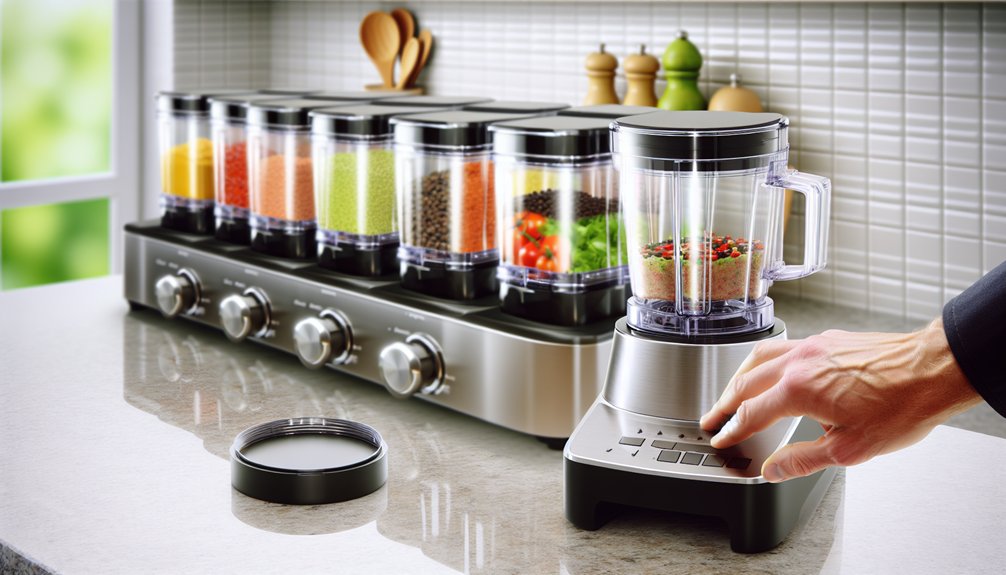
How often should you service and inspect your multi-jar mixer grinder to keep it running reliably? You should check seals, blades, cords and mounts monthly, with a deeper service every 6–12 months depending on use. Compare wear on metal blades versus plastic housings; replace parts sooner if you notice scoring, looseness or overheating.
- Inspect: check blade sharpness, jar threads, rubber gaskets, and power cord for frays — replace worn parts immediately.
- Clean: disassemble after each use, scrub residue, dry thoroughly to prevent corrosion and microbial growth.
- Lubricate & tighten: apply food-safe lubricant where recommended and torque blade assemblies to manufacturer specs.
- Safety checks: test overload protection, grounding, and switch function before heavy batches.
A clear warranty that covers motor and switches for a specified period can reduce long-term repair costs and give faster service through an established service network.
Frequently Asked Questions
Can Multi-Jar Grinders Handle Wet Chutneys and Dry Spice Blends Simultaneously?
Yes — you can, but you shouldn’t grind wet chutneys and dry spices simultaneously in the same jar; use separate jars, clean thoroughly between uses, match blade/jar to task, and follow motor load and safety guidelines to prevent damage.
Are Replacement Jars and Blades Widely Available for Older Models?
Yes — you’ll often find replacement jars and blades, but availability varies by brand and age; compare OEM versus aftermarket parts, check compatibility, inspect seals and blade integrity, and prioritize certified replacements to ensure safe, reliable performance.
Do Multi-Jar Grinders Double as Ice Crushers for Frozen Desserts?
Yes — many multi-jar grinders can crush ice, but you’ll want a sturdy motor, metal blades, and a heavy-duty jar; compare power ratings and safety interlocks, avoid overfilling, pulse in short bursts to prevent overheating and blade damage.
How Noisy Are They Compared to Dedicated Blenders?
They’re generally noisier than dedicated blenders, especially at high speed; you’ll hear harsher motor whine and vibration. Expect higher decibel spikes, more rattling jars, and take precautions like ear protection and secure placement.
Can I Use a Multi-Jar Grinder for Nut Butters and Tahini?
Yes — you can, but don’t expect the same texture as a dedicated high‑speed blender. Use small batches, warm roasted nuts, scrape frequently, and pulse gradually. Watch motor heat and avoid overloading to prevent burns or failure.