When you use a mixer grinder, take simple precautions to keep yourself and your kitchen safe: always unplug before fitting or removing jars and blades, check that lids and locking tabs are secure, and never overfill the jar or force thick mixtures—process in batches and let the motor cool. Handle blades by the hub, keep utensils out of the jar while it runs, and inspect the cord and socket for damage; a few careful steps can prevent most accidents, and there’s more to contemplate.
Key Takeaways
- Always inspect jars, blades, seals, and the power cord for damage before use.
- Match the jar and blade to the task and avoid overfilling beyond the marked capacity.
- Lock jars and lids securely, ensure base is level, then plug in and operate only when stable.
- Stop and unplug before swapping blades, scraping, or removing the lid; handle blades by the hub.
- Let hot liquids cool, vent lids when blending warm ingredients, and process in small batches.
Choose the Right Attachment for the Task
Wondering which jar or blade to reach for? You’ll want to match the attachment to the job: use the small jar and fine blade for grinding spices or coffee, the medium jar for chutneys and wet pastes, and the larger jar for batter or liquid blending. Check that blades are rated for wet or dry use and don’t mix them. Make sure the jar locks firmly onto the base and that sealing rings are in place to prevent leaks. Choose a blade material suited to the food—stainless steel for general use, tougher alloys for fibrous items—and avoid forcing hard solids into a blade made for soft mixing. When swapping attachments, always turn the appliance off and unplug it; handle blades by their hub, not edges. If a task repeatedly stresses an attachment (strange noise, wobble, or overheating), stop and use a more robust jar or a different tool. Prioritize proper fit and intended function to reduce risk. For heavy-duty or frequent grinding tasks, consider a higher-wattage motor (e.g., around 800-watt) to ensure stability and prevent overheating.
Inspect Blades and Jars Before Each Use
Before you start the grinder, inspect the jar for any hairline cracks or chips that could fail under pressure. Check the blades for nicks, bending, or dullness—blunt blades force the motor to work harder and increase risk. Replace any damaged jar or blade immediately to avoid leaks, imbalance, or injury. Also, after cleaning, always ensure the jar is completely dry and store it with the lid off to prevent moisture buildup and odors.
Check for Cracks
How often do you inspect the grinder’s jars and blades for cracks or chips? You should check every time before use: hold jars to light, rotate them, and feel rims and sealing grooves for hairline fractures. Examine blade assembly closely—look between blades and at the hub for stress lines or deformities. If you spot any crack, chip, or craze in glass, plastic, or metal, don’t use that part; cracks can grow under vibration and cause leaks, shards, or imbalance. Also inspect lids and locking tabs, since small fractures there can compromise seals. Keep a small flashlight and magnifier nearby for detailed checks. Replace damaged items with manufacturer-approved parts and record replacements to maintain safe operation. Philips models often feature sturdy ABS shells and reliable jar locks that help reduce cracking and vibration during use.
Ensure Blade Sharpness
Want your grinder to perform reliably every time? You should inspect blades and jars before each use to keep operation safe and efficient. Dull or damaged blades force the motor to work harder, increase processing time, and can cause uneven chopping or jamming. Follow these checks every time:
- Visually inspect blades for nicks, bends, or corrosion; replace if any damage is present.
- Run a fingertip test (with power off and unplugged): carefully feel blade edges to gauge sharpness—don’t press hard.
- Check jar fit and seals; a loose jar lets food contact the blade housing and increases wear.
If blades are blunt, replace them or have them professionally sharpened. Don’t use a jar with damaged blades—safety comes first. A quick ventilation and load check can prevent overheating by ensuring the motor isn’t forced beyond its rating and vents remain clear for proper cooling, so inspect vents and avoid overfilling in each use with proper airflow.
Assemble Components Securely Before Powering On
Ready to use your mixer grinder safely? Before you plug it in, check that every component fits correctly. Place the jar on the base and twist or lock it until you feel or hear the mechanism engage; a loose jar can wobble, leak, or detach during operation. Confirm the lid is seated flat and its locking tab aligns with the jar groove; many models won’t start unless the lid is properly engaged, but don’t rely on that—verify manually. Inspect rubber gaskets and seals for tears or displacement, and re-seat them to prevent leaks that can reach the motor. Make sure the blades are tightened and secure on the shaft; use the provided tool or your hands as instructed, keeping fingers away from sharp edges. Check the power socket and cord for damage, and ensure the base is dry and on a stable, level surface. Only then should you power on, confident components are correctly assembled. Start with small, uniform, fully dry batches to avoid motor strain and ensure uniform results.
Avoid Overfilling the Jar
Don’t overfill the jar—follow the marked capacity so the motor and blades aren’t strained. Leave at least an inch or two of headspace for steam or ingredient expansion during blending. If you need to process more, do it in batches to keep operation safe and effective. Ensure you allow cool-down periods between heavy tasks to prevent motor overheating and repeated activation of overload protection.
Do Not Exceed Capacity
How full should you fill each jar? You shouldn’t pack the jar to the brim; staying within the manufacturer’s max line prevents motor strain, leakage, and imbalance. Check capacity markings and follow them every time.
- Read the jar label: note the maximum volume and recommended contents (liquids vs solids).
- Operate within limits: keep contents below the max mark to ensure blades spin freely and seals stay intact.
- Balance loads: distribute solids evenly and avoid heavy single-side packing that can wobble the unit. A quick test run with a small amount of liquid can help reveal leaks or misalignment before full operation.
Leave Headspace for Expansion
Along with staying under the max fill line, you should leave extra headspace in the jar to allow ingredients to expand, foam, or release steam during grinding or blending. When you add hot liquids, soaked pulses, or carbonated mixtures, the volume can rise quickly; that sudden expansion can force the lid off or cause splatter. Aim to fill the jar no more than two-thirds for most tasks, and less for foamy or hot preparations. Secure the lid and check seals before starting. If you hear unusual pressure sounds or see steam escaping, stop immediately, unplug, and let the vessel cool before opening. Routine vigilance—measuring fills, using appropriate speed, and allowing room for movement—reduces burn risk and protects the motor. Also remember that models with thermal overload protection can help prevent motor damage if the grinder is stressed.
Keep Hands and Utensils Away From Moving Parts
Why risk injury when a few simple habits can keep your hands and utensils well clear of moving parts? You should never insert fingers, spoons, or spatulas into a jar while the grinder’s running. Always stop and unplug the appliance before removing the lid, scraping sides, or dislodging contents. Use tools with long handles and rigid edges designed for jar use so you don’t lean over the moving blades.
- Stop and unplug: Power down before any contact with the jar or blade to eliminate accidental startups.
- Use proper tools: Long-handled scrapers or spatulas keep distance and give better control than short utensils.
- Secure lid and feed tube: Make sure lids, locking mechanisms, and any feed tubes are fully engaged before switching on.
Keep your posture steady and your attention on the task. If something jams, turn off and unplug, then use a wooden or plastic implement to clear it—never your hand.
Let Hot Ingredients Cool Before Blending
Ever wondered what can happen if you pour boiling soup or steaming milk straight into the grinder? Hot liquids create steam and expand rapidly, raising pressure inside the jar. That can force the lid off, spray scalding contents, or damage seals and gaskets. To stay safe, let hot ingredients sit until they reach a warm, manageable temperature—usually 10–15 minutes for soups or stews, less for small volumes.
When you do blend, open the lid slightly or use a vented cap if your model has one, and start at the lowest speed to reduce splatter. Hold the jar lid firmly with a dry cloth while blending and never seal it completely when contents are still warm. Transfer very hot mixtures in small batches to avoid sudden pressure changes. After blending, allow the jar to cool before cleaning or storing to protect plastic parts and prevent burns. Following these steps minimizes scald risk and prolongs your grinder’s life. It’s also wise to ensure your mixer grinder has overload protection to reduce strain when processing warm, dense mixtures.
Use Correct Power Sockets and Check the Cord
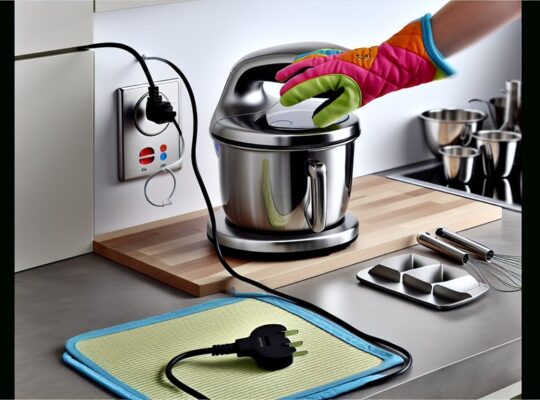
Wondering if that stray adapter or frayed cord is really a problem? Yes — it is. You should use a properly rated socket and inspect the cord every time before plugging in. A loose connection, exposed wires, or a bent pin can cause sparks, short circuits, or overheating. Don’t force the plug into an incompatible outlet; match voltage and grounding requirements on the grinder’s label.
- Check the cord for cuts, kinks, or exposed conductors; replace immediately if damaged.
- Use a grounded three-pin socket or an approved adapter that preserves grounding; avoid cheap multi-plug strips.
- Ensure the plug fits snugly; if it wiggles or heats during use, stop and have the socket inspected.
Unplug before cleaning or moving the unit. If you notice buzzing, discoloration around the socket, or persistent tripping of breakers, get a qualified electrician to diagnose the issue before using the grinder again. Sujata’s stainless steel construction can help reduce overheating during heavy use, making it a good option for durability and heat management.
Operate the Grinder on a Stable, Dry Surface
How firm is the surface you’re placing the grinder on? You should set the unit on a level, sturdy countertop that won’t wobble or vibrate excessively. Avoid plastic trays, foldable tables, or edges where the machine can tip. Check that all four rubber feet contact the surface; if one foot lifts, reposition the grinder or change the mat beneath it. Keep the area dry—wipe away spills and don’t place the grinder over sink edges or near running water. If you use an anti-slip mat, make sure it’s flat and rated for kitchen appliances. Position the grinder so it’s not hanging over the counter and you can reach controls without stretching. Also ensure adequate clearance around the jar and motor to prevent accidental knocks while it runs. Finally, test stability with the lid on before switching on: press lightly on the lid while the base is stationary to confirm there’s no movement that could become dangerous once the grinder is operating.
Clean and Maintain Safely After Unplugging
Once you’ve confirmed the grinder sits stable and dry, unplug it before you touch any parts to clean or maintain it. You’ll prevent electric shock and accidental starts. Wait until the motor and jars cool, then detach jars, lids, and blades using a cloth or glove to avoid cuts. Inspect seals and filters for wear; replace damaged parts.
- Rinse jars and lids immediately with warm, soapy water; scrub gently around the blade base, then air-dry fully before reassembly.
- Wipe the motor housing with a damp cloth—never immerse it—and clean vents with a soft brush to keep airflow clear.
- Lubricate any manufacturer-specified moving parts lightly and check the power cord for cracks; if you spot damage, stop using the unit and get professional repair.
Store disassembled parts to dry completely. Follow the manual’s maintenance schedule and record replacements to keep the grinder safe and reliable.
Store Blades and Accessories Out of Children’s Reach
Because sharp blades and small accessories can cause serious cuts or choking hazards, keep them locked away or placed on high shelves out of children’s reach and sight. Store blades in their original protective sheaths or wrap them in thick cloth before placing them in a closed drawer or cabinet. Use childproof locks on lower cabinets and designate a specific, clearly labeled container for loose small parts like lid gaskets, screws, and measuring cups. When you wash blades, dry them thoroughly and return them immediately to their secure storage—don’t leave them on countertops or drying racks. Inspect storage areas regularly for gaps or broken latches and replace faulty hardware promptly. If you have visitors or babysitters, point out where blades and accessories are kept and how to secure them. Teach older children that these items are off-limits and explain the reasons briefly. Consistent, deliberate storage habits reduce accidents and keep your kitchen safer for everyone.
Frequently Asked Questions
Can a Mixer Grinder Be Used for Crushing Ice Safely?
Yes — but only if your grinder’s manual explicitly allows ice crushing and you use a suitable jar and short pulses; otherwise you’ll risk blade, motor, or jar damage, so don’t attempt it with standard kitchen grinders.
How Long Is Normal Motor Lifespan With Regular Home Use?
With regular home use, a mixer grinder’s motor usually lasts about 5–10 years; you’ll extend it by avoiding overloads, duty cycles, overheating, and by cleaning, tightening connections, and servicing brushes or bearings when you notice noise or reduced power.
Are Metal Jars Safe for Acidic Foods?
They’re generally not ideal; acidic foods can react with some metals, causing metallic taste or corrosion. You should avoid uncoated metal jars for long contact, use stainless steel (food-grade) or nonreactive containers to stay safe.
Can I Run the Grinder Continuously for Long Durations?
No, you shouldn’t run the grinder continuously for long durations; most motors overheat. Let it rest after a few minutes of use, follow manufacturer duty cycles, and check for hot smells or tripping breakers before restarting.
Is It Safe to Blend Oily Nuts Without Liquid?
Yes — but you shouldn’t. Dry-blending oily nuts risks motor overload, blade clogging and overheating. You’ll need short pulses, cool-down breaks, small batches and a sturdy grinder designed for dry processing to stay safe.