You probably treat your mixer grinder like a simple appliance, but a few common beliefs can shorten its life or give you worse results than you expect. Small habits—how you run it, clean it, pick blades, and handle wet leftovers—actually matter more than hype about watts or “tests.” I’ll walk through five myths and what really matters so you can avoid costly mistakes and get consistent performance.
Key Takeaways
- Running a mixer grinder briefly without food won’t ruin a motor, but avoid extended no-load operation to prevent overheating and wear.
- Higher wattage doesn’t guarantee better performance; motor design, cooling, and build quality matter more than the label.
- You don’t always need to wash the jar thoroughly after dry, non-greasy use, but clean immediately for oily or perishable ingredients.
- Blades are not universally interchangeable; using the wrong blade can unbalance the jar, strain the motor, or damage mounts.
- Leaving wet batter or stew in the jar overnight risks corrosion, gasket damage, odors, and microbial growth—clean promptly.
You Should Never Run a Mixer Grinder Without Food
Ever wondered if running a mixer grinder empty will harm it? You’ll be relieved to know occasional short runs without food generally won’t damage a well-maintained unit. Motors tolerate brief no-load operation; heat and wear rise when the appliance runs for extended periods or under heavy load. Avoid continuous empty spinning beyond a few seconds, since cooling depends on some load and lubricant distribution can be less effective. If you must run it empty for testing, keep sessions brief, listen for unusual noises, and stop at any vibration or burning smell. Regular maintenance — clean vents, check blades and seals, and follow manufacturer limits on run-time — reduces risk. When in doubt, consult the manual or a qualified technician. Processors and grinders with overload protection and proper duty cycles are less likely to suffer damage from brief no-load runs.
Washing the Jar After Every Use Is Always Necessary
Do you really need to wash the jar after every single use? Not always. If you’re grinding dry, non-greasy items like spices or roasted coffee and you’ll use the jar again soon for similar ingredients, a quick brush or dry wipe can be enough. However, when you process oily, perishable, or strong-smelling foods (onions, garlic, chutneys, dairy), wash promptly with hot water and detergent to prevent bacterial growth and odor transfer. Rinse thoroughly and air-dry or towel-dry to avoid moisture that fosters microbes. Inspect seals and blades for trapped residues and clean them safely — unplug first and use a brush, not your fingers. Regular deep cleans prevent buildup; balance practicality with food-safety risk when deciding how often to wash. For batters and wet grinding, consider a cooling and aeration step to protect fermentation and texture.
Higher Wattage Always Means a Better Grinder
Cleaning habits matter, but so do how you choose a grinder — and higher wattage isn’t automatically better. You might assume more watts equal superior performance, but motor design, gear ratio, and build quality matter just as much. A high-watt motor can generate heat and stress bearings if the cooling and materials aren’t up to task, reducing longevity and increasing safety risks. Conversely, an efficiently designed lower-watt unit may grind consistently without overheating. Match wattage to intended use: light tasks need less power; heavy wet grinding benefits from higher, well-ventilated motors. Look for overload protection, quality seals, and tested thermal cutoffs. Prioritize certified safety features and real-world reviews over raw watt numbers when choosing a grinder. Also consider brand reliability and warranty coverage typical of top models like Bajaj GX8 when making your decision.
All Blades Are the Same and Interchangeable
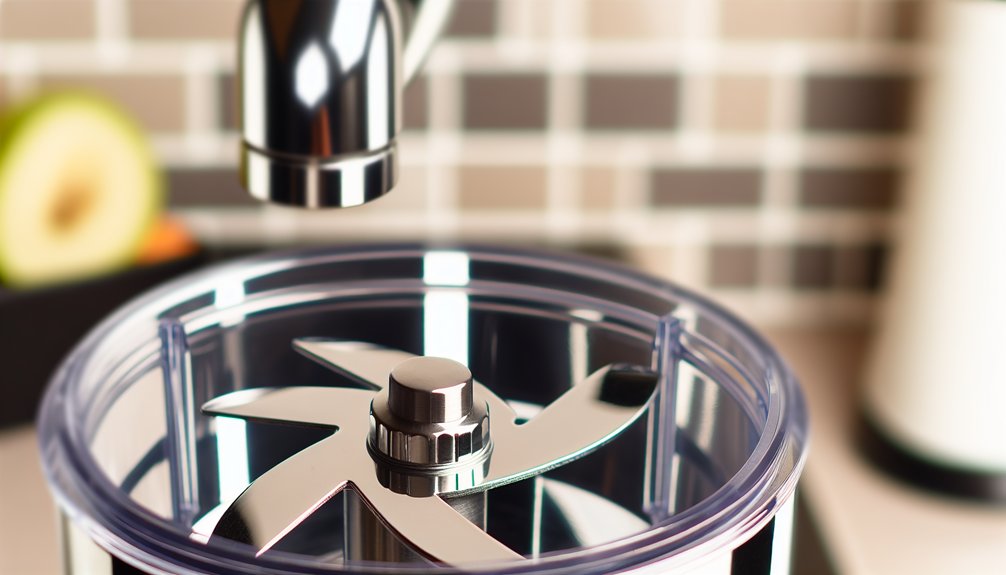
Why would you assume all grinder blades are the same? You shouldn’t. Blades differ in shape, material, edge angle, thickness and mounting design, and those differences affect performance and safety. Stainless steel blades resist corrosion; hardened or tempered steel holds an edge longer. Flat discs suit dry grinding, while serrated or curved blades handle wet mixtures and chopping. Using a blade not designed for your jar can cause poor cutting, motor strain, imbalance and vibration that loosens fittings or cracks the jar. Interchanging blades without checking compatibility risks stripped fittings or a blade detaching during use. Always consult the manufacturer’s specs, match blade type to the task, and replace worn blades promptly. That reduces injury risk and extends equipment life. Toast whole seeds briefly before grinding to boost aroma and cool fully to avoid moisture-induced clumping.
Leaving Wet Ingredients in the Jar Won’T Cause Damage
Think leaving a jar full of wet batter or stew overnight won’t hurt your grinder? You’d be risking stains, odor, and corrosion. Wet food left against metal and seals promotes rust and degrades rubber gaskets; sugars and acids can etch stainless steel finishes and cling to blade bases. Moisture trapped around the coupling or seal can encourage mold growth and contaminate future batches. Evidence from appliance care guides shows prompt cleaning prevents microbial growth and extends motor life by avoiding sticky residues that transfer to bearings. Don’t delay: rinse immediately, disassemble per manual, dry parts thoroughly, and store jars upside down to ventilate. If you notice pitting, persistent odor, or loose seals, replace affected components for safety. For heavier use and longer-lasting performance, consider a model with higher wattage and better thermal design.
Frequently Asked Questions
Can a Mixer Grinder Run Continuously for an Hour Safely?
Yes — you can often run a mixer grinder for an hour, but you shouldn’t. Check manufacturer duty cycle, guarantee proper ventilation, avoid heavy loads, and rest periodically to prevent overheating, motor damage, or voiding warranty.
Is It Okay to Blend Hot Liquids in a Standard Jar?
No — you shouldn’t blend very hot liquids in a standard jar; thermal shock or pressure can crack the jar or force the lid off. Let contents cool slightly, vent the lid, and pulse gently for safety.
Do Motor Noises Mean the Grinder Is Broken?
Not necessarily — some motor noise is normal during heavy loads or when blades hit tough particles. If you hear grinding, burning, or sudden changes, stop immediately, unplug, and inspect for jams, loose parts, or worn bearings.
Can I Grind Spices and Batter in the Same Jar Without Cleaning?
No — you shouldn’t. Residual oils and flavors from spices will contaminate batter and vice versa; cross-contamination can spoil taste and cause allergic risks. Clean jars between uses, wiping seals and blades thoroughly before switching.
Will Using Plastic Jars Reduce Performance Compared to Metal?
Yes — plastic jars can slightly reduce performance versus metal because they dissipate heat worse and may flex under load, causing vibration; still, choose high-quality BPA-free plastic and avoid heavy wet grinding to maintain safety and efficiency.