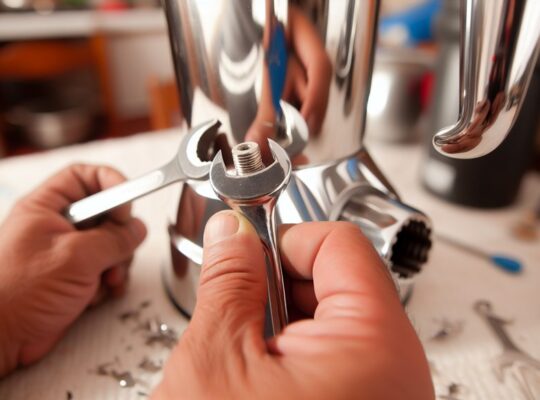
If you prep meals weekly, you’ll want a mixer grinder that handles large batches without slowing or overheating. Focus on a high‑watt motor with steady RPMs, a primary 1.5–2.0 L jar plus a 300–600 mL secondary, and sharp, durable blades for wet and dry tasks. Look for overload protection, good heat dissipation, and easy‑clean parts so you can work quickly — and there’s more to consider about jars, noise, and accessories.
Key Takeaways
- Choose a 600–1000 W motor with stable RPM and thermal cutoff for continuous weekly meal-prep and dense ingredients.
- Use at least three jars (1.5–2.0 L multipurpose, 300–600 mL chutney, flat-bottom dry grinder) for efficiency.
- Prefer stainless-steel blades, double-lock safety, and overload protection to ensure consistent performance and motor longevity.
- Check duty-cycle specs, ventilation, and noise level (<75 dB) to support longer runs without overheating or fatigue.
- Follow daily cleaning, inspect seals/blades weekly, and keep spare gaskets to prevent leaks and maintain performance.
Why Motor Power and RPM Matter for Batch Cooking
Why does motor power and RPM matter when you’re prepping meals for the week? You’ll rely on consistent performance: higher wattage handles larger quantities without bogging down, and steady RPMs ensure uniform texture across batches. Pick a grinder with enough continuous power for dense ingredients—nuts, dried legumes, fibrous vegetables—so the motor won’t overheat or stall mid-run. RPM stability matters for repeatable results; lower RPM with strong torque chops steadily, while higher RPM suits fine purees. You’ll want motors with thermal protection and clear duty-cycle guidance so you can plan batch sizes and rest intervals safely. Efficiency comes from matching motor specs to your typical batch volume: an undersized motor forces multiple short runs, wasting time and stressing the unit. Conversely, oversized capacity can be unwieldy. Focus on rated continuous power, torque at low speeds, and RPM control features; they’ll keep your prep consistent, reduce wear, and help you maintain safe, efficient weekly cooking routines. Also consider typical domestic power ranges, since most units fall between 300–1000 W, which affects how you match a grinder to your batch sizes.
Choosing Jars and Blades for Different Prep Tasks
Now that you know how motor power and RPM affect batch performance, you’ll want to match jars and blades to those capabilities so each run gives the texture and throughput you need. Choose a stainless-steel multi-purpose jar with a strong seal for wet grinding and batter; its taller shape promotes circulation and reduces splatter. Use a flat-bottomed steel jar with a coarse blade for dry grinding grains and spices—it concentrates impact and prevents doughiness. Pick a dedicated chutney jar with a short bowl and high-torque blade for small, dense batches to avoid overworking the motor. For purees and smoothies, a serrated or S-shaped blade in a wider jar creates a vortex and improves consistency. Always inspect blade mounts, replace bent or dull blades, and secure lids with safety locks before running. Match jar material to food temperature (avoid sudden thermal shocks), and clean blades carefully with a brush to prevent cuts. This reduces downtime and keeps results consistent and safe. Consider models that include overload protection to preserve motor life during heavy use.
Capacity and Size Considerations for Weekly Meal Prep
How much volume you need from a mixer grinder depends on the size of your weekly batches and the kinds of recipes you prep; pick jars that let you do full-meal runs with minimal splitting to save time and reduce cleaning. You’ll want clear capacity markings and secure lids so you can measure portions and avoid spills when blending hot soups or thick sauces. Balance jar size with motor rating — overfilling stresses the motor and increases risk of overheating.
- Choose a primary jar that handles your largest single batch (1.5–2.0 L common) to limit transfers.
- Keep a smaller jar (300–600 mL) for concentrated tasks to avoid underloading the motor and reduce waste.
- Confirm spare jar dimensions fit your storage and dishwasher space to keep cleanup safe and efficient.
Plan for headroom: leave 20–30% free capacity to prevent splatter and allow proper airflow during operation. Also inspect seals and mounting regularly to avoid excess vibration and noise from loose or worn components like gaskets and couplings, which can shorten the motor’s life and affect performance motor health.
Versatility: Grinding, Chopping, Pureeing, and Emulsifying
You’ll want a mixer grinder that delivers fine grinding power so spices and dry grains become uniformly powdery without repeated passes. Look for a motor and blade design that produce smooth purees for soups and baby food while also handling emulsifying tasks like dressings and mayonnaise. Prioritize models that switch between jars/blades quickly to keep meal-prep efficient and consistent. Consider a model with overload protection to protect the motor and ensure long-term reliability.
Fine Grinding Power
Want a single tool that can grind spices to powder, chop nuts, puree soups, and emulsify dressings without switching appliances? You’ll value fine grinding power for consistent particle size, faster extraction of flavor, and predictable cooking results. Focus on motor RPM, burr or blade design, and heat control so you don’t scorch delicate aromatics. Use short pulses, allow cool-down intervals, and secure lids to prevent splatter. For safety and efficiency consider:
- High-RPM motor with thermal cutoff for steady grind.
- Hardened stainless blades or conical burrs for uniform texture.
- Sealed jars and non-slip base to minimize accidents.
Also consider models with overload protection and visible lid-lock indicators to improve safety and extend motor life.
Smooth Puree & Emulsify
Fine grinding sets the stage, but you’ll also need the grinder to deliver silky purees and stable emulsions for soups, sauces, and dressings. You want a motor and blade geometry that reduce heat and oxygen uptake so flavors stay bright and textures stay smooth. Work in small batches for consistent results; overfilling causes uneven shear and can overheat ingredients. Use pulse or variable speeds to control viscosity, stopping to scrape sides with a silicone spatula while unplugged. For emulsions, add oil slowly through the feed chute and keep rotation steady to prevent separation. Always secure lids and use safety locks before powering on. After use, cool components, disassemble, and clean immediately to prevent bacterial growth and protect seals. When maintaining blades or replacing them, always unplug the appliance and follow safe disassembly procedures.
Noise, Heat Management, and Continuous-Use Performance
How loud will it be while you prep a week’s worth of meals, and can the grinder run long enough without overheating? You’ll want clear expectations: decibel levels, duty cycles, and cooling. Focus on measurable performance so you can plan batch sizes and breaks.
- Noise: check manufacturer dB ratings and test reviews; quieter motors (under ~75 dB) let you work without shouting and reduce fatigue.
- Heat management: look for ventilated housings, metal gearboxes, and thermal cutoff specs; components that dissipate heat extend continuous operation.
- Continuous-use performance: note rated duty cycle (e.g., 10 min on/20 min off) and torque retention under load; consistent RPM with heavy contents prevents motor strain.
When you match these specs to your typical batch duration, you’ll avoid mid-session shutdowns and minimize repair risk. Prioritize documented runtime and cooling design for safe, efficient weekly meal prep. Also consider jar material and blade quality—stainless steel blades provide durability and better cutting efficiency—when selecting a grinder for extended use.
Safety Features and Ease of Use During Large Batches
Need a machine that keeps you safe and moving through big batches? You’ll want clear, physical safety features: interlock lids that prevent operation unless sealed, sturdy non-slip feet to stop movement on wet counters, and overload protection that cuts power if motors stall. Look for tactile, clearly labeled controls you can adjust without removing bowls or touching blades, plus a pulse function for controlled bursts. Choose models with insulated handles and heat-shielded motor housings to reduce burn risk during extended runs. Indicator lights or audible alerts for overheating, lid misalignment, or completed cycles help you monitor status without hovering. Ergonomic, well-balanced jars with secure locking make swapping ingredients quick and steady, minimizing spills. For large batches, prioritize easy-to-grip release mechanisms and one-handed lid removal so you can keep a steady workflow. These features combine to keep operations efficient, predictable, and safe when you’re prepping multiple meals at once. Panasonic models often include double locking systems and extended motor warranties that add extra reliability.
Cleaning, Maintenance, and Longevity Tips
After each use, you’ll rinse jars and blades promptly, scrub seals and crevices with a small brush, and air-dry parts to prevent odor and corrosion. Schedule simple preventive maintenance—check and tighten fittings, oil moving parts per the manual, and replace worn gaskets or blades before performance drops. A short weekly inspection and a quick record of any issues will keep your grinder reliable for meal-prep workloads. Also, regularly inspect and replace dull or chipped blades to maintain optimal performance and prevent damage.
Daily Cleaning Routine
Want to keep your mixer grinder reliable and ready every day? You should follow a quick, safe routine after each use to prevent residue buildup and odor. Unplug the unit, remove jars and blades carefully, and rinse parts immediately to avoid dried-on food.
- Rinse and scrub: Use warm soapy water and a soft brush on jars and lids; scrub blades with caution, handle by the base.
- Dry and inspect: Wipe the motor base with a damp cloth (never immerse), dry all parts, and check seals for tears or trapped food.
- Reassemble and store: Refit only when fully dry, store with lids off to ventilate, and keep the cord coiled to prevent damage.
Choose models with overload protection to protect the motor during heavy use and for safer daily operation.
Preventive Maintenance Steps
Daily cleaning keeps immediate mess and odors at bay, but a few scheduled preventive steps will keep your mixer grinder running smoothly for years. Once a week, unplug the unit and inspect blades, jar seals, and mounting points for wear or corrosion; replace damaged seals immediately to prevent leaks. Lubricate motor shaft splines lightly with food-safe lubricant every three months, following manufacturer guidance. Tighten loose screws and check power cord insulation to avoid electrical hazards. Balance loads and avoid overfilling to reduce motor strain; use pulse mode for dense items. Deep-clean lids and vents monthly with a soft brush to prevent clogging and overheating. Store jars dry and inverted to avoid mold. Log maintenance dates so you don’t skip critical checks.
Matching Accessories and Attachments to Your Meal Prep Needs
Which attachments do you actually need for efficient weekly meal prep? Start by matching tasks to attachments so you only keep what increases speed, consistency, and safety. Choose robust jars for wet grinding and a separate dry jar for spices to avoid cross-contamination. Include a blender or chutney jar for sauces and smoothies; a dedicated dough hook or kneading blade helps batch breads or flatbreads without straining the motor.
- Basic wet jar — soups, marinades, batters; stainless steel, secure lid, splash guard.
- Dry/spice jar — powders and nuts; tight seal, removable blades for cleaning.
- Multi-function blade/hook — chopping, emulsifying, kneading; check speed ratings and safety interlocks.
Inspect attachment seals, locking mechanisms, and blade sharpness before use. Store lids and blades safely to avoid cuts. Opt for dishwasher-safe parts if available to reduce handling. By pairing only needed attachments to your weekly menu, you’ll save time and keep meal prep safe and reliable.
Frequently Asked Questions
Can a Mixer Grinder Handle Grinding Frozen Ingredients?
Yes — but you shouldn’t grind large frozen blocks. You’ll want to thaw until slightly softened, chip into small pieces, use short pulses, avoid overloading, secure lid tightly, and follow your grinder’s specs to prevent motor strain or blade damage.
Are Mixer Grinders Safe for Making Nut Butters Regularly?
Yes — you can, but only with the right grinder and precautions. Use a heavy-duty model with a blender/nut-butter blade, work in small batches, monitor heat, pause to scrape, and clean seals to prevent motor strain and contamination.
Do Metal Jars Affect Food Taste or Cause Reactions?
No, stainless steel jars generally won’t change taste or cause reactions; they’ll resist corrosion, won’t leach metals if undamaged, and are safe for acidic foods—just avoid rusted, pitted, or low-quality metal and clean thoroughly after use.
Can I Use a Mixer Grinder for Dough Kneading?
Yes, you can, but you shouldn’t for heavy doughs. Use short pulses with the dough hook/attachement if available, avoid overheating motor, work in small batches, and finish kneading by hand to guarantee proper gluten development and safety.
What Warranty and Service Options Should I Look For?
Look for at least a 1–2 year manufacturer warranty, extended-care options, and nationwide service centers; ensure spare parts availability, authorized technicians, quick response times, and clear warranty exclusions so you’re covered and safety risks are minimized.