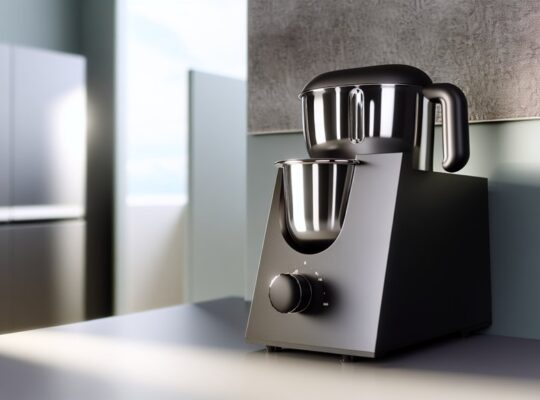
If your mixer grinder is wobbling or making odd noises, you’ll want to fix the loose blades safely and efficiently. Start by unplugging and cooling the unit, then inspect the blade hub, nut, shaft and coupling for play or wear. I’ll walk you through checking, tightening, cleaning, and replacing parts as needed, and show simple tests to confirm a secure fit so you won’t have to worry about further damage.
Key Takeaways
- Unplug the grinder, wear cut-resistant gloves, and remove the jar and blade assembly before inspecting for play or damage.
- Check and clean shaft threads, then hand-thread and snug the blade nut, avoiding cross-threading.
- Inspect and replace a worn rubber/nylon coupling or blade hub showing cracks, flattening, or lateral play.
- Replace damaged blades or seals with OEM or high-quality compatible parts; don’t reuse cracked gaskets.
- Reassemble cleanly, torque the nut per spec (or tighten incrementally), then test at low speed for wobble.
Signs That Your Mixer Grinder Blades Are Loose
If your mixer grinder starts vibrating more than usual, don’t ignore it — that’s often the first sign the blades are loose. You’ll also notice wobbling jars or an uneven sound during operation; these are mechanical cues that components aren’t aligned. Pay attention to reduced grinding efficiency: ingredients may stay coarse or take longer to process, indicating blade misalignment or play. Look for visible gaps between the blade assembly and the jar base when you lift the jar off the motor. Check for leaking at the coupling or base—looseness can break seals. Feel for excessive heat in the motor housing after short runs; extra movement increases friction. If you detect a clicking or rattling noise that changes with speed, that’s a clear indicator. Track any new movement at the blade hub when you hold the jar steady and try to rotate the blade by hand; any perceptible play means it’s time to tighten or inspect the assembly before continued use. Always unplug the appliance before inspecting or adjusting the blade assembly to ensure safety.
Safety Precautions Before You Start
Before you start, make sure the grinder is unplugged and completely powered down; never work on the jar or blades with the unit connected. Check that any residual power indicators are off and the plug is visibly removed. Let the motor cool if it’s warm.
- Inspect area lighting and clear space so you won’t fumble; good visibility reduces mistakes.
- Wear cut-resistant gloves and eye protection; the blades are sharp and parts can shift unexpectedly.
- Keep children and pets away; a secure workspace prevents distractions and accidental activation.
Place the jar on a stable surface and secure it to prevent rolling. Use a cloth to steady the blade assembly when loosening components to avoid slipping. Avoid liquid around the motor housing. Note any damage to the jar or seals; if you see cracks, don’t proceed—replace the damaged part first. Follow these precautions methodically to reduce injury and prevent further equipment damage. A 500W motor with overload protection is a common safety feature to be aware of when assessing mixer grinders.
Tools and Parts You’ll Need
What do you need on hand to do the job right? Gather these tools and parts before you begin to keep the work efficient and safe. You’ll need a set of screwdrivers (flat and Phillips) that fit the unit’s screws, plus a small socket or nut driver for any hex fasteners. Have a pair of needle-nose pliers and a slip-joint plier for gripping and removing clips or washers. Use a torque screwdriver or small torque wrench if specified by the manufacturer to avoid overtightening.
Keep replacement parts ready: a new blade assembly or blade coupling, rubber gasket or sealing ring, and any small retaining screws, washers, or locking clips that match your model. Bring cleaning supplies—soft cloth, mild degreaser, and a brush—to remove debris safely. Finally, wear cut-resistant gloves and safety glasses, and place a towel or mat to protect surfaces and prevent small parts from rolling away. Heavy-duty units with robust motors may require specific couplings or parts rated for higher wattage, so check compatibility before purchasing replacements.
How to Inspect the Blade Assembly
Start by visually inspecting the blade assembly for chips, bends, corrosion, or any other visible wear. Check for lateral play and rotational tightness by wiggling the blade and spinning it by hand; any looseness means parts need tightening or replacement. Finally, examine the seal and gasket for cracks, hardening, or leaks that could let food particles or water reach the motor. Also verify the blade coupling and housing for secure fit and signs of wear, especially where metal meets plastic, which can indicate motor-coupler wear.
Visual Wear and Damage
Inspection begins with a clear, focused look at the blade assembly: you want to identify chips, bends, corrosion, or uneven wear that can loosen fit or reduce performance. Work with power off and unplugged equipment, remove the jar and guard, and use good light and a magnifier if needed. Note damage that affects sealing surfaces or blade edges.
- Edge chips or nicks — small breaks concentrate stress and reduce cutting efficiency; replace blades with visible fractures.
- Bends or warping — hold the blade on a flat surface; any wobble or gap indicates deformation needing replacement.
- Corrosion or pitting — rust at the hub or blade base weakens fit and can contaminate food; clean minor spots, replace advanced corrosion.
Record findings before proceeding. For safety and to preserve blade life, always unplug the unit, dry blades promptly after cleaning, and apply a light food-safe oil to the spindle if metal-on-metal contact is evident blade maintenance.
Tightness and Play
How tightly does the blade sit on its shaft, and is there any side-to-side play when you gently wiggle it? First, unplug the grinder and remove the jar and blade assembly. Hold the shaft steady and grasp the blade hub; gently push and pull laterally and rotate by hand. Note any measurable movement or rattling—more than a millimeter of side play is a concern. Check that the blade hub seats fully against the shaft shoulder and that any retaining nut or clip is present and snug. If play exists, don’t run the unit; loosened parts can shear or cause imbalance. Record what moves and where, then tighten fasteners incrementally and recheck. If play persists, replace worn hub or shaft components before reuse. Also perform a quick test run with a small amount of liquid to check for leaks and seals before full use.
Seal and Gasket Condition
Want to know whether the seals and gaskets are causing leaks or wobble? Start by unplugging the grinder and removing the jar and blade assembly. Inspect the rubber gasket and any O-rings for cracks, compression set, or missing sections. If you see hardening, thinning, or deformation, replace the seal before reassembling.
- Remove blade: use gloves, hold blade hub, unscrew carefully to avoid injury.
- Visual check: look for tears, flattening, or embedded debris on the gasket and seating surface.
- Fit test: press a new or cleaned gasket into place and rotate the blade by hand to confirm snug, centered contact.
Replace damaged seals promptly; faulty gaskets compromise safety and cause wobble. Also check vents and nearby components for dust or damage since poor ventilation and worn parts can increase heat and worsen seal deterioration.
Tightening the Blade Nut and Coupling
Start by checking that the blade nut fits snugly on the shaft and isn’t cross-threaded. Inspect the rubber or plastic coupling for cracks, deformation, or wear that could let the blade wobble. When reassembling, tighten the nut to the manufacturer’s recommended torque (or firm hand-tight plus a small turn) to secure the blade without over-stressing the shaft. Also verify the condition of the coupling and drive assembly, since worn couplers or missing overload protection can indicate broader maintenance or safety issues.
Check Blade Nut Fit
Before you reassemble the jar, check the blade nut and coupling fit—looseness here is the most common cause of wobble. You’ll want to confirm the nut sits flush against the blade hub and threads smoothly onto the shaft without cross-threading. Use only the correct wrench and avoid overtightening; you’ll feel resistance when it’s properly seated. If the nut keeps backing off, apply a small dab of threadlocker suited for kitchen tools or a stainless-steel shim under the blade hub to improve contact.
- Verify nut threads are clean and undamaged.
- Hand-thread first, then tighten with the specified torque or until snug.
- Run a short low-speed test with the jar empty to confirm no wobble.
Always unplug the unit before you touch hardware. Many compact blenders and bullet-style mixers feature surgical-grade stainless blades that resist corrosion and wear, which helps maintain a secure fit over time.
Inspect Coupling Wear
How worn does the coupling look and feel when you rotate it by hand? First disconnect power and remove the jar and blade assembly. Inspect the rubber or nylon coupling for cracks, flattening, or chunks missing. Rotate it slowly; feel for wobble, rough spots, or slipping against the motor shaft. Check that the coupling sits squarely on the shaft with no lateral play. If the coupling deforms under slight pressure or you hear grinding, replace it—don’t attempt risky patches. Note matching part numbers or dimensions when sourcing a replacement. After fitting a new coupling, confirm smooth rotation and secure seating before reassembling. Always keep hands clear of the blade area and ensure the appliance is unplugged. Modern grinders often include overload protection that helps prevent motor damage if a worn coupling causes excessive current draw.
Proper Torque and Reassembly
Now that you’ve checked the coupling for wear and proper seating, you’ll focus on securing the blade nut and coupling with the right torque so everything runs true and safely. Start by cleaning mating surfaces and threads; debris hides imbalance. Hand-tighten the blade nut, align the coupling, then apply controlled torque with a calibrated wrench or torque driver. Don’t guess—use manufacturer torque specs when available. Recheck alignment by spinning the blade by hand; there should be no wobble.
- Use specified torque value; if unknown, tighten incrementally and test.
- Lock any locking mechanisms (tab washers, thread lockers) per instructions.
- After assembly, run short no-load test at low speed, listen for vibration or noise.
Record torque used and inspect after first few uses.
Replacing Worn or Damaged Blades and Seals
Noticing dull, chipped, or wobbling blades? Inspect blades and shaft with the motor unplugged. Wear shows as rounded edges, visible chips, bent tips, or play at the hub. Also check rubber or silicone seals/gaskets for cracks, flattening, or compression set that lets liquid bypass the seal.
Gather replacement parts specified by your grinder’s model—don’t force universal parts. Use OEM or high-quality compatible blades and seals. When removing blades, secure the jar and use the correct wrench or tool to avoid slips; wear cut-resistant gloves and eye protection. Clean the mounting area and shaft before fitting new parts to remove debris and corrosion that could hide defects.
Replace seals that show any deterioration; a fresh seal prevents leaks that can corrode the blade mounting and loosen fit. Verify that threads and locking surfaces aren’t stripped; if damaged, replace the entire assembly rather than relying on temporary fixes. Dispose of damaged blades safely.
Reassembling and Testing for Proper Fit
Before you reassemble, make sure everything’s clean, dry, and correctly oriented so parts will seat without forcing; align the blade hub, shaft key (if present), and seal groove, then lower components straight down to avoid cross-threading or misalignment. Seat the seal evenly, then fit the blade assembly onto the shaft; it should slide on with gentle pressure. If you feel resistance, stop, realign, and inspect for debris or damaged edges. Hand-tighten any locking nut or coupling first, then use the correct tool to snug to manufacturer torque — not overtightening, which can strip threads or deform seals.
- Recheck orientation: confirm keyways and seals match before tightening.
- Torque control: use a torque wrench or recommended turns to avoid damage.
- Safety check: ensure the jar sits flush and the lid locks before power.
Test at low speed first, listen for vibration or wobble, then run briefly at normal speed while standing clear. If anything feels off, cut power and re-inspect.
Tips to Prevent Blades From Loosening Again
Once you’ve confirmed the blades are seated and the jar runs true, take steps that stop loosening from recurring. Start by tightening the locking nut to the manufacturer’s torque specification; if you don’t have a torque wrench, tighten until snug plus a small quarter-turn—don’t over-tighten. Use threadlocker rated for kitchen appliances (low-strength, removable) on the threads to resist vibration, or fit a new lock washer if threadlocker isn’t suitable. Inspect and replace any worn bearings, gaskets, or mounts that allow play. Balance loads during use: avoid overfilling and chop tough items into smaller pieces so the motor and blades don’t experience excessive shock. Keep the coupling and blade shaft clean and dry; debris accelerates wear. Periodically recheck tightness after the first few uses and then at intervals you choose (monthly if frequent). If you hear unusual noise or feel vibration, stop and inspect immediately—don’t keep using a suspected-loose blade.
Frequently Asked Questions
Can a Damaged Blade Housing Be Welded or Repaired at Home?
You can sometimes repair minor cracks or worn mounts at home, but you shouldn’t attempt welding unless you’re skilled and have proper tools; safer option is replacing the housing or consulting a professional to avoid leaks, imbalance, or hazards.
Will Running the Grinder Empty Harm the Motor?
Yes — running the grinder empty can overheat and stress the motor, causing wear or burnout. Don’t do it; always load a small amount of liquid or food, run short intervals, and let the motor cool between uses.
Are There Blade Options for Grinding Frozen Ingredients?
Yes — you can use sturdy, stainless-steel or titanium-coated blades designed for crushing ice and frozen items; check your grinder’s manual for compatible attachments, ensure secure mounting, and avoid overloading to prevent motor strain and safety hazards.
How Do Warranties Cover Blade or Coupling Failure?
Warranties usually cover defects in materials or workmanship, so blade or coupling failure from manufacturing faults is often covered; wear, misuse, or improper repairs typically aren’t. Check the fine print, registration requirements, and claim procedures.
Can Dishwasher-Safe Jars Affect Blade Tightness?
Yes — dishwasher-safe jars can affect blade tightness over time; heat and detergent can warp gaskets or threads, so you should inspect and hand-tighten fittings, replace seals as needed, and avoid high-heat cycles.