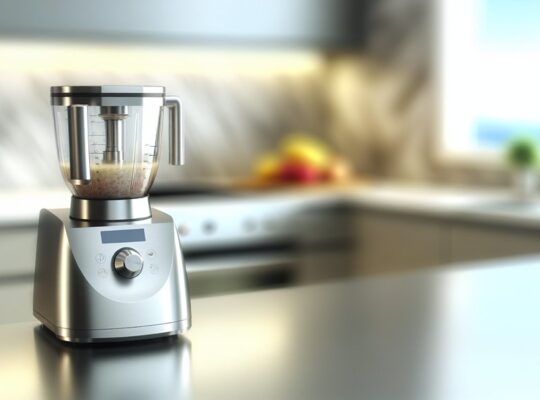
You’ll want a mixer grinder wattage that matches the jobs you do most, not the highest number on the box. Look at continuous (not peak) watts, typical tasks—wet grinding, dry grinding, chutneys, or heavy kneading—and how often you’ll run it; 300–500 W suits light occasional use, 500–750 W works for regular family cooking, and 750–1200 W handles large batches and hard ingredients. Consider motor torque, cooling and safety features, then decide—here’s how to pick precisely.
Key Takeaways
- Match wattage to typical loads: 200–500 W for light tasks, 500–750 W for routine family use, 750–1200 W for heavy frequent loads.
- Prefer continuous (rated) watts over peak figures and verify manufacturer specifications and certifications.
- Ensure motor design and build (brushless, bearings, cooling, metal housing) complement wattage for torque and longevity.
- Check safety features: thermal cutoff, overload/auto-reset, and appropriate circuit/plugs rated for the motor’s current.
- For ice, whole grains, or large batches choose ≥700 W with robust duty-cycle ratings to avoid stalls and overheating.
Understanding Mixer Grinder Wattage and What It Really Means

What does wattage actually tell you about a mixer grinder? It indicates electrical power consumption and the motor’s capacity to perform work. Higher wattage generally means the motor can handle tougher loads, sustain higher torque, and run longer without strain. You should use wattage as one metric among others: motor build, thermal protection, and duty cycle ratings. For safety, ensure the appliance’s circuit and plug match rated amperage, and look for overload cutoff or auto-reset features. Wattage alone won’t predict longevity or noise; check bearings and insulation quality too. When comparing models, verify declared watts are continuous power, not peak. Prioritize units with clear safety certifications and manufacturer specifications you can validate. Also consider practical features like heavy-duty jars and sturdy blade construction that improve real-world performance.
Wattage Ranges: Matching Power to Everyday Kitchen Tasks

Wondering which wattage fits your daily cooking needs? For light tasks—chopping herbs, grinding soft fruits, or preparing small chutneys—look at 200–500 W units; they’re efficient, use less energy, and generate less heat. For routine family cooking—blending batters, wet grinding idli/dosa batter, or crushing ice occasionally—choose 500–750 W for reliable performance without overstressing the motor. For heavy-duty, frequent use—large batch grinding, hard spices, or continuous operation—opt for 750–1200 W to maintain torque and reduce thermal strain. Match wattage to typical load and duty cycle: higher wattage reduces stall risk but may draw more current. Always follow manufacturer-rated capacities and duty-time limits to avoid overheating and ensure safe operation. Many Kenstar models also offer multi-function jars that increase versatility across these wattage ranges.
How Motor Type and Build Affect Performance Beyond Wattage

How do motor design and build quality change what a mixer grinder actually delivers, even when wattage numbers match? You’ll see differences in torque, heat management, and longevity. Brushless motors give more consistent torque at lower RPM, run cooler, and require less maintenance than brushed motors. Quality bearings and tighter tolerances reduce vibration and wobble, lowering risk of jar failure and motor wear. Better insulation, cooling vents, and thermal cutoffs protect against overheating—critical for safety during long or heavy jobs. Metal housings and robust mounts dissipate heat and resist deformation; cheap plastics can warp and misalign shafts. When comparing models, check motor type, service cycle ratings, and safety features (thermal cutoff, overload protection). Those specs predict real-world reliability beyond headline wattage. Many popular models also balance noise reduction with performance by using design features like Vent-x technology to improve longevity and reduce operational noise.
Practical Tips for Choosing Wattage Based on Your Cooking Habits

Now that you know motor design and build affect torque, heat management, and durability beyond wattage, pick a power level that matches how you actually cook. Assess frequency, batch size, ingredient toughness, and desired speed. Choose higher wattage for dense or frequent heavy tasks; lower wattage works for light, infrequent use. Prioritize consistent torque over peak watts.
- Daily large batches (purees, nut butters): 750–1200 W
- Frequent medium tasks (dough, chutneys): 500–750 W
- Occasional light tasks (spices, small chutneys): 300–500 W
- Tough ingredients (ice, whole grains): prefer ≥700 W with robust motor
- Speed-sensitive tasks (smooth textures quickly): higher wattage and steady torque
Match wattage to use to reduce overload risk and improve longevity while keeping safe operation. A good choice is to consider reputable brands with 750-watt motors and built-in safety features to ensure durability and performance.
Maintenance, Warranty and Safety Considerations for High-Load Use

Want to keep your mixer grinder reliable under heavy use? You should schedule simple maintenance: clean blades and vents after every use, tighten mounts weekly, and replace worn gaskets and seals every 6–12 months. Run periodic load tests (5–10 minutes at rated wattage) to detect overheating; record motor temperature and noise levels. Choose models with thermal overload protectors and serviceable motors; these cut failure rates by up to 40% in heavy-use settings. Keep warranty documents and log serial numbers; note that many manufacturers void warranties if you exceed duty cycles or use nonstandard jars. For repairs, use authorized centers to preserve coverage and safety certifications. Finally, install on a stable, ventilated surface, avoid water exposure, and unplug before servicing. Also consider selecting a model with 750W motor for more reliable performance under heavier loads.
Frequently Asked Questions
Can Wattage Affect Noise Levels During Operation?
Yes — higher wattage motors can produce more noise due to greater power and torque, but design, motor type, and insulation matter most. You’ll want a balance: adequate wattage with quality build and noise-reducing features for safety.
Does Higher Wattage Increase Electricity Bills Significantly?
Higher wattage can raise bills, but not dramatically if usage is short; a 750W motor draws more power than 500W, so long grinding increases cost—use shorter runs, pulse mode, and efficient motors to limit expense.
Are There Attachments-Specific Wattage Recommendations?
Yes — attachments need specific wattage ranges: heavy-duty jars (wet grinding, chutneys) work best with 500–750W, dry grinding/light blending can use 300–500W, and juicer/food-processor tasks often require 700W+, ensuring safe operation.
How Does Altitude or Voltage Fluctuation Impact Performance?
Altitude and voltage drops lower motor cooling and torque, so your grinder may run hotter, slower, or stall; you should use higher-rated wattage, voltage stabilizers or surge protectors, and follow manufacturer safety and duty-cycle limits.
Can Low-Wattage Grinders Be Used Commercially?
No — you shouldn’t use low-wattage grinders commercially; they’ll overheat, wear faster, handle small batches poorly, and increase safety risks. Choose higher-wattage, duty-rated models with thermal protection for reliable, safe continuous commercial use.