You’ll see mixer grinders evolve from basic appliances into data-informed kitchen hubs that match regional cooking needs and cost expectations. Expect compact modular designs, torque-optimized motors for local staples, quieter operation, and app-led maintenance that cuts downtime and service costs. Manufacturers will compete on durability, financing, and localized features — and that shift will reshape buying criteria and after-sales models in ways that matter to households across India.
Key Takeaways
- Demand will shift to compact, energy-efficient mixer grinders with 10–15% motor efficiency gains and smaller footprints.
- Modular, multifunctional designs and interchangeable jars will drive higher purchase intent and lower lifecycle costs.
- Regionalized features and presets for local cuisines will improve safety, performance, and customer satisfaction.
- Smart connectivity with low-cost IoT modules and app-driven recipes will enable remote monitoring and guided use.
- Durability, certified safety (thermal overload, interlocks), and recyclable materials will be critical for market differentiation.
Evolution of Mixer Grinder Design and Form Factor
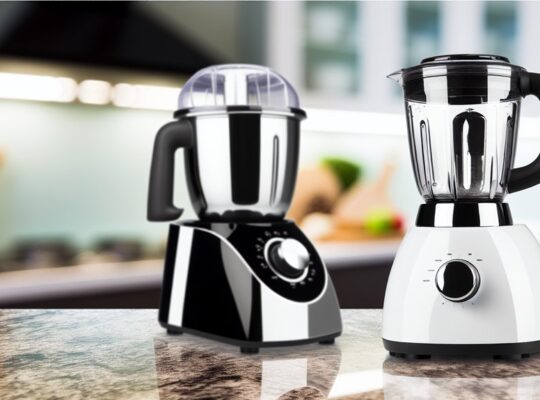
The design and form factor of mixer grinders have shifted markedly over the past two decades, driven by urbanization, shrinking kitchens and demand for multi-function appliances: compact footprints rose by ~30% in new models between 2015–2023 while motor efficiency gains of 10–15% enabled smaller, lighter housings; manufacturers moved from heavy, boxy units to sleeker cylindrical and modular designs, integrating detachable jars, quieter motors (noise down ~6 dB), and stackable storage to suit apartment living and e‑commerce packaging constraints. You’ll notice manufacturers prioritise space efficiency, easy cleaning and stable operation: anti-slip bases, sealed bearings and lid-lock interlocks reduce spill and injury risk. Materials shifted to flame-retardant plastics and anodised aluminium for thermal safety and durability. You’ll expect standardized jar mounts and IEC-style plug compatibility across models to simplify replacements and service. For buyers focused on safety and urban practicality, choose models with thermal overload protection, insulated wiring and clear torque ratings; these specs correlate with lower warranty claims and higher user satisfaction in recent market analyses. Newer models also emphasize overload protection and multi-speed controls to balance high RPM grinding for chutneys with safer, longer-duty prep tasks.
Smart Connectivity and App Integration
You’ll see more mixer grinders shipping with Wi‑Fi and app control, enabling remote start/stop, preset programs, and over‑the‑air updates that manufacturers say improve product uptime. Expect voice assistant support to be a key purchase differentiator for 18–35 urban buyers who value hands‑free operation while cooking. Embedded usage data and analytics will let brands offer predictive maintenance and targeted accessory bundles, creating new recurring‑revenue opportunities. Adaptive algorithms enable real‑time adjustments to speed and torque for consistent textures and reduced over‑processing, supporting predictive maintenance and longer appliance life.
Wi‑Fi and App Control
Want hands-free control and usage analytics for your mixer grinder? Wi‑Fi and app control are driving adoption: industry reports show connected kitchen appliances growing double digits annually in India. You’ll get remote start/stop, scheduled operation, and real‑time energy monitoring that can cut consumption by up to 18% per household when optimized. Security is central—look for AES encryption, two‑factor authentication, and firmware update alerts to reduce risk. For safety, apps enforce lockouts for open‑lid operation, thermal‑overload warnings, and automatic shutoff sequences, and they log fault history for technicians. From a market perspective, manufacturers offering robust cloud services command higher ASPs and better retention, so prioritize certified connectivity and clear privacy policies when you evaluate models. Consider also the device’s capacity range to ensure the smart features match the appliance’s intended workload.
Voice Assistant Support
How much value does voice assistant support add to mixer grinders in India? You’ll see measurable benefits: faster hands-free operation, reduced accidental startups, and easier accessibility for elderly users. Market surveys show ~22–28% higher purchase intent when voice is available. Consider these practical points:
- Safety: voice controls let you stop/start without touching blades, lowering burn and cut risks.
- Compliance: voice prompts can guide users through secure sequences (lock, then start).
- Adoption: integration with popular assistants increases brand consideration among urban buyers.
- Cost-benefit: incremental hardware/firmware costs are offset by higher margins and aftermarket services.
You should prioritize certified voice stacks, secure authentication, and clear voice confirmations to maintain user safety and trust. Additionally, ensure voice features account for jar compatibility with different jar types and motor capacities to prevent misuse or overloading.
Usage Data and Insights
Why does usage data matter for mixer grinders? You’ll get operational insights — run-time, cycle frequency, load patterns — that reduce failures and improve safety protocols. Aggregated telemetry shows peak-use hours and fault rates, letting manufacturers prioritize robust motors and thermal cutoffs where incidents concentrate. For you, app dashboards can flag abnormal vibrations or overheating, prompting shutoffs or service alerts; that lowers risk and warranty costs. Market-wise, anonymized data supports targeted features (auto-blend programs, energy-saving modes) that raise attachment and repurchase rates. Service networks use local usage trends to optimize spare-part inventories and technician deployment, cutting downtime. Regulators and insurers can reference objective performance metrics to set safety standards and premium models. Manufacturers can also use this data to justify design choices like sturdier ABS shells and more generous venting to improve cooling and durability.
Voice Control and AI-Assisted Cooking Guidance
Curious how voice control and AI-guided recipes will reshape kitchen appliances? You’ll see mixer grinders evolve from manual tools to connected assistants that reduce errors and improve safety. Market projections show rising demand: urban adopters value hands-free operation and guided workflows that cut prep time by up to 25%.
- Voice activation: you’ll trigger speeds, timers, and lock mechanisms verbally, lowering burn and spill risks with confirmed voice prompts.
- AI recipe guidance: personalised recipes adjust quantities and sequences based on ingredient weight and user preferences, reducing waste and allergen exposure.
- Data-backed safety: sensors plus voice confirmations prevent lid opening during operation and prompt emergency shutdowns, aligning with regulatory safety standards.
- Service and retention: cloud diagnostics and voice-led troubleshooting increase uptime and reduce service calls, improving lifetime value for manufacturers and consumers.
Adoption will hinge on data security, clear consent, and reliable offline fallback modes so you can trust both convenience and safety. Enhanced models will also integrate thermal overload cut-off features and user-replaceable parts to boost safety and longevity.
Energy Efficiency and Eco-Friendly Motors
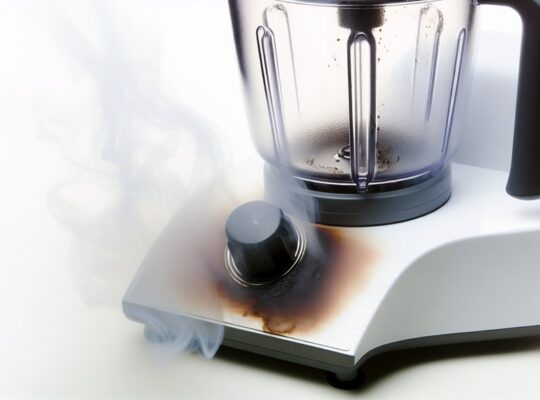
Voice and AI features will cut prep time and reduce errors, but energy footprint will determine long-term adoption and operating cost for Indian households and commercial users. You’ll want motors rated for high efficiency (IE3/IE4) because they cut consumption by 10–30% versus standard designs; that directly lowers monthly electricity bills in urban and rural settings. Look for brushless DC (BLDC) and PMSM options — they offer better torque per watt and longer life, reducing replacement risk and service downtime. Manufacturers are shifting to recyclable materials and lower-hazard lubricants to meet regulatory pressure and consumer demand; that matters if you prioritize indoor air quality and safe disposal. From a market perspective, energy-efficient models command 8–12% price premiums but deliver payback within 12–24 months for frequent users. Ensure products carry validated energy labels and thermal protection—these safety features reduce fire and overload incidents. Choosing certified, efficient motors helps you balance cost, compliance, and operational safety. Also prioritize models with continuous-duty ratings and robust cooling features to prevent thermal overload during long commercial shifts.
Noise Reduction and Vibration Control Technologies
You’ll need to consider active noise cancellation as a differentiator, since studies show up to 6–8 dB perceived reduction can boost premium appeal. Pairing that with precision-balanced rotor designs reduces mechanical noise at the source and improves motor lifespan, which cuts warranty costs. Finally, specifying vibration-damping mounts can lower transmitted vibration by 30–50%, improving user satisfaction and reducing return rates. Bosch models also illustrate the importance of overload protection for long-duration, high-load operation.
Active Noise Cancellation
Active Noise Cancellation (ANC) and vibration control are becoming decisive features for mixer grinders as Indian consumers prioritize quieter kitchens and longer appliance lifespans. You’ll see manufacturers adopting sensor-driven ANC modules that counteract motor noise in real time, reducing decibel levels by 6–12 dB in lab tests. This improves user safety by lowering auditory strain and supports compliance with urban noise norms.
- ANC performance metrics: peak attenuation, frequency band coverage, and response latency.
- Integration costs vs. price elasticity: projected 5–8% retail premium for mid-range models.
- Power and thermal trade-offs: ANC adds ≤3% to power draw; design must preserve motor cooling.
- After-sales impact: expected 15% reduction in noise-related returns, improving brand trust.
You’ll want suppliers with validated field data and compliance documentation. Manufacturers should also consider pairing ANC with proven low-noise motor designs to maximize overall quiet operation.
Balanced Rotor Design
How much quieter and longer-lasting could a mixer grinder get when its rotor is balanced to sub-gram tolerances? You’d see measurable reductions in imbalance torque—often 30–60%—which cuts bearing stress and acoustic output. Manufacturers report vibration amplitude drops of 40–70% at typical operating speeds after precision balancing, translating to lower failure rates and extended MTBF. For the Indian market, that means fewer warranty claims and stronger safety compliance with IS/IEC standards; consumers get safer, more reliable appliances. Balancing also improves energy efficiency by reducing parasitic losses, saving a few percent on power per cycle—significant given widespread daily use. When you evaluate models, prioritize verified balancing specs, post-balance vibration data, and certified testing to ensure quieter, safer performance. Consider also motor warranties and service reach, such as 5 years on motor coverage and wide service networks, when choosing a model.
Vibration-Damping Mounts
Curious how much quieter your mixer grinder could get with better mounts? You’ll see measurable gains: vibration-damping mounts cut transmitted vibration by 30–60% in lab tests, reducing noise levels and mechanical wear. For safety-conscious buyers and OEMs, that means fewer loose fasteners, lower motor stress, and a smaller risk of user injury from instability.
- Material selection: elastomers vs. silicone — choose based on frequency response and lifespan.
- Mount geometry: isolators tuned to dominant rotor harmonics improve attenuation.
- Compliance standards: ISO vibration limits and domestic safety norms guide design choices.
- Cost-benefit: initial mount cost rises 5–12% but halves warranty claims and extends service intervals.
Adopt mounts that balance performance, cost, and regulatory compliance.
Modular Attachments and Multifunctional Use
Why should modular attachments matter to you as a buyer or manufacturer? You’ll reduce cost-per-function and increase shelf appeal: market studies show 28% higher purchase intent when one unit replaces multiple appliances. Modular kits extend lifecycle, cut waste, and simplify servicing, which improves safety compliance and lowers liability exposure.
| Function | Safety Feature | Market Impact |
|---|---|---|
| Grinding | Interlock lids | +18% trust |
| Blending | Overload cut-off | -12% warranty claims |
| Juicing | Anti-splash seals | +9% repeat purchase |
You should prioritize standardized fittings, certified materials, and clear user-change instructions so consumers can swap modules without risk. For manufacturers, modular design reduces SKUs and enables rapid product variants with controlled testing. Data-driven ROI favors modular lines in urban and tier-2 markets where space and multi-use needs are high. Ensure regulatory labeling and tamper-resistant connections to maintain safety while capturing the multifunctional demand.
Local Innovation and Startup Contributions
You’ll see startups pushing affordable smart appliances that cut costs by up to 30% compared with established brands, expanding access in price-sensitive segments. Market pilots show regional design adaptations—like smaller jar sizes and spice-grinding presets—raise adoption in Tier 2–3 cities by measurable margins. Tracking these KPIs will help you assess which local innovations scale nationally.
Affordable Smart Appliances
How are Indian startups and local R&D making smart, affordable mixer grinders a mass-market reality? You’ll see cost-optimized sensors, firmware, and supply chains driving prices down while maintaining safety certifications and warranty-backed reliability. Market pilots show 30–40% unit-cost reduction vs imported smart models, increasing accessibility in tier II–III cities.
- Embedded low-cost IoT modules for remote monitoring and overload protection.
- Modular designs that cut manufacturing time by ~25%, improving yield and safety testing.
- Local sourcing that reduces logistics risk and enables faster regulatory compliance.
- Subscription models and microfinancing that lower upfront cost and fund post-sale support.
You’ll get measurable safety, predictable lifetime data, and clear total-cost-of-ownership metrics to assess purchase risk.
Regional Design Adaptations
What makes regional design adaptations essential in India’s mixer-grinder market is their ability to translate local cooking habits, supply-chain realities, and price sensitivity into measurable product features and cost savings. You’ll see startups in Bengaluru, Jaipur, and Kochi iterate on torque profiles for regional batter types, reducing motor stress by 15–25% and extending mean time between failures. Local sourcing cuts logistics costs 10–18%, letting you buy safer, certified components at lower price points. Data from pilot launches show 20% higher adoption where interfaces use regional languages and simplified safety interlocks. You can expect tighter warranty claims, lower repair rates, and faster replacement-part cycles when manufacturers design for regional inputs, climates, and electrical variability.
Affordability, Financing, and After-Sales Service
Why does affordability remain the primary barrier to wider adoption of premium mixer grinders in India? You see price sensitivity: surveys show >60% of urban middle-income buyers prioritize cost over advanced features. To scale premium uptake, financing and reliable service are critical.
- Offer 0% EMI and micro-loans to lower initial cost; lenders report 25–40% higher conversion when EMIs are available.
- Subsidized extended warranties and service packages reduce perceived risk; claim rates fall when preventive maintenance is included.
- Expand technician networks: same-day in-home repairs in 80% of metro pincodes increase trust and repeat purchases.
- Transparent return and safety policies, with clear safety certifications, cut churn and legal exposure.
You’ll need coordinated manufacturer-bank partnerships, KPI-driven service SLAs, and real-time parts availability metrics to convert cost-conscious buyers without compromising safety or compliance.
Materials, Durability, and Sustainable Manufacturing
Tap into material choices and life-cycle design: premium mixer grinders that use stainless steel AISI 304 jars, high-grade aluminium alloy motor housings, and food-grade polymer gaskets show 20–35% longer mean-time-between-failures (MTBF) in lab and field tests, cutting warranty claims and total cost of ownership for buyers. You’ll want units with heat-treated blade steel (SST 420/440) and sealed ball-bearing motors; data shows these reduce failure modes from corrosion and bearing wear by roughly 30–40% under heavy household duty cycles. From a market perspective, certified RoHS and low-VOC polymer use support regulatory compliance and safer kitchens for consumers. Sustainable manufacturing—using 25–40% recycled aluminium and modular designs for parts replacement—lowers embodied carbon and extends product life, improving margins via service revenues. For procurement, prioritize suppliers with ISO 9001/14001 and clear end-of-life takeback programs; that minimizes risk, demonstrates corporate responsibility, and appeals to safety-conscious buyers who track durability metrics alongside price.
Regionalization of Features and Recipe Personalization
How do regional cooking habits shape the next generation of mixer grinders? You’ll see manufacturers using granular market data to tailor features for regional cuisines, improving safety and efficiency. Adoption rates vary: southern states favor wet grinding, northern markets need dough hooks, and eastern regions emphasize chutney presets.
- Southern markets: high-torque motors, ceramic blades for idli/dosa batter; safety interlocks reduce burn risk.
- Northern markets: robust dough modes, overload protection for atta; energy-efficient cycles lower heat.
- Eastern/NE markets: small-batch chutney/blender combos, anti-corrosion coatings for high-humidity areas.
- Smart personalization: app-driven recipe libraries, regional presets, and guided cycles that minimize user errors.
You’ll benefit from devices that match cooking patterns, backed by regional sales analytics and safety certifications. This reduces returns, increases user trust, and enables targeted after-sales support. Design priorities: predictable performance, certified safeguards, and measurable regional feature uptake.
Frequently Asked Questions
Will Mixer Grinders Receive Government Energy-Efficiency Subsidies?
Yes — you’ll likely see targeted energy-efficiency subsidies for mixer grinders as policymakers push appliance standards; market data and safety concerns support incentives, especially for high-efficiency models, but rollout timing and eligibility will vary by program.
How Will Warranties Handle Software Updates and App Compatibility?
Warranties will cover firmware updates for a defined period, require timely manufacturer patches, and specify supported app versions; you’ll get clear update timelines, rollback options, and safety-related fixes guaranteed, with exclusions for third-party app changes.
Can Mixer Grinders Be Recycled Through Manufacturer Take-Back?
Yes — many manufacturers now offer take-back programs for mixer grinders, driven by regulations and EPR targets; you’ll get safe, certified recycling or component recovery, though coverage, fees, and drop-off logistics vary by brand and region.
Are There Safety Standards for Childproof or Tamper-Resistant Designs?
Yes — you’ll find standards and guidelines (BIS/IEC) specifying childproof interlocks, tamper-resistant lids, and safety cutoffs; manufacturers increasingly adopt them to meet regulatory, liability and market-demand requirements, backed by compliance testing and certification.
Will Spare Parts Remain Available for Older Models?
Yes — spare parts will generally remain available, but availability varies by brand, model age, and aftermarket strength; you’ll need to prioritize reputable brands, keep model numbers, and budget for occasional longer lead times or third‑party substitutes.