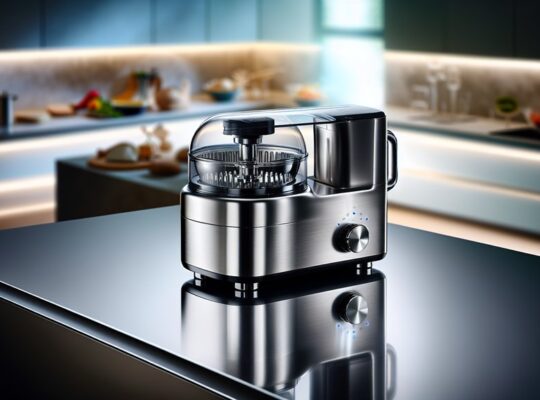
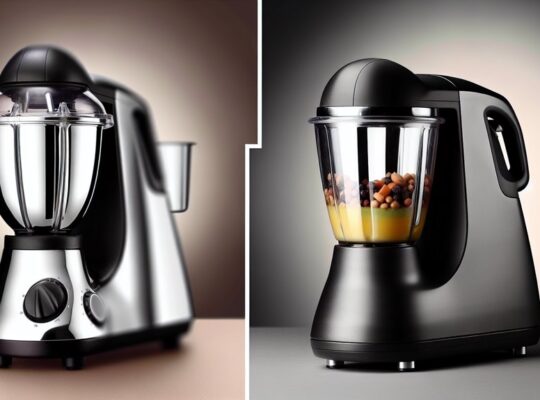
If you live in a noise-sensitive home, you’ll want a mixer grinder that runs smoothly and stays quiet under load. Focus on brushless or copper-wound motors, anti‑vibration mounts, balanced housings, and well-sealed jars and lids. Look for measured under-load decibel figures from independent tests, multiple speed/gear options, and secure jar locks. I’ll outline top features and models that actually cut noise without compromising performance.
Key Takeaways
- Prioritize models with published sound measurements in the 60–75 dB range under load, not vague “low-noise” marketing claims.
- Choose brushless or copper-wound motors and high-torque, low-RPM designs to reduce vibration and high-frequency noise.
- Look for anti-vibration mounts, rubber feet, and heavy, well-balanced housings to prevent walking and dampen noise.
- Prefer thick stainless-steel or high-quality jars with precision-balanced blades and snug base fit to minimize rattling.
- Seek overload protection, secure lid locks, selectable speeds/pulse, and reliable warranties for safe, consistently quiet long-term use.
Choosing a Quiet, Safe Mixer Grinder
Looking for a mixer grinder that won’t rattle the whole house? You want a machine that balances low acoustic output with reliable performance, durable construction, and safe operation. Start by prioritizing decibel ratings: units that advertise 60–75 dB in normal operation will be noticeably quieter than typical models that run above 80 dB. Look for manufacturers that publish measured sound levels under load rather than vague “low-noise” claims. Independent lab tests or reputable consumer reviews are the best evidence you’ll find; they show how noise varies with speed, load, and jar type.
You’ll also want to evaluate motor design and mounting. Brushless or copper-wound motors tend to run smoother and with less vibration than cheap universal motors. Anti-vibration mounts, rubber feet, and a heavy, well-balanced housing cut both noise and the risk of the unit walking during use. Check that the company provides specifications for motor power and torque; a more powerful motor running at lower RPMs can grind effectively while producing less high-frequency noise. Evidence from product teardowns and technical reviews supports this trade-off.
Safety features matter for quieter kitchens because you’ll likely use your grinder for longer runs to avoid high-speed noise bursts. Look for overload protection, thermal cutoffs, and secure jar locks that prevent accidental detachment mid-cycle. A sturdy lid with a positive locking mechanism and a gasket reduces air escape and splatter, which also lowers perceived noise. Confirm that components in contact with food are BPA-free and meet food-safety standards; quieter units sometimes use denser plastics or insulated housings that are safer over time.
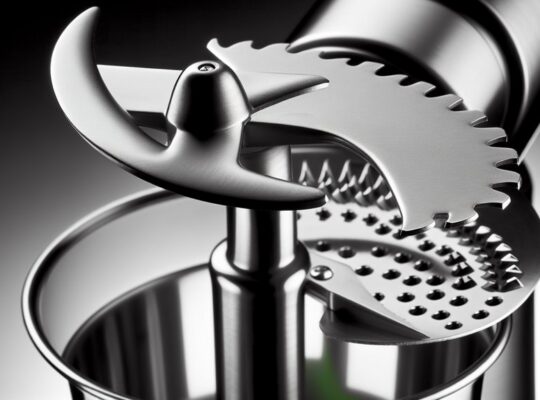
Consider jar material and blade quality. Thick stainless-steel jars damp vibration better than thin metal or plastic alternatives, and they resist deformation that increases noise. Precision-balanced blades reduce wobble and mechanical noise; manufacturers that provide balance specifications or run-in procedures are preferable. You should also verify that the jars fit snugly on the base with minimal play—loose fittings are a common source of rattling and a safety concern if the jar shifts during operation.
Think about usage patterns. If you grind wet batter and dry spices in the same unit, choose a model with selectable gear or speed ranges so you can use lower speeds for noise-sensitive tasks. Look for clear control interfaces that let you maintain consistent, safe speeds without guesswork. Timers and pulse functions give you control over duration and reduce the temptation to run at noisy high speeds.
Finally, check warranty terms and after-sales support. A longer warranty and accessible service centers reduce safety risks from neglected repairs and worn mounts that increase noise. Read verified user experiences focusing on longevity and noise over months, not just first impressions. That evidence will guide you to a mixer grinder that keeps your kitchen calm, performs reliably, and maintains safe operation over time. Also consider models like the Silent Power Sunmeet 750-watt option if you want a balance of power and low noise.
Frequently Asked Questions
Can I Run a Mixer Grinder Overnight Safely?
You shouldn’t run a mixer grinder overnight unattended. It can overheat, cause motor damage or fire risk. If you must run long tasks, use timers, check ventilation, keep it on a stable surface, and never leave it alone.
Do Noise-Dampening Mats Reduce Vibration Noise Effectively?
Yes — they’ll reduce vibration noise noticeably if you pick dense, anti-slip mats and place the grinder squarely on them; they won’t eliminate motor noise, so combine with regular maintenance and safe operation to maximize quieting.
Are Cordless Mixer Grinders Quieter Than Corded Ones?
Usually, cordless models aren’t consistently quieter than corded ones; you’ll find some quieter cordless designs, but noise primarily depends on motor type, speed and build. Choose units with brushless motors, lower RPMs, and robust damping for safer operation.
How Do I Soundproof the Kitchen Cheaply for Appliances?
You can reduce appliance noise cheaply: add dense rubber feet, stick acoustic foam or mass-loaded vinyl inside cabinets, seal gaps with weatherstripping, use a thick rug or anti-vibration mats, and isolate appliances on sturdy platforms to cut vibration.
Will Frequent Use Void the Warranty for Noise Complaints?
No — frequent use alone won’t void a warranty for noise complaints, unless misuse or lack of maintenance caused damage; you should follow care instructions, keep receipts, and report issues promptly so manufacturers can assess legitimate defects.