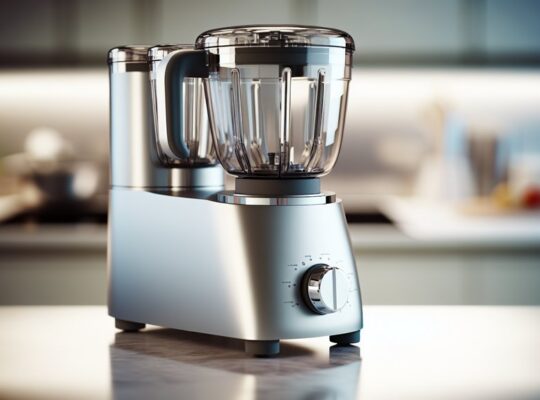
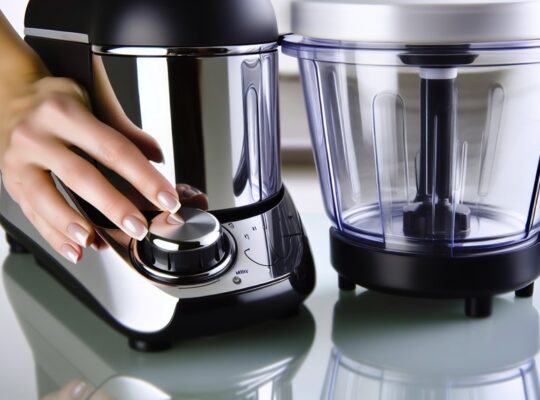
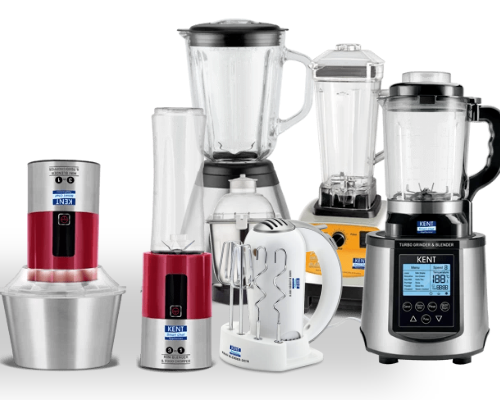
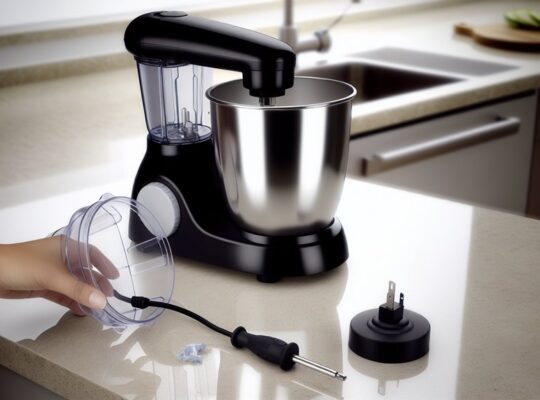
If you want a grinder that handles only dry spices and flours, focus on high-RPM motors, hardened stainless-steel blades, sealed small jars, and a balanced rotor to cut heat and dust. Look for thermal cutoff, anti-slip feet, and removable, dishwasher-safe parts so maintenance stays simple. Prioritize brands with good warranties and spare-part support—there’s more to pick than just power, and choosing wrong can ruin texture and aroma.
Key Takeaways
- Choose high-RPM motors with overload protection to grind dry spices quickly without overheating or burning aromatics.
- Prefer hardened, multi-tiered stainless-steel blades that shear spices efficiently and run cooler.
- Include at least one small, tight-seal spice jar and a slightly larger jar for small pulse batches to minimize residuals.
- Look for sealed jars, clear lockable lids, anti-slip feet, and balanced rotors to reduce dust, vibration, and noise.
- Opt for removable or dishwasher-safe blade assemblies, corrosion-resistant materials, and a solid warranty for easy maintenance and support.
Choosing the Right Grinder for Dry Spices
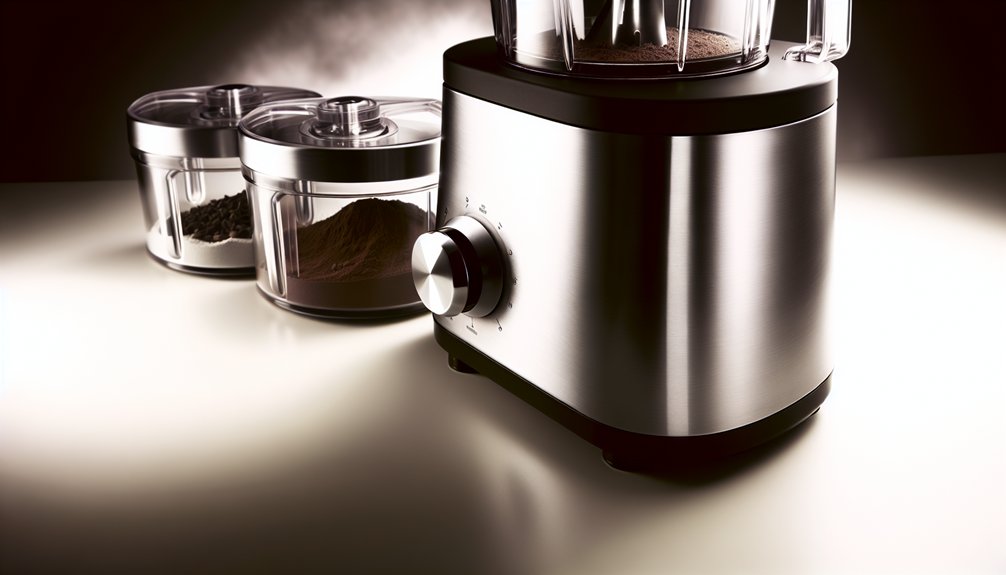
Looking to grind dry spices and pulses without the hassle of wet batching? You’ll want a grinder that’s powerful, durable, and safe to use in a small, controlled routine. Focus on models with high-RPM motors, hardened stainless-steel blades, and sealed jars that prevent dust escape. You’re safer with a machine that has overload protection and a sturdy base so it won’t walk on the counter when you’re blitzing whole spices. Look for grinders with clear lids and secure locks so you can monitor consistency without risking spills.
You’ll want to evaluate capacity carefully. Small jars are ideal for spices and single-serve pulse grinding; they reduce residual hold-up and let you grind to fine powder without overloading the motor. Too large a jar increases heat and wear when you’re processing small quantities. Opt for a set that includes a small, tight-seal spice jar and a slightly larger jar for pulses. That combination gives you flexibility and minimizes wasted oil transfer between batches.
Blade design matters. Choose units with multi-tiered, angled stainless blades that shear efficiently rather than just chopping. Efficient blades cut faster and run cooler, preserving volatile aromatics in spices while lowering motor stress. Check that blades are removable or built into a simple, sealed assembly for easy cleaning — you don’t want to pry around a fixed blade where residue can trap and harbor contaminants. In terms of materials, food-grade, corrosion-resistant steel and BPA-free, heat-resistant plastics are your safest bet.
Noise and vibration are practical safety concerns. High-RPM grinders can be loud; a well-balanced rotor and anti-slip feet reduce vibration and accidental shifting. If noise is a concern, compare decibel ratings or user reports; sometimes a slightly lower RPM with efficient blades gives the same result with less racket. Also prioritize motors with thermal cutoff and automatic shutoff for overload — those features prevent overheating and strokes from unattended use.
Ease of maintenance reduces risk. Models with simple jar-lid seals, detachable blades, and dishwasher-safe parts will cut your cleaning time and decrease cross-contamination risk. Always inspect seals and gaskets for wear and replace them as needed. Finally, consider warranty and customer support: reliable after-sales service can be crucial if a safety feature fails. With these criteria, you’ll choose a mixer grinder that’s compact, efficient, and designed to keep you safe while producing consistent, finely ground dry spices and pulses. A durable stainless steel jar will resist corrosion and is generally the best choice for dry grinding.
Frequently Asked Questions
Can I Grind Coffee Beans in a Spice-Only Mixer Grinder?
Yes — you can, but check capacity and blade design first. You’ll get oily residues and fine dust; clean thoroughly between uses to avoid flavor carryover and overheating. Pulse in short bursts for consistent grind and safety.
Is Oil-Free Seasoning Possible Using These Grinders?
Yes — you can achieve oil-free seasoning with these grinders if you use only dry ingredients, avoid oily seeds, and clean blades frequently; you’ll get safe, dry powders but should monitor heat buildup to prevent flavor alteration or clumping.
How Long Do Spice Grinder Blades Typically Last?
They typically last 1–5 years depending on frequency, grind hardness, and maintenance; if you use coarse spices often, expect faster dulling. You’ll prolong life by avoiding moisture, sharpening/replacing blades when performance drops.
Are These Grinders Safe for Grinding Chilies Without Odor Transfer?
Yes — if you clean thoroughly and designate one jar for chilies, you’ll avoid odor transfer. Use stainless steel jars, wipe seals, run rice between batches, and replace worn blades or gaskets to maintain safe, odor-free grinding.
Can I Use Frozen Spices in a Dry-Only Grinder?
You shouldn’t use frozen spices in a dry-only grinder; they can damage blades, clog vents, cause uneven grinding and moisture buildup that promotes clogs or rust. Thaw and fully dry spices first, then grind in short bursts.