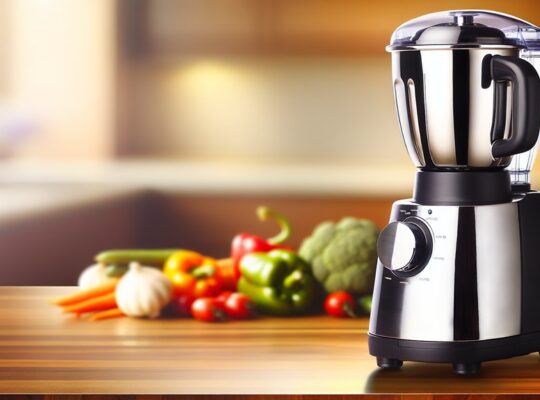
If you’re choosing a mixer grinder as a senior or buying one for an older loved one, you’ll want something safe, simple, and comfortable to use. Look for large, high-contrast controls, easy-lock lids, and lightweight jars that won’t strain the wrist. Quiet, steady motors and clear safety interlocks matter too. I’ll outline the practical features and top models that make daily kitchen tasks easier and safer—so you can pick with confidence.
Key Takeaways
- Choose models with large, tactile controls, single-speed or simple knob and clear labels for easy operation.
- Prioritize safety features: interlock lids, auto-shutoff for misalignment, thermal overload protection.
- Opt for lightweight plastic or medium-weight stainless jars with wide ergonomic handles and non-slip grips.
- Select motors of 500–750W with soft-start and quiet drive to balance power, noise, and stability.
- Check service, warranty (1–2 years), spare-part availability, and front-facing reviews from other seniors.
Why Senior-Friendly Design Matters for Mixer Grinders
Why should you care about senior-friendly design in a mixer grinder? You’ll rely on kitchen tools that keep tasks simple, steady, and safe as mobility, strength, or eyesight change. A design focused on seniors reduces accidental spills, strain, and frustration so you can maintain independence and confidence while cooking. Thoughtful layouts, clearer markings, and ergonomic handles cut down on awkward grips and repetitive motions that tire hands and wrists.
When controls are intuitive and feedback is immediate, you won’t be guessing settings or wrestling with lids mid-use. Stable bases and balanced jars help prevent tipping, and straightforward assembly means fewer fiddly parts that can become barriers. Choosing equipment that respects slower movements and limited reach reduces risk without slowing you down. Ultimately, a senior-friendly mixer grinder supports dignity and everyday safety, letting you enjoy meal prep with less worry and more control. Philips models often include advanced safety features and quieter motors that benefit older users, such as overload protection, enhancing reliability and ease of use.
Key Safety Features to Look For
When choosing a mixer grinder, you’ll want controls that are large, clearly labeled, and simple to operate so you can adjust speeds without strain. Also look for built-in safety locks and auto-shutoff features that prevent the jar from spinning or the motor from running if a lid isn’t secure or the unit is overheated. Inspect cords regularly for frays or damage and ensure the appliance is plugged into a properly grounded outlet.
Easy-to-use Controls
How do you make sure a mixer grinder is really safe and simple for daily use? You’ll want controls that are large, clearly labeled, and tactile so you can operate without straining your eyes or fingers. A single-speed dial with a stop position is easier than multiple tiny buttons. Look for raised markings, audible clicks, and a short, gentle torque on start so it doesn’t jerk. Programmable presets should be minimal and obvious. Placement matters: controls should sit on the front, within easy reach, not on top or the back.
A robust motor with good heat management helps ensure safe, reliable operation during longer grinding tasks.
| Feature | Why it helps |
|---|---|
| Large dial/button | Easy to see and grip |
| Clear labels | Reduces mistakes |
| Audible feedback | Confirms operation |
Built-in Safety Locks
Want to make sure the mixer grinder is truly safe for daily use? Built-in safety locks are essential — they stop the motor unless jars are properly seated and lids are secured, preventing accidental starts and spills. Look for interlock systems that click solidly into place and won’t allow operation if a jar’s misaligned. Some models add lid-lock indicators or a secondary safety button you must press to start, which reduces mistakes if your hands are unsteady. Also check for automatic shut-off if the lid opens or the jar is removed while running. You’ll want durable lock mechanisms that feel reliable over time, not flimsy plastics that wear out. These features give you peace of mind and a safer kitchen routine. Choose jars and locks compatible with stainless steel jars and durable blades for best longevity.
Easy-to-Use Controls and Ergonomics
Ever struggle with tiny switches or complicated dials? You’re not alone, and choosing a mixer grinder with large, well-spaced buttons or a single-speed/variable knob can make daily use safer and less frustrating. Look for controls with clear, high-contrast markings and tactile feedback so you can feel selections without straining your eyes. A simple on/off and a few speed settings cover most tasks and reduce mistakes.
Ergonomics matter: a stable base with rubber feet prevents slipping, and an easy-grip handle on the main unit helps you position and remove jars without awkward twisting. Controls placed at the front or top are easier to reach from a seated position. Lights that indicate power or lock engagement give immediate visual confirmation, lowering risk. Choose models with intuitive layouts and testing options like a momentary pulse switch so you can start, stop, or adjust quickly. These small design choices keep use straightforward, comfortable, and safer every day. Orient’s models often include rubber feet and user-friendly controls designed for everyday convenience.
Jar Types, Weights, and Handling Tips
You’ll find mixer grinder jars come in different materials and shapes—stainless steel for heavy tasks, glass for visibility, and plastic for light use—so pick the type that fits what you cook most. Pay attention to jar weight and handle design, since lighter jars and comfortable grips reduce strain when lifting or pouring. I’ll give quick handling tips and show which jar to use for common tasks to make daily prep easier and safer. Consider a 750-watt model with overload protection for safer, more reliable operation.
Jar Types and Uses
Which jar will make daily tasks easiest for you depends on what you’ll be preparing most often. Choose jars by function: wet grinding, dry grinding, and chutney/blending. Each has a tight lid and specific blade design to keep contents secure and reduce spills.
- Wet jar – for idli/dosa batter, soups, and purees; pick a taller jar to minimize splashes.
- Dry jar – for spices and grains; a shorter, sturdy jar prevents ingredients from flying up.
- Chutney/blender – for small quantities and sauces; look for snap-on lids that seal firmly.
Match jar material (stainless steel vs. clear polycarbonate) to visibility and durability. Always ensure lids click in place before starting to keep you safe. Bosch models often include overload protection that helps prevent motor damage during long or heavy use.
Weight and Handling Tips
Wondering how jar weight and grip affect daily use? You’ll want jars that balance sturdiness with manageability. Lightweight plastic or polycarbonate jars cut wrist strain, while stainless steel ones last longer but feel heavier—choose based on your strength and stability. Look for wide, ergonomic handles with non-slip textures so you can lift and pour confidently, even with wet hands. Test the lid’s locking mechanism; it should click securely without needing excessive force. When filling, avoid overloading to keep the jar maneuverable. Use two hands for heavy jars—one on the handle, one supporting the base—to reduce tipping risks. Store frequently used jars at waist height to prevent bending. These simple adjustments help you stay safe and comfortable every day. For more heavy-duty or prep-heavy tasks consider a food processor if you regularly need larger-capacity bowls and slicing/shredding attachments.
Noise Levels and Quiet Operation Options
How loud is too loud when your hands and ears prefer gentler appliances? You want a mixer grinder that won’t startle you or cause discomfort. Look for models labeled “low-noise” or “quiet drive,” and note decibel ratings when available so you can compare safely.
- Check vibration and sound reduction features — rubber feet, insulated motor housing, and balanced blades lower noise and reduce the risk of tipping or hand strain.
- Prefer grinders with multiple speed settings so you can start slow; softer starts are quieter and safer for steady control.
- Read user feedback from other seniors about real-world noise; manufacturers’ claims don’t always match daily use.
You’ll also want easy-to-reach controls and clear instructions to avoid fiddling during operation. If possible, test a demo or use a short trial to confirm the noise level won’t cause discomfort or startle, keeping your kitchen both calm and safe. Consider choosing models with thermal overload cut-off and well-sealed jars for both safety and quieter long-term operation.
Power, Performance, and Energy Efficiency
Quiet operation matters, but you also need a grinder that has the right power and efficiency for everyday tasks without wasting energy or straining the motor. Look for models with a motor wattage between 500–750W — strong enough to handle chutneys, batter, and dry grinding without frequent jams, yet not so large that it becomes noisy or wastes power. Check for multiple speed settings and a soft-start feature so the motor ramps up gently; that reduces stress on components and is safer if you accidentally touch controls. Energy-efficient motors and copper windings run cooler and draw less current, lowering electricity use and fire risk. You’ll want thermal overload protection and auto-cutoff to prevent overheating during prolonged use. Finally, consider rated performance tests or user reviews noting consistent grinding under typical household loads; real-world reliability matters more than peak wattage. Prioritize steady, efficient power delivery for safe, long-lasting performance. Modern grinders often include overload protection to automatically cut power or limit motor load when current or temperature exceed safe limits.
Maintenance, Cleaning, and Durability
You’ll want a mixer grinder with easy-to-access parts so routine checks and small fixes don’t become frustrating. Follow a few simple cleaning steps—like rinsing removable jars, wiping seals, and drying components—to keep the unit hygienic and running smoothly. Choosing models made from long-lasting materials (stainless steel jars, sturdy polymer bodies) means less worry and fewer replacements over time.
Easy-To-Access Parts
Looking for a mixer grinder that won’t make maintenance a chore? You’ll want models with parts that are easy to reach, remove, and inspect so you can safely handle upkeep without straining. Look for snap-fit jars, accessible gasket seals, and simple lid locks that don’t require tools. Prioritize designs that reduce bending or awkward reaches.
- Motor housing access — a removable bottom or service panel lets a technician check vents without disassembling the whole unit.
- Plug-and-play blades — blades that twist out quickly lower injury risk and speed up inspections.
- Visible seals and filters — clear or color-contrasted parts make wear obvious so you can replace them before failures.
These features cut risk and help you keep the grinder reliable.
Simple Cleaning Steps
How often should you clean your mixer grinder to keep it safe and working well? Clean it after every use to prevent food buildup, odors, and bacterial growth. First, unplug and remove jars, lids, and blades—never submerge the base. Rinse jars immediately, then wash with warm soapy water using a soft brush; pay attention to crevices and rubber gaskets. Wipe the motor base with a damp cloth and mild detergent; avoid water near vents and switches. Dry all parts completely before reassembly to prevent rust and electrical hazards. For blades, handle carefully and dry with a cloth or air-dry to keep edges safe. Do a weekly deeper clean: detach seals, check for trapped residue, and replace worn gaskets promptly to maintain safe operation.
Long-Lasting Build Materials
After you’ve kept up with regular cleaning, it helps to choose a mixer grinder built from durable materials so you won’t be repairing or replacing parts often. You’ll want a unit with a corrosion-resistant stainless steel jar and rust-proof blades — they stay safe-looking and food-safe longer. A robust ABS or metal body reduces wobble and vibration, lowering the chance of accidents. Seals and gaskets should be high-quality silicone so they don’t crack and let liquids into the motor.
- Choose stainless steel jars and blades for hygiene and longevity.
- Prefer metal or reinforced ABS housings to prevent wobble.
- Check for silicone seals and easy-to-replace parts to extend life.
These choices make maintenance simpler and give you peace of mind.
Top 8 Mixer Grinder Models for Seniors (Shortlisted)
Which features matter most when you’re choosing a mixer grinder as a senior? Here are eight shortlisted models that balance safety, ease, and reliability so you can pick confidently.
- Model A — lightweight base, anti-slip feet, single-touch operation.
- Model B — low-noise motor, easy-grip jar handles, thermal cut-off.
- Model C — simple knob control, shock-proof body, clear lid locks.
- Model D — compact footprint, ergonomic switch, stainless-steel blades.
- Model E — soft-start feature, vibration dampers, easy-clean jars.
- Model F — auto shut-off on overload, wide stable base, non-slip knobs.
- Model G — single-speed plus pulse, visible indicators, sealed switches.
- Model H — sturdy build, balanced jars, straightforward maintenance.
Each model was chosen for intuitive controls, stable design, and built-in safety. You’ll want a shortlist like this to try in person or compare specs online, focusing on grip, weight, noise, and reliable safety features.
Buying Guide: Matching Features to Individual Needs
You’ve now seen a compact shortlist of mixers that prioritize safety and ease — next, match those features to the specific needs of the senior who’ll be using it. Think about strength, mobility, hand dexterity, and kitchen layout. Pick a model that minimizes risk and daily effort.
- Power & control: Choose a motor with enough power for typical tasks but with clear, easy-to-turn knobs or one-touch settings so they won’t struggle to adjust speed.
- Weight & handling: Lighter jars, comfortable handles, and secure lids reduce lifting and twisting. If mobility is limited, prioritize models that let them operate while seated.
- Safety features: Look for automatic shut-off, indicator lights, non-slip feet, and jar locks. These prevent accidents and give both of you peace of mind.
Match features to routine meals and physical ability. Test grip and controls in person if you can, and choose the simplest model that meets safety and usability needs.
Accessories, Warranty, and After-Sales Support
Wondering what extras and protections really matter? You’ll want accessories that simplify use and reduce risk: non-slip mats, lids with secure locks, and lightweight jars with comfortable handles make loading, pouring, and cleaning safer. Look for detachable parts that are dishwasher-safe or easy to wipe, and clearly marked speeds so you don’t fumble while operating.
Warranty and after-sales support are safety nets. Choose models with at least a one- to two-year comprehensive warranty on the motor and parts. Check whether the warranty covers home service—traveling technicians prevent you from carrying a heavy unit. Confirm availability of genuine spare parts and local service centers; delays can leave you without a safe appliance.
Before buying, read brief user reviews focused on service responsiveness and repair turnaround. Keep purchase receipts and register the product online to speed claims. These practical steps protect you and keep daily cooking reliable and worry-free.
Frequently Asked Questions
Can Mixer Grinders Be Used for Medication Crushing Safely?
You shouldn’t—it’s unsafe. Mixer grinders can alter medication potency, contaminate doses, and produce uneven particles. Instead, ask a pharmacist for proper crushing tools or liquid/alternative formulations to assure accurate, hygienic, and safe dosing.
Are There Models With Automatic Shutoff for Overload Prevention?
Yes — many modern mixer grinders include automatic shutoff for overload protection, so you won’t risk motor damage or overheating. Check product specs, look for thermal cut-off or overload protection features, and follow load guidelines for safety.
Do Mixer Grinders Come With Anti-Slip Mat Accessories?
Yes — many mixer grinders include or support anti-slip mats or rubber feet; you’ll find models with removable non-slip pads or add-on silicone mats to keep the unit stable, reducing vibration and improving safety during use.
Can I Get Replacement Jars Designed for Arthritic Hands?
Yes — you can get replacement jars made for arthritic hands. Look for lightweight, ergonomic jars with larger, easy-grip handles, quick-release lids, and locking mechanisms; check manufacturers or adaptive kitchen suppliers for compatible, safety-focused replacements.
Are There Senior-Focused Installation or In-Home Setup Services?
Yes — many retailers and appliance brands offer senior-focused in-home setup or installation, and some provide safety-focused walkthroughs, adjustments for accessibility, and follow-up support so you’re comfortable, confident, and using the appliance safely.