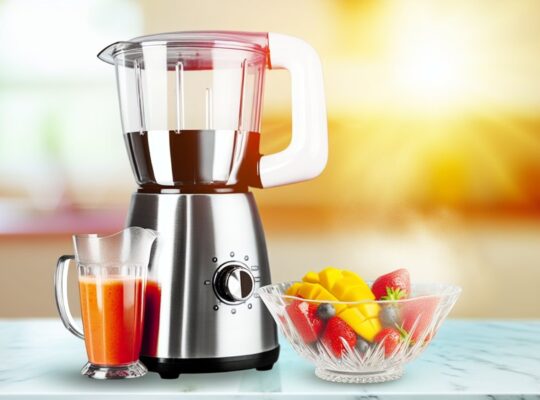
If you make batters and grind soaked grains often, you’ll want to know why a wet grinder behaves differently from a mixer grinder. The two use distinct grinding actions, temperatures and capacities, and those differences affect texture, fermentation and shelf life. For occasional small jobs a mixer grinder can work, but there are trade-offs worth considering—keep going to see which matters most for your kitchen.
Key Takeaways
- Mixer grinders can handle small wet grinding tasks but generally produce coarser, warmer batters than wet grinders.
- Wet grinders deliver finer, aerated batters ideal for fermentation and large batches; mixer grinders often impair texture and rise.
- For frequent large-batch idli/dosa batter, a wet grinder is safer, cooler, and less likely to overheat the motor.
- If using a mixer grinder, use short pulses, cold water, and smaller batches to reduce heat and uneven particle sizes.
- Choose by needs: small households may accept a mixer grinder; large families or fermentation-focused cooks should prefer a wet grinder.
Why the Difference Between Wet Grinders and Mixer Grinders Matters
Why does the distinction between wet grinders and mixer grinders matter to you? You need reliable tools that match intended tasks; choosing the wrong appliance raises safety, performance, and longevity concerns. Wet grinders use stone or drum mechanisms designed for sustained, low-speed grinding of soaked grains and lentils, reducing motor stress and heat buildup—this matters if you prepare fermented batters regularly. Mixer grinders run at higher speeds with blades suited for chopping and dry grinding; they can overheat, cause burnt smells, and risk motor failure when used continuously for wet batter. For safety-conscious consumers, the right device lowers fire and burn hazards from overheating, minimizes splatter and lid failures, and reduces the chance of contamination from worn seals. Warranties and maintenance schedules also differ: using an appliance outside its design can void coverage. Consider motor power and duty cycle—processors and grinders have different power ranges that affect performance and safe continuous use.
How Grinding Mechanisms Affect Batter Texture
Grinder’s mechanism directly shapes batter texture: stone or drum grinders shear and crush soaked grains slowly, releasing starches and creating a micro-fine, uniform paste ideal for airy, fermented batters, while high-speed blade grinders chop and heat ingredients, producing coarser, uneven particle sizes that can impede fermentation and yield denser results. You’ll notice stone-ground batter has consistent viscosity and smaller particle distribution, which helps gas retention during proofing and gives predictable rise and mouthfeel. With blade grinders, you’ll see irregular particle fragments and a tendency toward lumpiness; that variability can cause uneven fermentation and inconsistent cooking. For safety and reliability, choose equipment with proven particle-size outcomes for your recipe goals and follow manufacturer instructions to avoid contamination. If you rely on fermentation, prioritize grinders that produce a homogeneous paste. If you must use a mixer grinder, adjust hydration and resting time, test small batches, and monitor texture visually and by touch to confirm suitability before serving to others. AI-powered mixers can help by providing real-time consistency metrics and adaptive cycles to better mimic stone-ground results.
Heat Generation and Its Impact on Flavor and Fermentation
How much heat a grinder produces while processing batter can make or break both flavor and fermentation. You’ll notice that mixer grinders run faster and often warm batter; studies and user reports link higher temperatures to faster enzyme activity but also to denaturation of delicate proteins and loss of volatile flavor compounds. That matters for idli, dosa, or dosa batter where slow, cool fermentation gives a cleaner tang and better texture. If you use a mixer grinder, monitor temperature: stop and let the bowl cool, grind in short pulses, or use cold water/ice to limit heat rise. Aim to keep batter below roughly 30°C during grinding to preserve yeast and lactic cultures; higher temperatures can promote off-flavors or uneven rise. For safety, avoid storing warm batter in sealed containers—cool promptly in the fridge to reduce risk of pathogenic growth and to keep fermentation predictable and flavorful. Also, check ventilation and avoid overloading the jar to reduce heat buildup from increased motor load and worn components, which can accelerate temperature rise ventilation and load.
Capacity and Suitability for Family Sizes
If you’re cooking for one or two, a mixer grinder’s smaller jars and faster cycles often handle batter and chutneys with acceptable texture and minimal effort. For larger families, however, the limited jar capacity and motor strain can force multiple batches, raising heat and risking uneven grind. Consider your typical batch size and frequency—if you regularly make several cups of batter, a wet grinder usually offers better capacity and consistency. Wet grinders also preserve batter aeration and stay cooler during long runs, which helps fermentation and texture, thanks to their slow-rotating stone action slow-rotating stones.
Small-Family Suitability
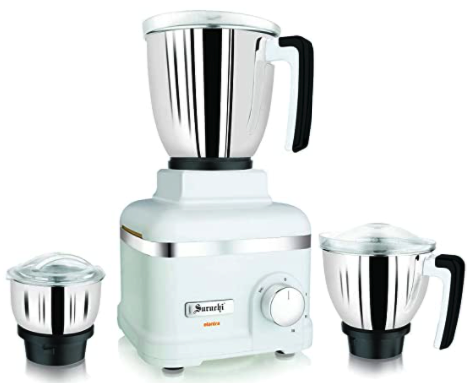
Wondering whether a mixer grinder will meet your small family’s needs? For 2–4 people, a quality mixer grinder often handles daily batter, chutneys, and pastes safely and efficiently. You’ll want a model with at least a 750–1000 W motor, stainless steel jars, and secure lids to prevent splashes and overheating.
| Task | Recommended jar size |
|---|---|
| Idli/dosa batter | 1–1.5 L |
| Chutneys/pastes | 0.5–1 L |
| Grinding spices | 0.25–0.5 L |
| Wet grinding occasional | 1–1.5 L |
Choose models with thermal overload protection and anti-slip feet. Measure portions before grinding to avoid overfilling; that reduces strain and risk. For routine small-family use, a mixer grinder with appropriate capacity and safety features is a practical, space-saving choice. A safe blade replacement routine and checking thermal overload protection can help prevent damage and ensure reliable operation.
Large-Family Limitations
For families of five or more, a mixer grinder often won’t keep up with the volume and texture consistency you need—motors overheat, jars fill quickly, and achieving smooth, lump-free batters for large batches can take multiple tiring cycles. You’ll face practical limits: typical mixer jars hold 500–1000 ml, so multiplying batches increases time and wear. Manufacturers warn against continuous heavy use; thermal cutoffs trip and blades blunt faster. From a safety standpoint, repeated starts raise burn and spill risks. If you regularly make idli/dosa batter, large chutneys, or nut pastes, a wet grinder’s larger drum and low-speed stone grinding give consistent texture and lower motor stress. Choose equipment matched to family size to avoid breakdowns and accidents. Many affordable models, such as 500–750W mixers with overload protection, still aren’t designed for sustained heavy duty use, so consider a dedicated wet grinder or a higher-capacity appliance with overload protection for long-term reliability.
Time and Effort: Grinding Speed and Convenience
How quickly do you need batter or paste? You’ll want a clear sense of time vs. effort when choosing between a mixer grinder and a wet grinder. Mixer grinders finish small batches fast but need repeated pulsing and scrapping to avoid overheating; that increases hands-on time and risks splatter or burns if you’re not careful. Wet grinders run longer per cycle with less intervention, preserving texture and keeping motor temperatures lower.
- Mixer grinders: faster on tiny quantities, higher chance of heat build-up
- Wet grinders: slower cycles, consistent grind with minimal attention
- Safety trade-off: frequent stops and handling with mixers raise spill/burn risks
- Convenience factor: larger wet-grinder drums reduce batch division and time spent transferring
Base your choice on how often you make batter, how many hands-on minutes you’ll tolerate, and whether reducing burn/cleanup risk is a priority. Many users prefer appliances with energy-efficient motors to minimize heat and power use during long grinding tasks.
Types of Ingredients Each Appliance Handles Best
Which ingredients you plan to process determines whether a mixer grinder or wet grinder is the better match. You’ll want a wet grinder for soaked grains, lentils and batters—its stone plates and slower RPMs yield smoother, aerated batters (idli, dosa) with less heat, reducing enzyme loss and microbial risk. A mixer grinder handles dry spices, nuts, and fibrous vegetables faster; metal blades are efficient but generate heat that can alter oils and flavors. For occasional chutneys or small pulses, a high-quality mixer grinder is acceptable; for regular batter work, choose a wet grinder to protect texture and safety. Many modern kitchen appliances now advertise low noise operation as a selling point for home use.
| Best for Wet Grinder | Best for Mixer Grinder |
|---|---|
| Soaked rice & urad dal batters | Dry spices & powdering |
| Large-volume batters | Quick chutneys & purees |
| Minimal heat generation | Tough nuts & seeds (small qty) |
| Aerated, smooth texture | Fibrous vegetables, ginger |
| Safer for fermentation needs | Fast, small-batch convenience |
Cleaning, Maintenance and Longevity
When comparing cleaning and upkeep, you’ll find mixer grinders usually have fewer parts to wash but tougher crevices around blades, while wet grinders have heavier, easier-to-rinse stones and larger drums. You’ll want to follow simple routine maintenance—wiping shafts, drying components, and periodically checking seals and motor vents—to prevent odor, rust, and motor strain. These tasks directly affect longevity, so choose the appliance whose cleaning and upkeep fit your habits and frequency of use. Many modern mixer grinders also include features like overload protection that help extend motor life when maintained properly.
Ease of Cleaning
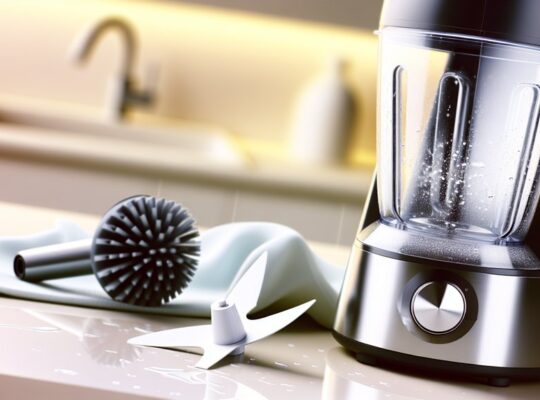
Cleaning and maintaining a mixer grinder is generally quicker and simpler than a wet grinder, because most mixer parts are detachable, smaller, and often dishwasher-safe or easy to rinse, while wet grinders have heavy, sealed stone or drum assemblies that trap batter and need more hands-on scrubbing and periodic oiling. You’ll spend less time disassembling and more time ensuring surfaces are hygienic; removable jars and blades let you inspect seals and rinse residue immediately, reducing bacterial risk. Wet grinders require careful drying to prevent mold in crevices. Choose models with smooth, corrosion-resistant finishes and clear manufacturer cleaning instructions to stay safe.
- Detachable parts reduce hidden food traps
- Smooth surfaces resist residue buildup
- Dishwasher-safe options cut cleaning time
- Sealed drums demand more manual scrubbing
Regular maintenance checks like inspecting seals and gaskets help prevent leaks and extend the appliance’s lifespan.
Routine Maintenance Tasks
You’ve seen how detachable parts and smooth finishes make upkeep quicker; now let’s look at the routine tasks that keep a mixer or wet grinder running well and lasting years. Clean immediately after use: rinse bowls and blades, remove batter residue with a soft brush, and dry parts thoroughly to prevent corrosion and mold. Wipe motor housing with a damp cloth; never immerse it. Check seals and gaskets weekly for cracks and replace if brittle to avoid leaks that damage bearings. Lubricate stone assemblies or bearings per manufacturer intervals—use recommended lubricants only. Tighten loose screws and inspect power cords for frays; replace damaged cords before next use. Schedule a professional service annually to test motor health and safety features.
Noise, Space and Kitchen Footprint Considerations
How loud will it be in your kitchen? You’ll want to compare decibel ratings and real-world reports: mixer grinders often run 80–95 dB under load, while dedicated wet grinders are typically quieter. Higher sustained noise can cause hearing discomfort and disrupt shared living spaces.
Consider footprint and stable placement: mixer grinders are compact but tall; wet grinders are longer and heavier. Stability reduces vibration, which cuts noise and lowers tip-over risk.
- Measure counter space and ensure 1–2 inches clearance for ventilation and safe operation.
- Look for anti-vibration feet and weighted bases to minimize movement and noise.
- Prioritize models with enclosed motors or noise-dampening housings for safer, quieter use.
- Check user reviews for noise under typical tasks (idli batter, grinding wet ingredients) rather than idle specs.
Choose based on your living situation: if noise sensitivity, sleeping infants, or open-plan living are concerns, favor quieter, heavier units and secure installation for safer daily use.
Price, Energy Use and Value for Money
What’s the real cost of choosing a mixer grinder over a wet grinder? You’ll pay less upfront: basic mixer grinders often cost a fraction of wet grinders. But don’t stop at purchase price. Compare energy consumption—wet grinders run longer at low RPMs for smooth batter; mixer grinders use short, high-power bursts. Measured wattage matters: a 150–200 W wet grinder running 30–60 minutes can use similar energy to a 500–750 W mixer grinder used intermittently. Factor in durability and maintenance: wet grinders are built for prolonged wet use, so you’ll likely avoid motor overloads and frequent replacements that can erode initial savings. Also include safety-related costs—proper grounding, quality cords, and timely repairs prevent hazards; cheap mixers may cut corners. For value, weigh total cost of ownership: purchase, estimated electricity over years, likely repairs, and safety assurances. That gives a clearer, evidence-based picture of which appliance truly saves you money.
Practical Tips for Choosing the Right Appliance
After weighing purchase price, energy use and likely repairs, pick the appliance that matches how you actually cook. Consider capacity, motor rating, and the types of food you grind most often. If you make batter regularly, a wet grinder’s slower, stone-like action preserves texture and reduces overheating; if you need quick chutneys and powders, a mixer grinder with sharp blades and adequate wattage will save time. Prioritize safety features: thermal overload protection, sturdy lids, and non-slip feet. Check warranty terms and service network; evidence shows accessible service reduces long-term costs.
- Choose capacity and speed suited to typical batch sizes.
- Look for motor wattage and duty-cycle ratings to prevent burnout.
- Verify safety certifications and built-in thermal cutoffs.
- Confirm spare-parts availability and local service centers.
Test noise levels and vibration if possible. Read consumer reviews focused on durability and safety incidents. Make a choice that balances performance, safe operation, and realistic maintenance expectations.
Frequently Asked Questions
Can a Mixer Grinder Make Dosas and Idlis as Consistently as a Wet Grinder?
Not really — you won’t get the same consistent texture or fermentation-friendly batter from a mixer grinder; wet grinders yield coarser, cooler grind safer for fermentation, so you’ll risk uneven dosas and idlis and potential food-safety issues.
Can I Use a Mixer Grinder for Nut Butters and Hummus?
Yes — you can, but a mixer grinder’s motor and blade profile limit smoothness and heat buildup; you’ll need small batches, pulse with cool-downs, and prefer high-speed, sturdy jars. Watch overprocessing to avoid oil separation and burns.
Do Wet Grinders Require Seasoning Before First Use?
Yes — you should season a new wet grinder before first use. You’ll follow manufacturer steps: grind rice or dal paste, discard, clean; this removes residues, polishes stones, and reduces contamination risk, ensuring safe, effective performance.
Are Replacement Stones or Parts Available for Wet Grinders?
Yes — you can get replacement stones and parts for many wet grinders; manufacturers and authorized dealers sell rings, stones, motors, and lids. Check model compatibility, certifications, and installation instructions to ensure safe, proper replacements.
Can a Mixer Grinder Handle Large-Batch Batter for Parties?
No — you shouldn’t rely on a mixer grinder for large-batch batter; it overheats, strains motors, and yields inconsistent texture. For parties, use a wet grinder or commercial appliance designed for extended heavy duty use to stay safe.